Caotun
"Caotun taught me that the least touristed town on the itinerary is often the one that explains everything else."
Nantou's largest township, a working town of temples, traditional crafts, and a folk village that plays Taiwan's history in miniature.
Caotun doesn’t appear on many Taiwan itineraries, and I understand why — it’s a working township rather than a postcard, the kind of place travelers pass through on the way to Sun Moon Lake or Puli without stopping. We stopped anyway, mostly because Lia had read about a folk village on the outskirts, and ended up staying long enough to eat two full meals and lose an afternoon we hadn’t planned on losing.
Formosan Aboriginal Culture Village, Taken Seriously
The Formosan Aboriginal Culture Village sits just outside Caotun proper, and it’s easy to dismiss as a theme park from the entrance — there’s a roller coaster, for one thing, incongruously bolted onto a site otherwise dedicated to the nine officially recognized indigenous tribes of Taiwan. But the reconstructed villages themselves, each built to reflect a specific tribe’s traditional architecture, were more thoughtfully done than I expected, and a Paiwan carver working near the entrance let us watch him finish a wooden panel depicting a hundred-pace snake, sacred to his people, without once looking up from the blade.
The Craft Workshops Nobody Mentions
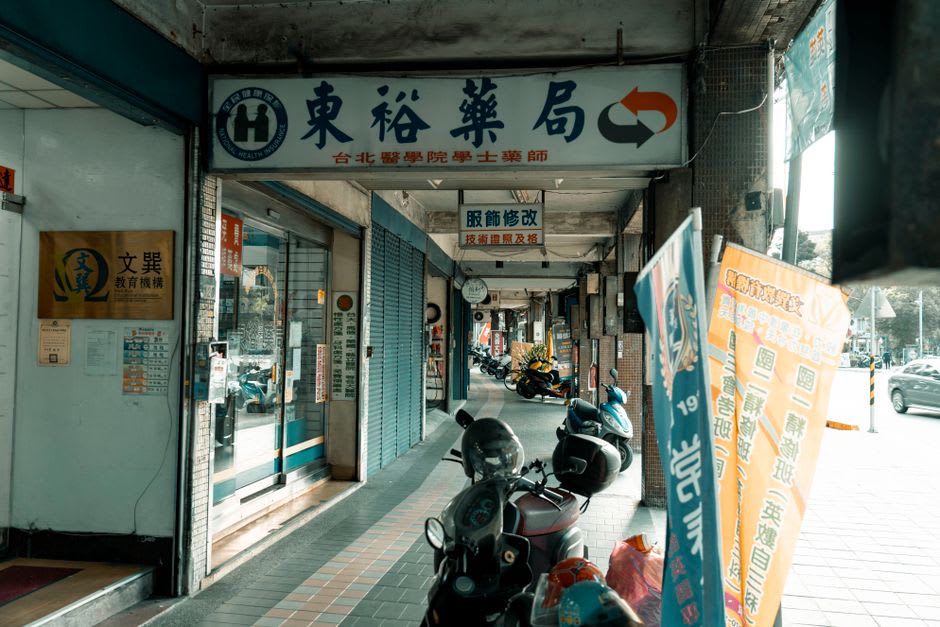
Caotun township has a long history of woodworking and rattan furniture production, and a handful of small family workshops still operate near the old town center. We wandered into one advertising nothing beyond a hand-painted sign, and the owner, once he realized we were actually interested rather than lost, walked us through three generations of tools his family had used, ending with a rattan stool he insisted I sit in “to test the weave.” It held.
Dinner at a Temple Night Market
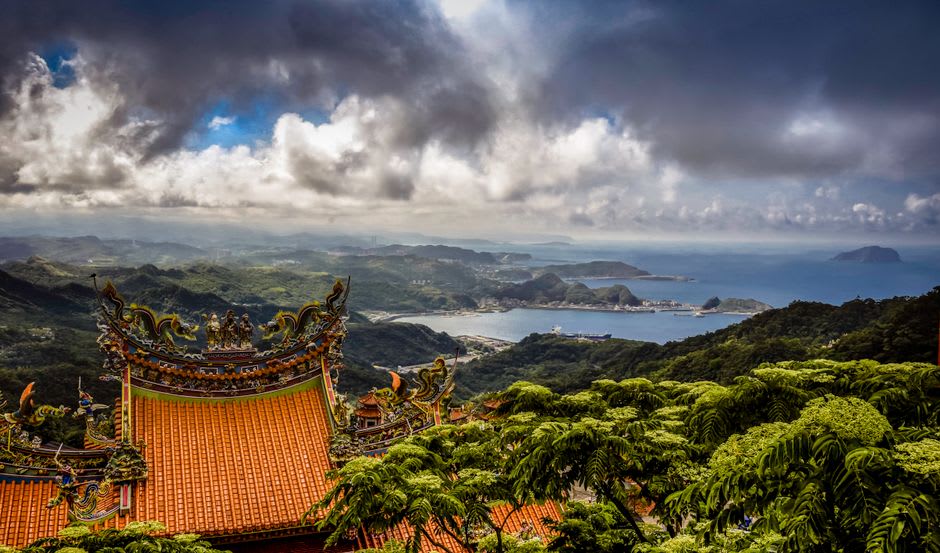
The night market that sets up near Caotun’s Dunya Temple runs smaller and later than the famous ones in Taipei, but the braised pork rice we ate there, from a stall that looked like it hadn’t changed its recipe in forty years, was as good as anything we found in the capital. We sat on plastic stools under the temple’s red lanterns, and nobody around us seemed to register that we were the only foreigners in the whole market.
When to go: October through April brings the most comfortable weather for wandering the town on foot. The Aboriginal Culture Village runs year-round, though weekday visits mean far smaller crowds at the tribal demonstrations.
Keep exploring
More from Taiwan
 taiwan
 Chishang
A rice-farming township in the East Rift Valley famous for a single tree standing alone in an emerald paddy, and for some of the best rice in Taiwan.
Explore taiwan
 Chuhuo Fire Ridge
A scrubby hillside near Kenting where natural gas seeping through cracked rock burns in small, permanent flames — day and night, rain or shine.
Explore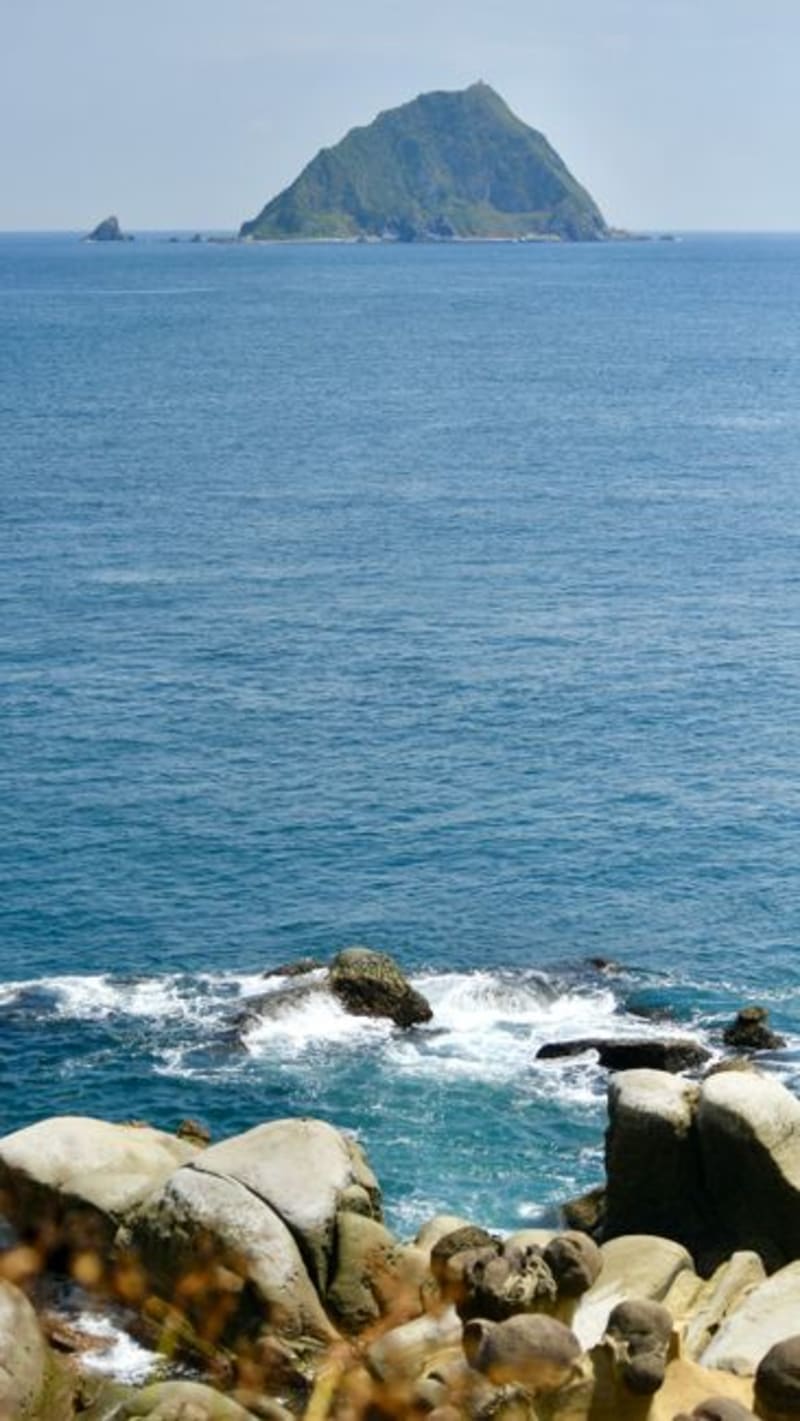 taiwan
 Cijin Island
A narrow sandbar island off Kaohsiung harbor, reached by a five-minute ferry, where a lighthouse, a beach, and a seafood street set the pace.
Explore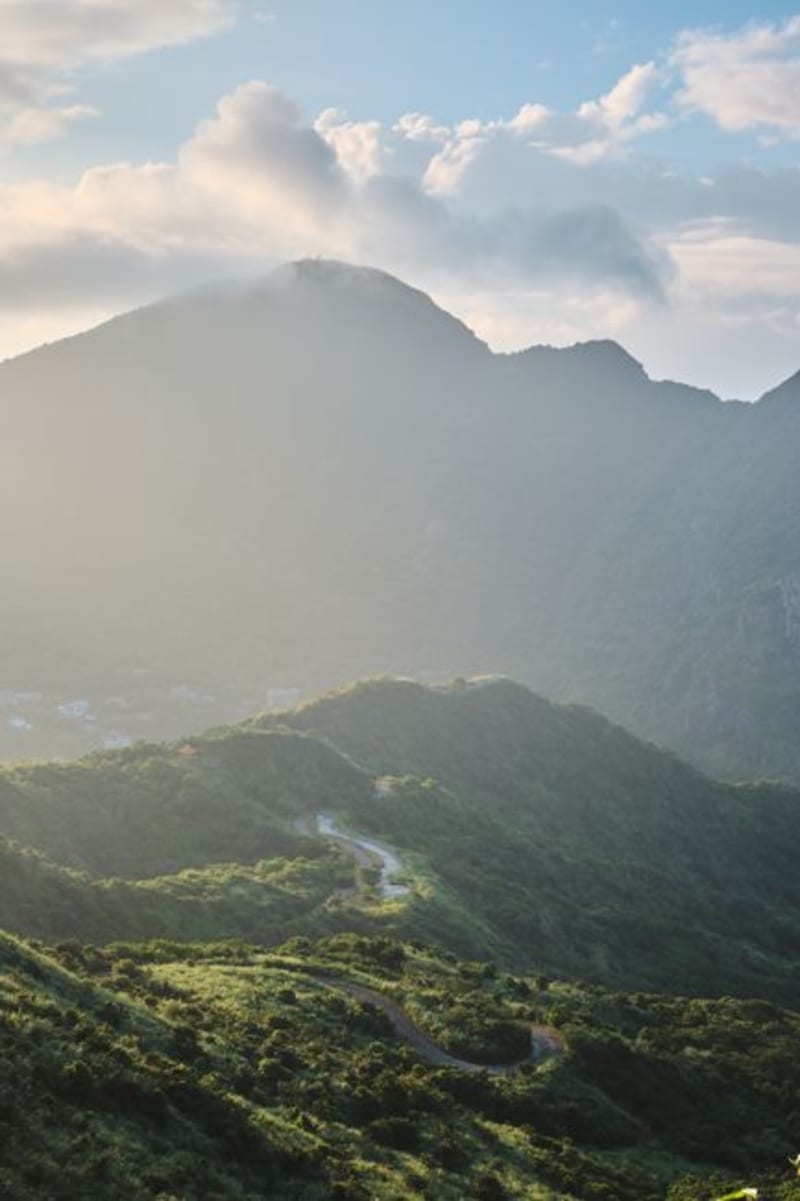 taiwan
 Cingjing
A high-altitude farm region in Nantou County where rolling green hills, sheep grazing at 1,750 metres, and a European-style guesthouse village feel improbably transplanted from the Alps.
Explore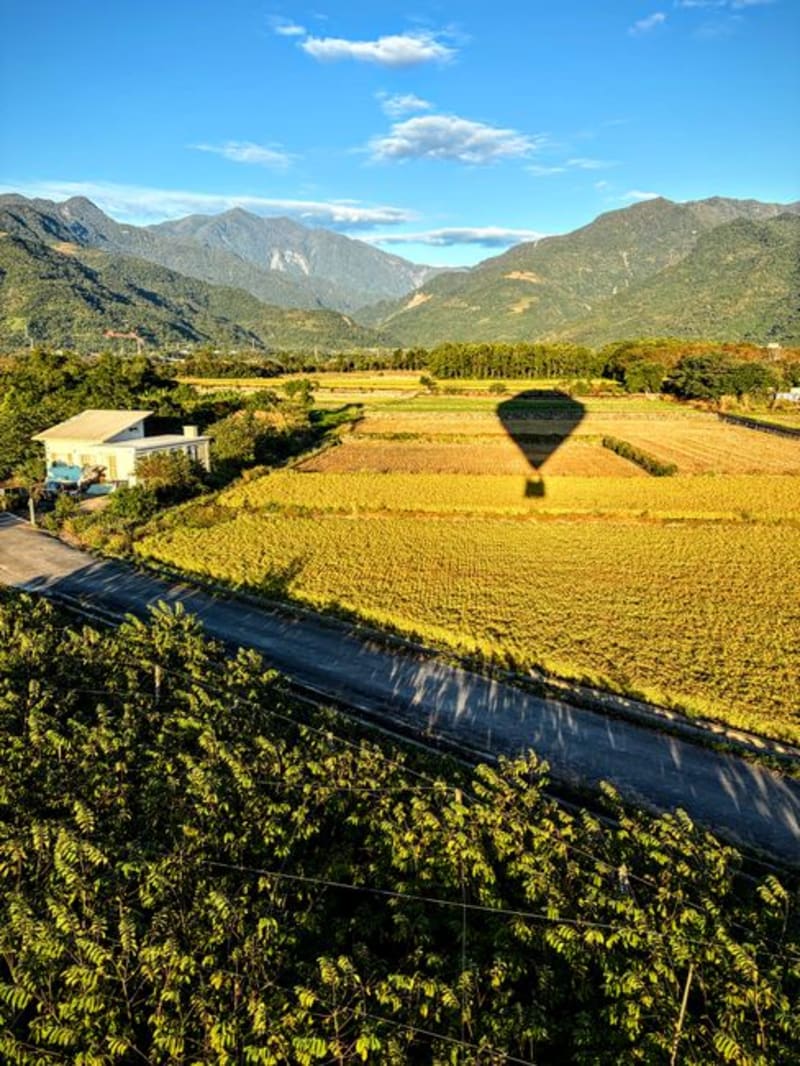 taiwan
 Cingjing Farm
A high-altitude sheep farm turned alpine retreat, where Nantou's mountains fold into grassy terraces and the air finally goes cold.
Explore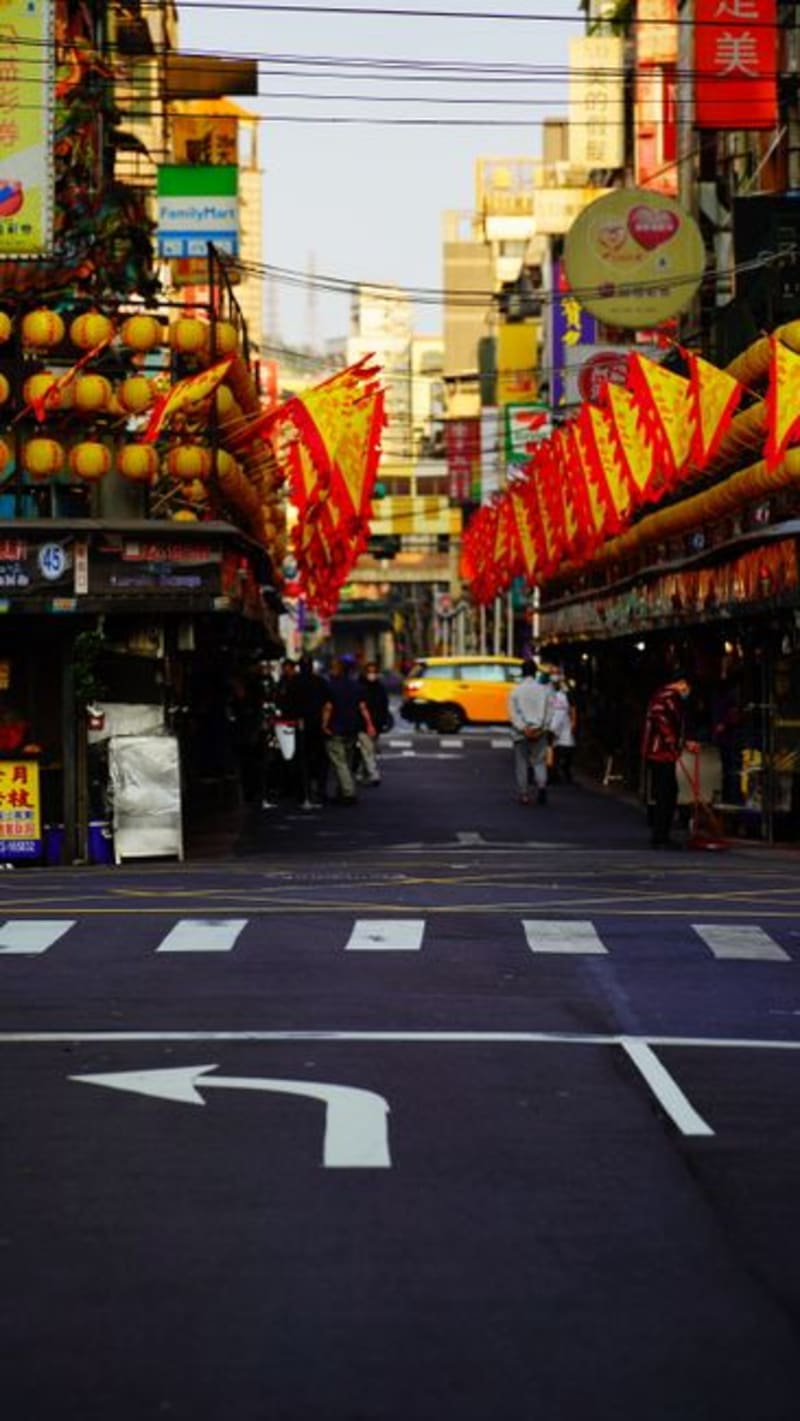 taiwan
 Dadaocheng
A nineteenth-century merchant quarter of tea houses, herbal apothecaries, and Dihua Street's slow-burning revival.
Explore