Beipu
"My arm was sore for two days after grinding tea leaves in Beipu. Nobody warned me lei cha was a workout."
A Hakka hill town in Hsinchu County known for its ground tea ritual, timber-and-brick heritage houses, and a persimmon harvest that turns entire courtyards orange each autumn.
Lia’s cousin, who spent a semester studying in Hsinchu years ago, was the one who insisted we detour to Beipu instead of going straight from Hsinchu city to the coast. “It’s Hakka, not Hoklo,” she told us, like that single distinction explained everything. It sort of did, once we got there — Beipu runs on its own dialect, its own food traditions, and a version of Taiwanese hill-town life that felt distinct from anywhere else we’d been on the island.
Lei Cha, or How to Earn Your Tea
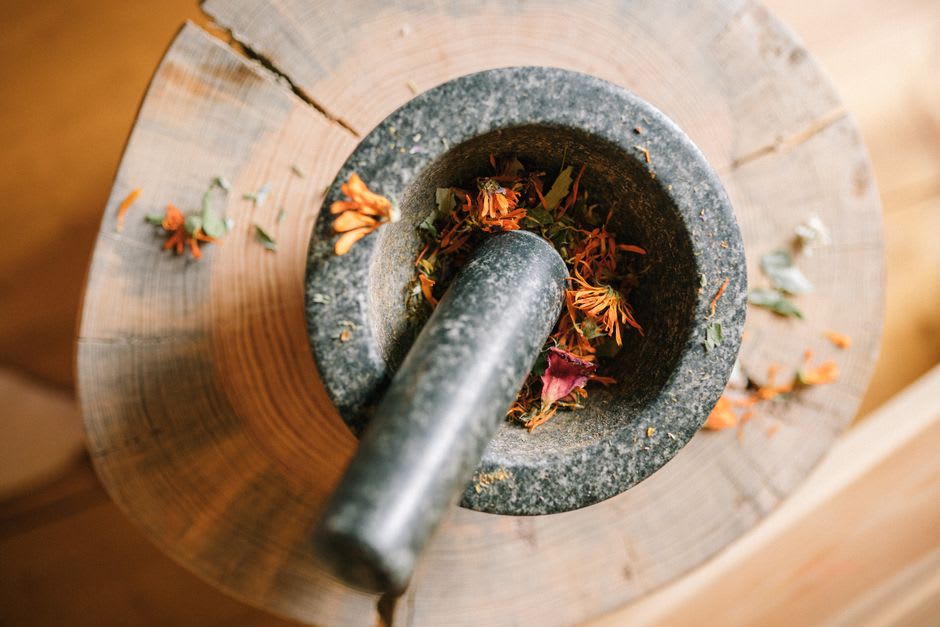
Beipu is the spiritual home of lei cha, “pounded tea” — a Hakka ritual in which you grind tea leaves, sesame, peanuts, and grains by hand in a ceramic bowl using a wooden pestle, working the mixture into a thick paste before topping it with puffed rice and hot water. We sat down at a teahouse just off the old street expecting a quaint five-minute demonstration. It was closer to forty-five minutes of continuous grinding, my forearm burning long before the paste reached the right consistency, while the shop owner walked between tables offering the same deadpan critique to every visitor: “grind smaller, grind faster.”
An Old Street Built From Camphor Money
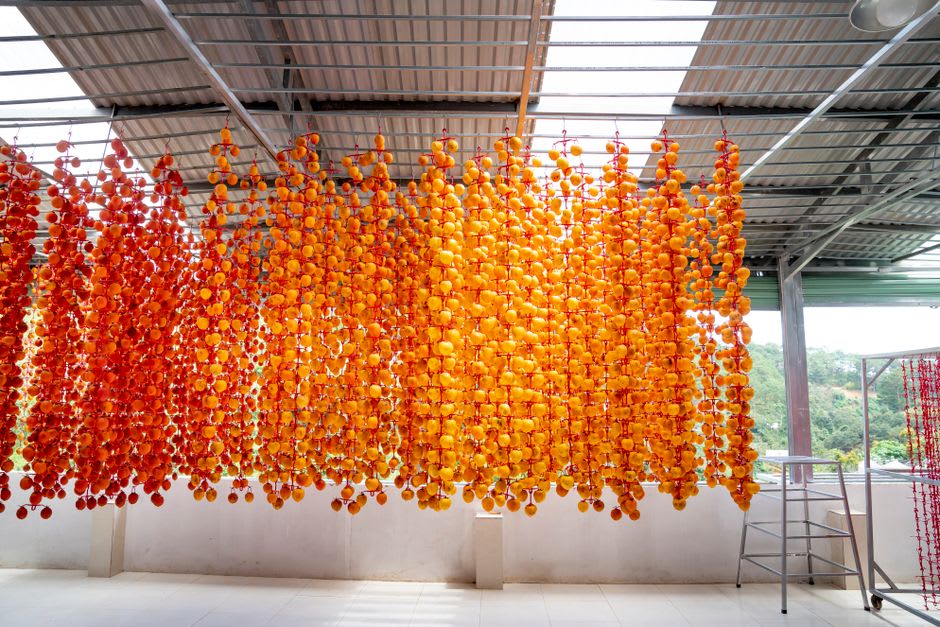
Beipu Old Street grew wealthy in the 19th century on camphor extraction and tea exports, and its heritage buildings still show it — the Jiang A-Xin House and the Tianshui Hall, both intact timber-and-brick Hakka mansions with carved eaves and internal courtyards, sit a short walk from stalls selling persimmon cakes and sweet potato buns. In autumn, family orchards on the surrounding hillsides string ripe persimmons up on bamboo racks to dry in the sun, turning entire courtyards a deep, glowing orange, a sight Lia photographed obsessively enough that I eventually had to remind her we had a bus to catch.
When to go: October and November are ideal, coinciding with the persimmon drying season and cooler hill-country air. The old street is small enough to see properly in half a day, making it an easy pairing with a longer Hsinchu itinerary.
Keep exploring
More from Taiwan
 taiwan
 Beishan Broadcasting Wall
A Cold War propaganda speaker array on Kinmen's northern coast, still aimed at the Chinese mainland across the strait.
Explore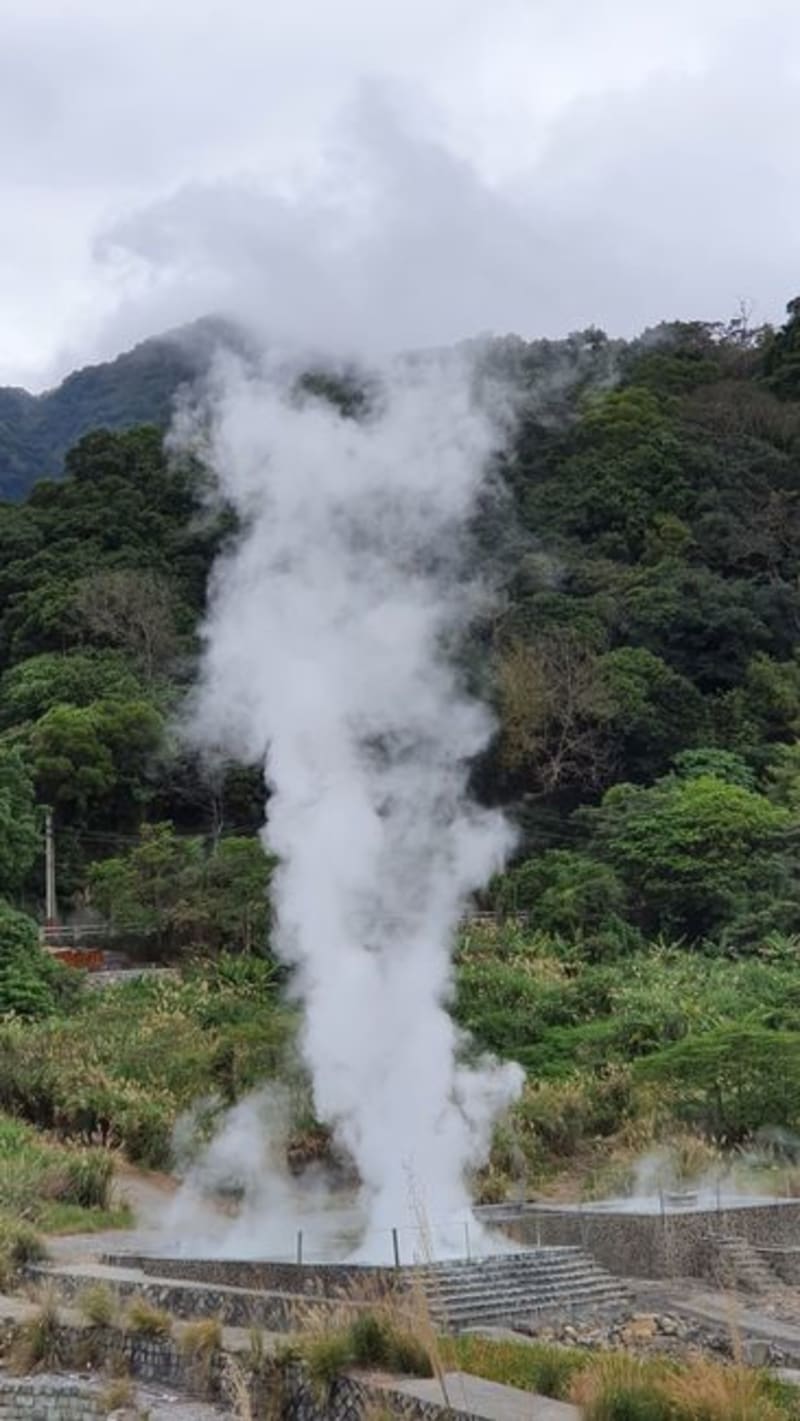 taiwan
 Beitou
A hot spring district inside Taipei's own metro system, where a milky green thermal valley and Japanese-era bathhouses sit twenty minutes from downtown.
Explore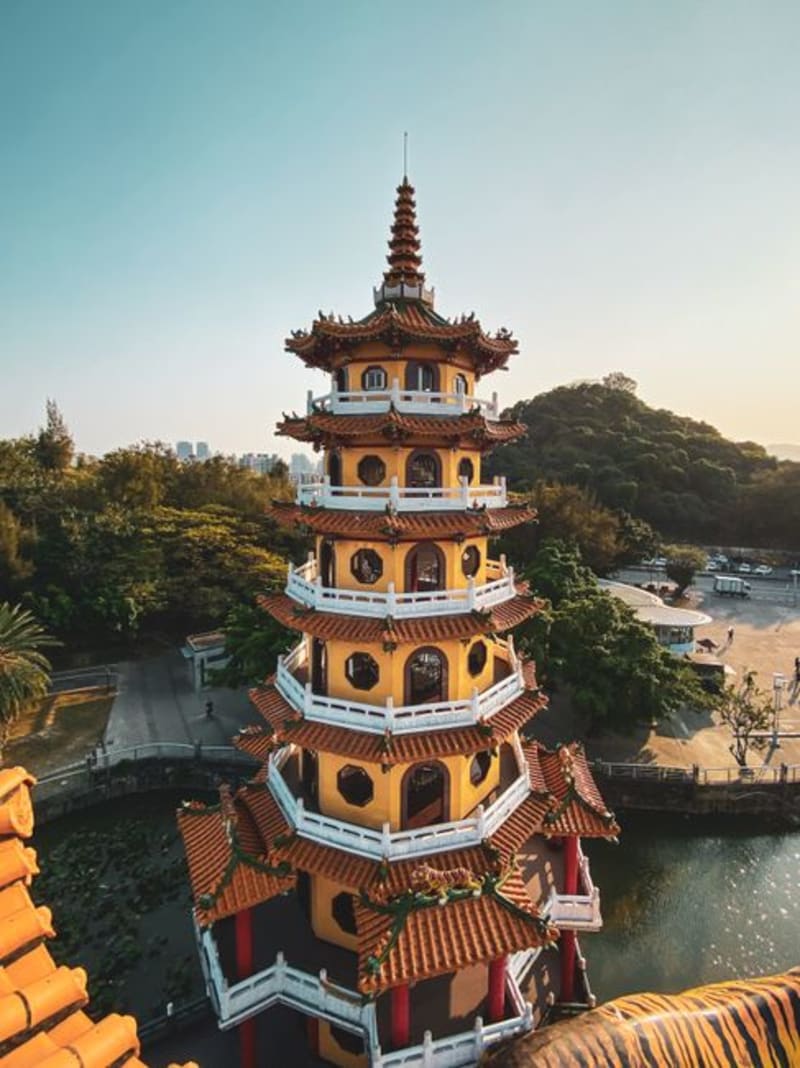 taiwan
 Bitan
A jade-green reservoir at the edge of Taipei where swan-shaped paddle boats and a swaying suspension bridge fill a lazy riverside afternoon.
Explore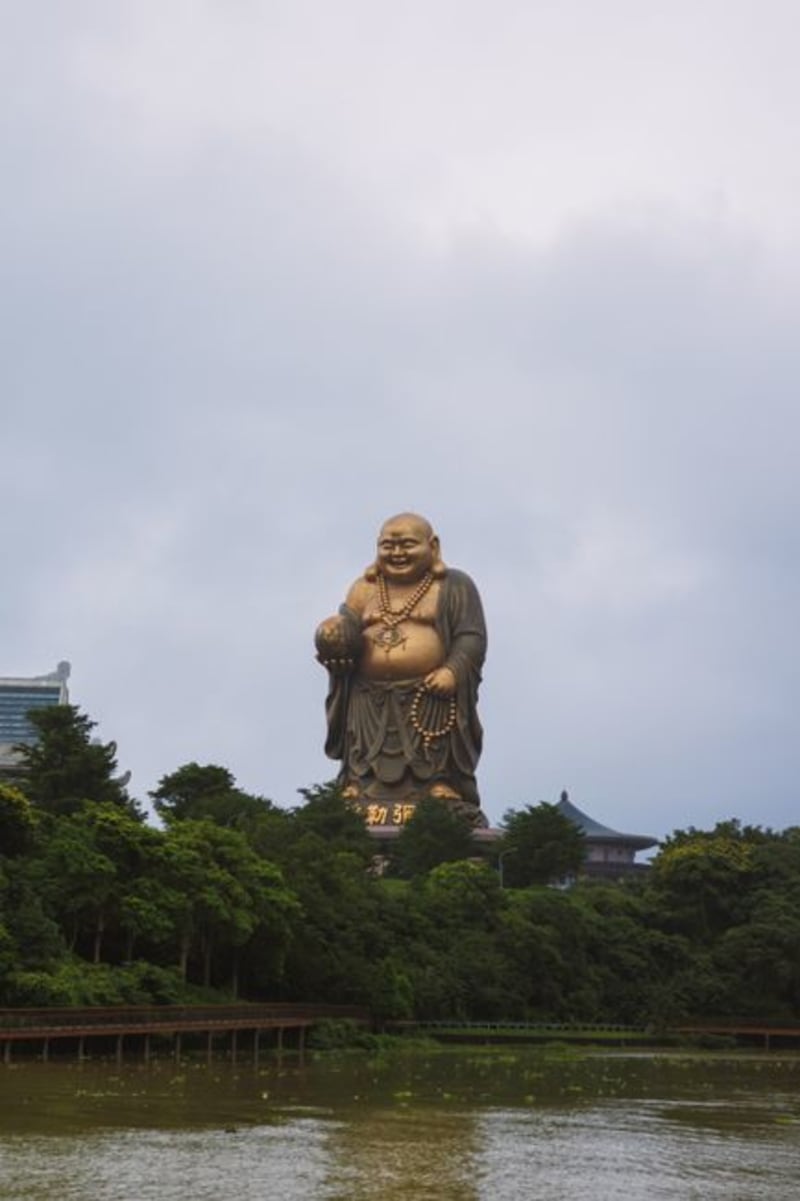 taiwan
 Budai
A working fishing port on Chiayi's coast where oyster racks stretch to the horizon and the sunset over the salt flats turns everything the color of rust.
Explore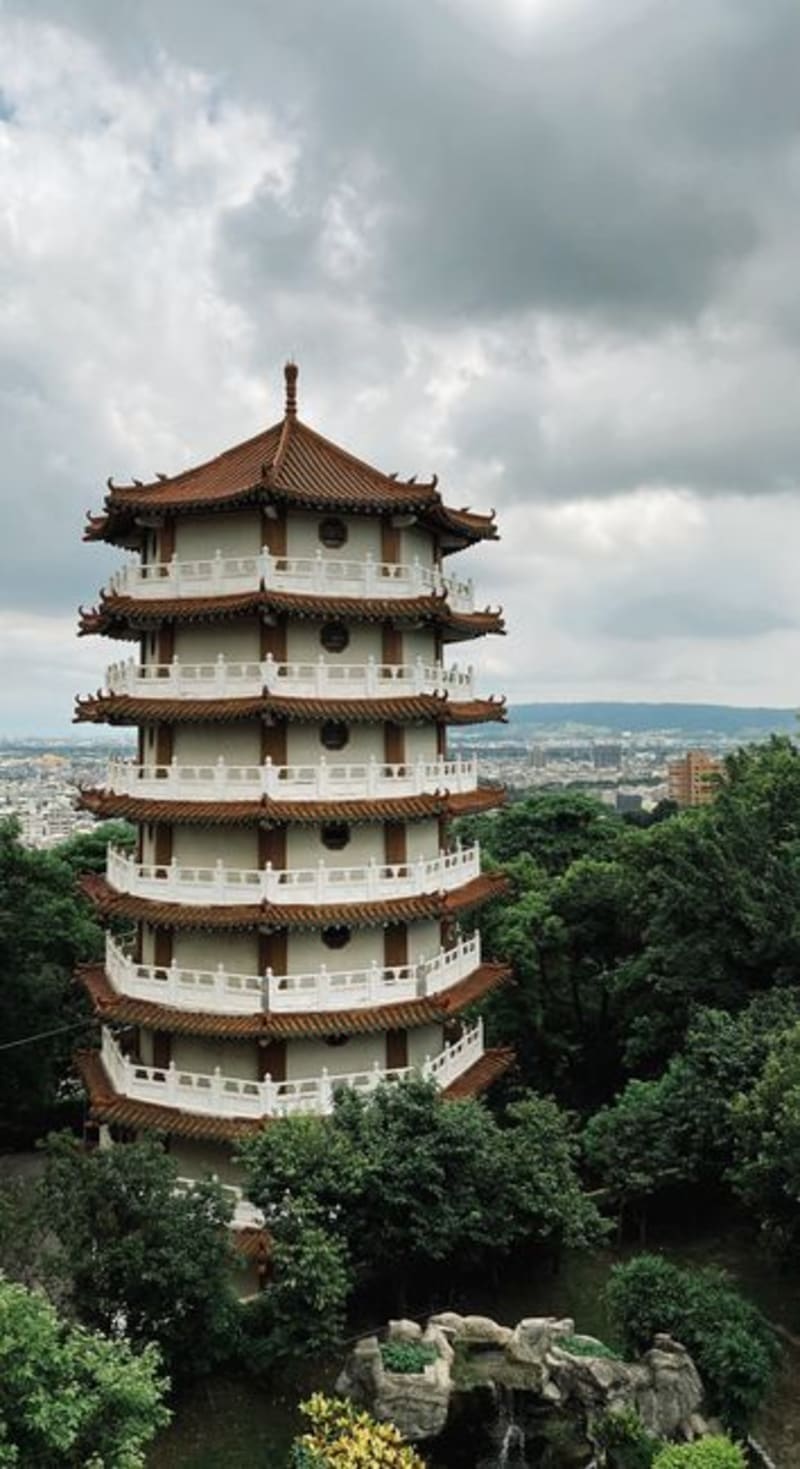 taiwan
 Caotun
Nantou's largest township, a working town of temples, traditional crafts, and a folk village that plays Taiwan's history in miniature.
Explore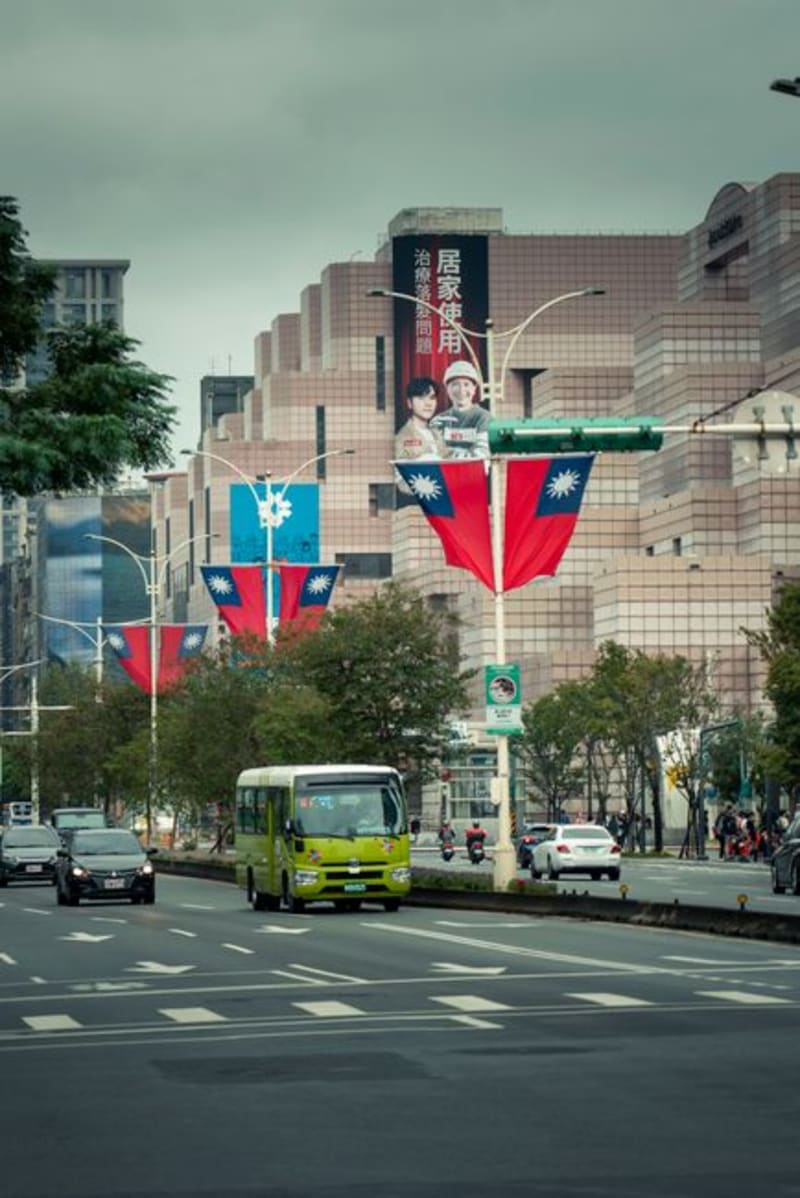 taiwan
 Chishang
A rice-farming township in the East Rift Valley famous for a single tree standing alone in an emerald paddy, and for some of the best rice in Taiwan.
Explore