Pikin Slee
"The museum's founder walked us past carvings he'd built with his own hands and told us he wasn't preserving history, he was just living it."
A Saramaccan Maroon village on the upper Suriname River where a handmade open-air museum keeps centuries of forest culture alive.

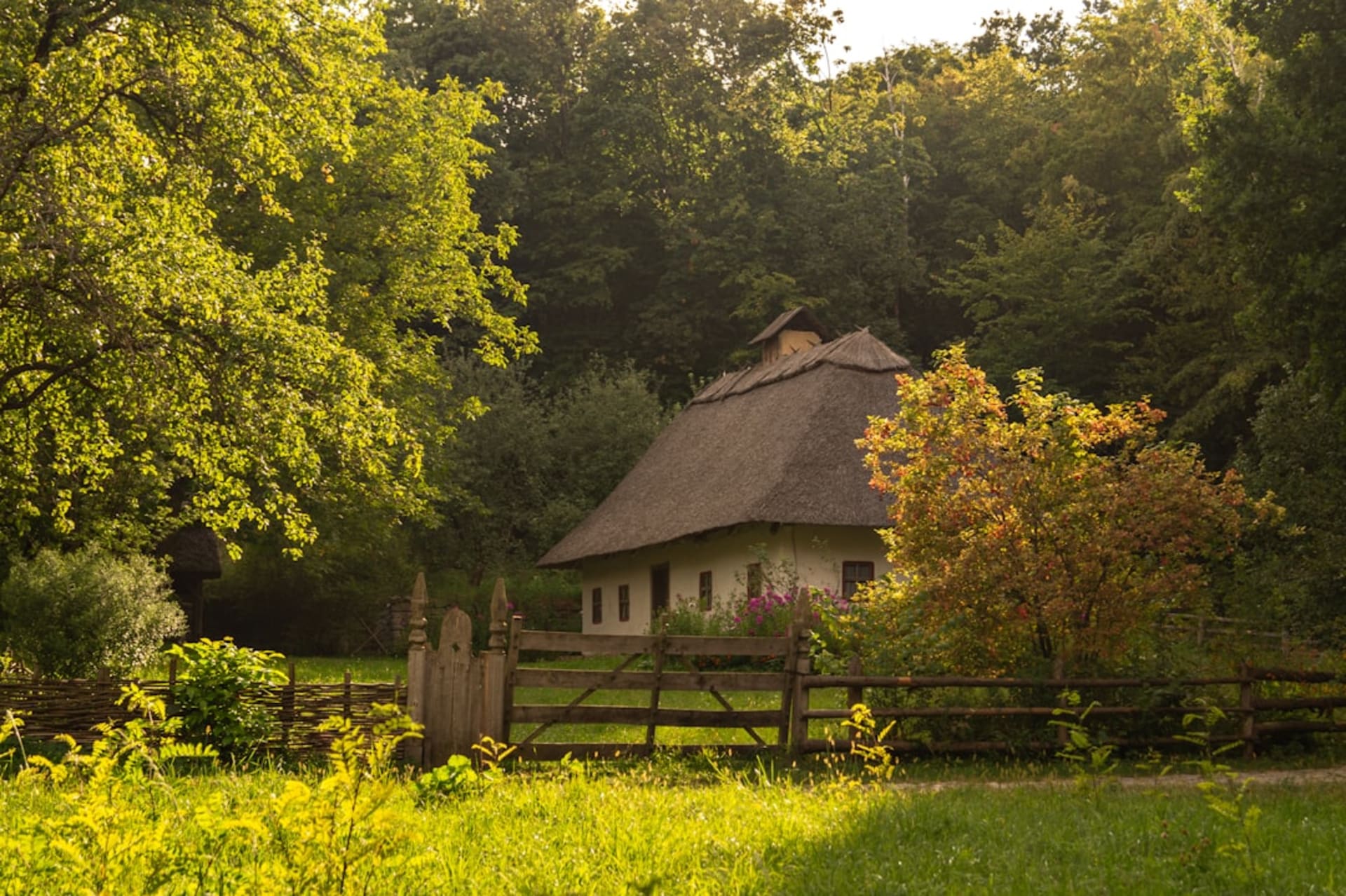
We reached Pikin Slee the way you reach most places in the Suriname interior, by boat, this time a couple hours upriver from Atjoni where the paved road simply ends and the Suriname River takes over as the only route deeper in. The village is the largest Saramaccan Maroon settlement in the country, and it announces itself less with signage than with the sound of it, hammering, someone’s radio playing kaseko music, kids cannonballing off a dock as our boat idled past.
The open-air museum sits toward the center of the village, and calling it a museum undersells what it actually is. A local man named Stanley, who I later learned had spent years building it largely by hand, walked us through room after room of carved wooden panels, drums, canoes, and calabash bowls etched with the same geometric patterns we’d seen on doorframes down the Marowijne. He explained that Saramaccan carving isn’t decorative in the way I’d assumed walking in, each pattern carries meaning, some passed from a specific ancestor, and he could trace certain motifs back to particular families still living in the village.

What struck Lia and me both was how alive the place felt compared to how we’d pictured a “museum” going in. This wasn’t glass cases and placards, it was an open compound where the carvers themselves still work, where kids ran through exhibits on their way home from school, where the line between cultural preservation and everyday life had basically dissolved. Stanley told us the Saramaccan people are descendants of Africans who escaped Dutch plantations in the 17th and 18th centuries and fought for and won their freedom, building an independent society in the rainforest that the Dutch eventually had to formally recognize by treaty. Standing there listening, it didn’t feel like ancient history, it felt like something still actively being decided and defended.
We ate lunch with a family along the riverbank, cassava and grilled fish, and one of the daughters, maybe nine or ten, gave us an impromptu tour of her own, pointing out which trees produced which dyes for the fabric patterns everyone seemed to be wearing. Lia bought a small carved comb from a woman selling crafts near the dock, and I still catch her using it most mornings, which is a better souvenir than most we’ve brought home.

Leaving by boat as the light dropped, I remember thinking that Pikin Slee had done something few “cultural” stops manage, it made me feel like a guest in someone’s home rather than a customer at an attraction.
When to go: Visit in the dry season, August through November, when river levels make the boat journey from Atjoni smoother and more predictable.
Keep exploring
More from Suriname
 suriname
Sipaliwini Savanna
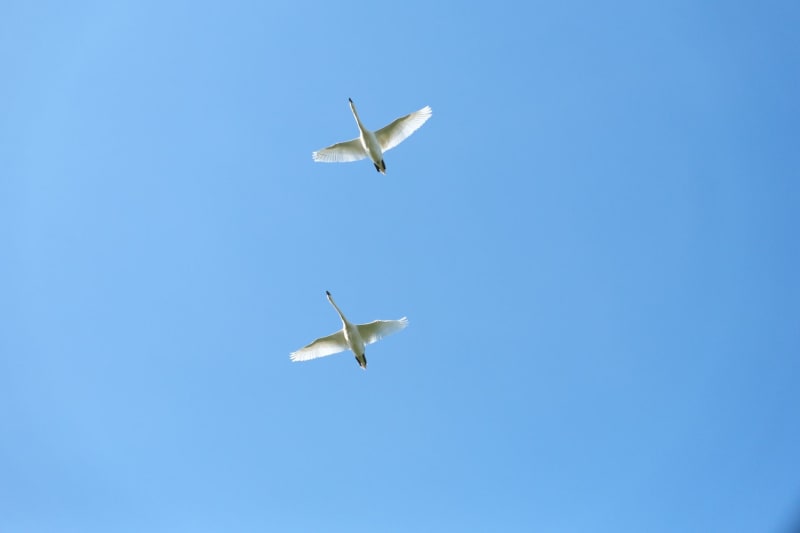
An anomalous open savanna surrounded by Amazonian rainforest in the extreme south of Suriname, one of the most remote and least-visited landscapes in South America, where the sky opens up without warning after days of canopy.
Explore suriname
Upper Suriname River
A multi-day river journey through the Saramaka Maroon heartland, where the Suriname River narrows between forested banks and villages painted in bold geometric patterns appear around each bend like pages from a book written in a visual language you have to learn as you go.
Explore suriname
Albina
A frontier river town on the Marowijne border with French Guiana, where the last road in Suriname ends and the only way forward is by dugout canoe across one of the most culturally layered rivers in South America.
Explore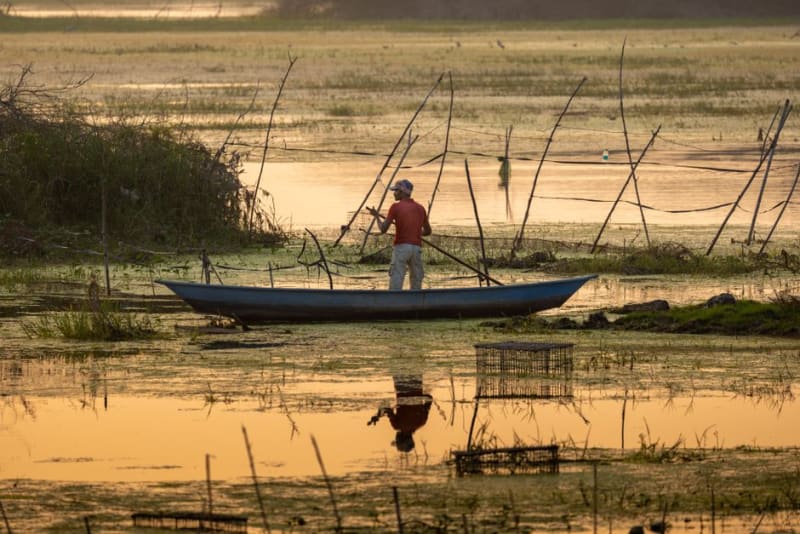 suriname
Bigi Pan
A brackish wetland maze on Suriname's northwest coast where scarlet ibis turn the mangroves fire-red at dusk.
Explore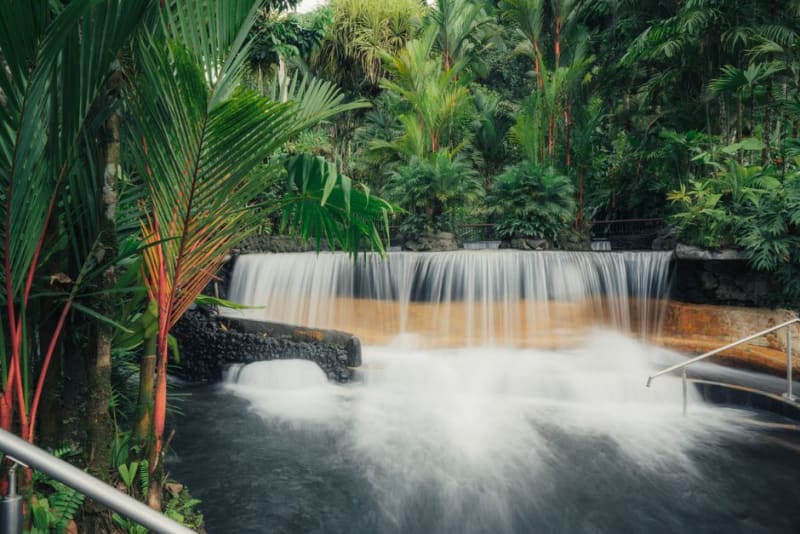 suriname
Blakawatra
A forested hot spring tucked near the Brokopondo reservoir where warm, tea-dark water bubbles up between the tree roots.
Explore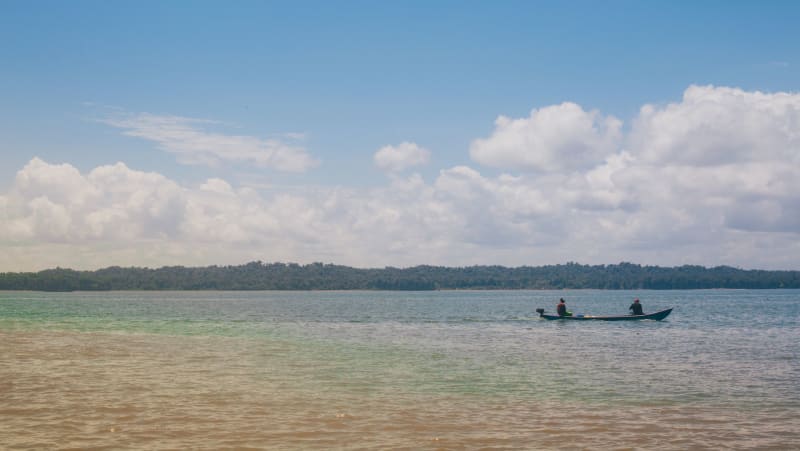 suriname
Brokopondo Reservoir
One of the world's largest man-made lakes, where a flooded forest of dead trees emerges from dark water at low season and Maroon villages dot the shoreline of a landscape that is simultaneously haunting and unexpectedly alive.
Explore