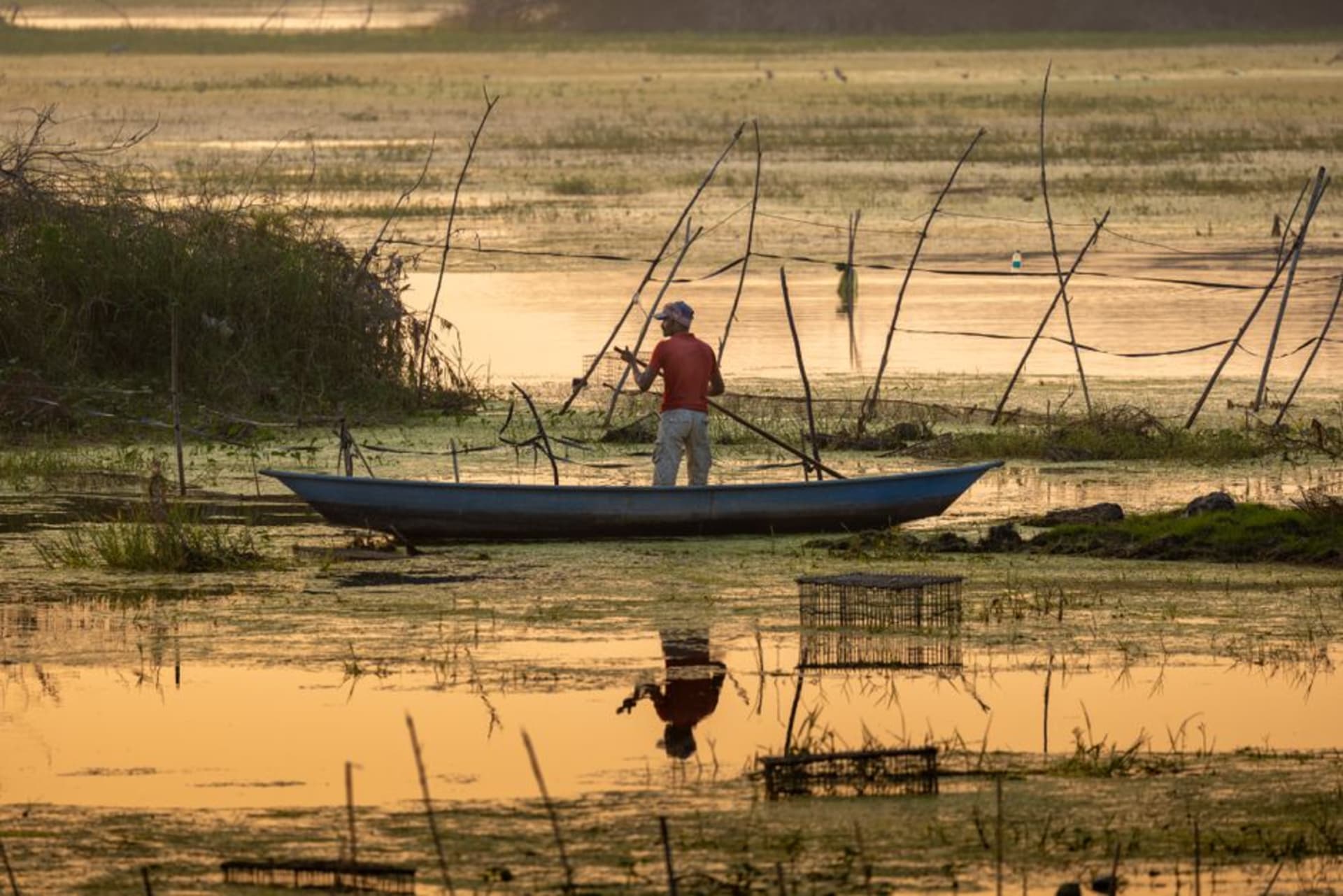
Bigi Pan
"I stopped talking mid-sentence when the first wave of scarlet ibis lifted off the mangroves and the whole sky turned the color of a struck match."
A brackish wetland maze on Suriname's northwest coast where scarlet ibis turn the mangroves fire-red at dusk.

Getting to Bigi Pan takes longer than it should, and that’s part of what I liked about it. We drove west from Paramaribo through Nickerie’s rice paddies, past roadside stalls selling fried bakabana, then handed ourselves over to a local boatman in a village called Nieuw Amsterdam-adjacent nowhere, whose name I never quite caught over the outboard motor. Lia had read that this was one of the best birding spots in the Guianas and she wasn’t exaggerating, though nothing she read prepared either of us for the noise. Egrets, herons, and something that sounded like a rusty gate all going off at once as we cut through channels barely wider than the boat.
We stayed in one of the stilted wooden lodges that rise out of the brackish water on thin legs, the kind of place where the floor creaks with the tide and you fall asleep to frogs instead of traffic. Dinner was fish someone had caught that afternoon, and I remember Lia pointing out that we hadn’t seen another tourist in six hours, just fishermen poling past in narrow boats and one kid waving from a doorway that seemed to float on the swamp itself.
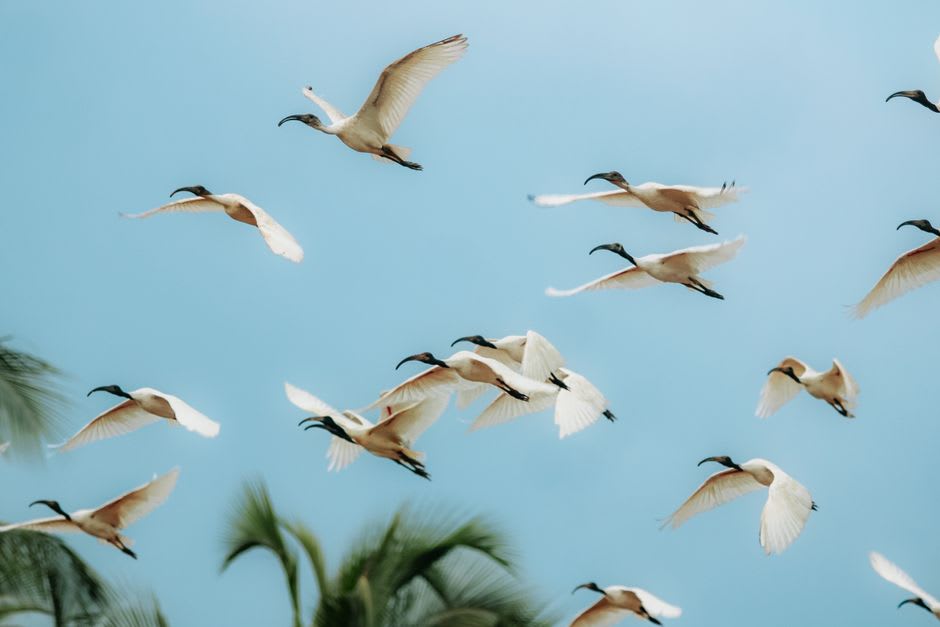
The scarlet ibis are the reason everyone comes, and they earn the hype. Our guide cut the engine at dusk near a mangrove island where the birds roost communally, and we just drifted, watching hundreds of them stream in from every direction until the green trees looked like they were on fire. I’ve seen a lot of wildlife spectacles in my years traveling, and I’ll admit this one made me go quiet in a way flamingos in a zoo never could. There’s something about knowing no one built this, no one is feeding them on a schedule, that made it land differently.
The mornings were slower and, honestly, a little more interesting to me than the famous sunset show. Fog sitting low over the water, caimans logging along the banks not bothering to move, and the boatman cutting the motor every few minutes just to listen. Lia got obsessed with identifying every heron species from a laminated chart she’d brought, arguing with our guide about a tricolored heron for a solid twenty minutes. I mostly just watched the water change color as the sun came up, which I realize sounds like something out of a brochure, but it genuinely doesn’t feel like one out there.

What stuck with me leaving Bigi Pan wasn’t just the birds, it was how little infrastructure stood between us and the wetland. No boardwalks, no gift shop, just a family running a few rooms on stilts and a boatman who knew every channel by memory because his father had taught him. It felt less like a nature reserve and more like being let into someone’s backyard for a few days.
When to go: Aim for the dry season, roughly August through November, when water levels drop and the birds concentrate in fewer channels, making sightings far more reliable.
Keep exploring
More from Suriname
 suriname
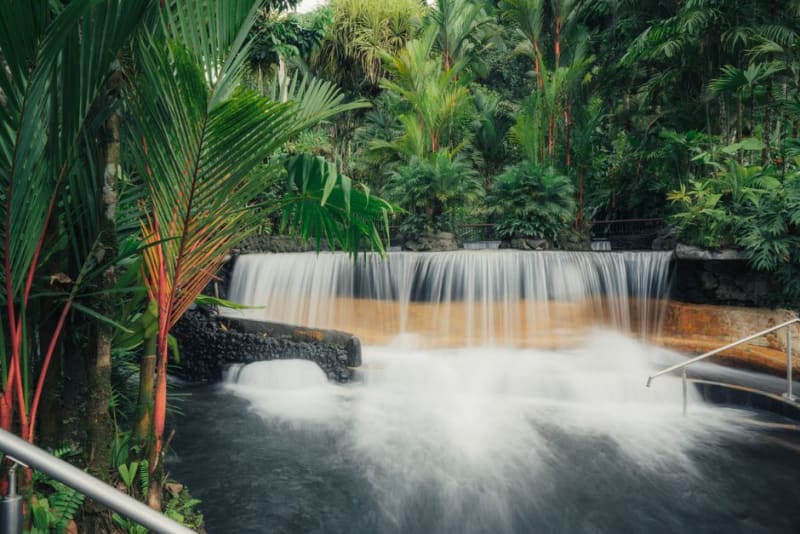
Blakawatra
A forested hot spring tucked near the Brokopondo reservoir where warm, tea-dark water bubbles up between the tree roots.
Explore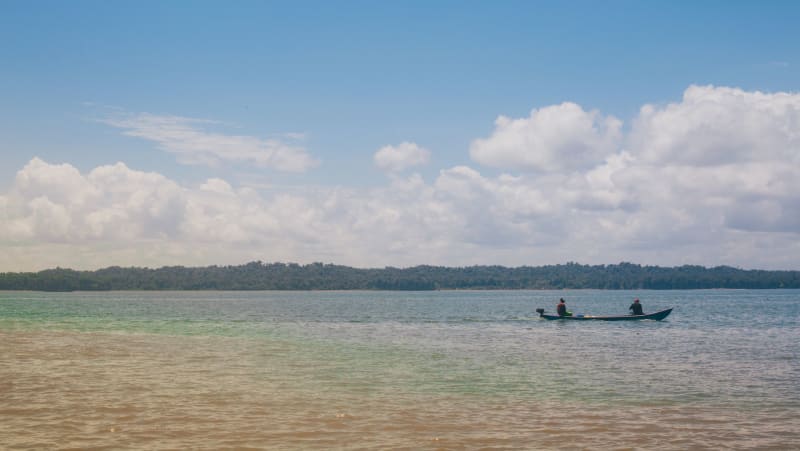 suriname
Brokopondo Reservoir
One of the world's largest man-made lakes, where a flooded forest of dead trees emerges from dark water at low season and Maroon villages dot the shoreline of a landscape that is simultaneously haunting and unexpectedly alive.
Explore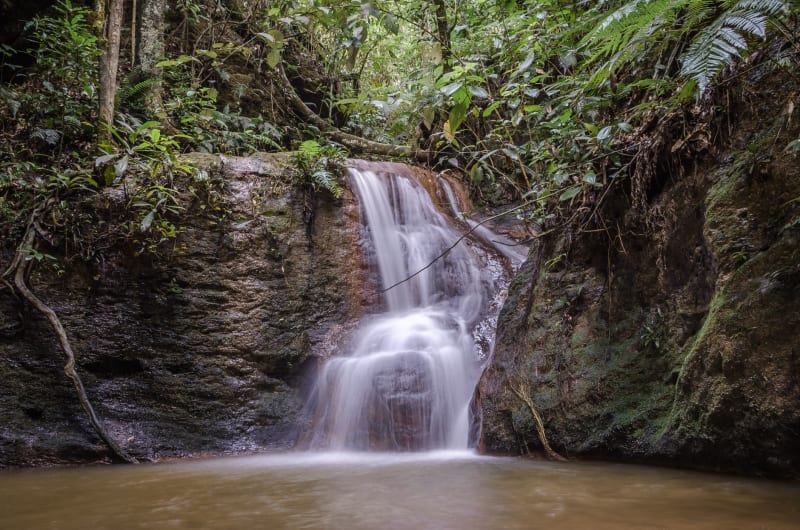 suriname
Brownsberg Nature Park
A highland plateau rising 500 meters above the flooded forest of Brokopondo Reservoir, where the dawn mist sits in the canopy and toucans argue over the fruit trees before breakfast.
Explore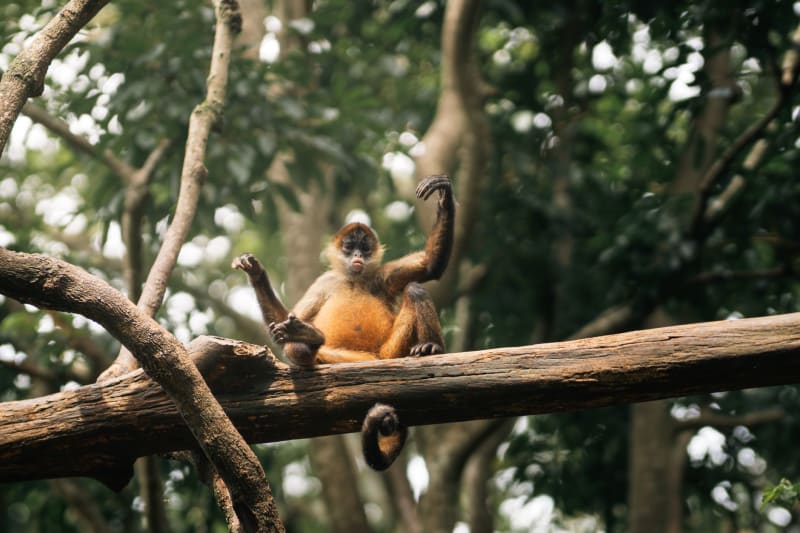 suriname
Central Suriname Nature Reserve
A UNESCO World Heritage wilderness covering nearly 1.6 million hectares of pristine Amazonian rainforest — one of the last places on earth where you can be genuinely beyond the edge of any map that matters.
Explore suriname
Commewijne District
A slow river district east of Paramaribo where plantation ruins and wooden colonial drawbridges sit alongside working spice farms, best explored by bicycle along a road that runs flush with the water.
Explore suriname
Galibi Nature Reserve
A remote Atlantic coastline where leatherback and olive ridley sea turtles haul themselves ashore at night to nest, watched over by Carib Amerindian communities who have guarded this stretch of beach for generations.
Explore