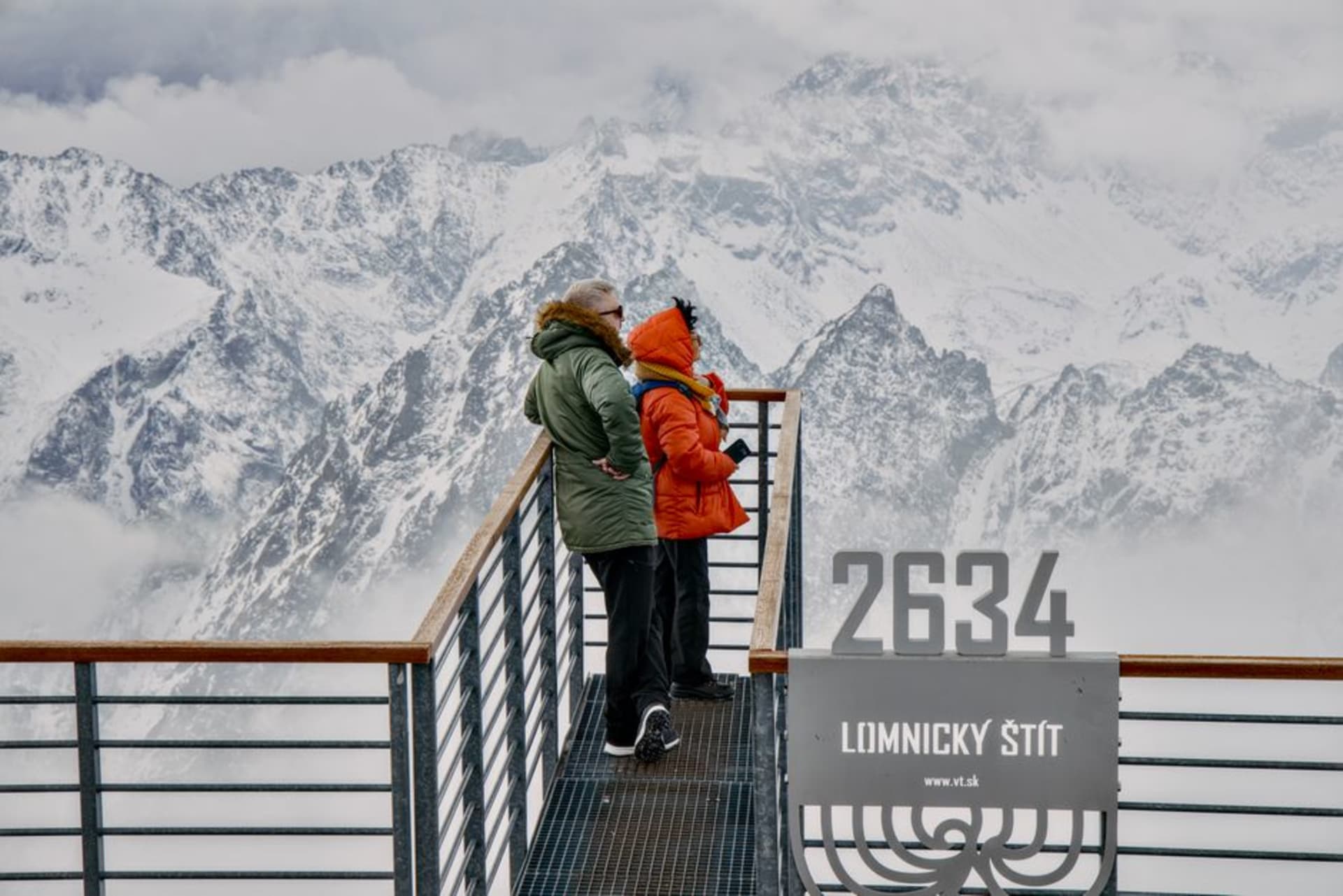
Tatranska Lomnica
"Lia grabbed my arm on the cable car up and said, this is the closest I've felt to the Alps without leaving Slovakia."
A quiet resort village beneath Lomnicky Stit where a century-old funicular hauls you up into thin, sharp mountain air.

We came to Tatranska Lomnica for one reason: to ride the funicular up toward Lomnicky Stit, the second-highest peak in the High Tatras, and it turned out to be one of those rare attractions that’s worth the hype and the wait. The base station sits right at the edge of the village, this odd little cluster of belle-epoque villas and ski-lodge chalets that feels half spa town, half alpine outpost, and we queued for tickets behind a group of Polish hikers comparing gear like it was a competition.
The ride itself happens in stages — a gondola first, then a smaller cable car for the final, steeper stretch — and somewhere around the treeline the forest just stops and you’re staring at bare grey rock and snow patches even in July. I’m not great with exposure, heights make my stomach drop a little, and I spent the last few minutes gripping the rail while Lia had her face pressed against the glass. At the top, the wind was strong enough to push you sideways, and the view stretched out over Poland on one side and the Slovak lowlands on the other, all of it hazy and enormous.

Back down in the village, we spent the rest of the afternoon doing very little, which felt right after that much altitude. There’s a small botanical garden with mountain flora, a few decent cafes, and a strange museum of Tatra nature that neither of us expected to enjoy as much as we did — stuffed lynx and chamois in dioramas, that sort of old-school taxidermy display that’s gone slightly out of fashion but still has a charm to it. We ate goulash with dumplings at a wood-paneled restaurant that could have been unchanged since the Soviet era, and it was exactly what my legs wanted after standing around all day.

What sticks with me is how small the village itself is compared to the mountain looming over it. You could walk the whole center in fifteen minutes, and yet everything about the place is oriented upward, toward that jagged summit, like the village exists mainly as a waiting room for the peak.
When to go: Summer for hiking and clear funicular views; note the top cable car section often closes in high winds or winter storms, so check conditions before you go up.
Keep exploring
More from Slovakia
 slovakia
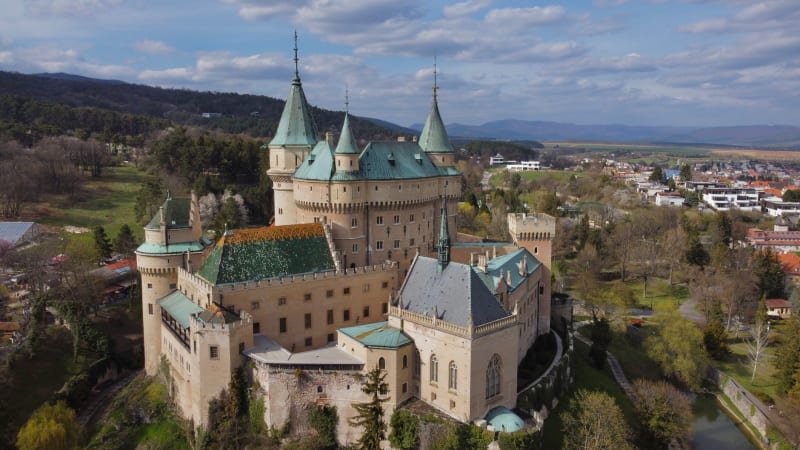
 Trenčín
A Western Slovak city where a Roman legionary inscription carved into living rock two thousand years ago sits at the base of a medieval castle that has watched the Váh valley ever since.
Explore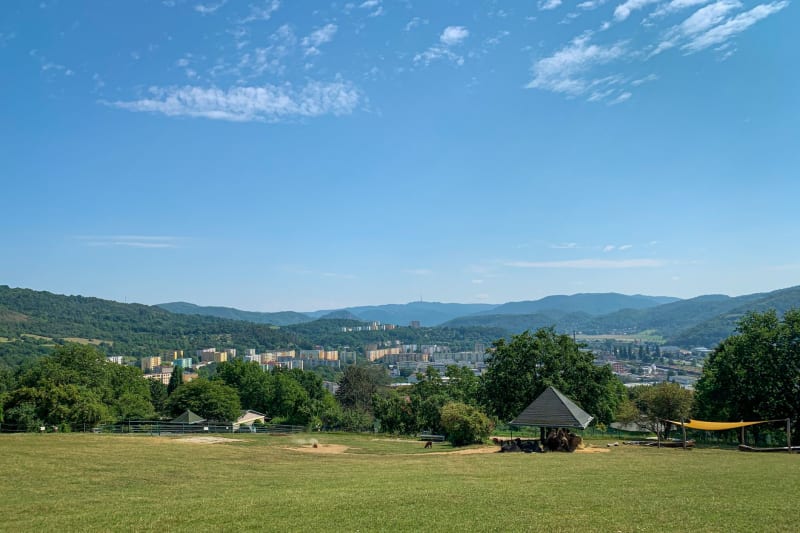 slovakia
 Banská Štiavnica
A UNESCO-listed mining town folded into Slovak hill country, where baroque fountains share streets with rusting ore-cart infrastructure and the whole place smells faintly of iron and history.
Explore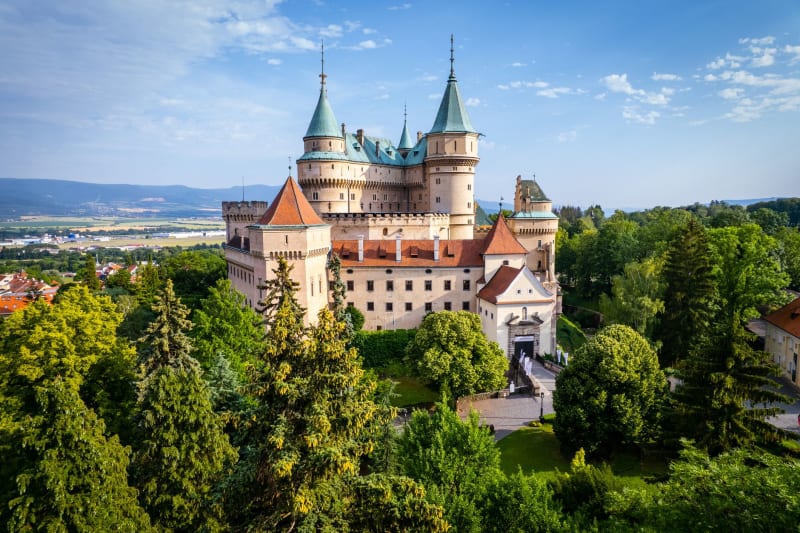 slovakia
 Bojnice Castle
A fairy-tale castle above a spa town that looks like it was constructed specifically for a novel — the romantic excess is absolutely intentional, and that makes it fascinating rather than embarrassing.
Explore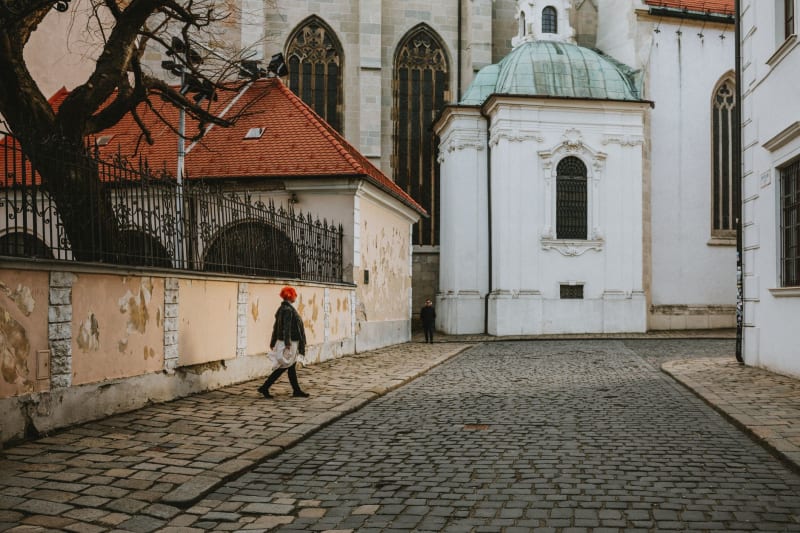 slovakia
 Bratislava
A compact baroque capital that rewards slow walkers — the Old Town fits inside an afternoon but reveals itself only to those who stay past dark.
Explore slovakia
 Cerveny Klastor
A small riverside village named for the red-roofed ruins of a Carthusian monastery, tucked at the mouth of the Dunajec Gorge.
Explore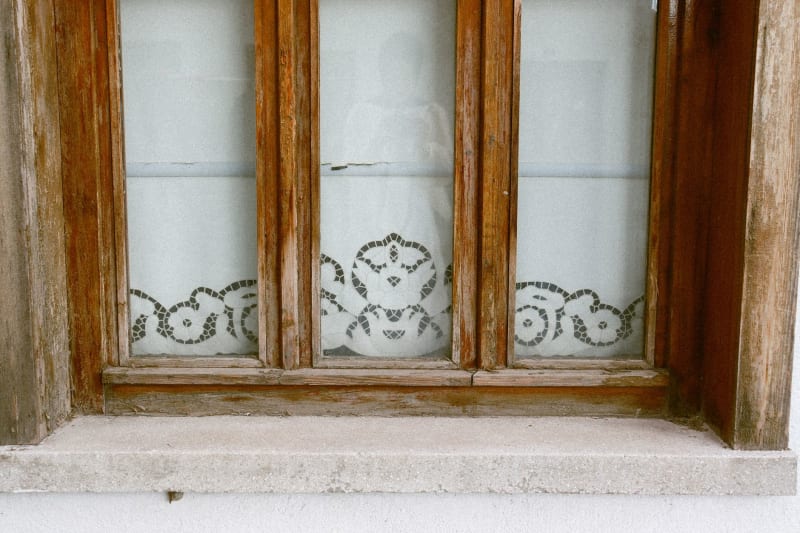 slovakia
 Čičmany
A village where every wooden house is painted with white geometric folk patterns, creating the most visually singular streetscape in Central Europe — and it's still entirely inhabited.
Explore