Fadiouth
"The ground itself is made of shells. You feel it differently under your feet from the first step."
A Serer fishing village built entirely on a mountain of clam shells and connected to the mainland by a creaking wooden footbridge, where Muslims and Christians have been burying their dead in the same cemetery for generations.
You cross into Fadiouth on a footbridge of grey, silvered wood, maybe two hundred meters long, that sways very slightly under a loaded moto and creaks with a sound I found weirdly comforting after a week of paved roads. Below, the lagoon runs brown-green through mangrove roots, oyster shells drying on stakes driven into the mud. On the far side the island itself rises up out of the water — and I mean that literally, because Fadiouth is built on centuries of accumulated clam and oyster shells, the whole settlement standing on a midden that’s grown taller than the surrounding land. The paths crunch. Roosters walk over shell mounds like it’s the most normal ground in the world, because for them it is.
I wandered without much of a plan, which is the correct way to see Fadiouth — it’s small enough that you can’t really get lost, and every alley eventually loops back toward the bridge or the church. The Catholic mission here has deep roots; a soaring modern chapel sits near the island’s edge, its silhouette strange against the shell-white ground. What struck me harder, though, was the cemetery on its own small mound just offshore, connected by a second, shorter bridge — Muslim and Christian graves side by side, unmarked by any separating wall, the kind of arrangement that in most of the world would need an explanation and here apparently never has.
A woman selling grilled fish near the market let me sit at her stall for the better part of an hour, half out of hunger and half because I liked watching the foot traffic — women balancing basins of oysters on their heads, kids racing bicycles over the crushed-shell ground, a man repairing nets with a patience that made my own restlessness feel a bit stupid. Baobabs anchor a few of the open spaces between houses, their roots gripping shell rather than soil.
Fadiouth sits right beside Joal, the larger mainland town and birthplace of Léopold Sédar Senghor, Senegal’s first president and one of the great poets of the francophone world — his childhood house is a short walk from the bridge, if you want to round out the visit with a bit of literary history before heading back toward the coast road.
When to go: Late afternoon, when the light turns gold over the lagoon and the oyster boats are coming back in — and any month works, since this is a coastal day trip rather than a seasonal one.
Keep exploring
More from Senegal
 senegal
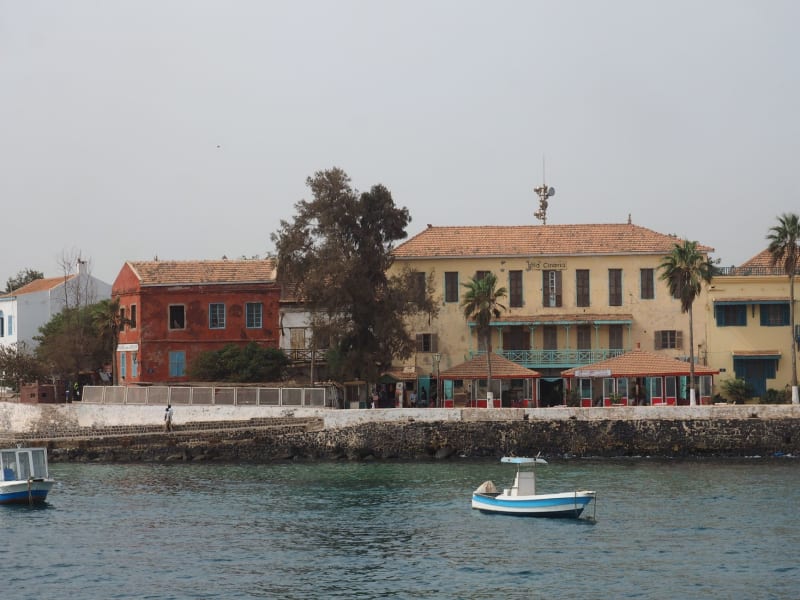
 Île de Gorée
A car-free island of faded pink walls and bougainvillea three kilometers off Dakar where the Atlantic's most difficult history is held inside colonial architecture you could mistake, at first glance, for beautiful.
Explore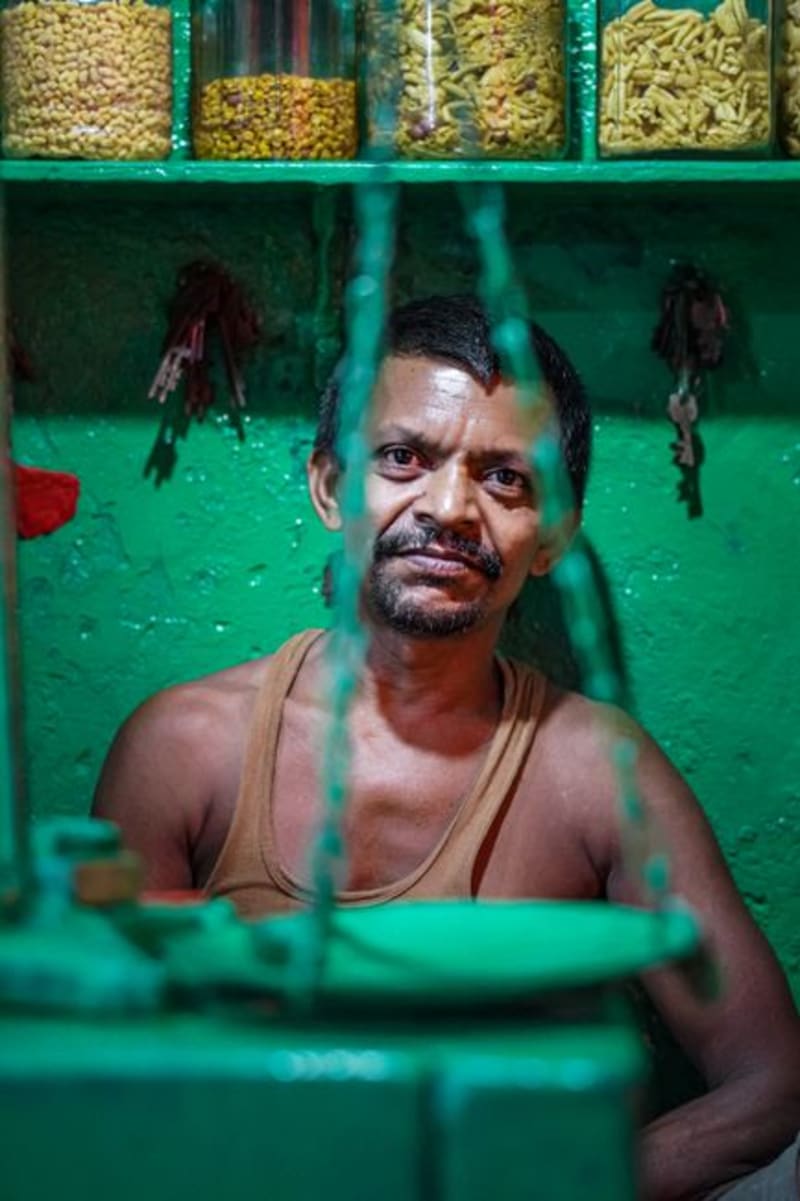 senegal
 Kaolack
The hot, loud capital of Senegal's peanut basin, where mountains of groundnuts pile up beside the railway, salt is harvested from the surrounding flats, and the Medina Baye quarter draws Islamic pilgrims from across West Africa.
Explore senegal
 Kédougou
A riverside town at the edge of Senegal's southeastern forest country where the Sahel gives out, Bassari villages cling to hillsides, and waterfalls drop through ironwood canopy into pools cold enough to reset something in you.
Explore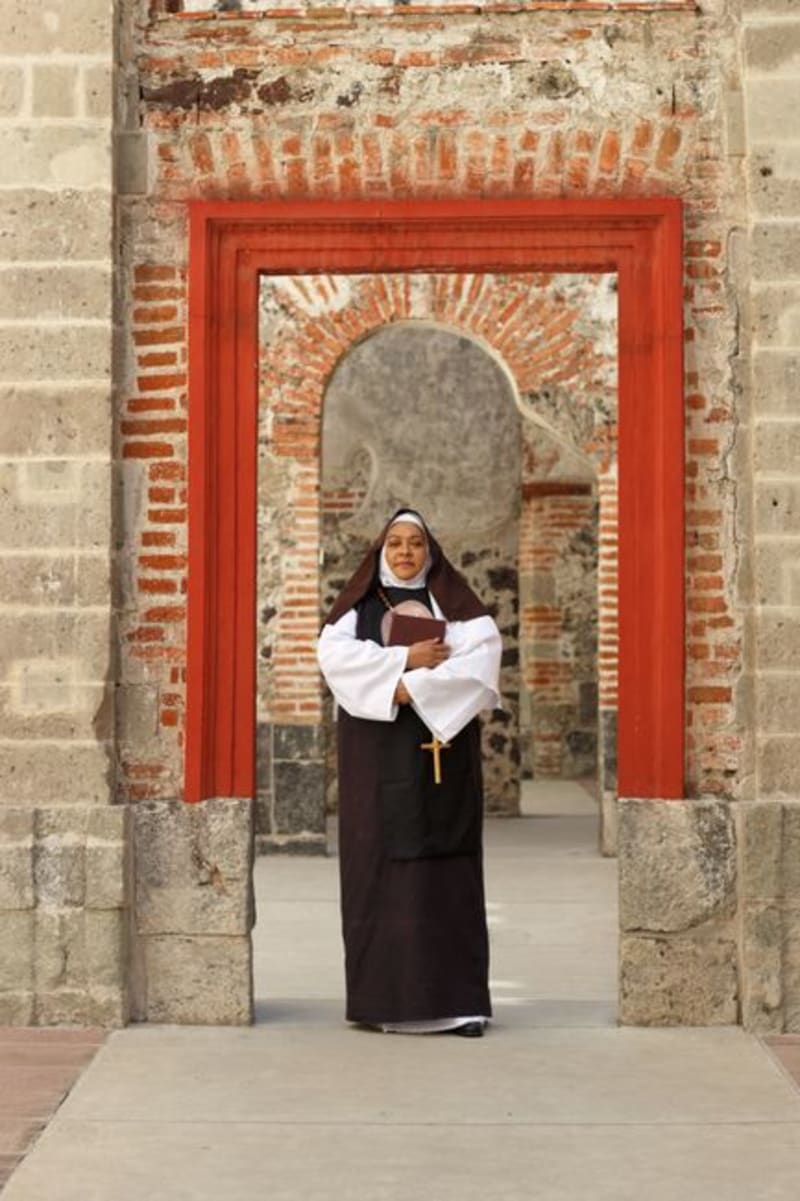 senegal
 Monastère de Keur Moussa
A Benedictine monastery in the forested hills near Thiès where monks accompany the Gregorian mass with kora music of their own invention, blending Catholic liturgy and Mandinka instrumentation into something I've never heard anywhere else.
Explore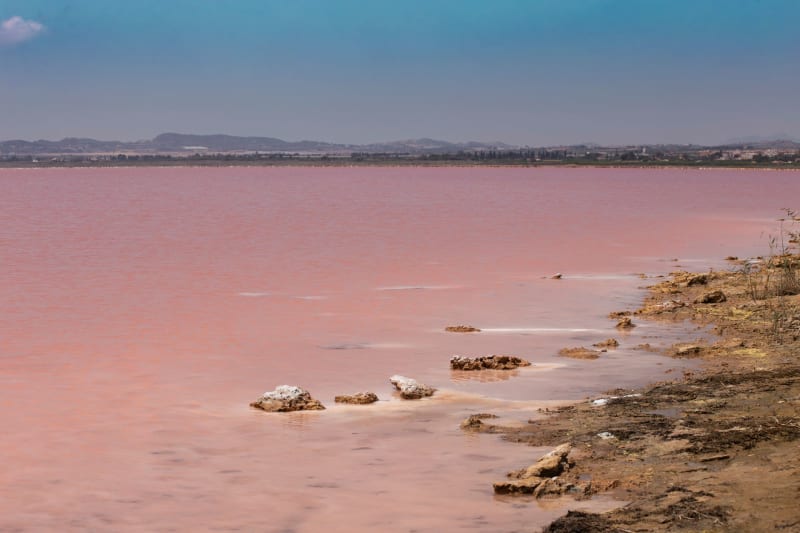 senegal
 Lac Rose
A shallow saltwater lake northeast of Dakar that turns flamingo pink at midday — its color produced by salt-resistant algae, its shoreline worked by men who coat themselves in shea butter and shovel the lake floor for a living.
Explore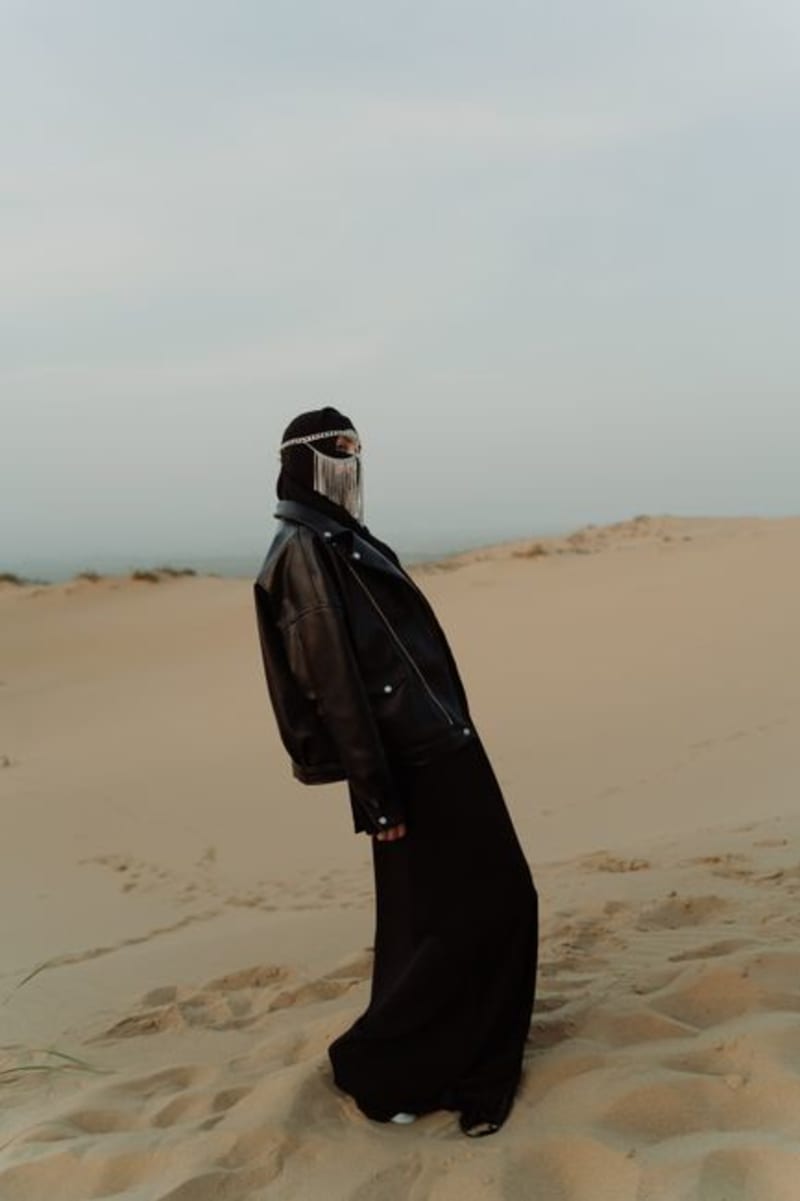 senegal
 Désert de Lompoul
A pocket of orange Saharan dunes stranded improbably in the middle of Senegal's Grande Côte, small enough to walk across in an afternoon and silent enough at night to hear your own blood moving.
Explore