Su Gologone
"The water was so cold it made my ankles ache within thirty seconds. I stood in it anyway, out of principle."
A karst spring near Oliena where blue-green water pours out of the mountain at a steady, ancient rhythm, beside a restaurant that has spent decades perfecting the Barbagia's mountain cooking.
Su Gologone is Sardinia’s largest karst spring, a steady outflow of blue-green water emerging from beneath the Supramonte massif near Oliena, and it has the specific, slightly eerie beauty of water that clearly comes from somewhere far underground and much colder than the air around it. I arrived on a hot June afternoon, sweating from the drive up from Nuoro, and the spring’s basin — a wide, still pool ringed by oleander and reeds — looked genuinely inviting until I actually touched the water and understood why nobody else was swimming in it.
Water With a Memory
The spring’s flow varies dramatically with the season and rainfall further inland, sometimes swelling into a genuine flood after heavy rain in the Supramonte’s karst cave systems, sometimes settling into the placid, glassy pool I found. Local hydrologists have apparently never fully mapped the underground network that feeds it — a labyrinth of sinkholes and caves running back into the mountains, the same limestone plumbing that produces the region’s famous canyons and gorges. Standing at the basin’s edge, watching the water well up from some invisible source with no visible current, felt less like observing a landmark and more like watching a mountain quietly breathe.
The Table That Made It Famous
Beside the spring, the Su Gologone hotel and restaurant has spent over fifty years building a genuine reputation for Barbagia mountain cuisine, and I ate one of the best meals of my entire trip there on a terrace shaded by grapevines: porceddu, Sardinia’s slow-roasted suckling pig, its skin blistered and shatteringly crisp, alongside pane frattau layered with tomato, pecorino, and a poached egg over crisp carasau bread. The chef, I later learned, had spent decades researching and reviving recipes that were disappearing from the region’s oral tradition, treating the kitchen almost as an ethnographic project as much as a business.
The Supramonte, Rising Behind It
The limestone cliffs of the Supramonte rise directly behind the spring and the restaurant, and a short trail leads a little way into the terrain — dry, rocky, thick with holm oak and the occasional grazing sheep, offering a preview of the wilder trekking country further into the massif around Baunei and the Gennargentu. I didn’t go far, more interested that afternoon in a second helping of porceddu than in a serious hike, and I don’t regret the choice.
When to go: Spring gives the fullest, most dramatic spring flow after winter rains. Reserve well ahead for the restaurant regardless of season — it draws diners from across the island, not just passing tourists.
Keep exploring
More from Sardinia
 sardinia
 Su Nuraxi di Barumini
A 3,600-year-old Bronze Age tower fortress in Sardinia's interior — the island's strangest, oldest, and most overlooked monument.
Explore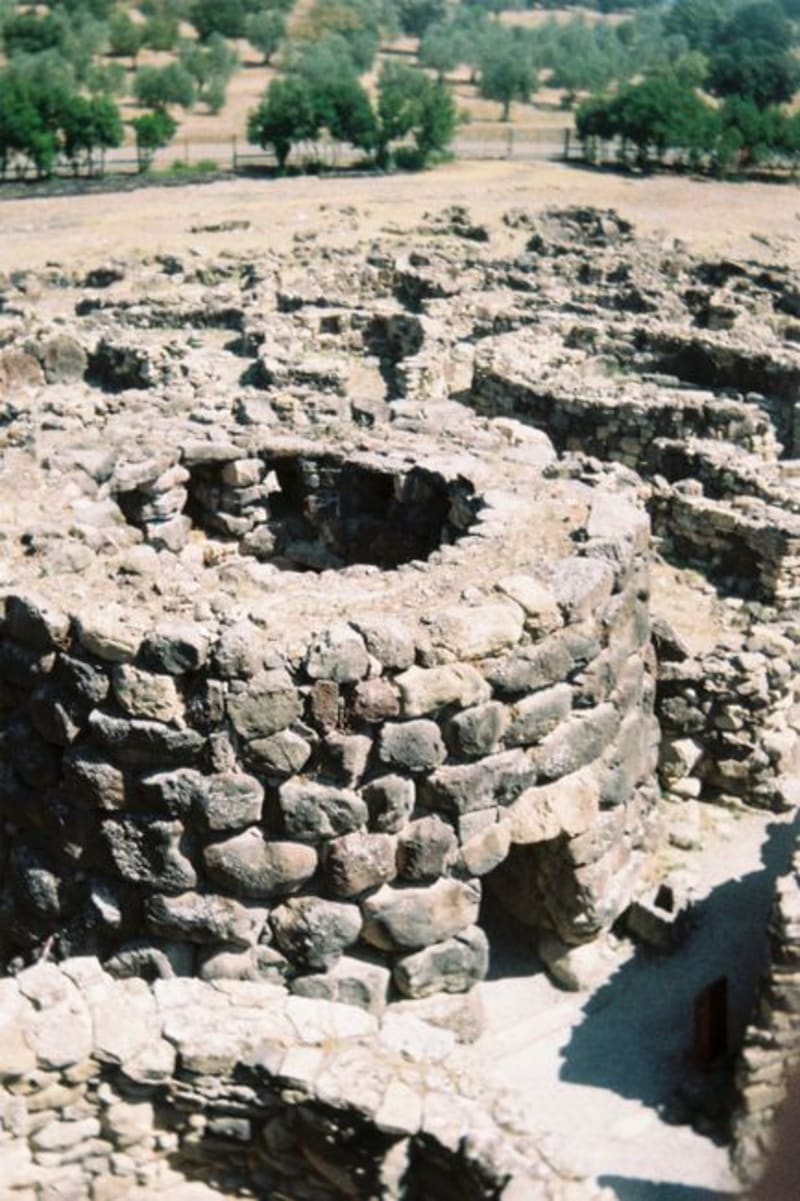 sardinia
 Tharros
A wind-scoured Phoenician-Roman city on the Sinis peninsula where broken columns stand between two seas and the ruins under your feet go back three thousand years.
Explore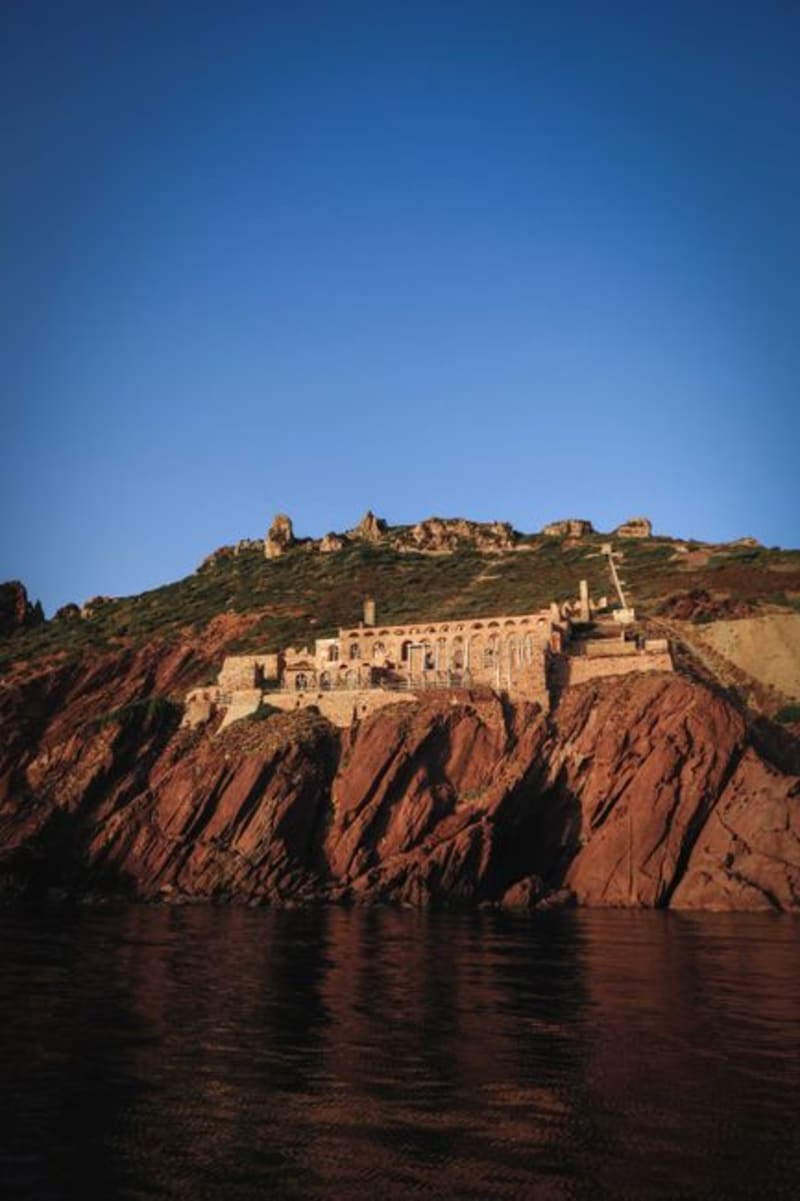 sardinia
 Tortoli
The unassuming provincial capital of Ogliastra, a working town beside a lagoon that most visitors treat as a gateway to somewhere else, and quietly deserves more than a glance.
Explore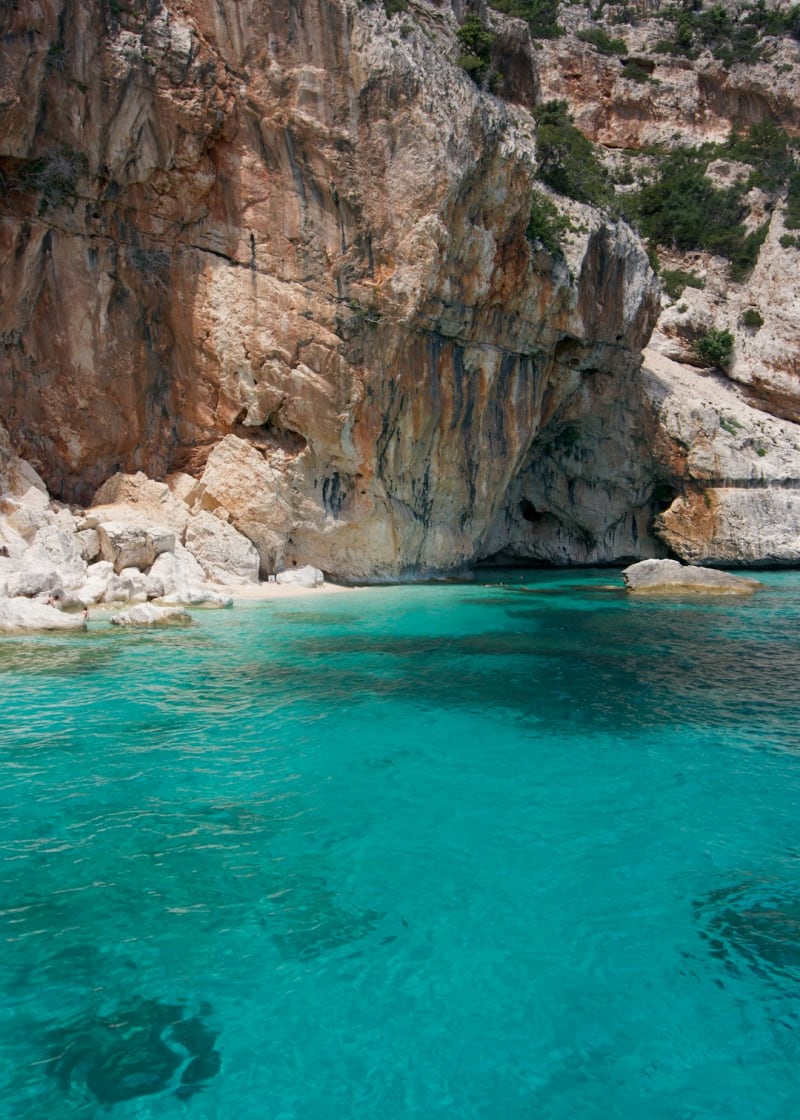 sardinia
 Villasimius
A former tuna-fishing outpost on Sardinia's southeastern tip where the sand is powder-white, the water is improbably turquoise, and flamingos outnumber the umbrellas in the off-season.
Explore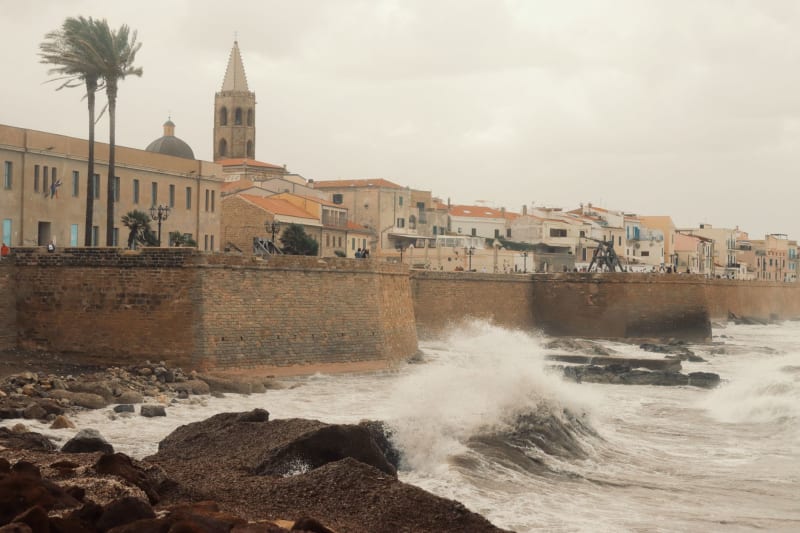 sardinia
 Alghero
A Catalan-speaking walled port on Sardinia's northwest coast where the menus read like Spanish and the ramparts glow amber above one of the clearest seas in the Mediterranean.
Explore sardinia
 Asinara
A former prison island off Sardinia's northwest tip, now a national park roamed by ghostly white donkeys and abandoned cellblocks slowly returning to nature.
Explore