Sardinia's main port city, dismissed by most as a place to fly through on the way to the coast, but holding two thousand years of layered history in a compact, unpretentious center.
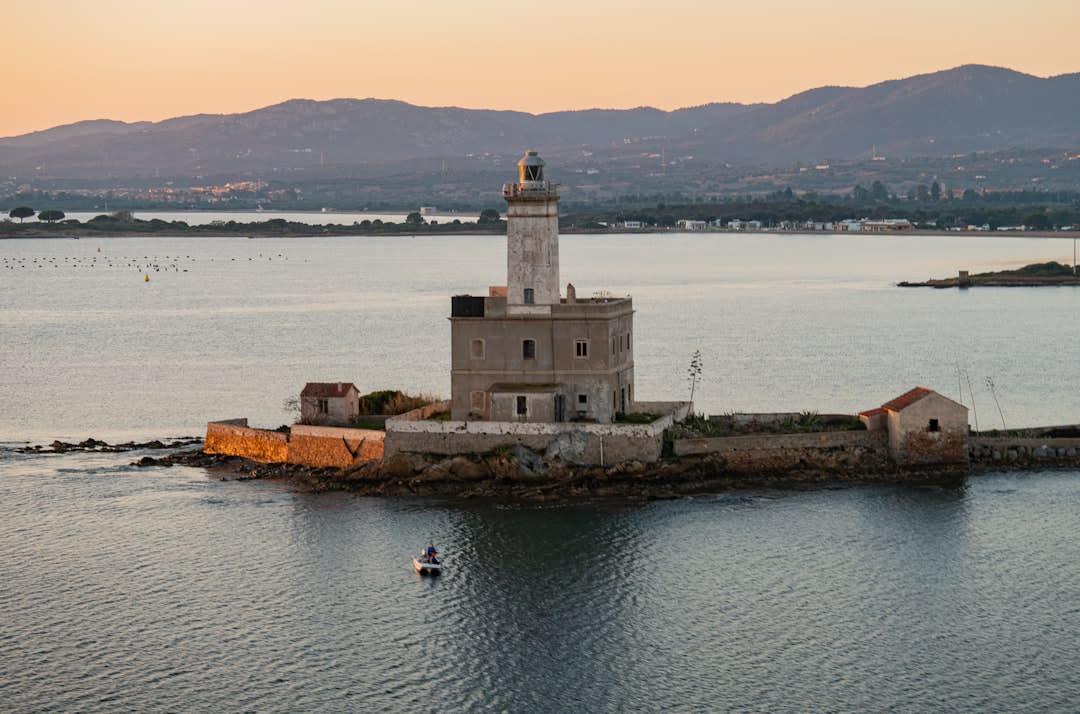
Olbia has an image problem it doesn’t entirely deserve. As Sardinia’s main airport and ferry hub, it’s the first and last place most visitors see, and most of them see it exclusively from a rental car window on the way to somewhere glossier — Costa Smeralda, Palau, La Maddalena. I made the mistake myself on my first trip to Sardinia. On my second, I gave the city an actual afternoon, and found a compact historic center with genuine depth that the airport crowd almost never bothers with.
San Simplicio, Unbothered by Time
The Basilica di San Simplicio, built from pale local granite in the 11th century, sits a few streets back from the harbor in near-total quiet — no queue, no ticket booth, just a Romanesque church built from stones that include reused Roman fragments, some still bearing traces of their original inscriptions. I sat inside for a while in the cool half-dark, the kind of empty, functioning church that’s rare to find in Italy without a gift shop attached, and thought about how strange it is that a building this old, this well-preserved, gets so little attention relative to the ferries idling a few hundred meters away.
Corso Umberto and an Actual Local Evening
Corso Umberto, the pedestrian main street, fills up properly around seven in the evening with a crowd that’s overwhelmingly local — office workers, teenagers on bikes, grandparents walking slowly with grandchildren — a version of the passeggiata that felt refreshingly untouched by the tourist economy thirty minutes up the coast. I had an aperitivo at a bar with a chalkboard wine list and no English menu, and ended up in a genuinely useful conversation with the bartender about which of the smaller beaches south of town were worth the drive.
The Roman Well and What’s Underground
Beneath a modern building near the port, the Pozzo Sacro Sa Testa — actually a short walk outside town, but organized through the same civic museum — and the city’s small archaeological museum on its own artificial island in the harbor trace Olbia’s history back through Roman, Punic, and Nuragic layers, further than its unglamorous reputation would suggest. I left the museum more surprised by Olbia than by almost anywhere else I visited in Sardinia, precisely because I’d arrived expecting nothing.
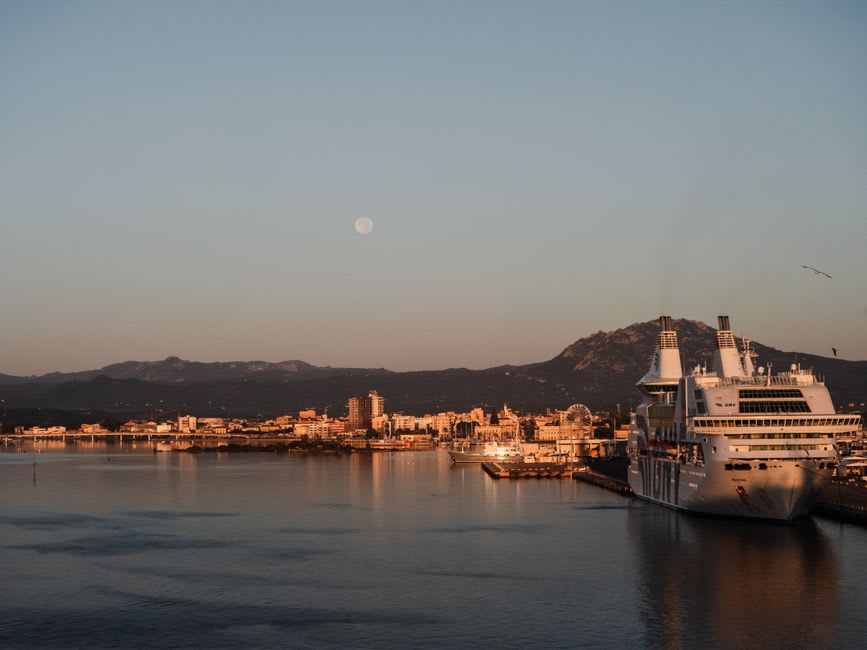
When to go: Any season works for a half-day stopover between flights or ferries, but a weekday evening in shoulder season shows the city at its most genuine, before or after the coastal crowds have passed through.
Keep exploring
More from Sardinia
 sardinia
 Orgosolo
A Barbagia mountain village where every wall is a political mural and the air carries woodsmoke and the smell of aging pecorino.
Explore sardinia
 Oristano
A quiet provincial capital on Sardinia's western coast presiding over lagoons full of flamingos, Phoenician ruins at the sea's edge, and the finest grey mullet roe on the island.
Explore sardinia
 Palau
A working ferry port on Sardinia's northeast coast that doubles as the easiest gateway to the La Maddalena archipelago, with a granite bear keeping watch over the strait.
Explore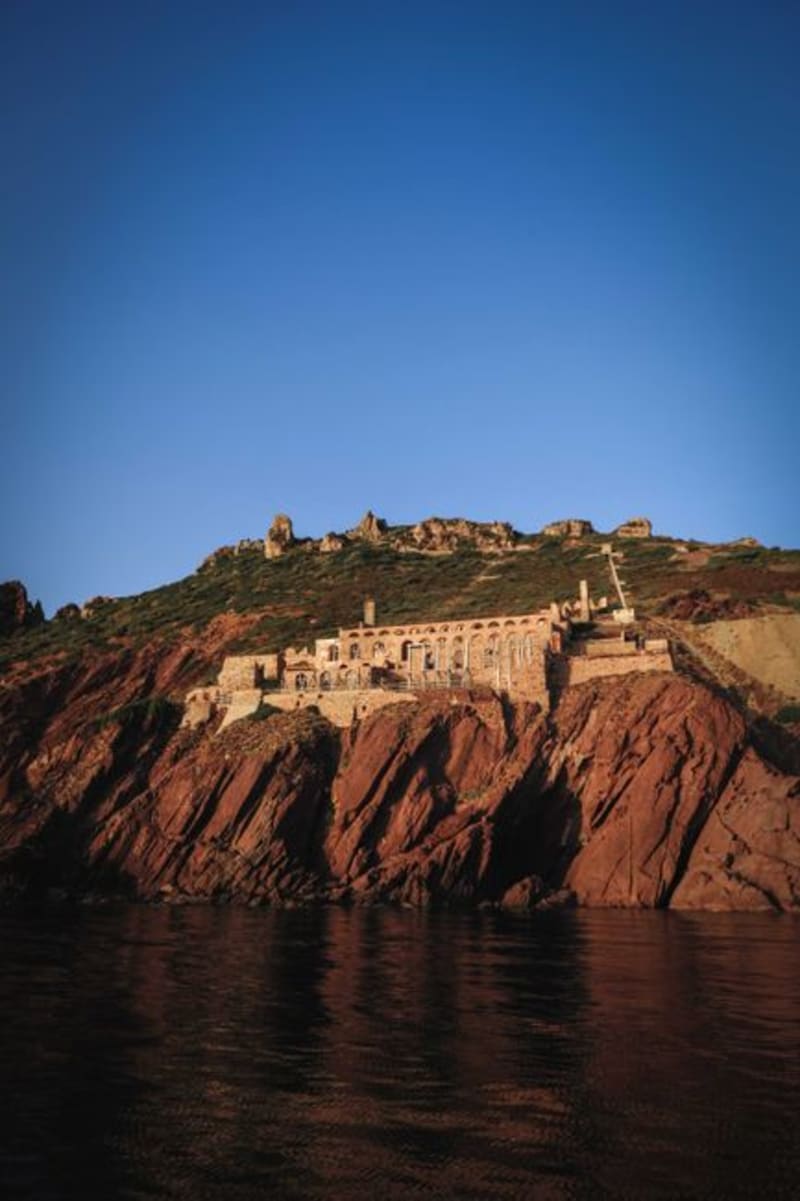 sardinia
 Sant'Antioco
An island connected to Sardinia by a Roman-era causeway, where a Phoenician necropolis sits beneath the town and one of the last people alive still weaves sea silk by hand.
Explore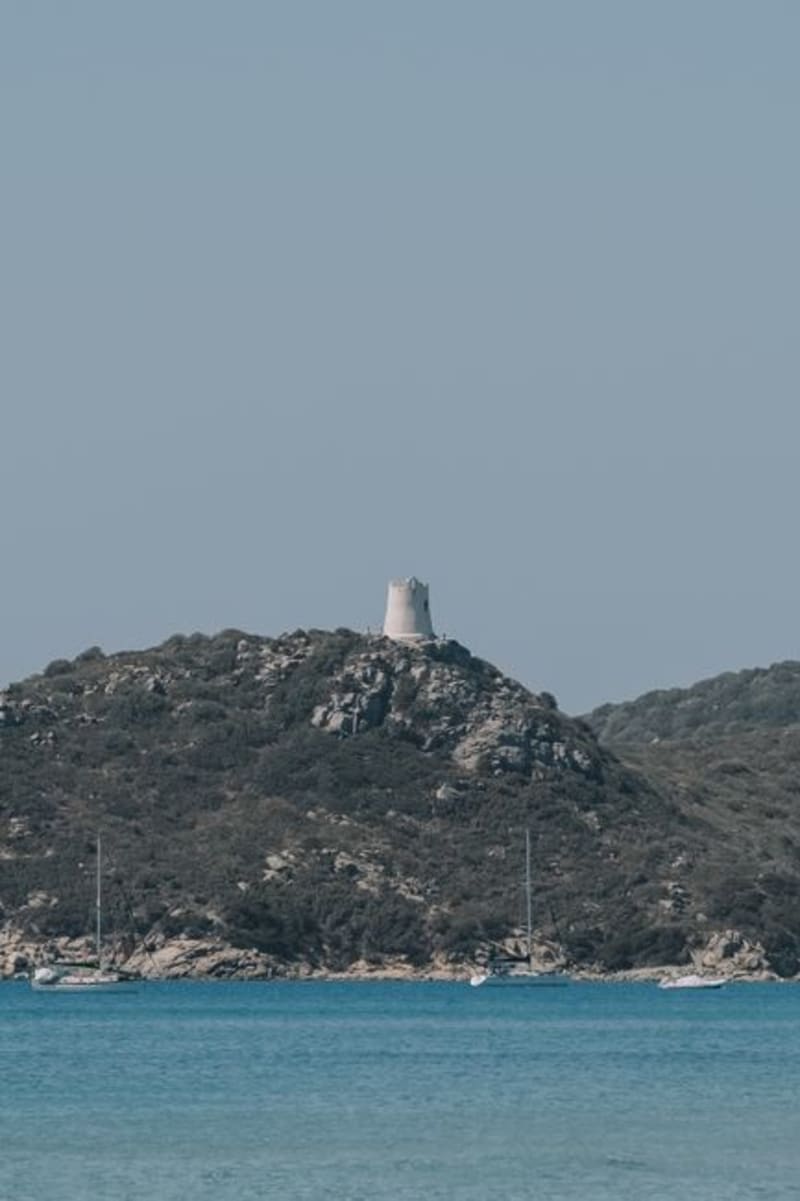 sardinia
 Santa Teresa Gallura
Sardinia's northernmost town, where granite cliffs shaped like folded dough drop into water so clear you can see Corsica on the horizon and the seafloor at the same glance.
Explore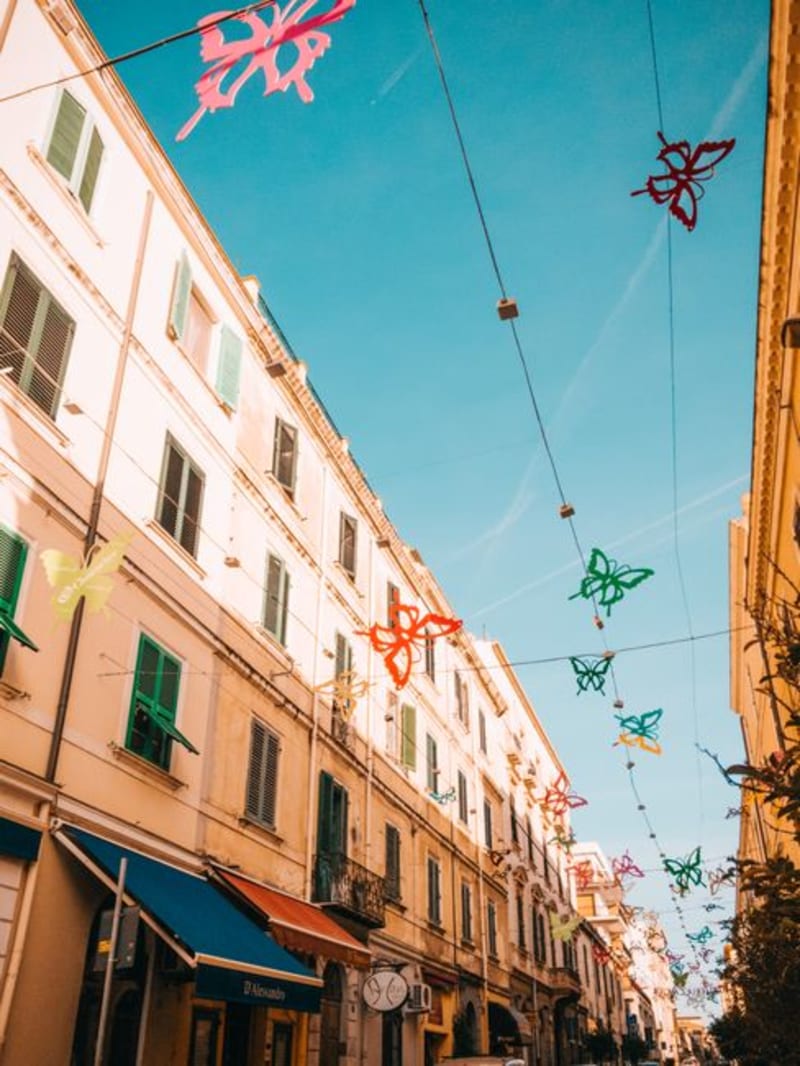 sardinia
 Sassari
Sardinia's second city and its intellectual counterweight to Cagliari, a dense university town of baroque churches and covered markets that most coastal visitors never bother to see.
Explore