Mamoiada
"The mask maker let me hold one and I nearly dropped it. I hadn't expected something so ceremonial to weigh that much."
A Barbagia village whose entire identity centers on the Mamuthones, dark wooden masks and heavy cowbells worn in a carnival ritual whose origins nobody can fully explain.
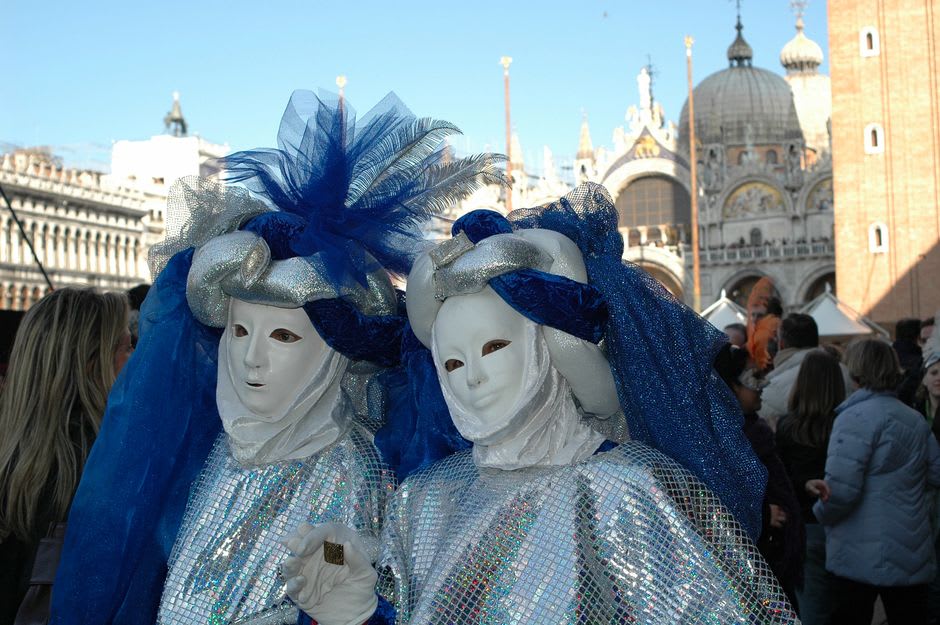
Mamoiada, a small town in the Barbagia region of central Sardinia, is inseparable from a single, strange ritual: the Mamuthones, a procession of masked figures in dark, sheepskin-heavy costume and carved wooden masks, each carrying up to thirty kilograms of bronze cowbells strapped across their backs, who move through the streets each January and during Carnival in a slow, rhythmic, deliberately exhausting dance-walk. Nobody, including the scholars who’ve studied it for decades, agrees on exactly what the ritual originally meant — theories range from pre-Christian fertility rites to symbolic domination of animals — and the town seems entirely comfortable letting the mystery stand.
The Museum of Masks
The Museo delle Maschere Mediterranee, right in the town center, houses Mamoiada’s own Mamuthones masks alongside a genuinely fascinating comparative collection of ritual masks from across the wider Mediterranean, and spending an hour there before seeing any actual costume in person gave me a framework I badly needed. The masks themselves, carved from pear or alder wood by a small number of specialist craftsmen and blackened with soot or paint, have an expression that sits somewhere between mournful and menacing, deliberately impossible to read as either.
Meeting a Mask Maker
I found one of the town’s few remaining traditional mask carvers in a small workshop off the main street, wood shavings covering the floor, and he let me hold a finished Mamuthone mask before I’d even properly introduced myself — heavier than I expected, dense and cold, with an interior worn smooth by generations of use if it was an older piece rather than new. He talked, unprompted, about apprenticing under his own father and about the specific difficulty of getting the eye holes right, since a mask that obscures vision too much becomes genuinely dangerous once its wearer starts moving under thirty kilograms of bells.
The Weight of the Bells
Outside Carnival season, Mamoiada is a quiet farming town of stone houses and vineyards producing some of Sardinia’s best cannonau wine, and I spent an afternoon at a small cantina tasting a version so dense and dark it left a faint purple ring on the glass. But it was the sound that stayed with me longest — a demonstrator at the museum shrugged on a partial bell harness and took a few slow steps, and the low, resonant clash of bronze against bronze filled the entire small courtyard in a way that made the ritual’s original, pre-tourist purpose feel suddenly, physically obvious.
When to go: Late January (Sant’Antonio Abate) and the Carnival period before Lent are when the Mamuthones actually parade — plan specifically around those dates if witnessing the ritual is the goal. Otherwise, any season suits the museum and a cannonau tasting.
Keep exploring
More from Sardinia
 sardinia
 Nora
A Phoenician-Roman city slowly being reclaimed by the sea near Pula, where mosaic floors run right up to the waterline and a Roman theater still faces the water it was built to overlook.
Explore sardinia
 Nuoro
A mountain town beneath Monte Ortobene that produced more of Sardinia's great writers than any other, and still feels more concerned with literature than with tourists.
Explore sardinia
 Ogliastra
Sardinia's most dramatic eastern coast, where the Gennargentu mountains drop straight into the Tyrrhenian and limestone cliffs hide coves reachable only by boat or the kind of trail that tests your commitment.
Explore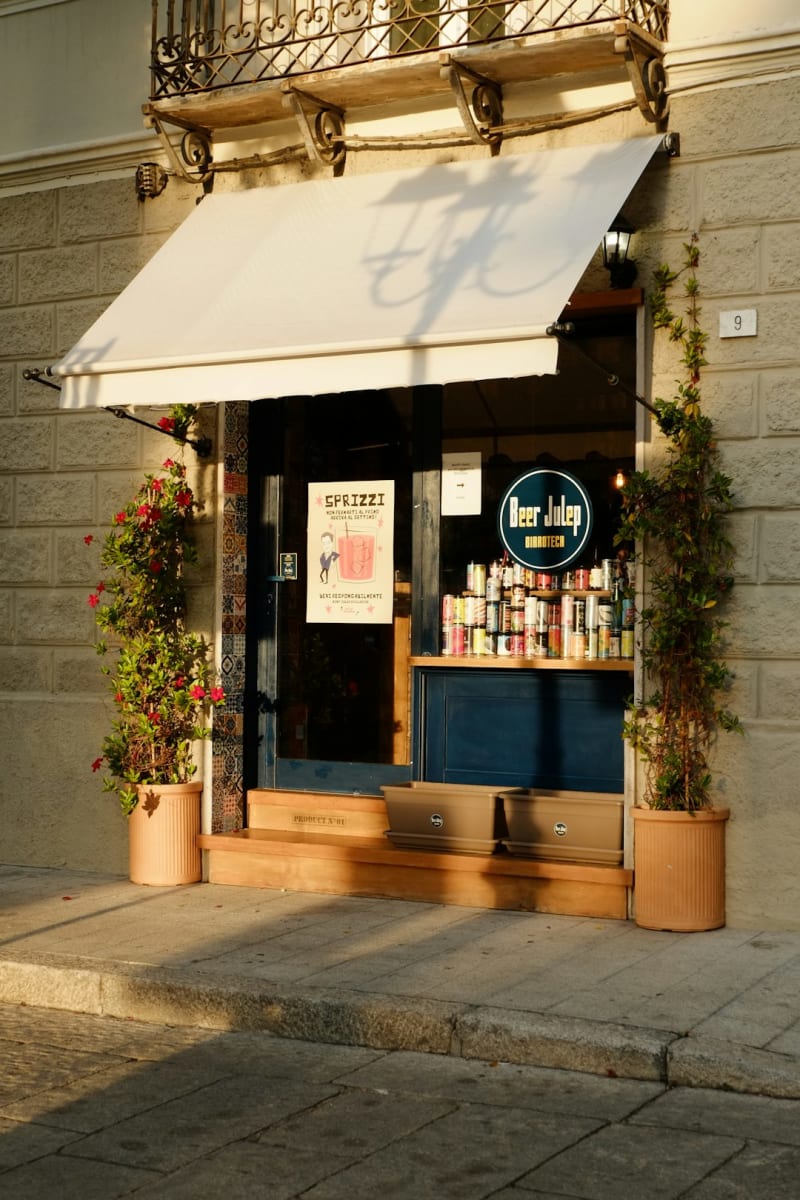 sardinia
 Olbia
Sardinia's main port city, dismissed by most as a place to fly through on the way to the coast, but holding two thousand years of layered history in a compact, unpretentious center.
Explore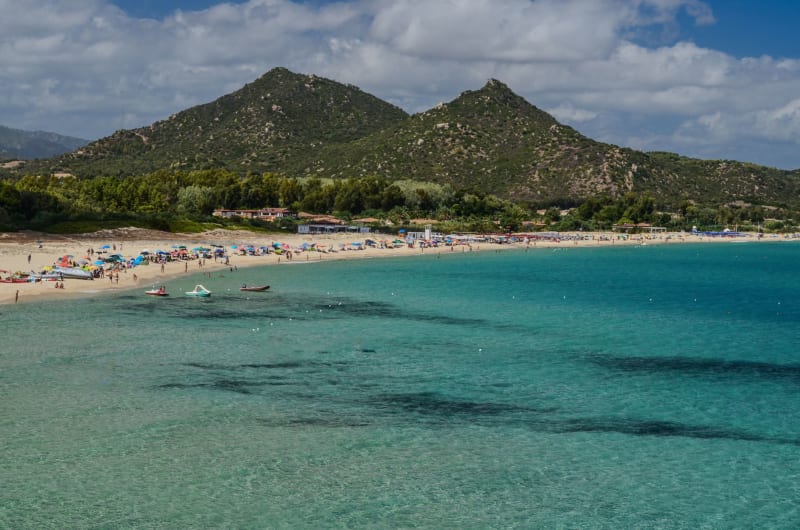 sardinia
 Orgosolo
A Barbagia mountain village where every wall is a political mural and the air carries woodsmoke and the smell of aging pecorino.
Explore sardinia
 Oristano
A quiet provincial capital on Sardinia's western coast presiding over lagoons full of flamingos, Phoenician ruins at the sea's edge, and the finest grey mullet roe on the island.
Explore