Chia
"The wind had rearranged the dune overnight. I found this more interesting than I probably should have."
A stretch of dune-backed beaches on Sardinia's southwest coast where a Spanish watchtower guards sand so fine the wind builds it into small moving hills.
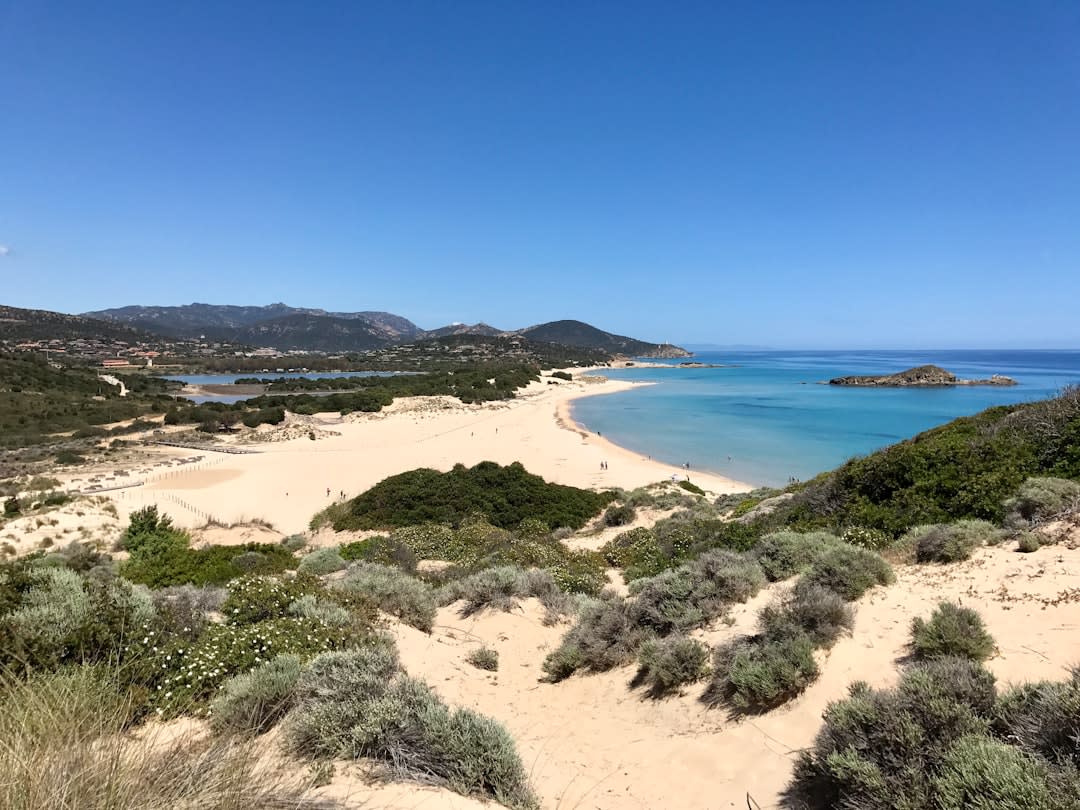
Chia isn’t a town so much as a coastline with a few hotels and a name attached to it, scattered along the southwest tip of Sardinia where the land finally runs out toward Capo Spartivento. I arrived in early October, past the peak crowds, and spent most of my first afternoon just watching the wind move sand across the boardwalk in thin, hissing sheets — the dune system here is alive in a way that’s easy to underestimate until you see it reshape itself between morning and evening.
The Tower and the Lagoon
The Torre di Chia, a 16th-century Spanish watchtower, sits on a rocky spur above the main beach, and climbing up to it in the late afternoon gives you the whole geography at once: the crescent of Su Giudeu beach curving west, the flat mirror of the Chia lagoon behind the dunes, and — if you’re lucky and it’s the right season — a scattering of pink flamingos working the shallow lagoon water with the slow, deliberate patience of creatures that have never once been in a hurry. I stood up there until the light went orange and a fisherman below cast a line into water so still it barely registered the hook.
Wind, Kites, and the Su Giudeu Stretch
Chia has quietly become one of Sardinia’s serious kitesurfing spots, and the Maestrale wind that makes the water occasionally unswimmable for casual visitors is exactly what draws a particular crowd here from April through October. I sat on the sand near Su Giudeu one blustery afternoon and watched a dozen kites cut back and forth across the bay in patterns that looked almost choreographed, while thirty meters away a family had wedged their umbrella at a defiant angle against the same wind and were determined to enjoy their sandwiches regardless. Both approaches to the wind seemed equally valid.
Eating Slowly, Late
Dinner in Chia tends to happen late and outdoors, at simple places built into the pine trees behind the dunes, and I had one of the best plates of spaghetti alle arselle — clams, garlic, a shocking amount of parsley — at a spot with plastic chairs and no sign I could find twice. The owner brought a second helping unasked when she saw my plate empty, which I’ve learned in Sardinia usually means you did something right, even if that something was just showing genuine enthusiasm for shellfish.
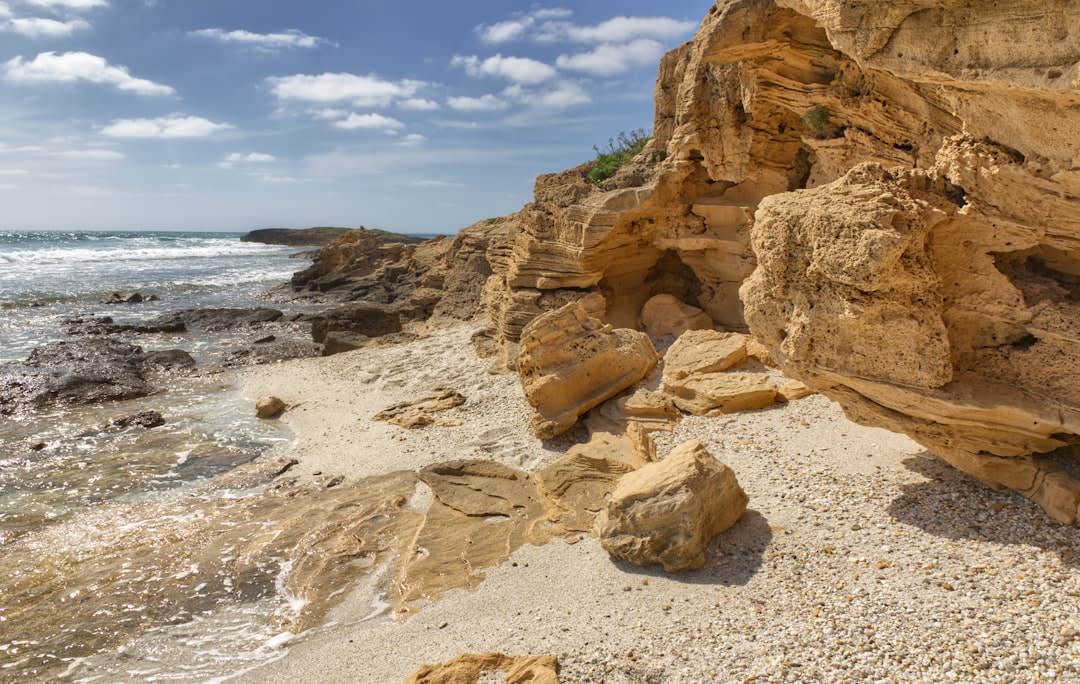
When to go: September and early October give you warm sea, thinner crowds, and dune light that photographs better than August’s flat midday glare. If you’re after wind sports specifically, aim for April through June or September, when the Maestrale is reliable but the beach isn’t overrun.
Keep exploring
More from Sardinia
 sardinia
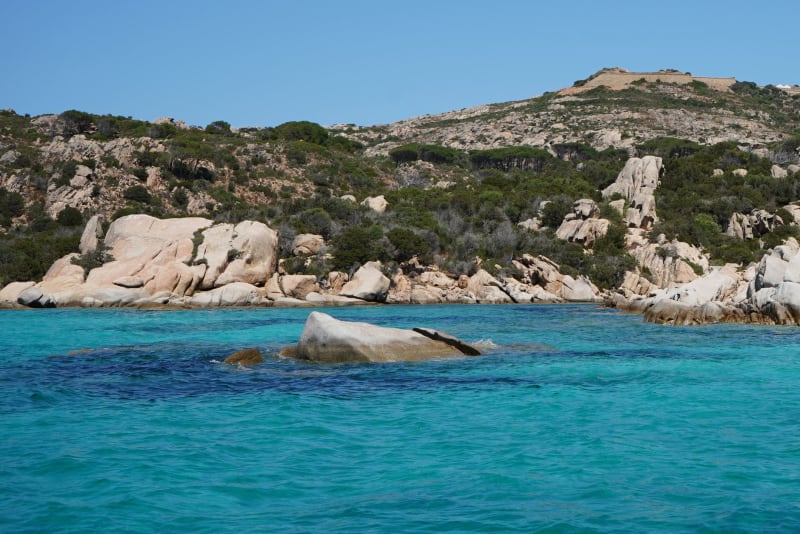
 Costa Smeralda
Forty kilometers of granite coastline where the water turns colors that seem engineered rather than natural, if you can get past the yachts.
Explore sardinia
 Fordongianus
A small inland town built around Roman thermal baths where hot spring water still pours into the river at 54 degrees, exactly where it has for two thousand years.
Explore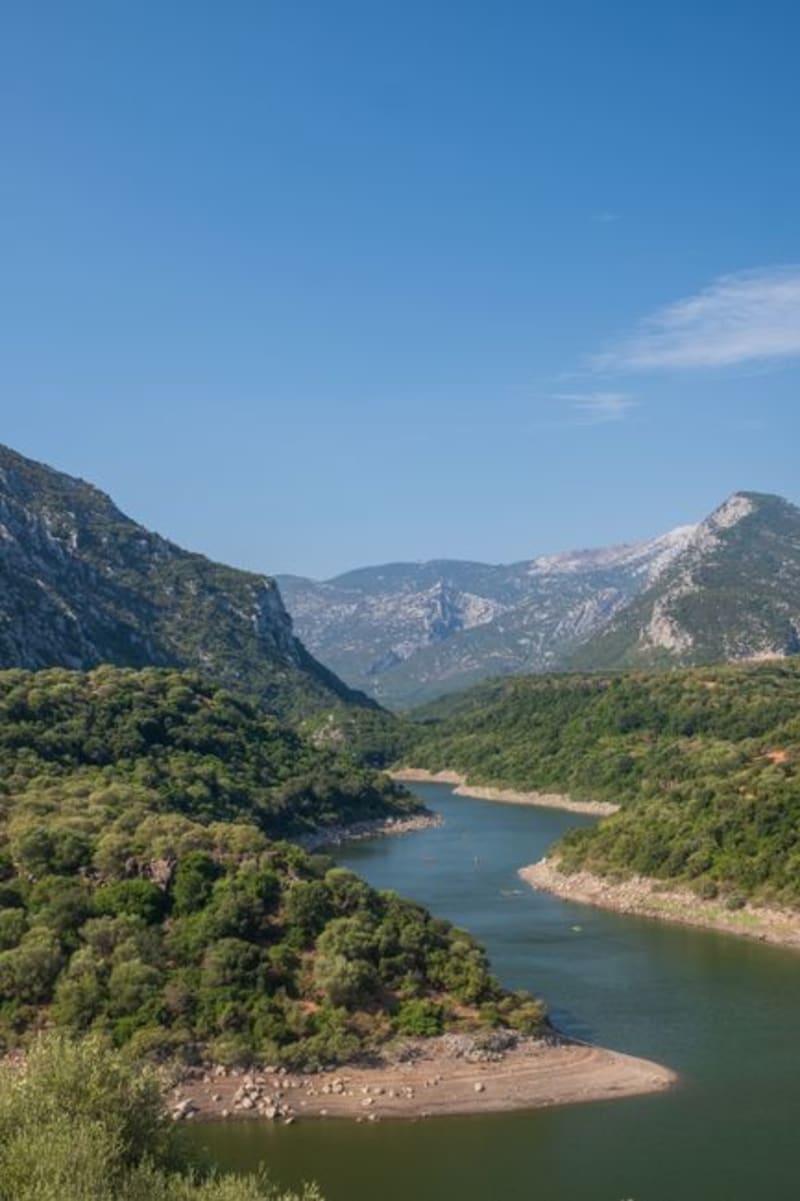 sardinia
 Gennargentu National Park
Sardinia's mountainous heart, where wild horses graze granite ridges above the treeline and shepherds still move flocks the way their families have for centuries.
Explore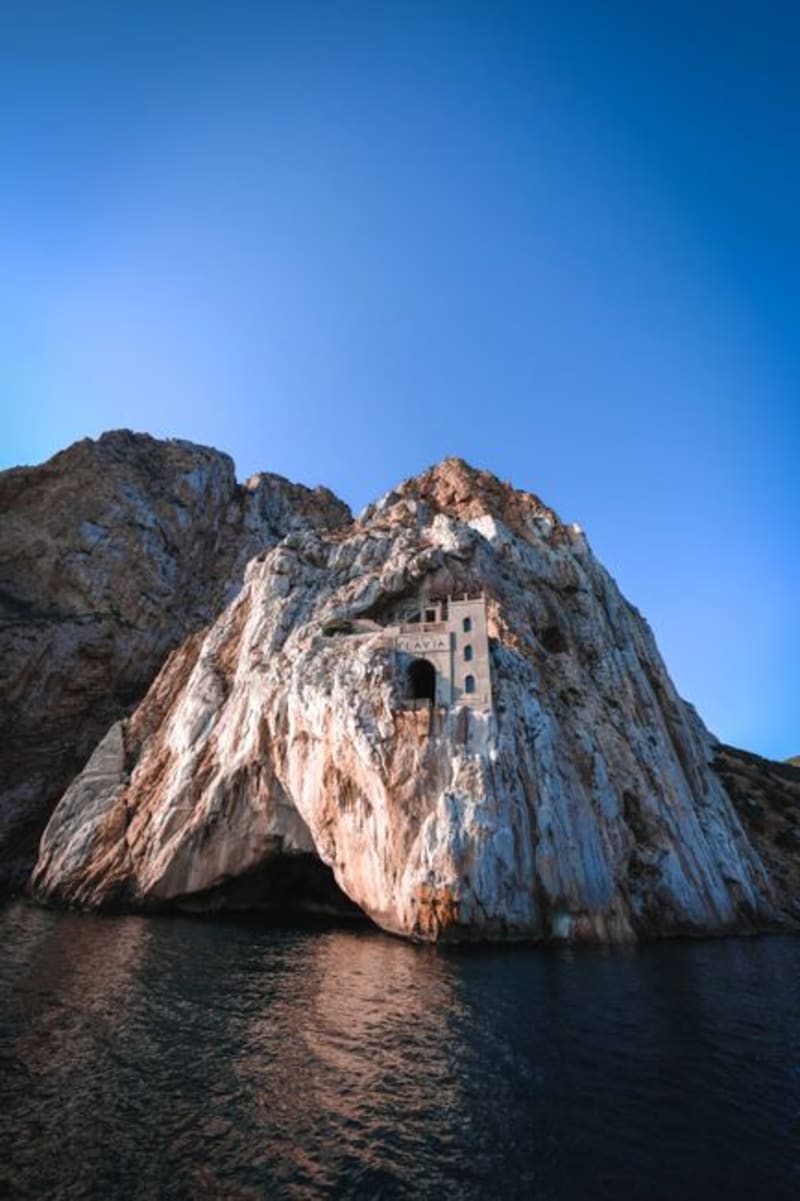 sardinia
 Iglesias
A former mining capital in Sardinia's southwest, where abandoned pit head towers stand over a landscape of lead, zinc, and silver seams that built the town and then quietly left it behind.
Explore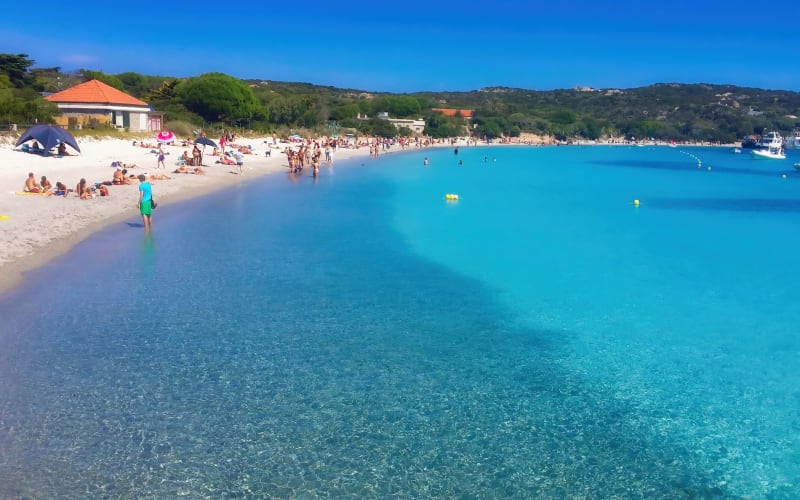 sardinia
 La Maddalena
A pink granite archipelago off Sardinia's northeastern tip where fourteen islands of sculpted rock and improbable water sit inside a national park that Garibaldi once called home.
Explore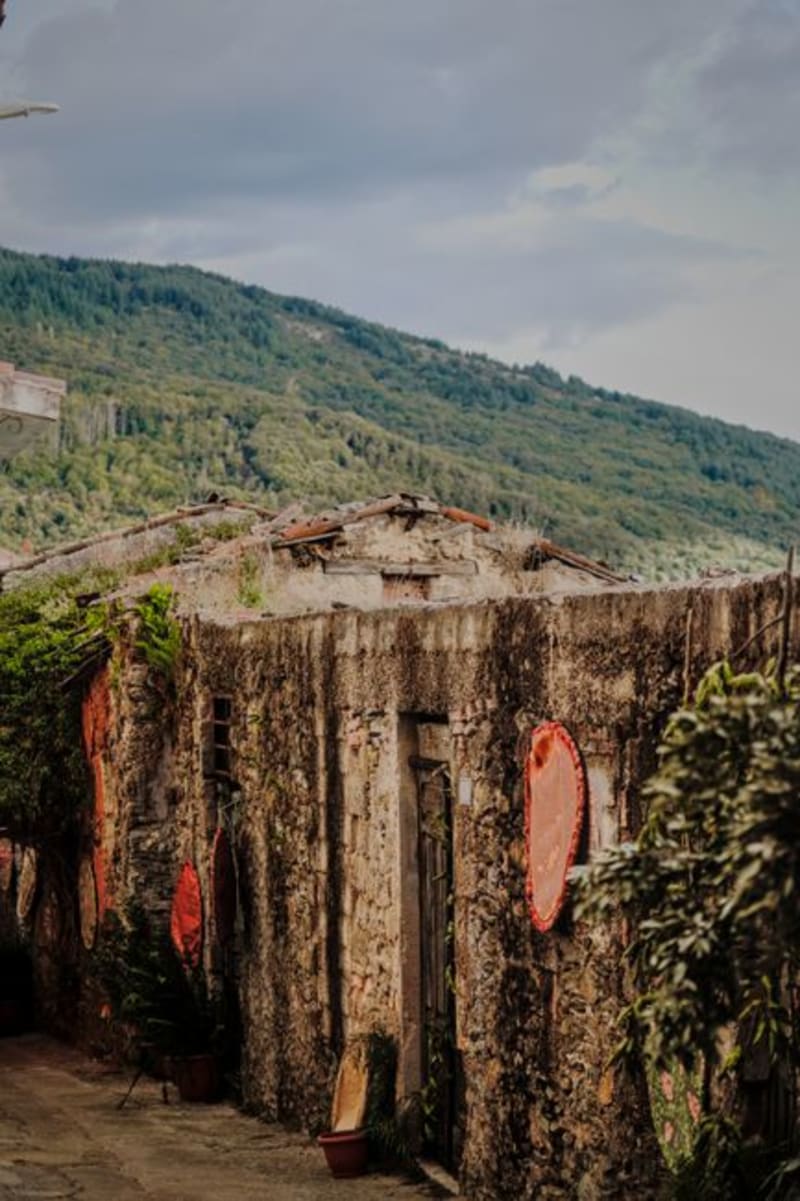 sardinia
 Mamoiada
A Barbagia village whose entire identity centers on the Mamuthones, dark wooden masks and heavy cowbells worn in a carnival ritual whose origins nobody can fully explain.
Explore