Castelsardo
"She didn't look up from the palm fronds in her lap once during the entire conversation. Her hands already knew where they were going."
A fortified hilltop town on Sardinia's north coast where a Doria castle crowns a cluster of pastel houses and the women in the doorways still weave baskets from dwarf palm the way their grandmothers did.
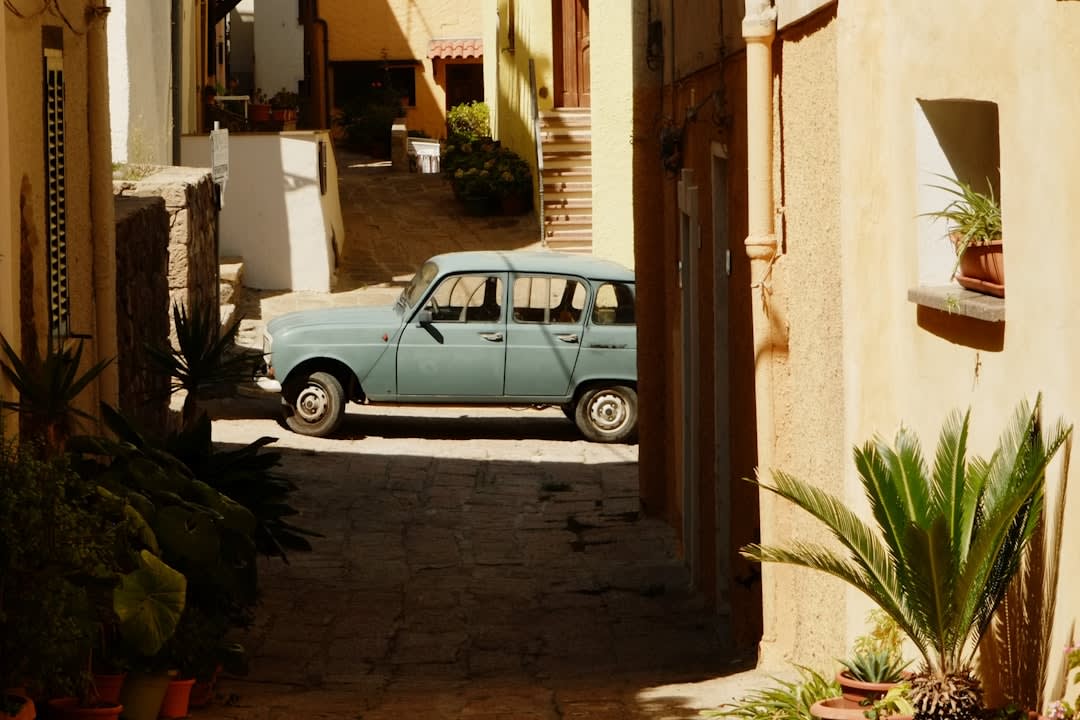
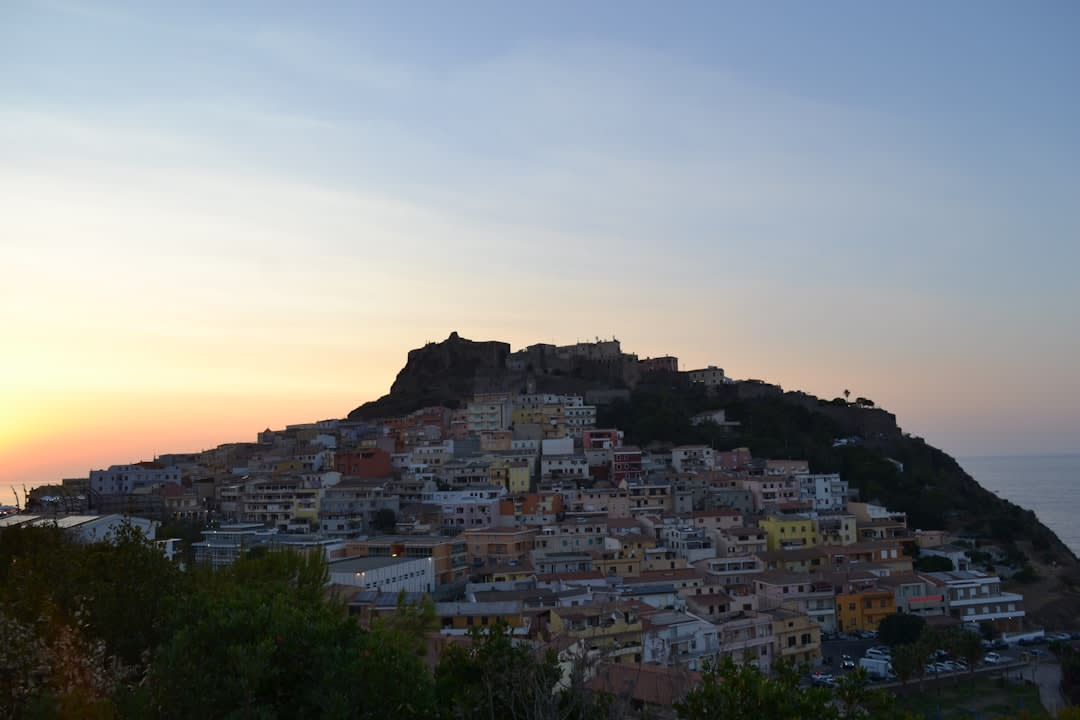
Castelsardo announces itself from a considerable distance — a cone of a hill on Sardinia’s north coast crowned by a castle, with houses in ochre and rose and faded yellow spilling down its flanks toward the sea. The Genoese Doria family built the fortress in the 12th century, and the town that grew up clinging to the rock beneath it has spent the centuries since being passed between Genoese, Aragonese, and Savoyard hands, absorbing a little from each without losing its essential shape: steep, defensible, built to be seen from ships before it could be reached by them.
The Weavers of Via Sedazzari
Walking the narrow lanes below the castle, I kept passing open doorways where women sat working dwarf palm fronds into baskets, trays, and the wide flat fresa used for sifting grain — a craft specific to Castelsardo that’s been handed down through generations of the town’s cestinaie. One woman, maybe seventy, let me watch for a while without breaking her rhythm, her fingers moving through a pattern she clearly hadn’t needed to think about in decades. The finished pieces, dyed with natural pigments in deep reds and blacks, hang in shop windows throughout the old town, and I bought a small one I still don’t quite know what to do with, bought purely because watching it made felt like witnessing something that deserved a transaction.
The Castle and the View
The Castello dei Doria, now home to a museum of Mediterranean basket-weaving traditions, sits at the very top, and the terrace outside it delivers one of the best panoramas on Sardinia’s northern coast — the Asinara Gulf curving away to the west, the profile of Corsica visible on a clear day to the north, fishing boats working the water directly below the cliff. I stayed up there through sunset, watching the town’s lights come on tier by tier beneath me like something choreographed.
The Elephant and the Cathedral
A short drive west, the Roccia dell’Elefante — a sandstone boulder eroded into a genuinely convincing elephant’s head, complete with prehistoric Domus de Janas tombs carved into its base — makes for an odd, worthwhile detour. Back in town, the Cattedrale di Sant’Antonio Abate sits right at the water’s edge with a colorful majolica-tiled dome, and I ate dinner at a terrace nearby with grilled anchovies and a view of the cathedral lit up gold against the dark sea.
When to go: May, June, and September give warm days without the peak-season parking crush in the old town’s tight lanes. Come at golden hour for the castle terrace regardless of season — it’s the town’s single best hour.
Keep exploring
More from Sardinia
 sardinia
 Chia
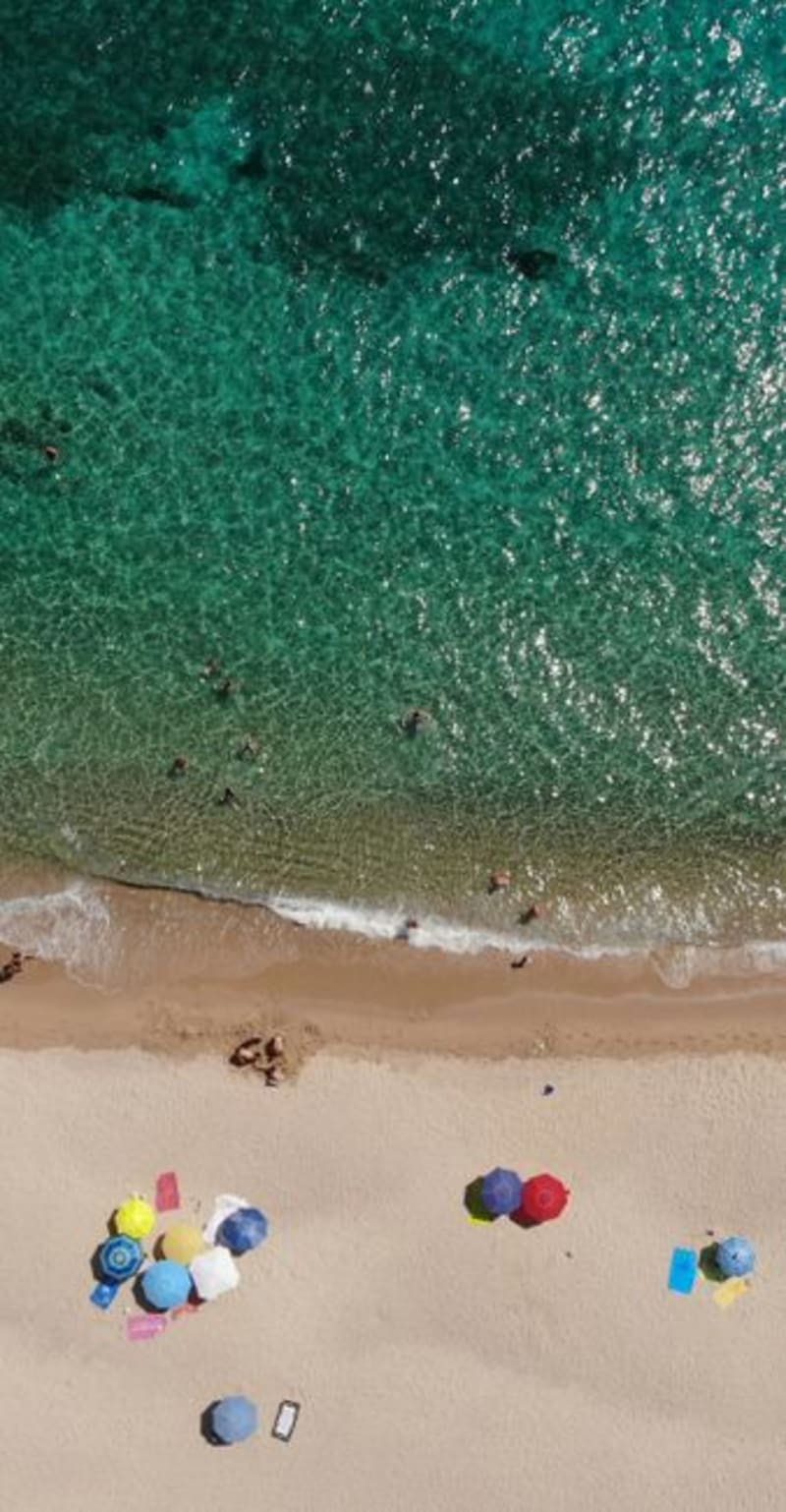
A stretch of dune-backed beaches on Sardinia's southwest coast where a Spanish watchtower guards sand so fine the wind builds it into small moving hills.
Explore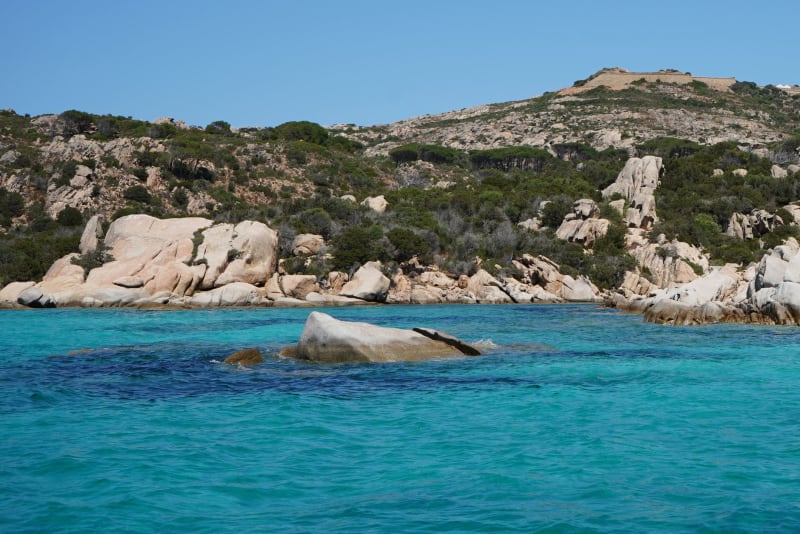 sardinia
 Costa Smeralda
Forty kilometers of granite coastline where the water turns colors that seem engineered rather than natural, if you can get past the yachts.
Explore sardinia
 Fordongianus
A small inland town built around Roman thermal baths where hot spring water still pours into the river at 54 degrees, exactly where it has for two thousand years.
Explore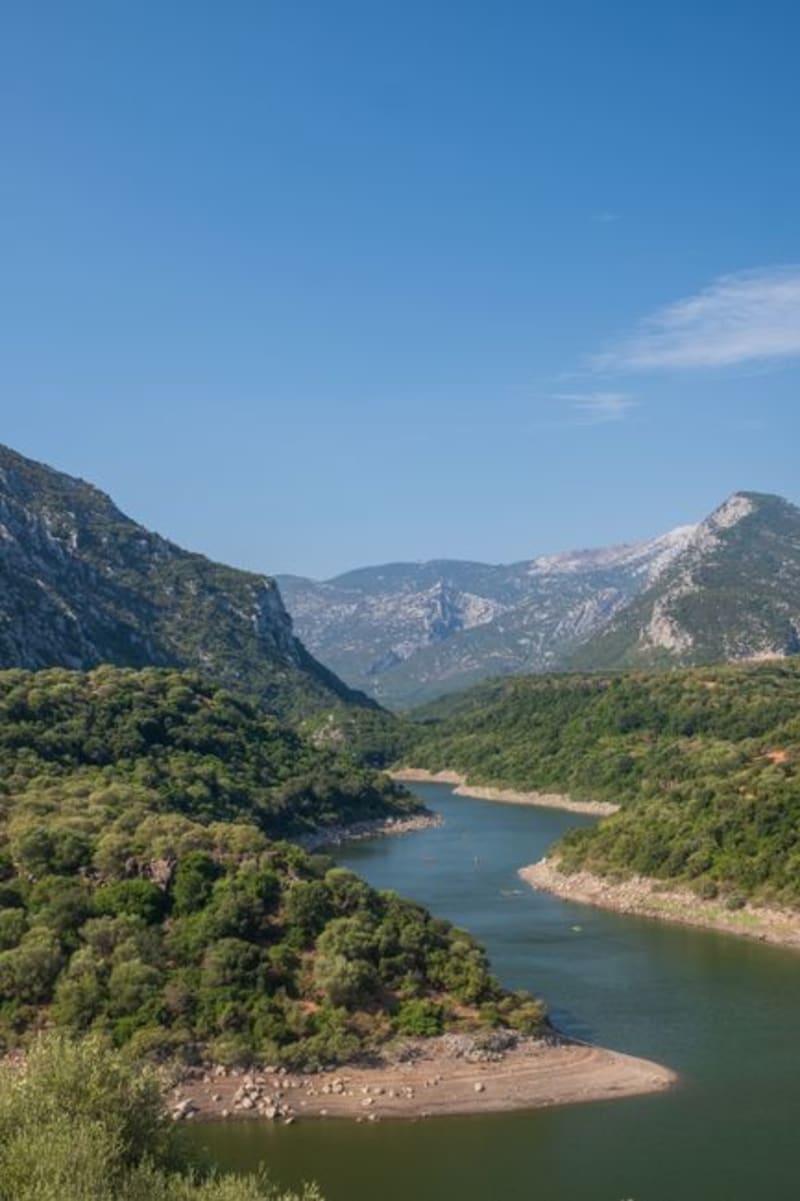 sardinia
 Gennargentu National Park
Sardinia's mountainous heart, where wild horses graze granite ridges above the treeline and shepherds still move flocks the way their families have for centuries.
Explore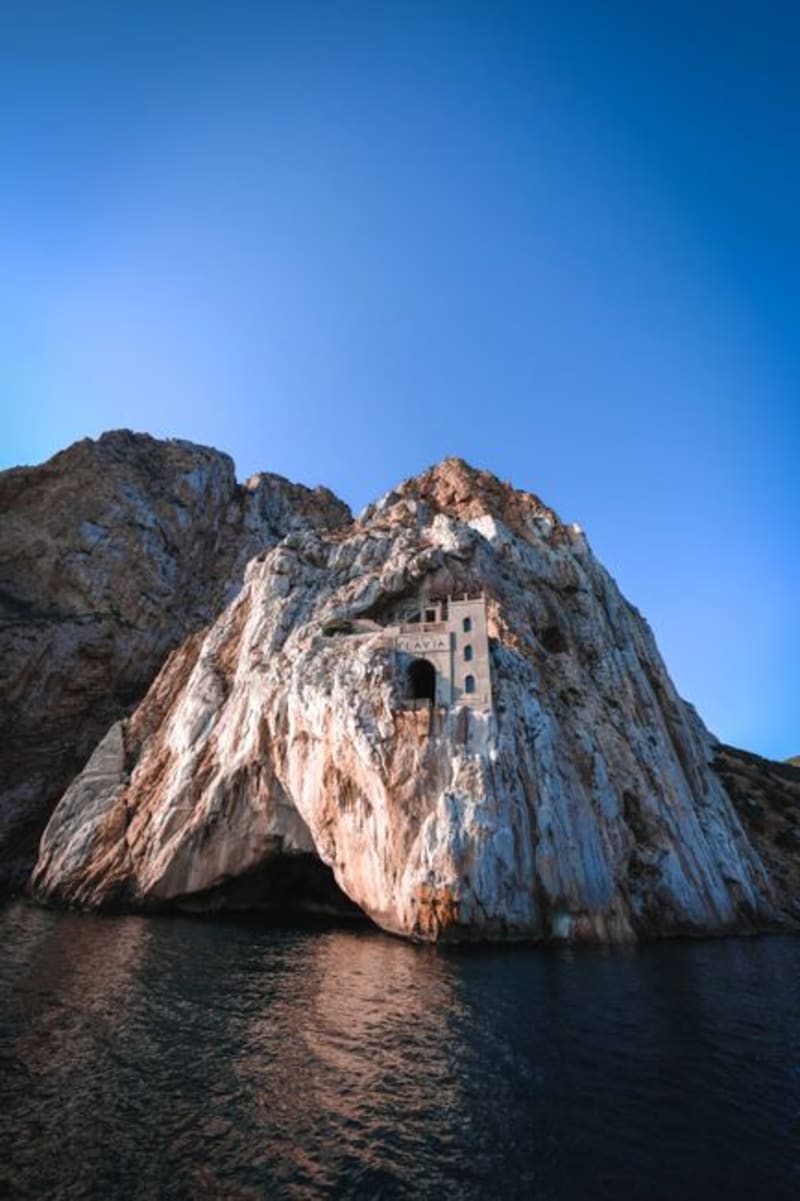 sardinia
 Iglesias
A former mining capital in Sardinia's southwest, where abandoned pit head towers stand over a landscape of lead, zinc, and silver seams that built the town and then quietly left it behind.
Explore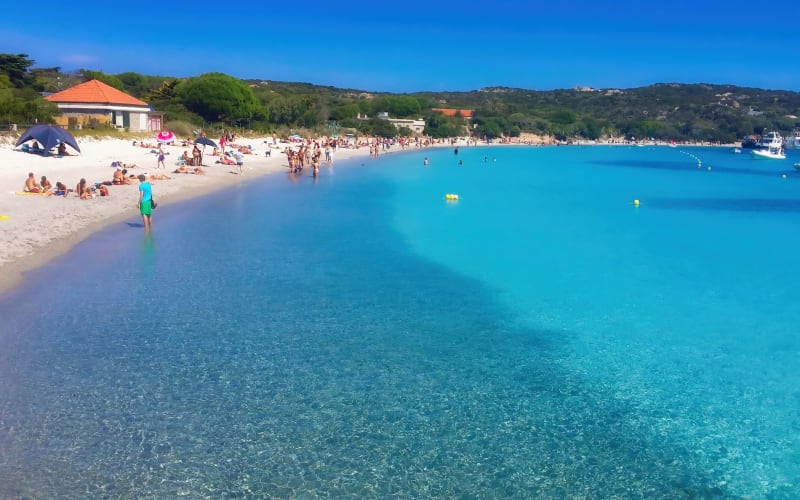 sardinia
 La Maddalena
A pink granite archipelago off Sardinia's northeastern tip where fourteen islands of sculpted rock and improbable water sit inside a national park that Garibaldi once called home.
Explore