Baunei
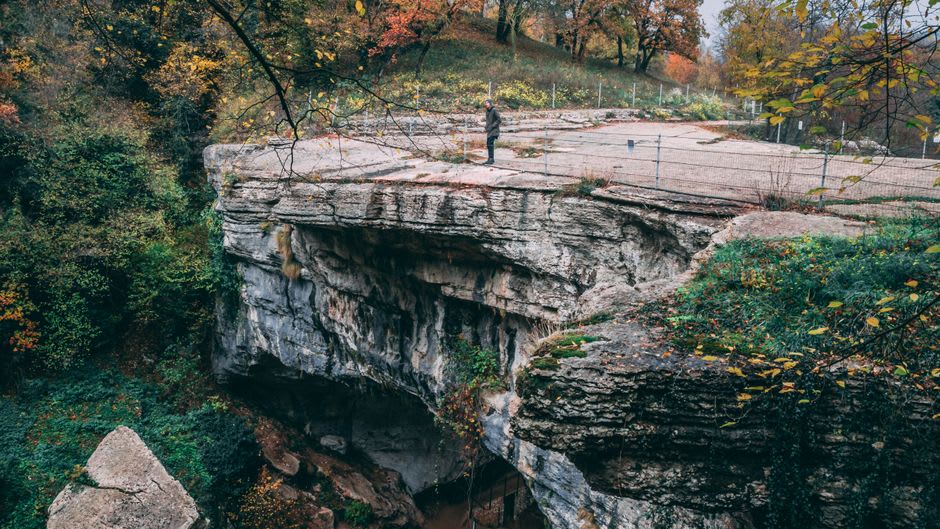
"The shepherd at the sinkhole's edge told me a caver had gone down eight days straight and still hadn't reached the bottom. I decided the view from up top was sufficient."
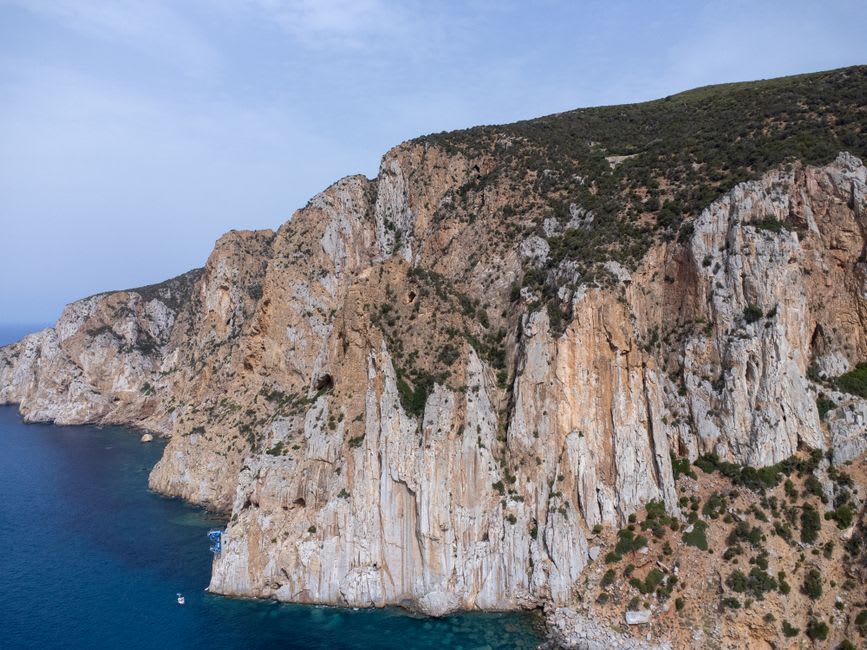
A clifftop town perched above the Golfo di Orosei, gateway to the Golgo plateau's sinkholes and the legendary Selvaggio Blu trek along Sardinia's wildest coastline.
Baunei sits high on the limestone plateau above the Golfo di Orosei, a town whose actual center feels almost incidental compared to the wild, vertical landscape surrounding it — the Supramonte massif behind, the sea cliffs falling away in front, and between the two, a network of ancient shepherd paths that has become, somewhat unwillingly on the part of the terrain, one of Europe’s most respected long-distance treks.
Su Sterru, the Sinkhole That Keeps Going
A short drive from town onto the Golgo plateau brings you to Su Sterru, a limestone sinkhole roughly 270 meters deep — one of the deepest in Europe — that drops with startling suddenness out of otherwise flat, scrubby pastureland. A shepherd tending sheep near the rim, entirely unbothered by the abyss his flock grazed beside, told me that speleologists exploring the connected cave system below had once spent over a week underground without finding its end. I stood at the guardrail for a long time, dropping a small stone in and never hearing it land, which did more to communicate the scale than any number could have.
The Selvaggio Blu
Baunei is one end of the Selvaggio Blu, a roughly 45-kilometer trekking route along the coast that’s widely considered Italy’s most demanding hike — not for altitude, but for terrain, requiring via ferrata equipment, rope descents, and route-finding through territory with no real trail markings, following paths originally cut by shepherds and charcoal burners who had no interest in making anyone’s life easier. I didn’t attempt the full route, but hiked a short access section down toward the coast with a local guide, who pointed out an old juniper charcoal kiln built into the rock and talked about the trek’s growing, slightly incongruous popularity among trail runners.
The Golgo Church and a Meal Among Sheep
Near the sinkhole, the isolated rural church of San Pietro sits alone on the plateau, the site of an annual festival that draws shepherds and families from across the district, and beside it a simple agriturismo served me a plate of grilled goat and fresh pecorino produced from animals grazing within sight of the table. Eating there, with sheep bells audible in every direction and the sinkhole a short walk away, felt like the most honest possible introduction to what this plateau actually is when the hikers have gone home.
When to go: April, May, September, and October are the only sensible windows for the Selvaggio Blu, avoiding both summer heat and winter rain. The Golgo plateau and Su Sterru are accessible and worthwhile even for those with no intention of attempting the full trek.
Keep exploring
More from Sardinia
 sardinia
 Bosa
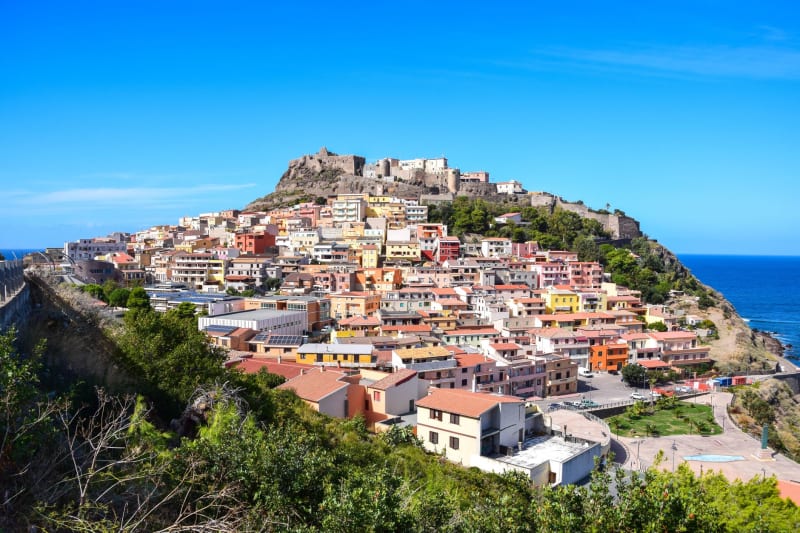
A medieval town of faded pastels climbing a riverside hill in western Sardinia, where ancient tanneries line the Temo and the local malvasia wine tastes like nothing you've had before.
Explore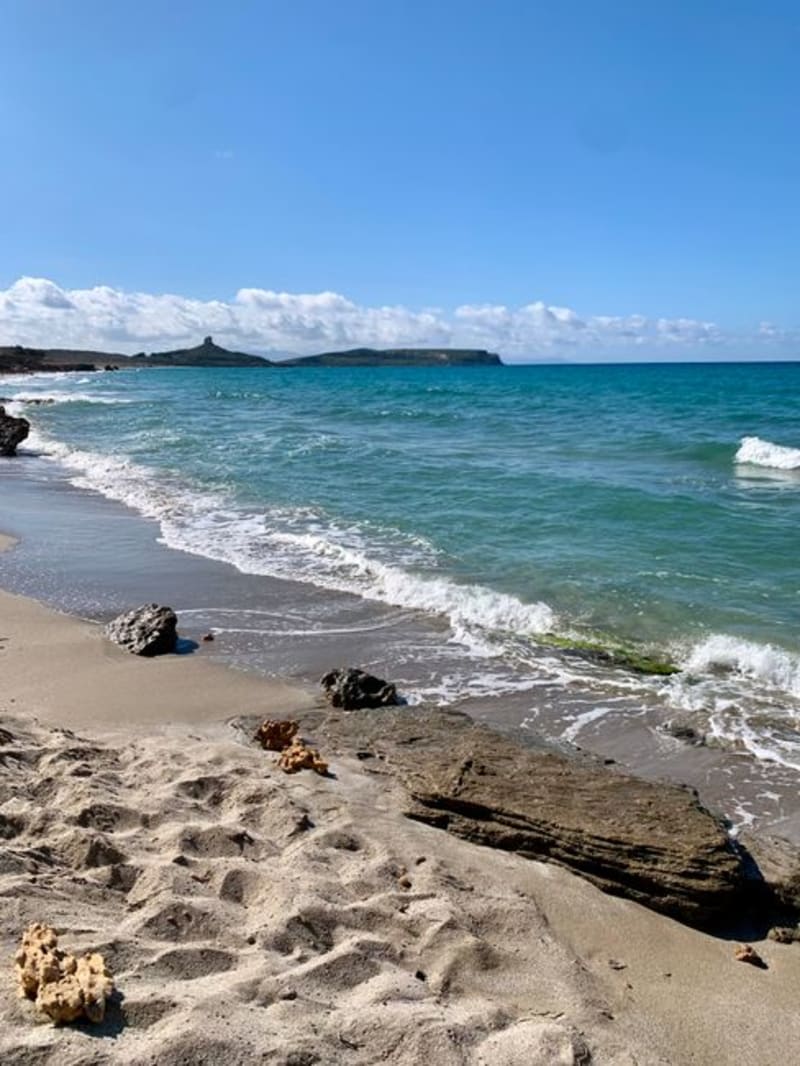 sardinia
 Budoni
An unpretentious east-coast beach town where the sand is soft and the crowd is mostly Sardinian, a low-key alternative to the polish just up the coast.
Explore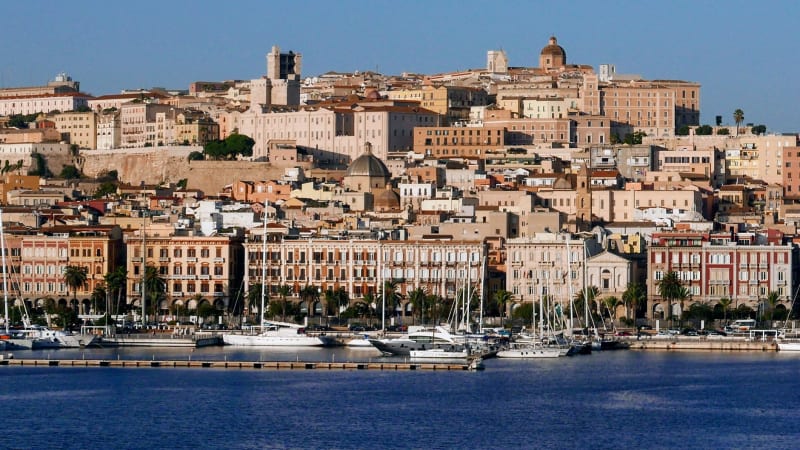 sardinia
 Cagliari
A capital city of flamingo lagoons and fortress hills that seems genuinely uninterested in impressing you — and impresses you anyway.
Explore sardinia
 Cala Goloritzé
A beach at the bottom of a limestone cliff you can only reach by hiking down or arriving by boat — and it earns every step.
Explore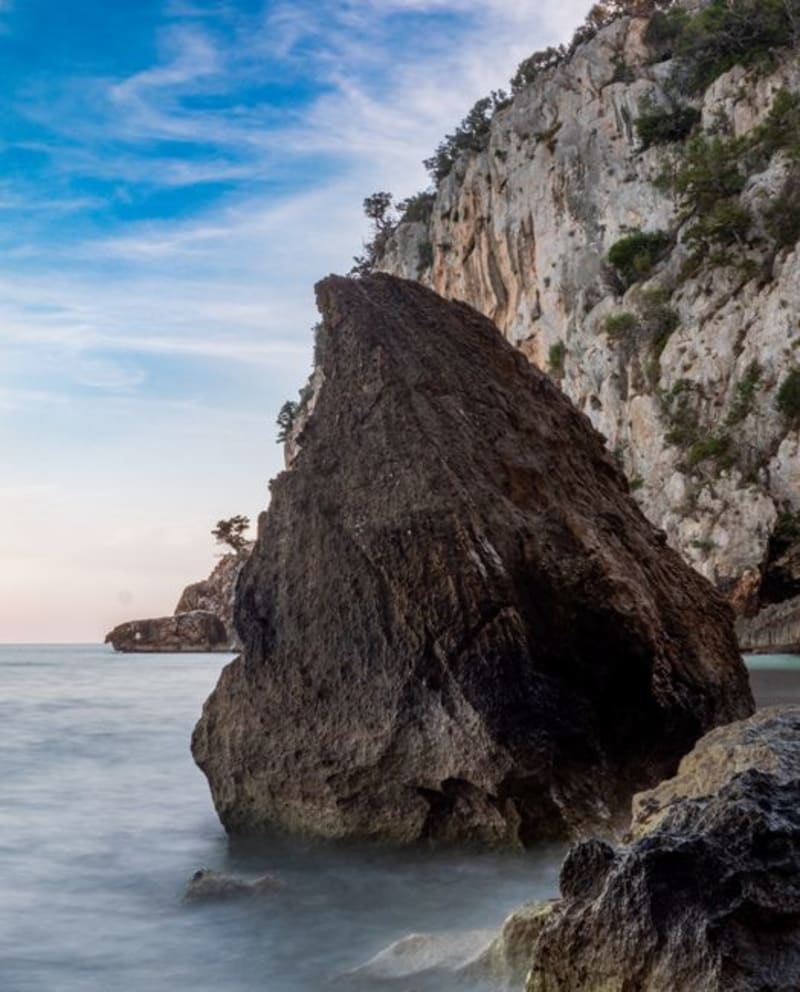 sardinia
 Cala Gonone
A former fishing hamlet turned boat-town gateway to the Gulf of Orosei's hidden coves, where the harbor empties out every morning like a small, cheerful exodus.
Explore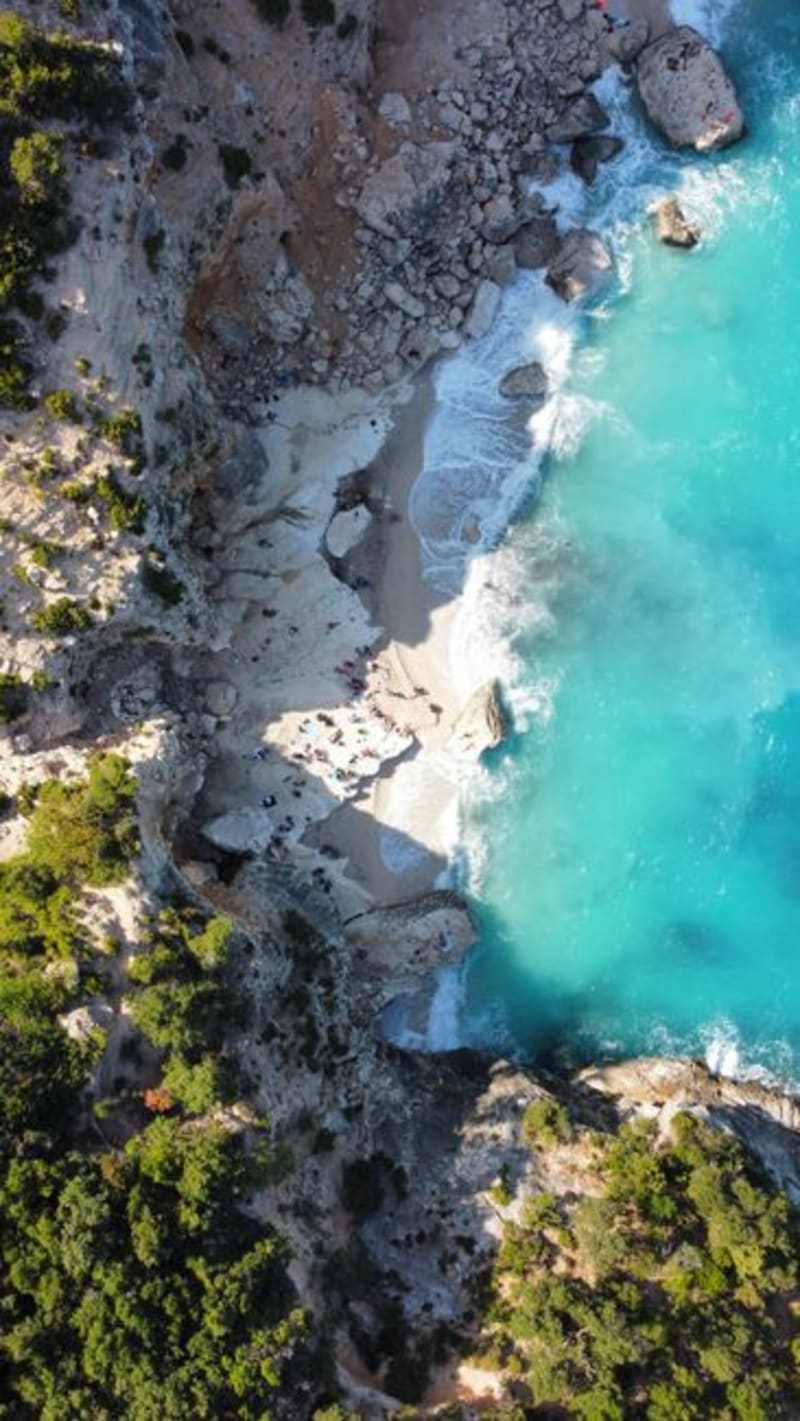 sardinia
 Cala Luna
A crescent of white sand and turquoise water accessible only by boat or a long cliffside hike, backed by a cave system that once sheltered monk seals and now shelters swimmers from the midday sun.
Explore