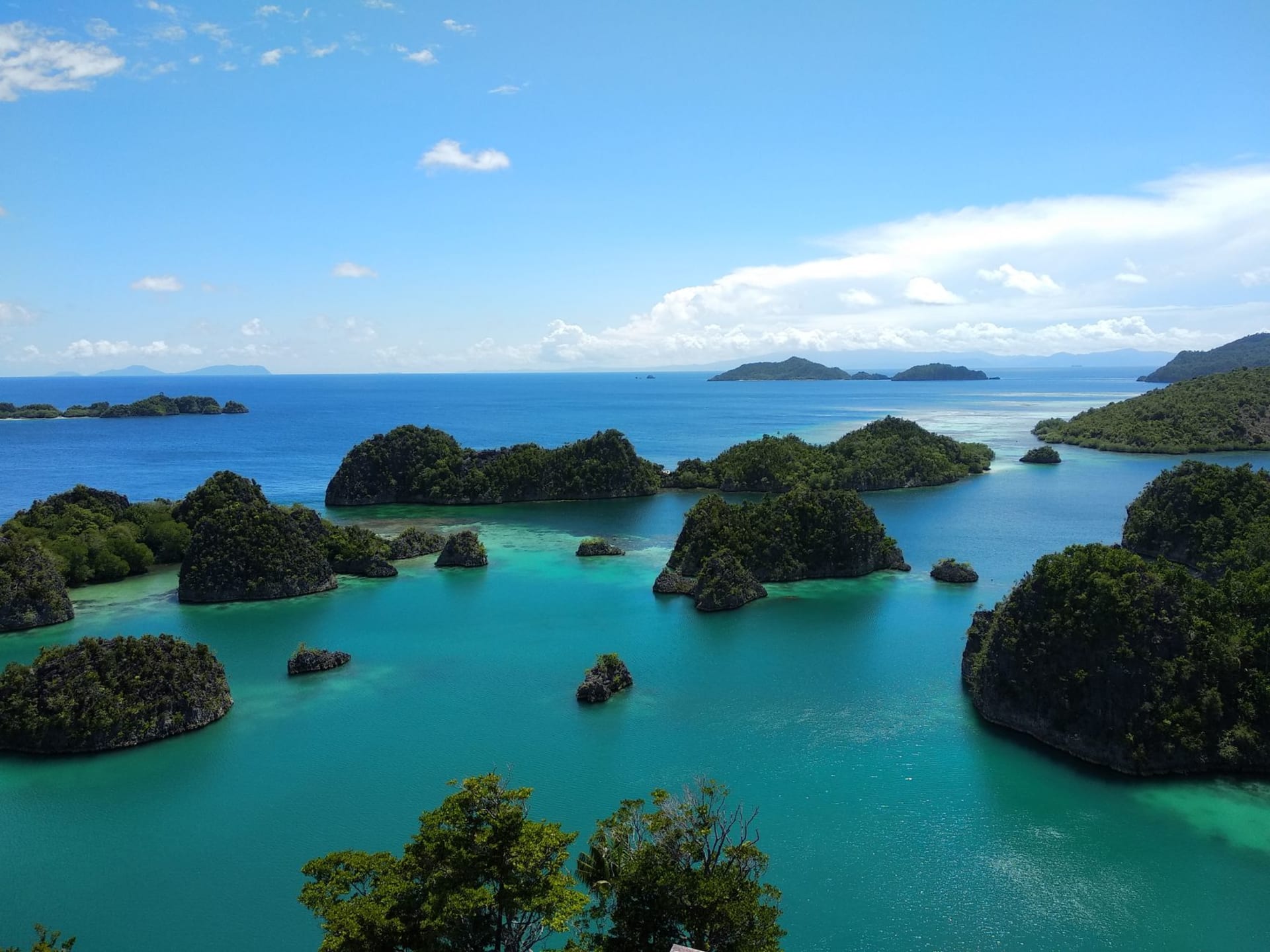
Waisai
"Every extraordinary place has a door. Waisai is the door, and doors deserve their own kind of attention."
The unglamorous gateway town that the brochures forget but without which none of the rest of it is possible.

I arrived at Waisai on a Tuesday afternoon, a day after a bad flight connection through Makassar that I do not need to describe in detail. The ferry from Sorong had taken two hours. The town I stepped into was small and quietly purposeful: a harbor with fishing boats and speedboat operators, a market along the waterfront selling the essentials — rice, dried fish, instant noodles, bottled water, sunscreen, and snorkeling masks in roughly equal proportion — and a row of simple warungs along the main street. I ate a bowl of mie goreng at a plastic table facing the harbor and felt the specific relief of someone whose journey is nearly over.
Waisai is the capital of the Raja Ampat regency, the arrival point for the ferry from Sorong, and the place where you buy the conservation fee permit that allows entry into the archipelago. Most travelers move through it in ninety minutes — ferry in, buy the permit, organize the speedboat, go. I gave it a full day and found it rewarding in the low-key way of genuine small-town life. The morning market behind the harbor was selling fish landed an hour before: trevally, grouper, parrotfish still showing their iridescence, laid out on tarps next to mounds of chilies and ginger and bundles of the sour herbs that go into the local fish soups. A woman at the far end was selling the small, intensely sweet pineapples that grow in the hills of Waigeo. I bought three and ate them standing there.
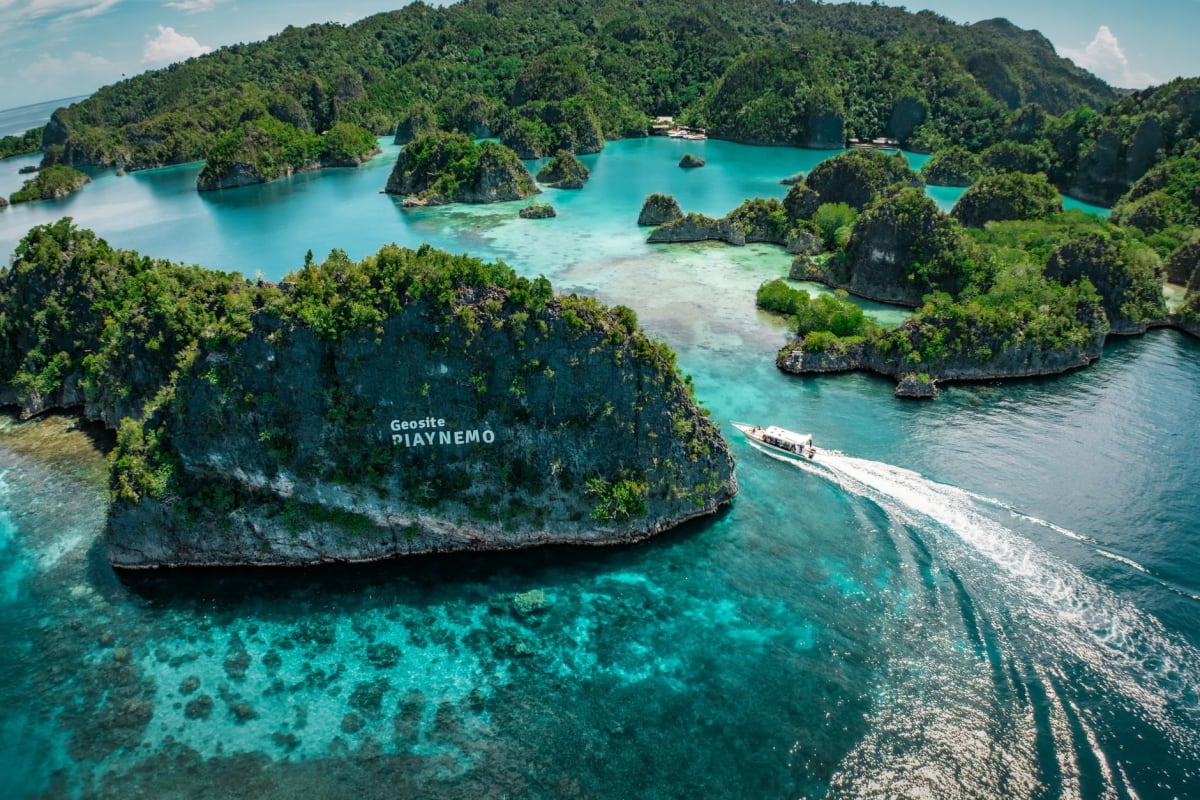
The mangroves at the edge of town can be explored by canoe in about an hour. A local guide took me early one morning through channels where the roots overhang the water in cathedral arches, the light coming through in shafts, the water absolutely still. We startled a kingfisher — electric blue and orange — and it shot down the channel ahead of us for fifty meters before banking left and disappearing. The guide said this was very common. I thought about the version of myself who had grown up somewhere kingfishers were common and felt briefly envious.
There is a small dive operation in Waisai itself, mostly used by people waiting for their guesthouse transfers or catching a spare day at the start or end of a trip. The diving here does not rival the sites deeper into the archipelago, but it is neither bad nor empty. I spent an afternoon watching garden eels sway from their burrows in the sandy bottom with the curious synchronized motion of a crowd listening to music. Garden eels do not do anything dramatic. This was, oddly, exactly what I needed after two weeks of world-record fish densities.

The accommodations in Waisai are simple guesthouses and budget hotels, not the stilted-over-water bungalows of the outer islands. This is part of the point. Waisai is a working town, not a resort — and spending a night or two here, eating at the night market where the grilled fish costs essentially nothing and the coconut water comes cold from a vendor with a cart, gives the trip a texture that the polished guesthouses of the outer islands do not.
When to go: Waisai is a year-round arrival point — the Sorong ferry runs daily regardless of season. If you are staying a night, October or November is pleasant when the heat is slightly less absolute and the market is at its most abundant. Build in at least one full day before heading out to the islands. The permit office keeps business hours and occasional queues; do not plan a same-day departure if arriving on the afternoon ferry.
Keep exploring
More from Raja Ampat
 raja-ampat
Wayag
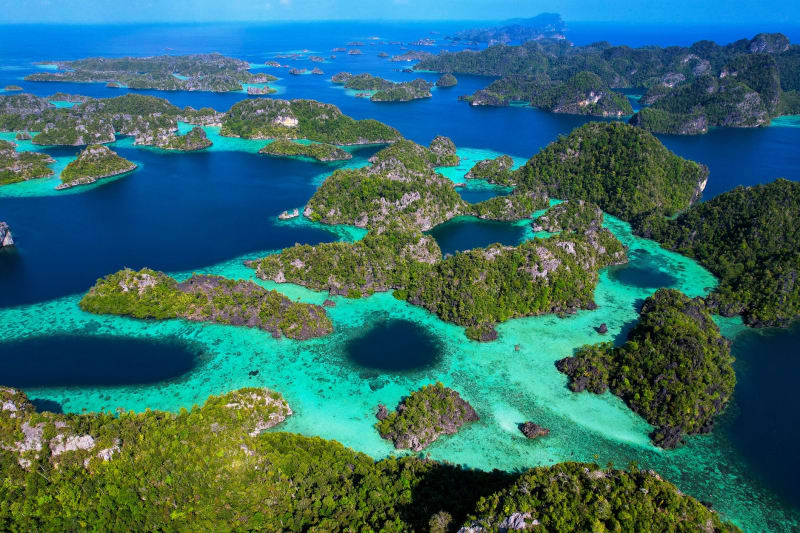
A labyrinth of mushroom-shaped karst towers so surreal the mind keeps insisting it must be a painting.
Explore raja-ampat
Arborek
A matchbox island where women weave bark-fiber bags under the eaves and manta rays circle below the jetty every morning.
Explore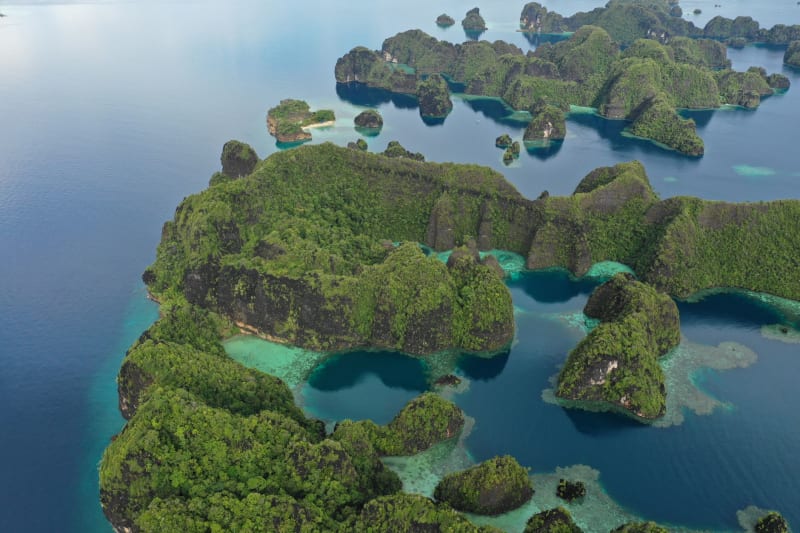 raja-ampat
Batanta
The forgotten fourth island — all waterfall hikes and bird calls and not a single dive boat competing for your attention.
Explore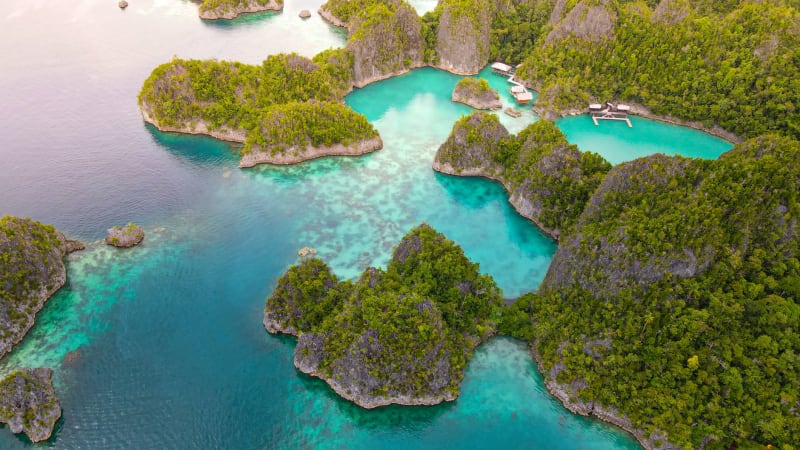 raja-ampat
Fam Islands
A forgotten string of islands north of Waigeo where the reefs have never learned to expect a diver and the sky at night earns its reputation.
Explore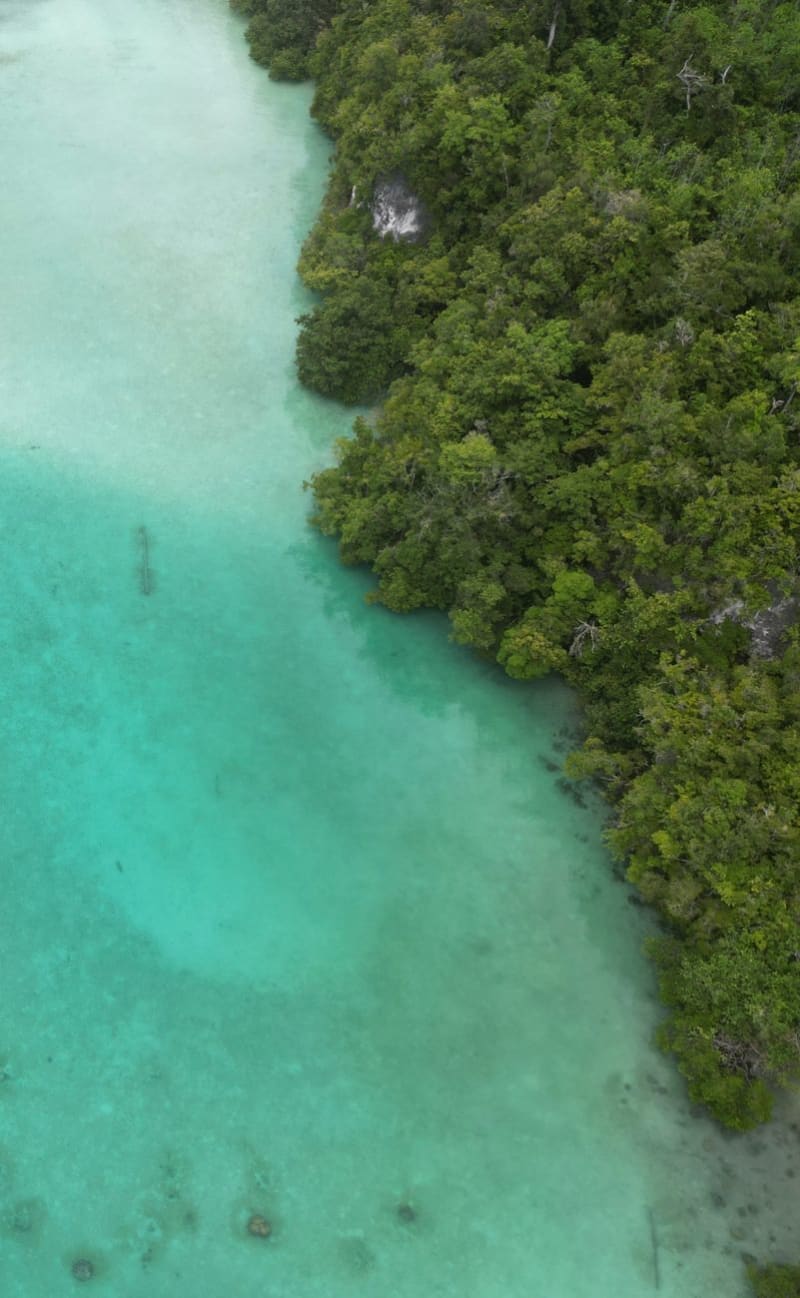 raja-ampat
Gam Island
One of Raja Ampat's largest islands, where you trek into the forest at dawn to find the red bird-of-paradise dancing in the canopy, then drift over reef the rest of the day.
Explore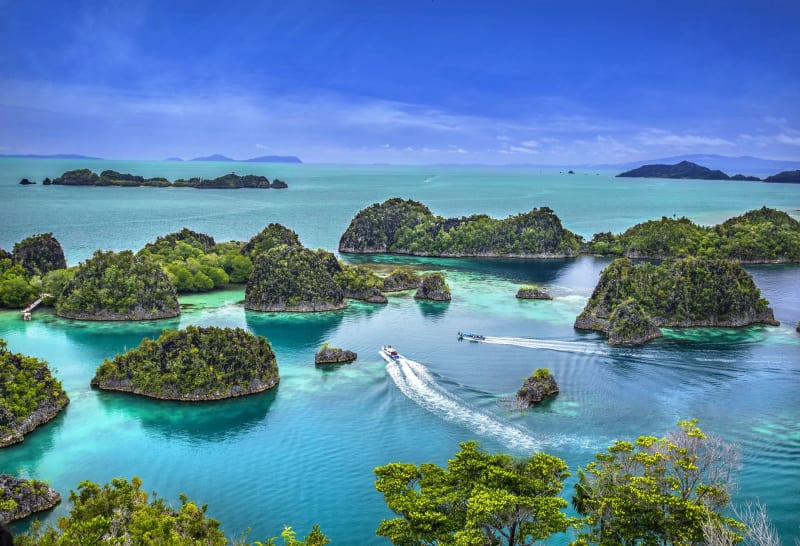 raja-ampat
Kri Island
The world record holder for fish diversity — 374 species counted on a single dive at the cape that started it all.
Explore