
Grosse Île
"Grosse Île is not a cheerful destination. But there is a difference between cheerful and important — and it matters."
The quarantine island in the St. Lawrence where 5,000 Irish immigrants are buried — haunted quietly, as history tends to be.

You can only reach Grosse Île by boat, which is appropriate. The island sits in the middle of the St. Lawrence about 50 kilometres downstream from Quebec City, and it was the first point of contact for immigrants arriving in Canada from 1832 to 1937 — the Ellis Island of the north, except that for thousands of them the island was also the last contact. I took the Parks Canada ferry from Berthier-sur-Mer on a grey morning in early October, the river metallic and cold, the island appearing low on the water before revealing its Victorian hospital buildings and its hillside of Celtic crosses. I was the only person on the boat not in a group, which made me aware of myself in a way that felt appropriate to the destination.

The island’s history is layered, and the Parks Canada interpretation does justice to its complexity. It was a quarantine station built after the cholera epidemic of 1832, designed to screen immigrants for disease before they entered the country. In 1847, the Irish famine sent 100,000 emigrants across the Atlantic, many of them already dying on the ships. The island was overwhelmed. Five thousand Irish immigrants were buried on Grosse Île that summer in mass graves that were marked — eventually, decades later — by the Celtic Cross memorial on the island’s hillside. The cross inscription in Irish reads: “Children of the Gael died in their thousands on this island having fled from the laws of the foreign tyrants and an artificial famine in the years 1847-48. God bless them. God save Ireland.” Standing before it in October, with the river grey and immense in every direction, I felt the weight of it without feeling manipulated — which is the achievement of genuinely well-stewarded history.
The island is larger than you expect and contains multitudes: the First Class sector with its neat Victorian cottages, where wealthier immigrants were processed quickly; the Third Class sector, where the poorest were held in the larger sheds; the medical buildings with their histories of quarantine and infection; the disinfection building where clothes and luggage were steamed and their owners required to shower in antiseptic water. Walking between these sectors made the class stratification of emigration palpable in a way that graphs and statistics cannot manage.

On my return crossing I stood at the stern and watched the island recede until it was just a low green shape in the grey water. Something about an island that can only be reached by boat, that holds its history without commercial overlay, felt valuable in a way I’m still thinking about.
When to go: The island is only accessible by organized ferry tours, operating from late May through mid-October. Parks Canada runs ferries from Berthier-sur-Mer; booking in advance is necessary in summer. I preferred October for the quality of light and the smaller crowds — the subject matter invites contemplation rather than company.
Keep exploring
More from Québec
 quebec
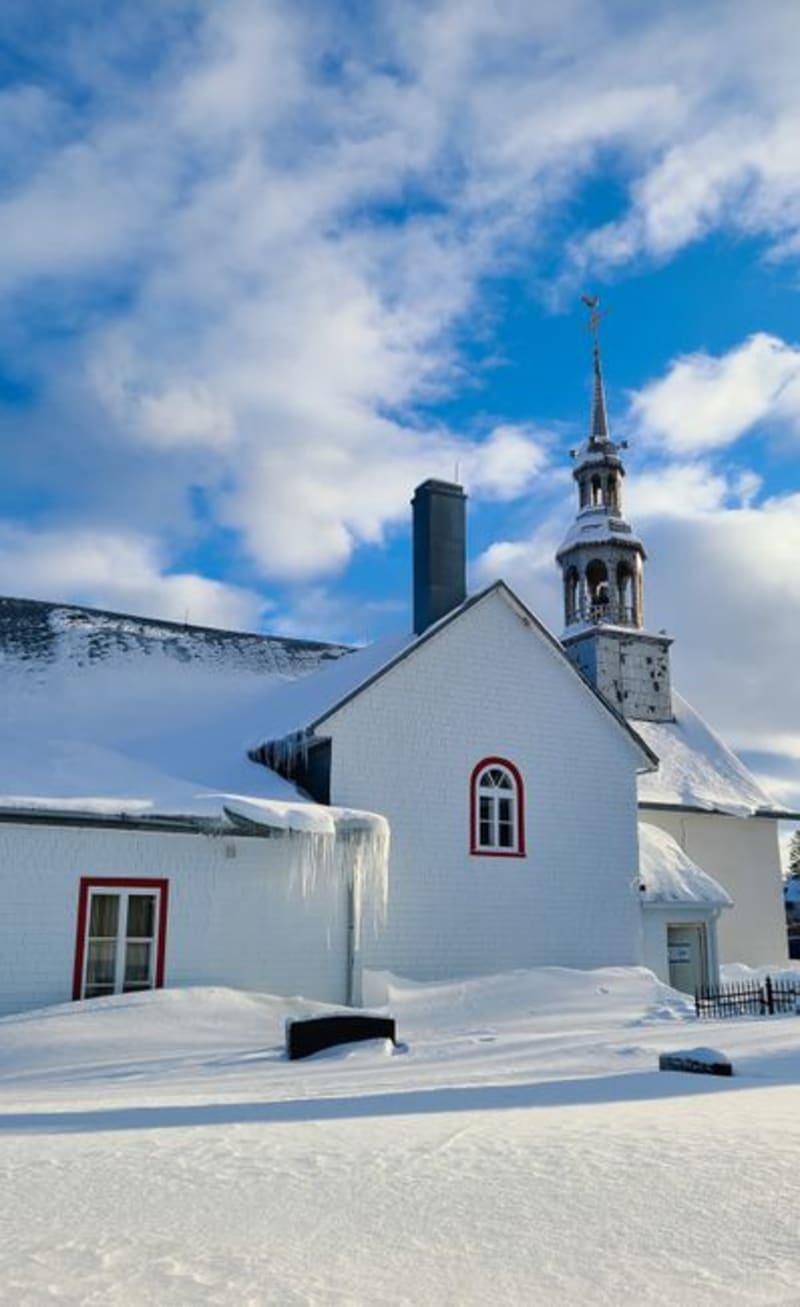
Havre-Aubert
The oldest and southernmost of the Magdalen Islands, where a fishing hamlet called La Grave has been quietly refusing to modernize for three centuries.
Explore quebec
Havre-Saint-Pierre
The last real town before Route 138 runs out — gateway to the Mingan Archipelago and a fishing community that still runs on its own schedule.
Explore quebec
Hôtel de Glace
A hotel built entirely of ice and snow, rebuilt from nothing every winter and melted back into the river every spring — the most impermanent luxury I've ever paid for.
Explore quebec
Île d'Orléans
An island that has refused modernity with such determination that its strawberries taste like an argument against supermarkets.
Explore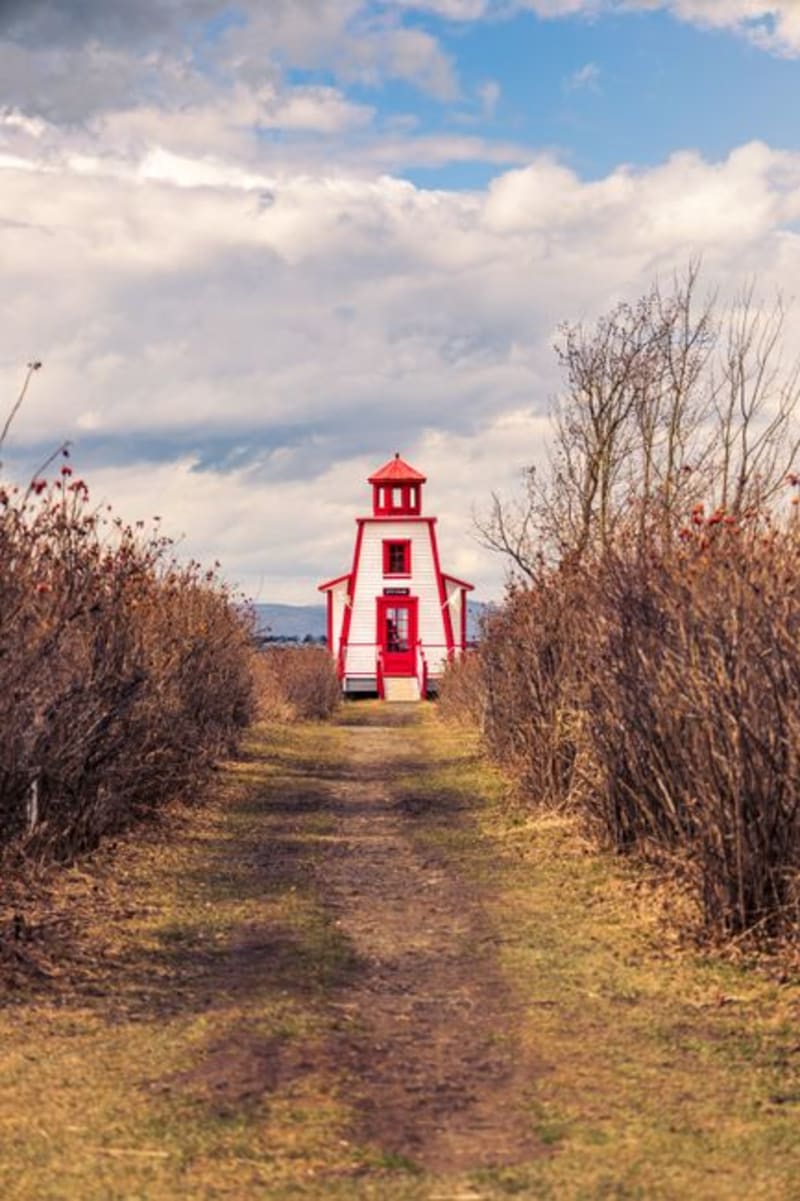 quebec
Île d'Entrée
The one inhabited Magdalen Island with no bridge or causeway to the rest — an English-speaking fishing community of about a hundred people, reached only by boat.
Explore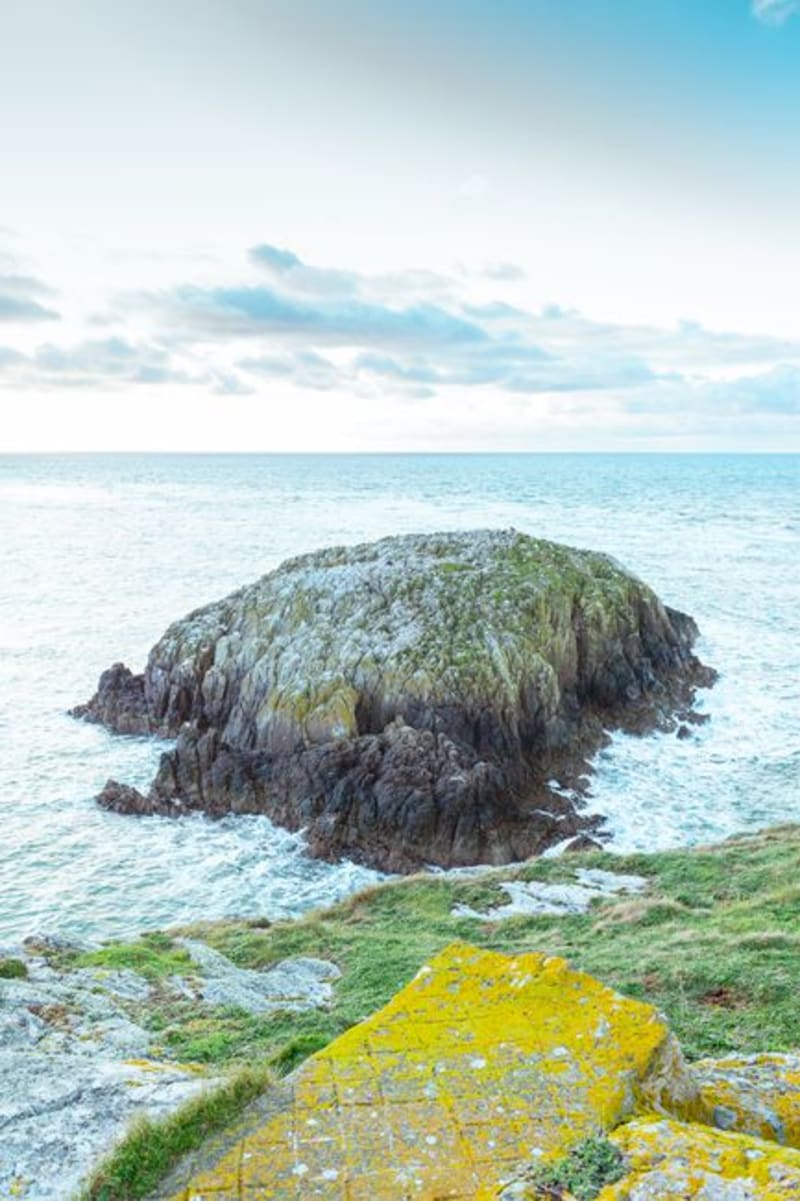 quebec
Isle-aux-Coudres
A small island in the St. Lawrence where two working windmills and a handful of bakers still turn local grain into bread the way this island has for three centuries.
Explore