Americas
Québec
"Québec City is what happens when France refuses to let go, and wins."
The only walled city north of Mexico — a place where French survived a continent's worth of pressure and came out the other side more stubborn, more delicious, and more itself.

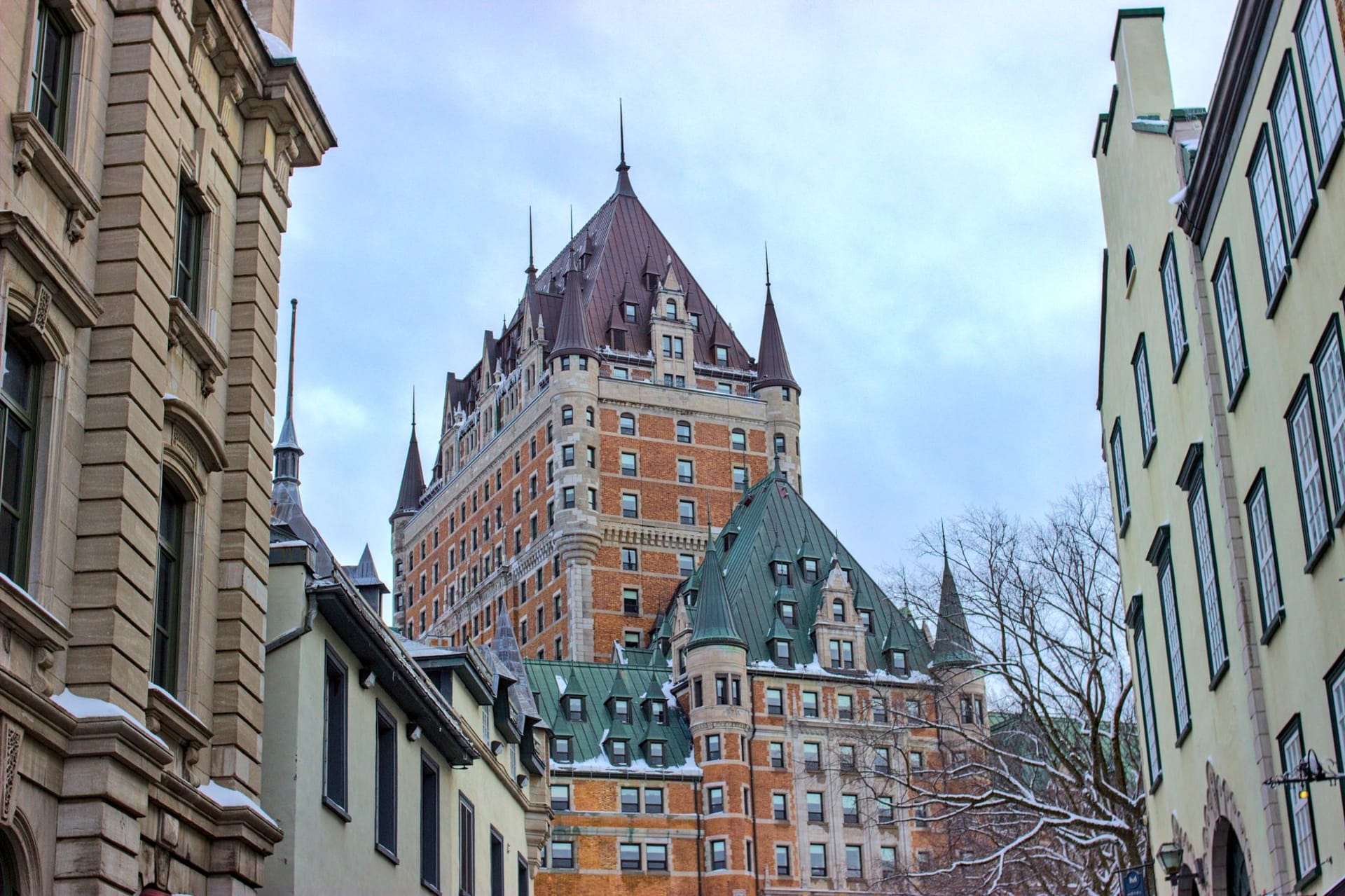
I arrived at Gare du Palais in February, which I do not recommend and also completely recommend. The cold had a personality — not the neutral cold of altitude or the wet cold of the ocean, but something drier and more deliberate, the kind that makes the air creak. Walking up the hill from Basse-Ville to Haute-Ville, through the old stone gate into the walled city, with Château Frontenac looming above and the St. Lawrence frozen solid below, I understood for the first time what people mean when they say a city feels like somewhere.
This is the thing about Québec that no amount of reading prepares you for: it is genuinely, uncomplicatedly French. Not French-adjacent, not French-influenced — French. The language, the bread, the way people argue about cheese. I grew up in France and I’ve spent years in Mexico, and Québec occupies a strange third space between the two: the linguistic DNA of home, the winter ferocity of somewhere entirely new. Joual — the local French vernacular — took me a few days to fully track, but once my ear adjusted I felt a warmth in it that standard Parisian French sometimes lacks. People here are proud of their language in a way that doesn’t read as defensive so much as joyful. They know what they preserved.
The food is the other revelation. Poutine is the cliché, but eat it at least once at a counter in the Marché du Vieux-Port at midnight and you’ll understand why the cliché endures — cheese curds that squeak, gravy that coats every fry, pure winter fuel. Beyond that, there’s tourtière at the Épicerie J.A. Moisan (the oldest grocery store in North America, still operating on Rue Saint-Jean), cretons on thick sliced bread, sugar pie from any boulangerie you walk past. Montréal gets the gastronomic headlines but Québec City has a quieter, older version of the same inheritance.
When to go: January and February for the Winter Carnival — the ice sculptures on the Plains of Abraham and the ice canoe race across the half-frozen St. Lawrence are genuinely unlike anything else I’ve seen. September and October for fall colour and crisp temperatures without the crowds. Avoid July if you can; the tourist density in the walled city becomes difficult.
What most guides get wrong: They treat Québec City as a day trip from Montréal. It’s not — it’s a full destination that rewards three or four days minimum. The two cities share a province and a language and almost nothing else. Montréal is cosmopolitan and restless; Québec City is old and rooted and quietly sure of itself. They are not interchangeable, and choosing between them is a false problem. Go to both.
Explore
Places in Québec
 quebec
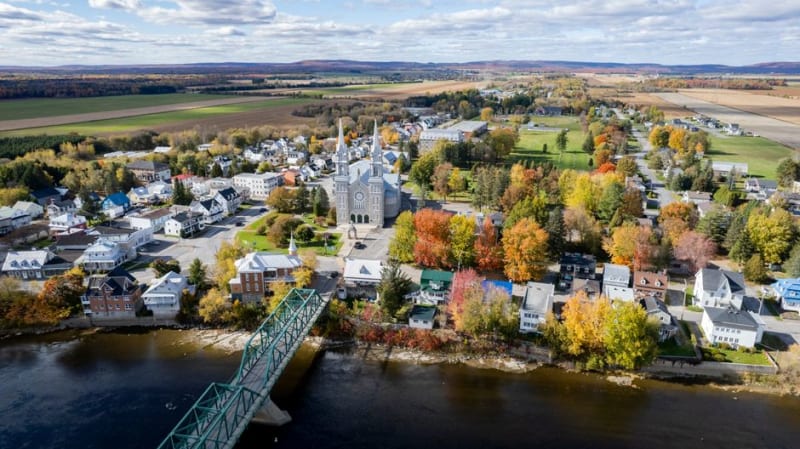
 Anse-Saint-Jean
The fjord village with the covered bridge on the Canadian ten-dollar bill — small, agricultural, and set against some of the most dramatic scenery the Saguenay has to offer.
Explore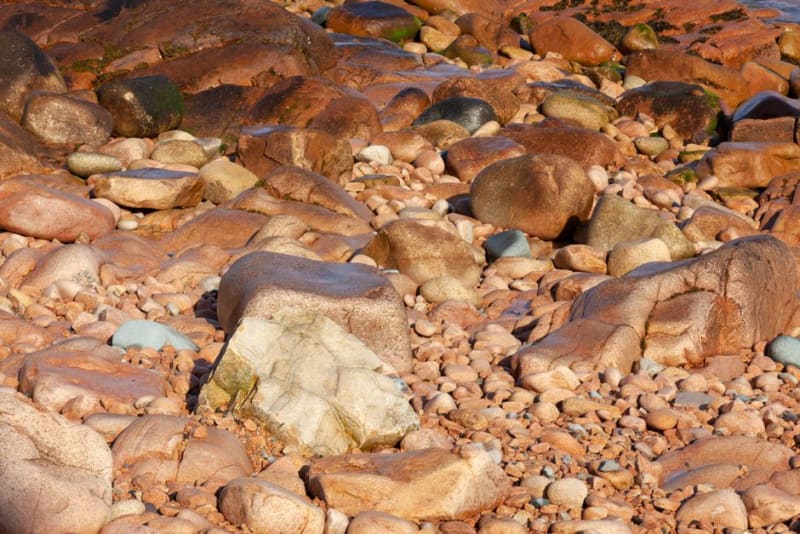 quebec
 Île d'Anticosti
An island the size of a small country in the mouth of the St. Lawrence, home to more deer than people and a coastline littered with shipwrecks.
Explore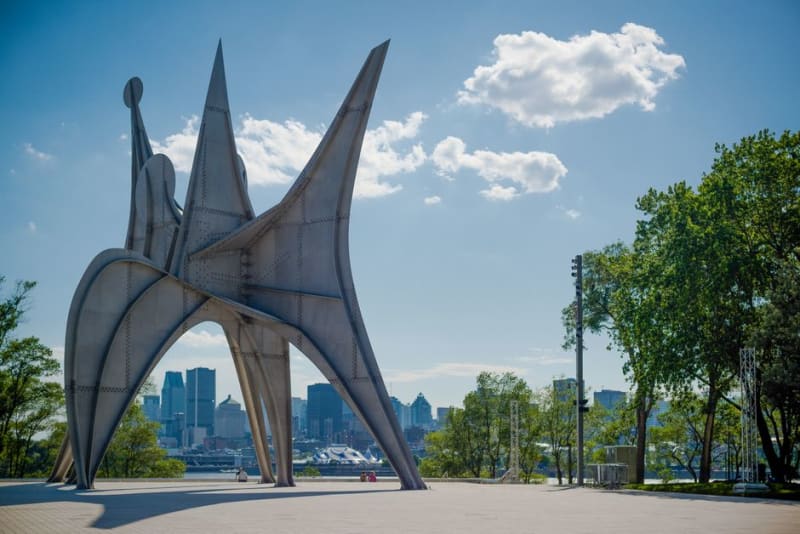 quebec
 Parc de l'Artillerie
Three centuries of military history stacked on one plot of land — French barracks, a British foundry, and the ammunition factory that ran until 1964.
Explore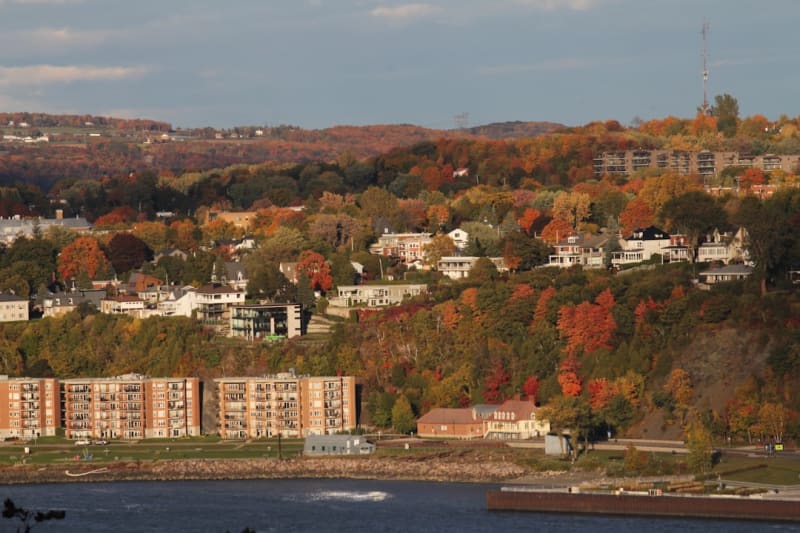 quebec
 Baie-Sainte-Catherine
The quiet southern gateway to the Saguenay fjord, where the free ferry crossing to Tadoussac doubles as one of the best budget whale-watching excursions in Quebec.
Explore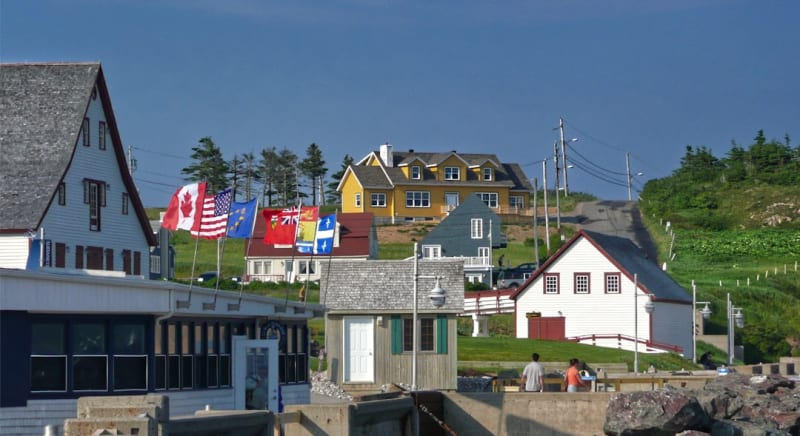 quebec
 Batiscan
A sleepy riverside seigneurie between Trois-Rivières and Québec City where a 1696 presbytery preserves the daily texture of New France better than any museum reconstruction.
Explore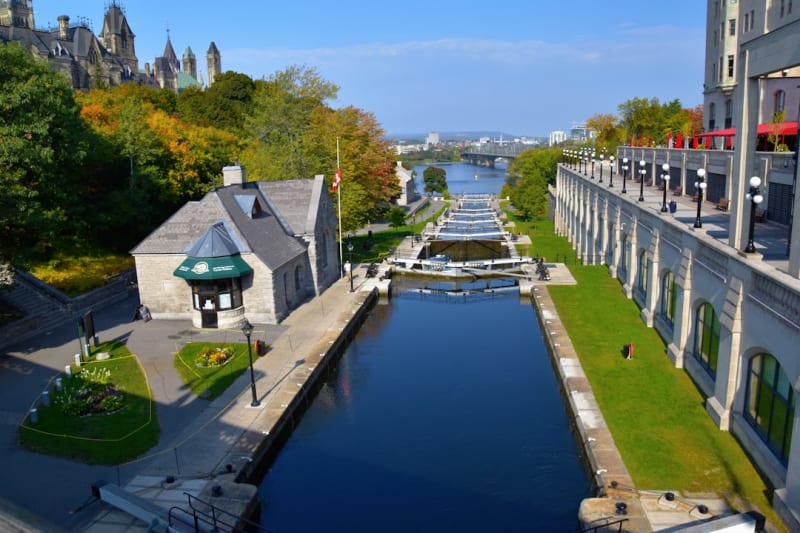 quebec
 Belle-Anse
A gallery of wind-carved red sandstone arches and pillars on the Magdalen Islands' northern shore that locals treat as a Tuesday-evening walk and everyone else treats as a pilgrimage.
Explore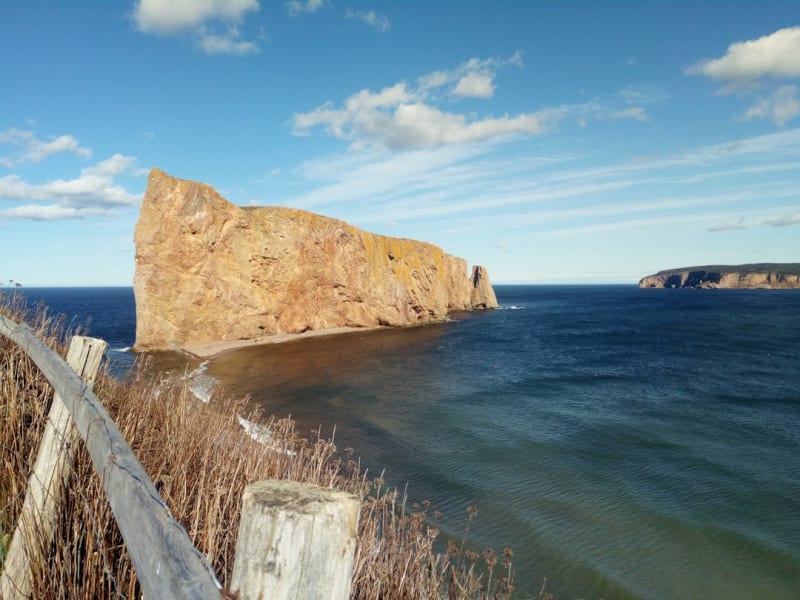 quebec
 Île Bonaventure
One of the largest and most accessible northern gannet colonies on earth — 100,000 birds on a single cliff face, and the smell reaches you before the sight does.
Explore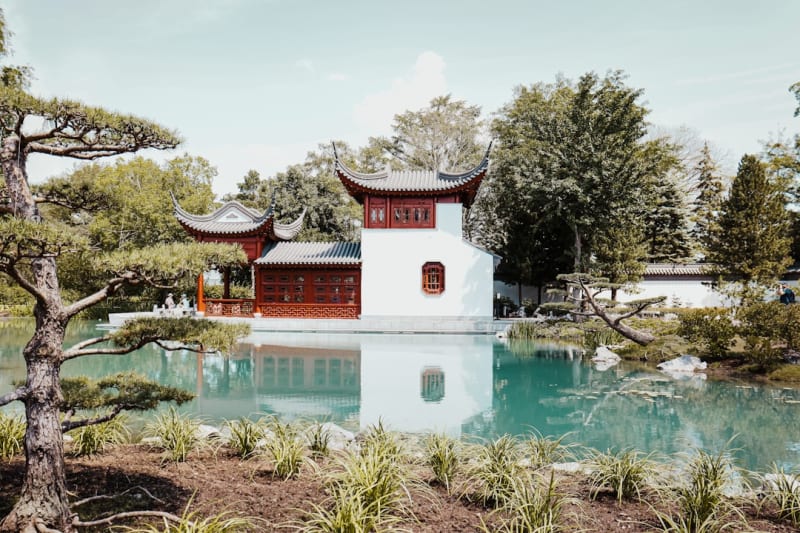 quebec
 Montreal Botanical Garden
Ten thousand plant species and a Chinese garden built by artisans flown in from Shanghai — one of the largest botanical gardens in the world, and one of Montreal's quietest surprises.
Explore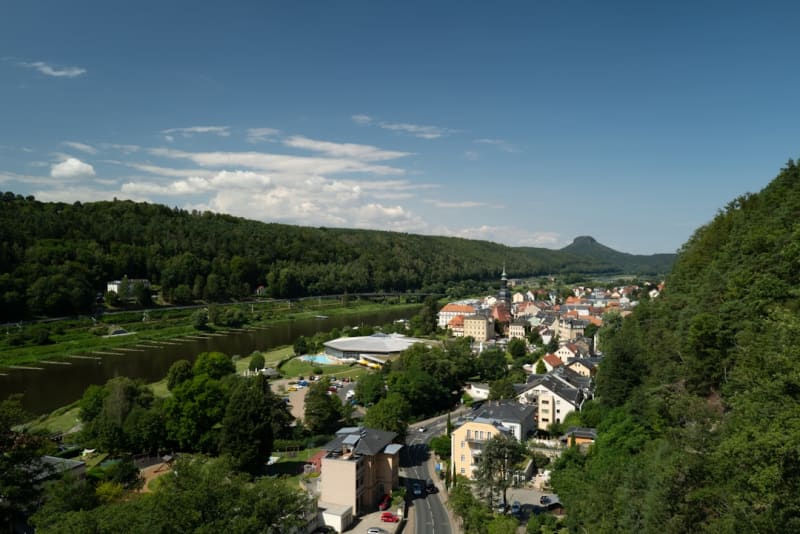 quebec
 Bromont
A mountain town built for motion — mountain biking in summer, skiing in winter, and a water park in between for anyone who needs a break.
Explore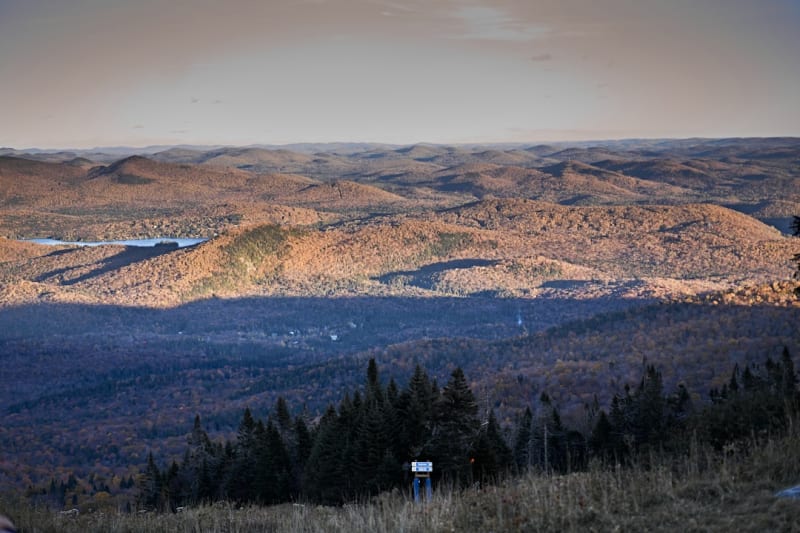 quebec
 Cap-Chat
The windiest town on the Gaspé coast, and proud of it — home to a wind-energy museum and one of the tallest vertical-axis turbines ever built.
Explore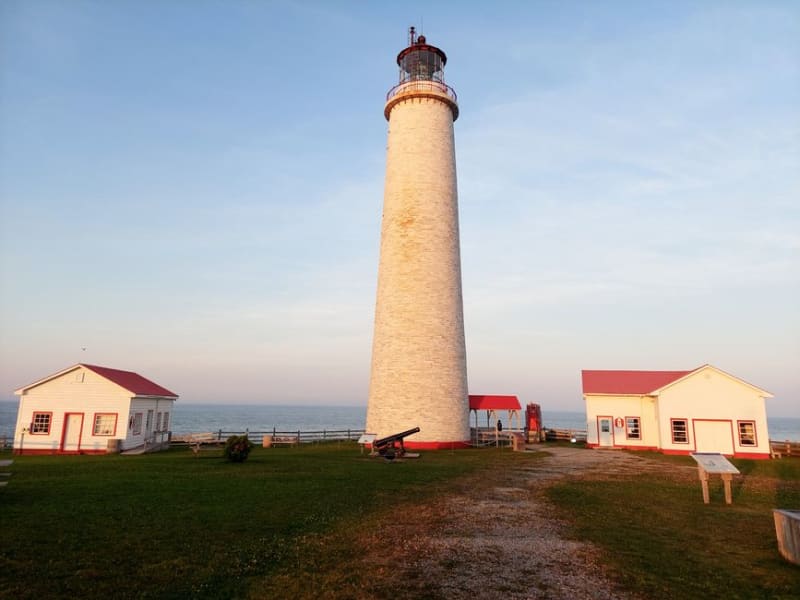 quebec
 Cap-de-la-Madeleine
A riverside pilgrimage site where a 17th-century chapel and a modern basilica sit side by side, and a bridge of ice once changed a nation's faith.
Explore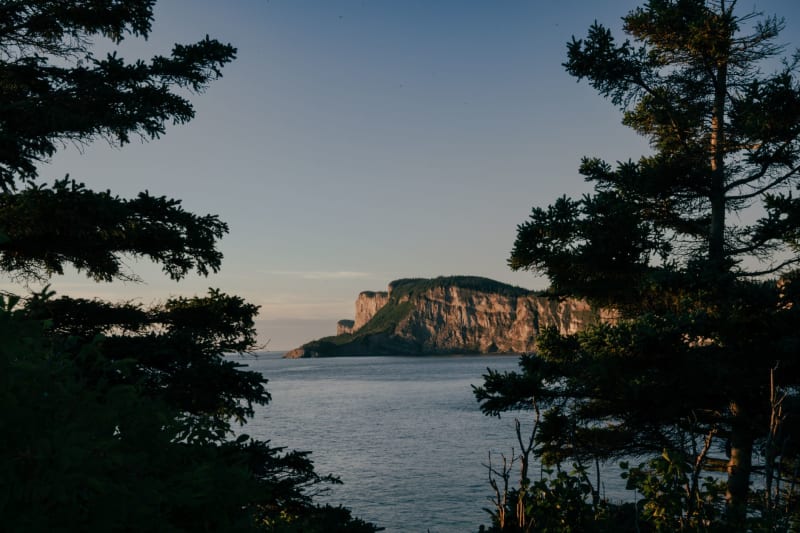 quebec
 Cap Tourmente
The wildlife reserve where 50,000 snow geese descend twice a year, turning the tidal flats white in a spectacle that is almost incomprehensibly loud.
Explore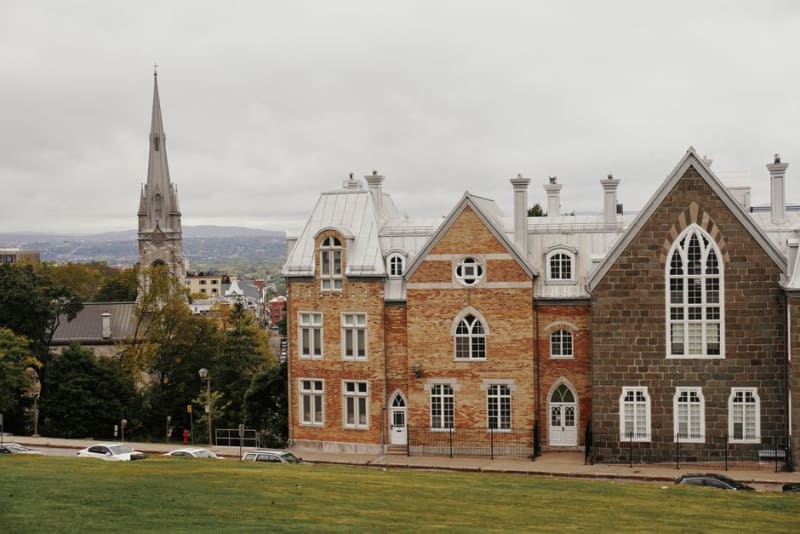 quebec
 Carleton-sur-Mer
A sandbar town on the warmest bay in the Gulf of St. Lawrence, with a mountain behind it that hands you the whole Baie des Chaleurs in one view.
Explore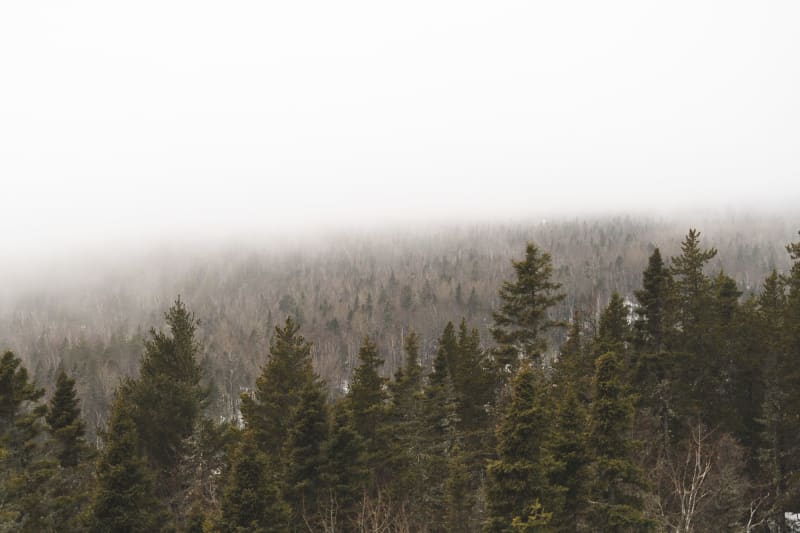 quebec
 Charlevoix
A biosphere reserve carved by a meteorite and draped in maple forest — the landscape here has the ambition of geology, not scenery.
Explore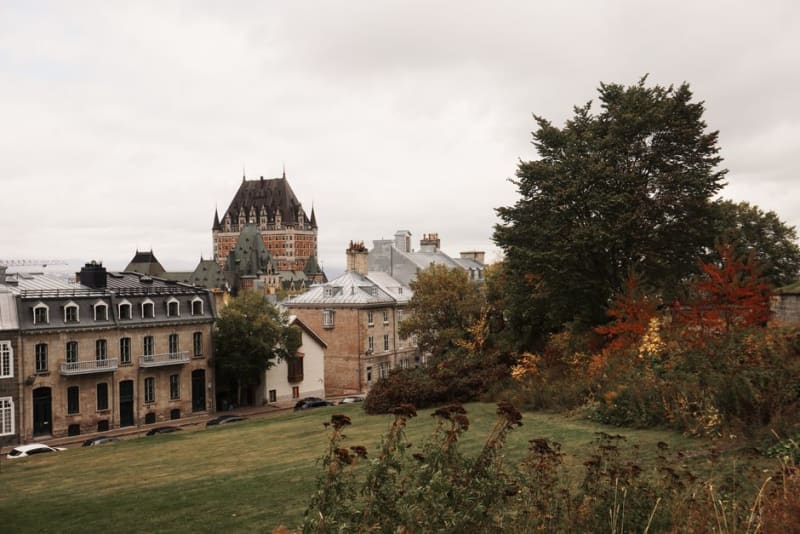 quebec
 Château Frontenac
The copper-roofed castle-hotel that decided, over a century ago, what a skyline is supposed to look like — and Quebec City never argued back.
Explore quebec
 Chic-Chocs
The only place south of the Arctic where caribou still roam wild in Quebec — an alpine range punched up out of the middle of the Gaspé peninsula.
ExploreAll areas in Québec
- Chutes Coulonge
- Citadelle of Quebec
- Coaticook
- Drummondville
- Dufferin Terrace
- Dune du Sud
- Fjord-du-Saguenay National Park
- Forillon National Park
- Gaspé
- Gatineau
- Gatineau Park
- Grand-Mère
- Grande Allée
- Grande-Entrée
- Griffintown
- Grosse Île
- Havre-Aubert
- Havre-Saint-Pierre
- Hôtel de Glace
- Île d'Orléans
- Île d'Entrée
- Isle-aux-Coudres
- Jean-Talon Market
- Kamouraska
- Knowlton
- La Malbaie
- La Pulperie de Chicoutimi
- Lac-Saint-Jean
- Lake Massawippi
- Limoilou
- Little Italy Montreal
- Magog and Lake Memphremagog
- Manic-5 (Daniel-Johnson Dam)
- Maniwaki
- Réserve Faunique Mastigouche
- Matane
- Matapédia Valley
- Miguasha
- Mile End
- Mingan Archipelago
- Mont Orford
- Mont-Sainte-Anne
- Mont-Tremblant
- Montebello
- Montmorency Falls
- Monts-Valin National Park
- Morin-Heights
- Mount Royal
- Musée Canadien de l'Histoire
- Musée de la Civilisation
- Natashquan
- North Hatley
- Notre-Dame de Québec Basilica
- Notre-Dame Basilica
- Oka
- Old Montreal
- Old Port of Montreal
- Parc National de Plaisance
- Parc National de la Mauricie
- Parc National du Mont-Tremblant
- Parc Oméga
- Percé Rock
- Péribonka
- Le P'tit Train du Nord
- Place Royale
- Plains of Abraham
- Plateau Mont-Royal
- Porte Saint-Louis & the Fortifications
- Rawdon
- Réserve Faunique La Vérendrye
- Rimouski
- Rivière-du-Loup
- Route des Vins
- Rue Saint-Jean
- Saint-Élie-de-Caxton
- Saint-Jean-Port-Joli
- Saint-Roch
- Saint-Sauveur
- Sainte-Adèle
- Sainte-Agathe-des-Monts
- Sainte-Rose-du-Nord
- Sept-Îles
- Shawinigan
- Sherbrooke
- Sucrerie de la Montagne
- Sutton
- Tadoussac
- Trois-Rivières
- Monastère des Ursulines
- Val-David
- Val-Jalbert
- Victoriaville
- Wakefield
- Wendake