Gatineau
"Cross one bridge from Ottawa and the language, the food, and the whole rhythm of the day changes — Gatineau doesn't announce itself, but it doesn't need to."
The federal capital's quieter twin across the Ottawa River — French-speaking, riverside, and permanently underrated.
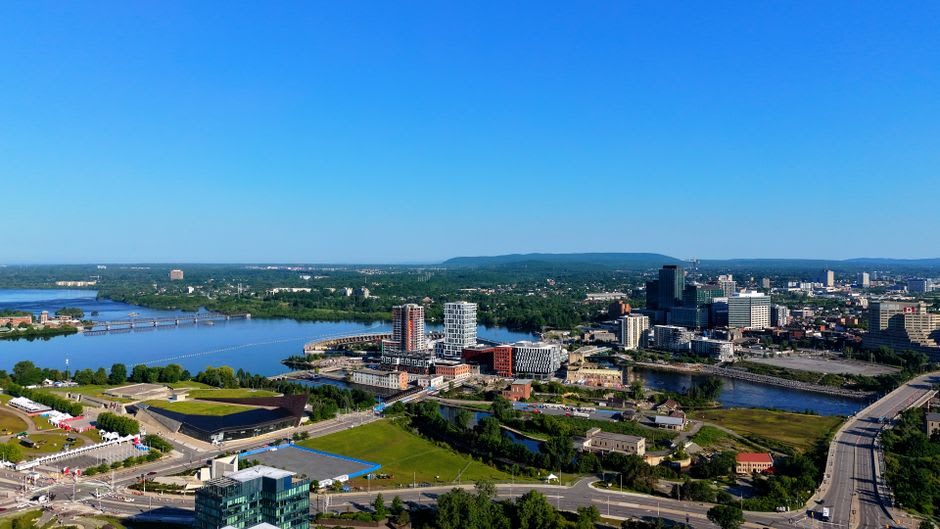
Lia and I crossed the Alexandra Bridge from Ottawa on a Tuesday afternoon, and the change was immediate and slightly funny: the road signs went French, the coffee got better, and something in the pace of the sidewalks loosened. Gatineau sits directly across the river from Canada’s capital, and most visitors treat it as an afterthought — a place you glance at from the Ottawa side, maybe cross for a museum, then retreat back over the water to the “real” city. I think this gets it backwards. Gatineau is where the region actually feels like Quebec: French as a first language rather than a bilingual courtesy, a slower civic tempo, terrasses that fill up with locals rather than tourists.
The Canadian Museum of History anchors the waterfront, and its architecture alone justifies a visit — Douglas Cardinal’s curved limestone building, meant to evoke glacial landforms carved over millennia, sits directly across from Parliament Hill in a kind of visual conversation between two national stories. Inside, the Grand Hall holds the largest indoor collection of totem poles in the world, arranged along a recreated Pacific Northwest coastline under a wall of glass facing the river. I spent two hours there and could have spent five. Beyond the museum, the old sector of Hull — Gatineau’s historic downtown, once its own city before amalgamation — has a compact grid of brick buildings, breweries, and bars that fills up on weekend nights with a crowd that is almost entirely local, which after a summer of tourist-town rotations in other parts of the province felt like a small relief.
What surprised me most was the food. Gatineau doesn’t get the culinary press that Montréal or Québec City does, but the restaurants along Rue Saint-Joseph and Rue Aubry punch well above what the city’s profile would suggest — Lia had a duck confit at a bistro that would not have been out of place in Lyon, and the market at Marché Vanier had a cheese selection I didn’t expect to find outside a bigger city.
When to go: Summer for the terrasses and the Gatineau Hot Air Balloon Festival, held annually over Labour Day weekend at Jacques-Cartier Park along the river. Winter works too if you’re combining it with Gatineau Park’s cross-country trails just north of the city — the two are a natural pairing for a long weekend.
Keep exploring
More from Québec
 quebec
 Gatineau Park
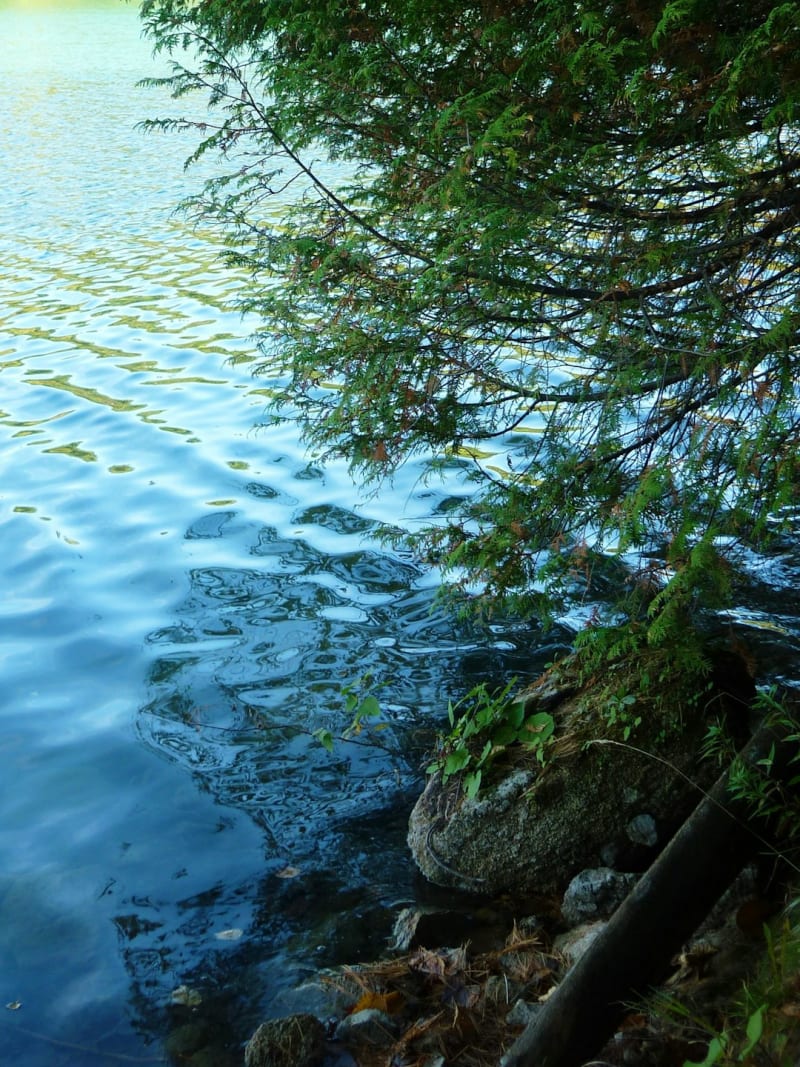
361 square kilometres of Laurentian forest and lakes minutes from a federal capital — the wilderness Ottawa-Gatineau keeps in its back pocket.
Explore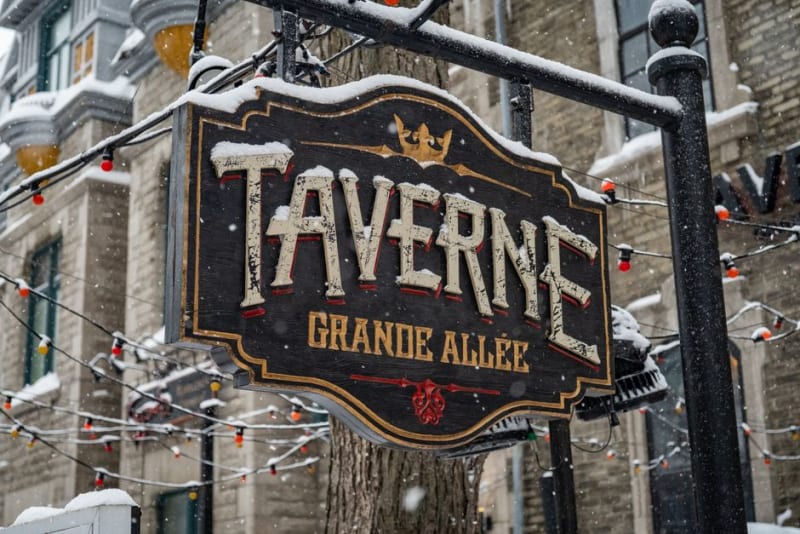 quebec
 Grand-Mère
A former paper-mill town named for a rock that looks like an old woman's face, now better known for its suspended footbridge and quiet river trails.
Explore quebec
 Grande Allée
Quebec City's grand boulevard, where Victorian mansions and summer terrasses operate as one long, unapologetic party.
Explore quebec
 Grande-Entrée
The lobster capital of the Magdalen Islands, where the northernmost tip of the archipelago runs out into dunes, seal colonies, and the province's biggest lobster fleet.
Explore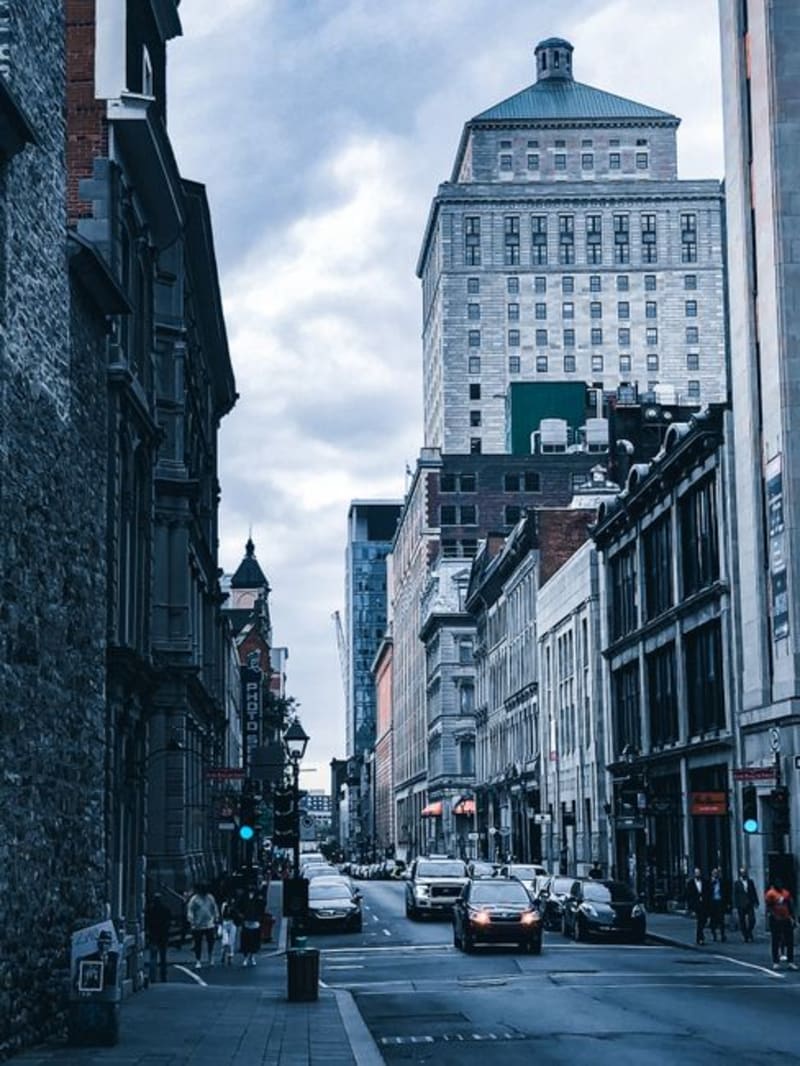 quebec
 Griffintown
Old Irish-immigrant rail yards turned condos and breweries — Montreal's fastest-changing neighbourhood, and proof the city can reinvent itself without losing its accent.
Explore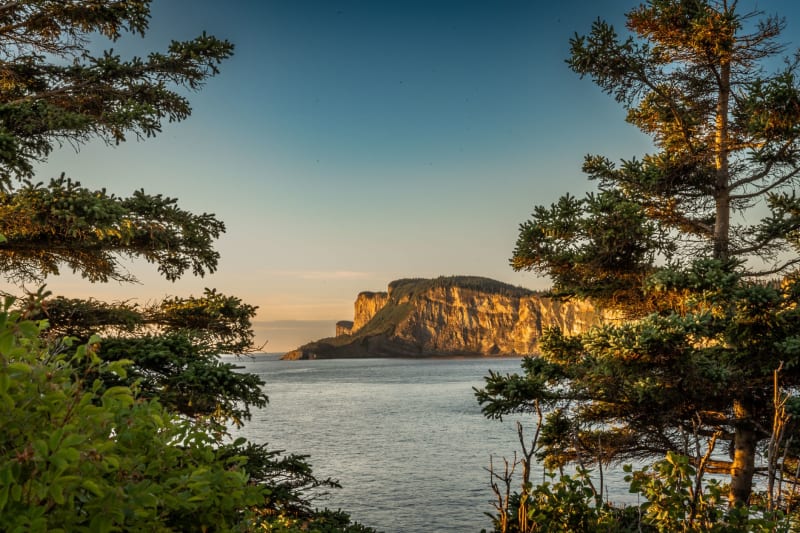 quebec
 Grosse Île
The quarantine island in the St. Lawrence where 5,000 Irish immigrants are buried — haunted quietly, as history tends to be.
Explore