Santa Cesarea Terme
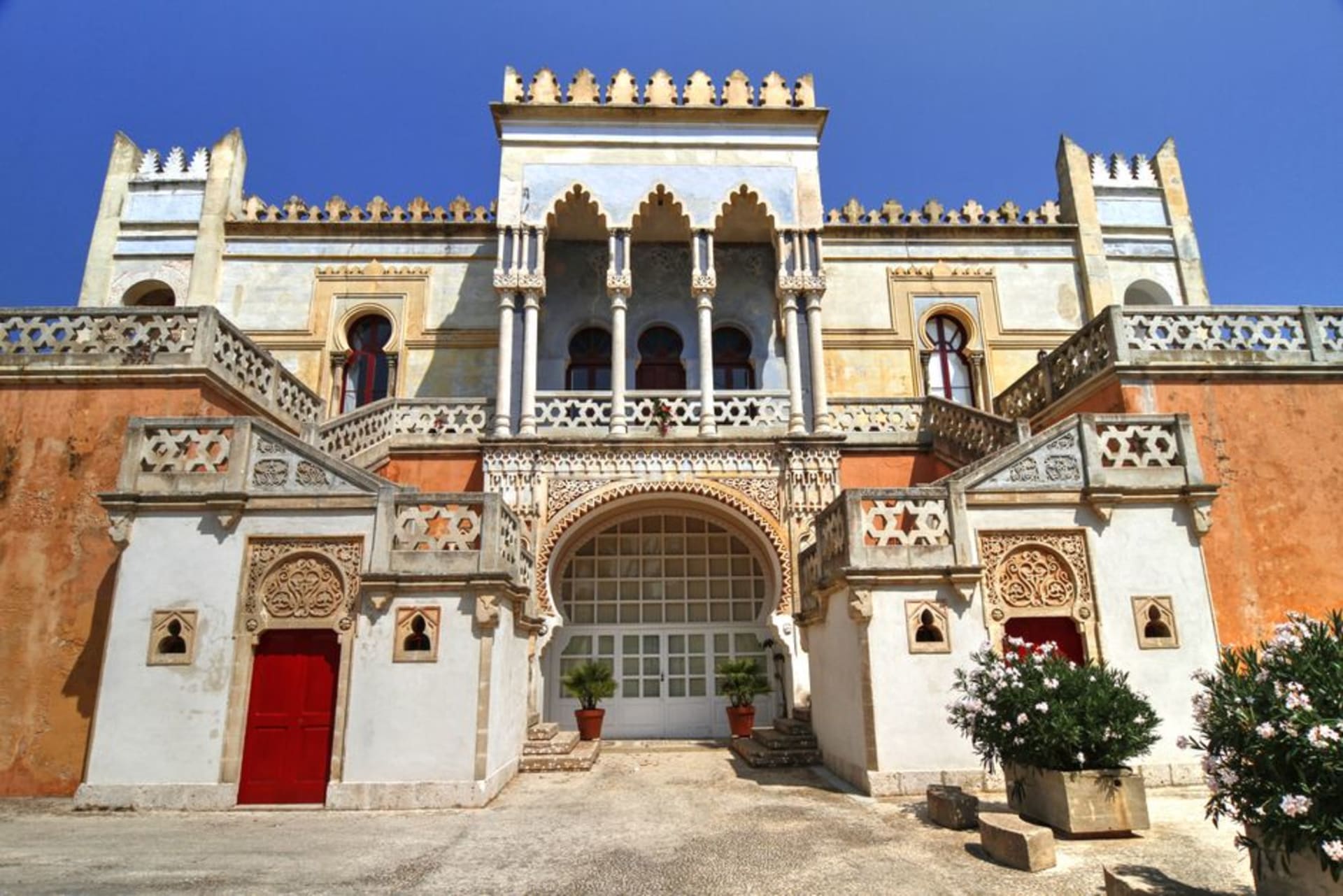
"Santa Cesarea Terme is the one town in Puglia that looks like it wandered in from a different country and decided to stay."
A thermal spa town built above sulphur caves on Salento's Adriatic cliffs, where the sea itself steams faintly and the architecture went unapologetically Moorish.
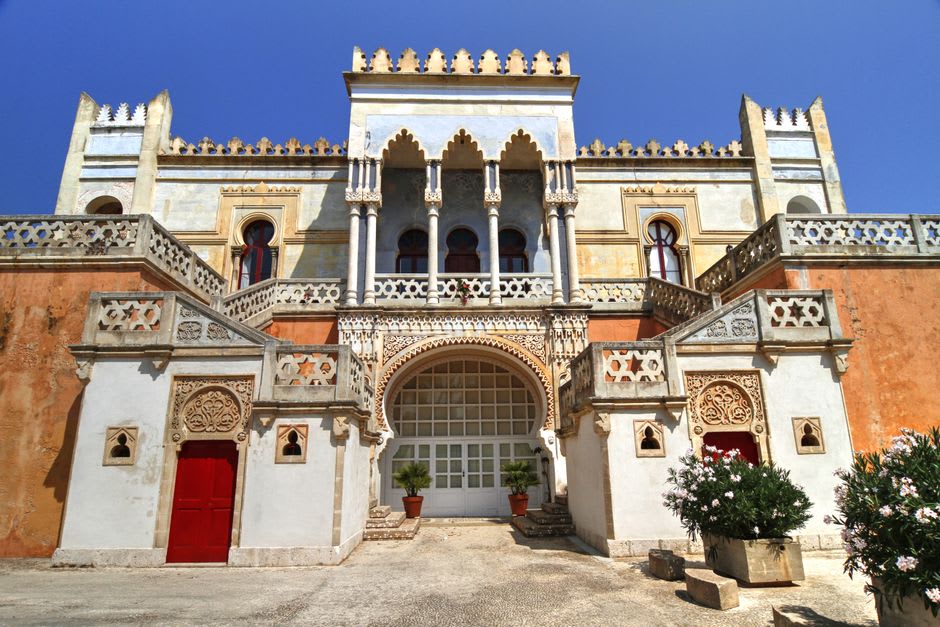
The first thing that struck me about Santa Cesarea Terme was how little it resembles the rest of Salento. Driving down the coast road from Otranto, the whitewashed cubic towns give way suddenly to a cluster of buildings with onion domes, horseshoe arches, and striped stonework in a full-throated Moorish revival style, perched on cliffs above a sea that, if you look closely near the shoreline, gives off a faint haze of steam. The town was built almost entirely around its sulphurous thermal caves, discovered and developed into a spa resort in the late nineteenth century, and the architecture committed fully to an exotic fantasy version of what a spa town should look like.
The caves themselves — there are four, each named for a saint, each with slightly different water temperature and mineral concentration — sit at sea level beneath the main thermal baths building, and the water flows out into the sea directly, which is why you can, if you know where to look, find warm patches along the rocks below town even without paying for the formal spa treatments. The sulphur smell announces itself before you see anything, faintly eggy and mineral, and after the first ten minutes you stop noticing it, which I’m told is either a sign of acclimation or of diminished sense of smell — either way, it stops being a problem.
We paid for an afternoon at the spa itself, which does inhalation treatments and mud baths for respiratory and skin conditions using the mineral water — genuinely old-school spa medicine, not a wellness rebrand — and then, more to our taste, went down to the rocks along the shore where locals swim for free in coves where the thermal water mixes with the sea. The temperature difference between pockets of water, sometimes within arm’s reach of each other, was strange enough that I kept swimming back and forth between warm and cold just to feel it.
The town above the baths is small, built along the clifftop road with a scattering of pastel villas from the same belle-époque period as the spa building, several now converted into hotels. There isn’t much to do beyond the caves and the sea — no cathedral, no old town to wander — and that turned out to be the appeal. We had dinner on a terrace overlooking the water, the domes of the spa building lit up gold below us, and agreed that this was one of the strangest and most specific places either of us had been in Italy.
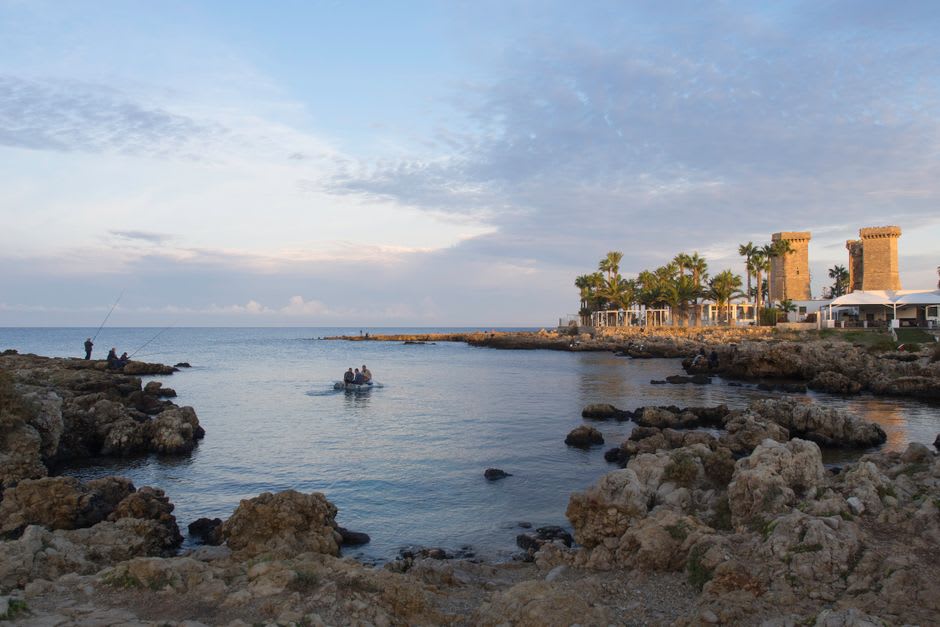
When to go: Summer for swimming in the coves and coastal atmosphere; the spa itself operates a longer season, into autumn, for those coming specifically for the thermal treatments. Avoid expecting a beach-town buzz — this is a niche, quieter kind of destination even at peak season.
Keep exploring
More from Puglia
 puglia
 Santa Maria al Bagno
A quiet Ionian marina near Nardò with pastel villas, a small rocky harbour, and a set of murals telling a Jewish refugee story most visitors to this coast never hear.
Explore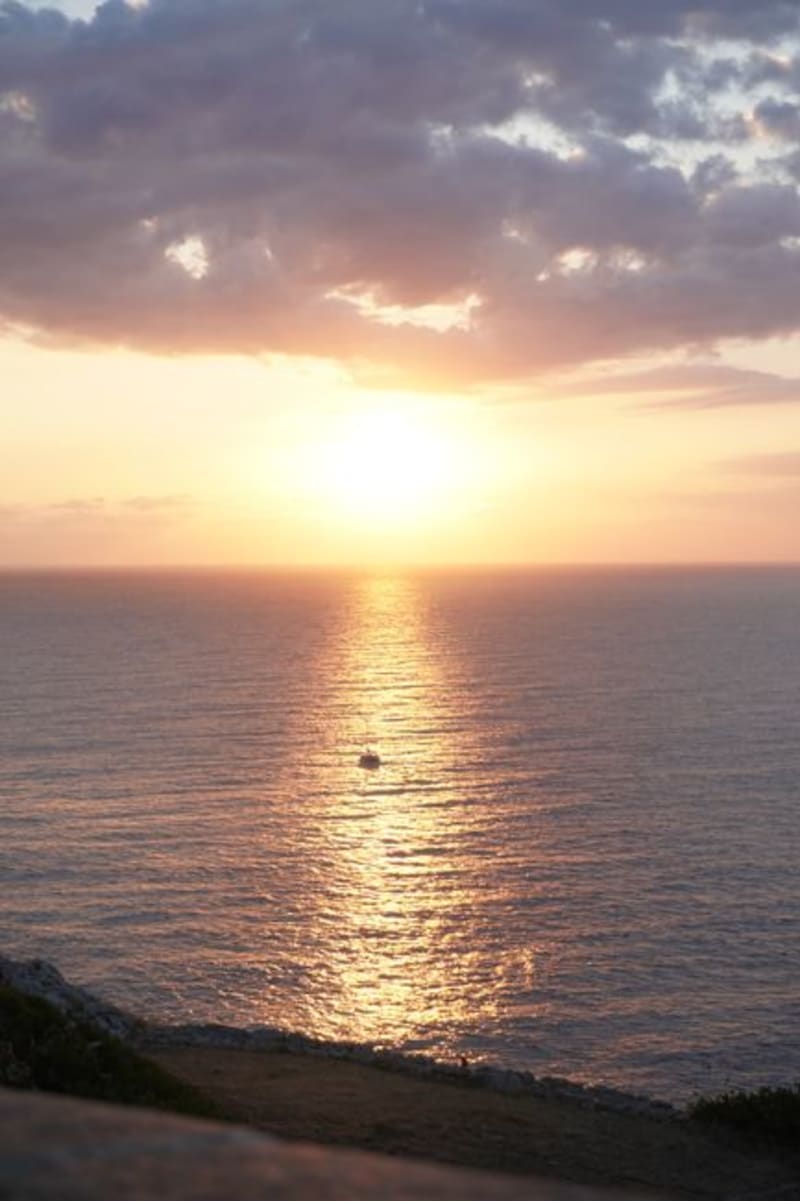 puglia
 Santa Maria di Leuca
The literal end of Italy, where the Adriatic and Ionian seas meet beneath a lighthouse and a sanctuary, and the road simply stops.
Explore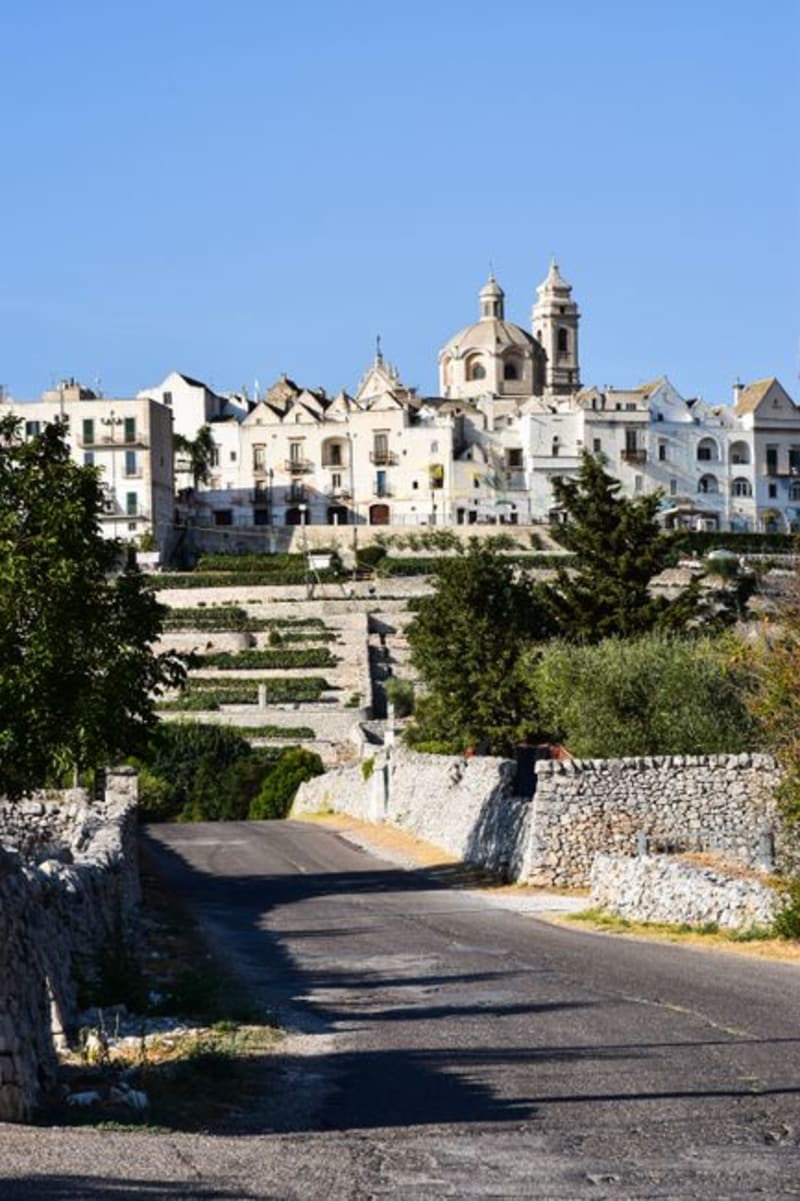 puglia
 Santeramo in Colle
A high Murgia countryside town known for its bread and pasta-making tradition, ringed by wheat fields, drystone walls, and masserie that have shifted from sheep farming to agritourism.
Explore puglia
 Saturo
A quiet stretch of the Ionian coast near Leporano where Greek colonists first landed millennia before Taranto existed, and the ruins now sit yards from a public beach.
Explore puglia
 Savelletri
A small Adriatic fishing village near Fasano surrounded by ancient olive groves and luxury masserie, with some of the best seafood on this coast served a few steps from the boats that caught it.
Explore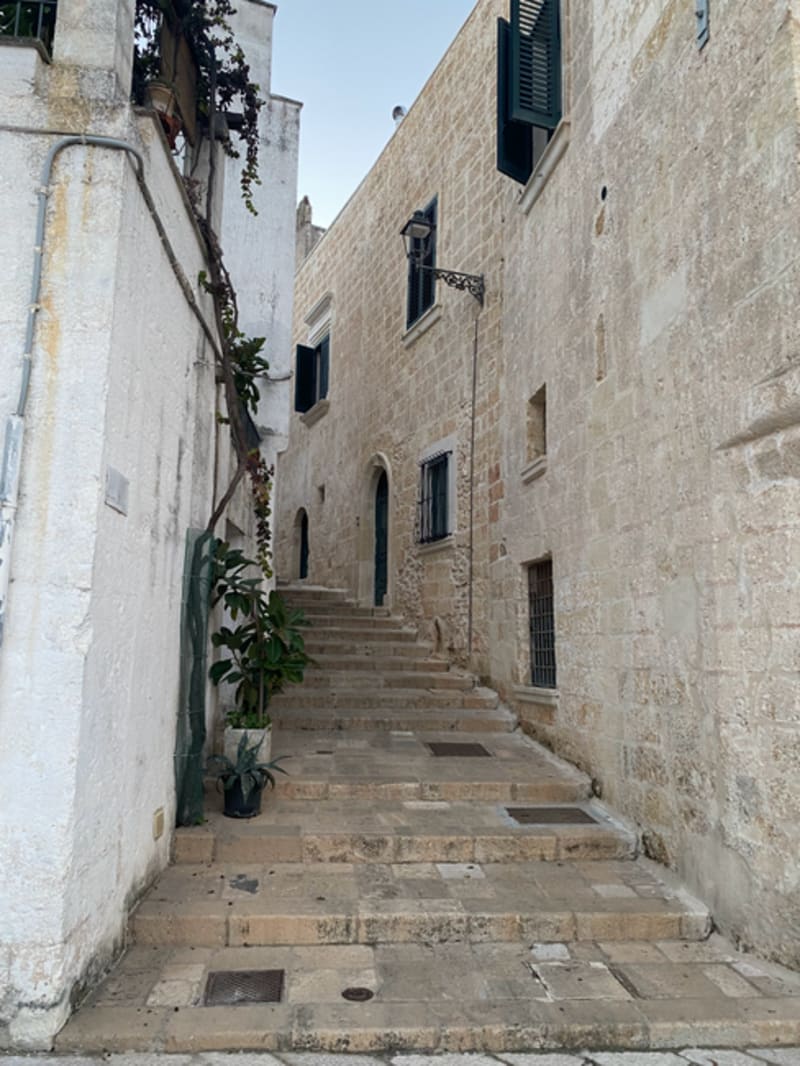 puglia
 Specchia
One of Italy's officially designated 'most beautiful villages,' a hilltop borgo in the deep Salento built almost entirely from pale local stone.
Explore