San Foca
"San Foca doesn't try to be Otranto or Gallipoli. It just gets on with being a good place to swim."
A small Adriatic fishing marina near Melendugno that turns into one of Salento's most relaxed summer bases, with cliffside swimming spots just up the coast.
San Foca is the kind of place that shows up on nobody’s must-see list and ends up being where you actually want to stay. It’s a small marina on Salento’s Adriatic coast, part of the comune of Melendugno, with a working fishing harbour at one end and a low seafront promenade running along the rest — no grand monument, no cathedral, just a coastal town doing its ordinary summer business, which turned out to be exactly what I wanted after a week of chasing Baroque facades in Lecce.
The harbour itself is small and still functional — a handful of trawlers tie up there most mornings, and by mid-morning there’s usually a stall selling the overnight catch directly off the boats. I bought a bag of small fresh anchovies from a fisherman who barely looked up from folding his nets, took them to the apartment we’d rented, and fried them with lemon for lunch. It’s the kind of transaction that feels almost too simple to be real after years of restaurant menus translating the same fish into something three times the price.
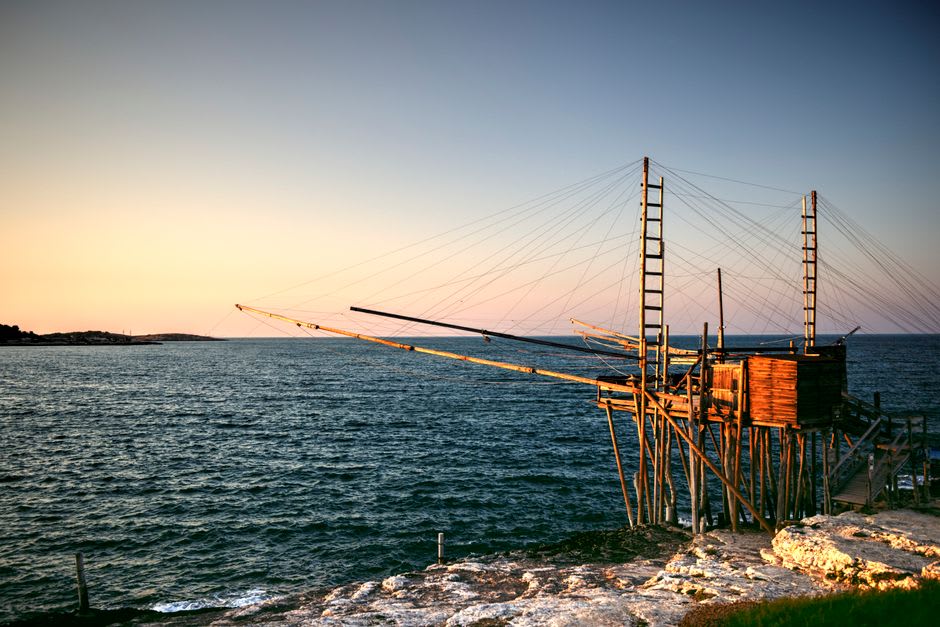
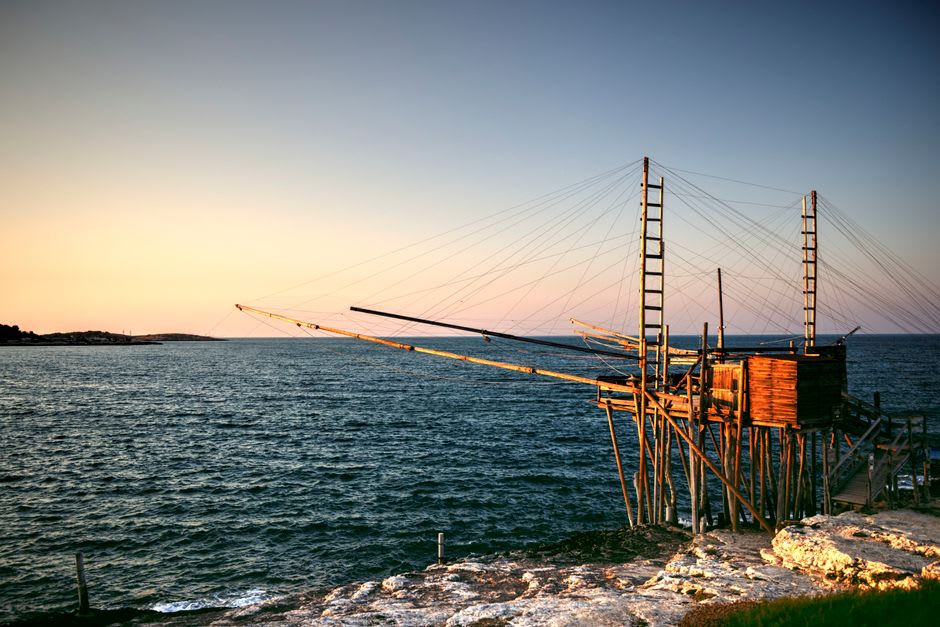
What makes San Foca a genuinely good base is the coastline immediately around it. A few kilometres north sits Torre dell’Orso with its famous twin sea stacks; a few kilometres south, past the marina, the coast turns rocky and folds into a series of low limestone cliffs and inlets good for swimming and cliff-jumping if you’re the sort who likes that — I am moderately the sort, and found a ledge about four metres up that felt appropriately terrifying on the way down. The water off San Foca itself is clear and swimmable directly from a small sandy stretch by the harbour, without needing to drive anywhere.
In the evenings the promenade fills with exactly the crowd you’d expect from a family beach town — gelato, bikes, the occasional accordion — and it never once felt like it was performing for tourists. We ate grilled orata one night at a place two streets back from the water where the menu was handwritten and the wine came in an unlabeled bottle from someone’s relative’s vineyard, and it was one of the better simple meals of the whole trip.
When to go: July and August for full beach-town energy, with the harbour and promenade at their liveliest. June and September give quieter water and easier parking, and the sea stays warm enough to swim well into October.
Keep exploring
More from Puglia
 puglia
 San Giovanni Rotondo
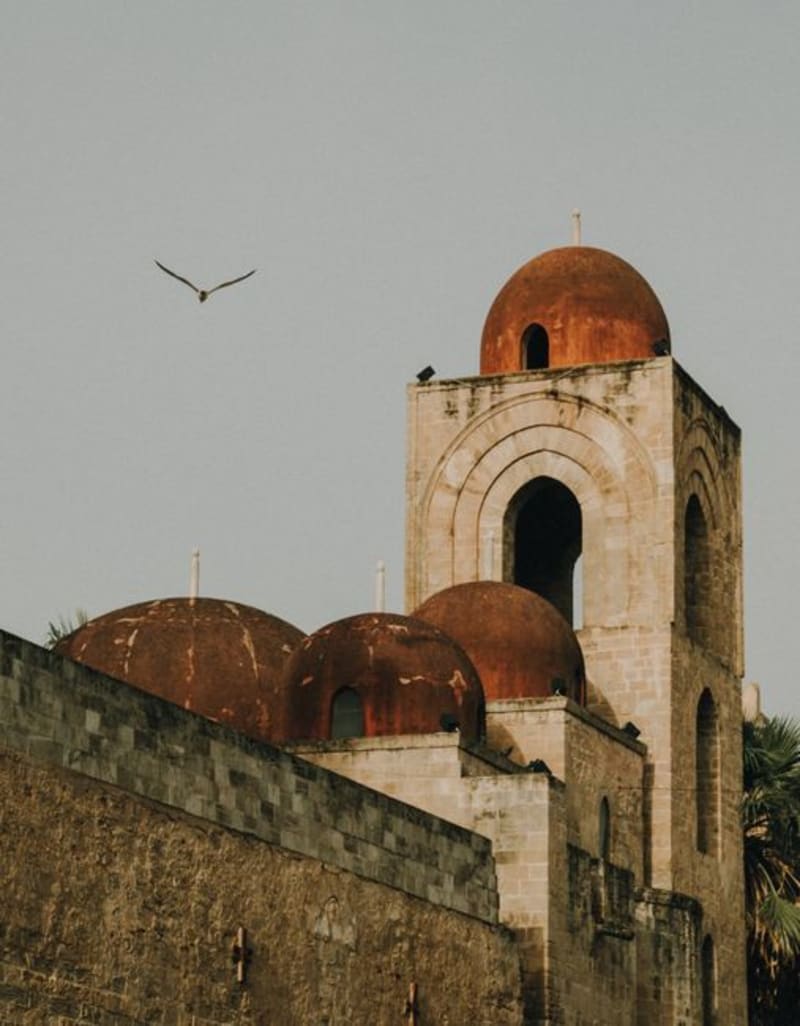
A pilgrimage town built around the friary of Padre Pio, where a modern Renzo Piano church shares the hillside with the humble cell where the saint lived and bled for fifty years.
Explore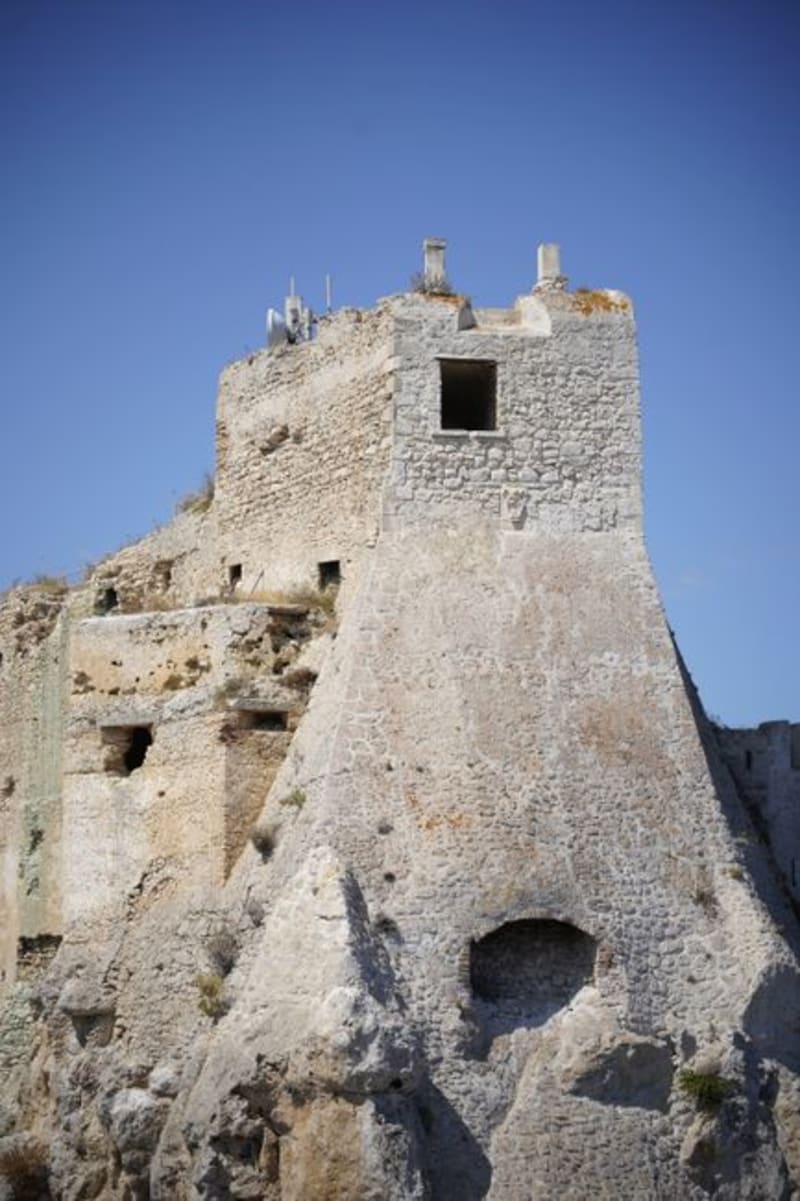 puglia
 San Marzano di San Giuseppe
An Arbëreshë town founded by Albanian refugees, now home to one of Puglia's most respected Primitivo cooperatives and a wine culture with a foreign accent.
Explore puglia
 San Severo
The unglamorous capital of Puglia's largest wine-producing zone, on the flat Tavoliere plain, where the cantine outnumber the tourists by a wide margin.
Explore puglia
 San Vito dei Normanni
A modest inland town near Ostuni with a Norman castle at its centre and one of Puglia's most striking megalithic dolmens hidden in the olive groves outside it.
Explore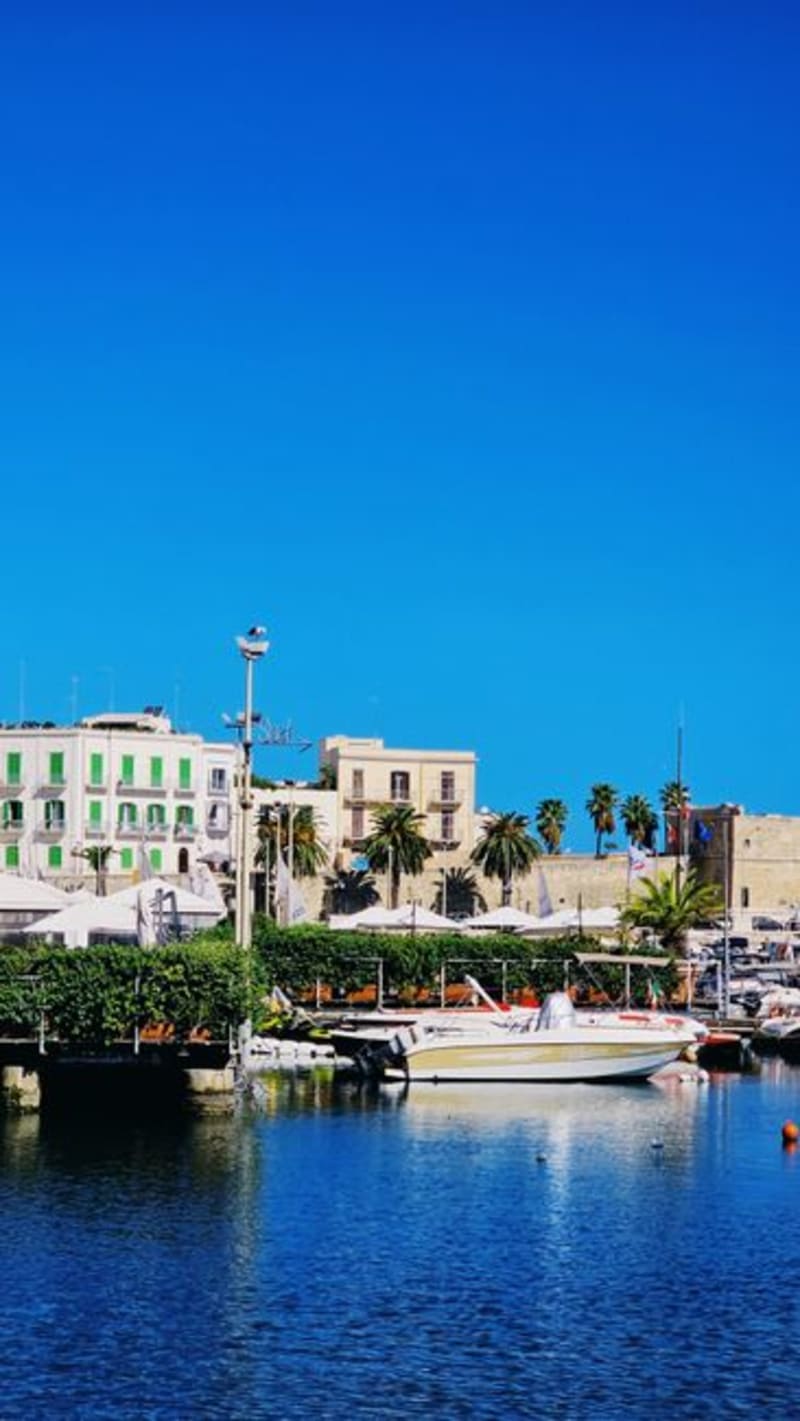 puglia
 Sannicandro di Bari
A modest countryside town in the Terra di Bari with a moated Swabian castle at its heart, surrounded by vineyards and the working masserie of the surrounding plain.
Explore puglia
 Santa Cesarea Terme
A thermal spa town built above sulphur caves on Salento's Adriatic cliffs, where the sea itself steams faintly and the architecture went unapologetically Moorish.
Explore