Pescoluse
"I have stood on beaches in actual tropical countries that argued less convincingly for the word paradise than this one does."
A stretch of pale sand and impossibly clear shallow water on the Ionian coast that locals nicknamed the Maldives of Salento, and the nickname is not really an exaggeration.
I resisted the name for a long time before I visited. “The Maldives of Salento” sounded like exactly the kind of marketing overreach that Mexican beach towns deploy constantly, so I went to Pescoluse expecting a slightly-better-than-average stretch of sand with an inflated nickname attached. Instead I stood at the edge of the water within the first ten minutes and had to admit that whoever coined the phrase was, if anything, underselling it. The sand is pale and fine, almost powder-textured, and the water over it is the kind of shallow, layered turquoise that usually requires a plane ticket somewhere far more tropical than the heel of Italy.
The beach runs for several kilometres along the Ionian coast south of Torre Pali, backed by low dunes and Mediterranean scrub rather than the developed seafront you find further north near Gallipoli. Much of it is organized into lidos — the private beach clubs with sunbeds and umbrellas that dominate the Italian coastal experience in summer — but a free public stretch runs alongside them, and the water quality doesn’t discriminate between the two. We rented two sunbeds at a lido with a straw-roofed bar for the day, more for the shade than any need for infrastructure, and spent most of the afternoon simply walking out into water that stayed waist-deep for what felt like a hundred metres before it finally deepened.
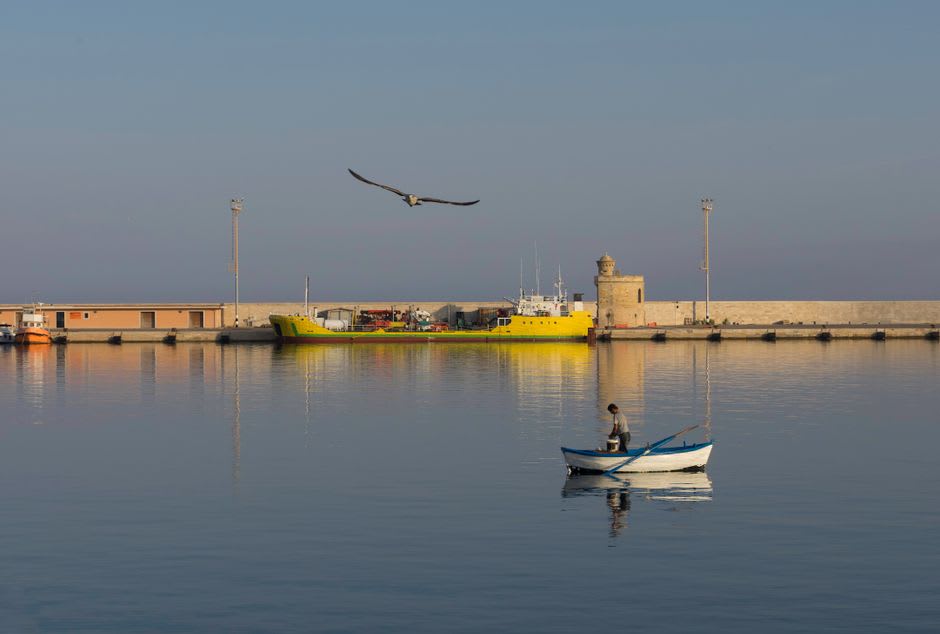
What surprised me most was how unglamorous the town behind the beach is, in the best sense. Pescoluse itself is a modest cluster of low buildings, holiday rentals, and a handful of gelaterias and pizzerias, without the Baroque architecture or historic weight of Lecce or Nardò inland. It exists almost entirely in service of the beach, and it does that one job without pretension. We had a late lunch of frisella — the dried Salento bread soaked briefly in seawater or water, then topped with chopped tomato, oregano, and oil — at a beach shack that seemed to have no name, sitting at a plastic table with sand still on our feet, and it was one of the better meals of the whole trip precisely because nobody was trying to impress anyone.
The Isola dei Conigli — Rabbit Island — sits just offshore near the southern end of the beach, close enough to wade to at low tide or times of calm water, and locals treat it as an extension of the beach rather than a separate destination. We waded over in the late afternoon when the crowds had thinned, and from that small rise looking back at the mainland, the whole stretch of white sand and pale water looked less like Italy than like a photograph somebody had mislabeled.
When to go: June and the first half of September give you the clearest water with manageable crowds. July and August are genuinely packed — this is one of Salento’s most photographed beaches, and Italian families book lido spots weeks in advance. Outside of the swimming season the beach empties almost entirely and loses much of its reason for being.
Keep exploring
More from Puglia
 puglia
 Polignano a Mare
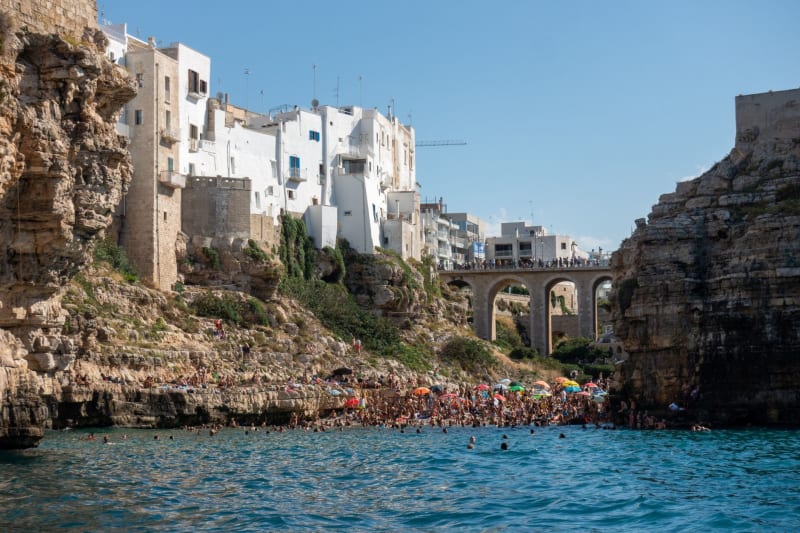
A town built on the edge of a cliff above sea caves, where the Adriatic crashes forty metres below your coffee cup.
Explore puglia
 Porto Cesareo
A low-key Ionian resort town backed by a protected marine reserve, where shallow lagoons and small islets make the water read like a swimming pool built by geology.
Explore puglia
 Presicce
A quiet Salento town honeycombed with underground olive oil mills, once called the City of Oil Underground for the labyrinth beneath its streets.
Explore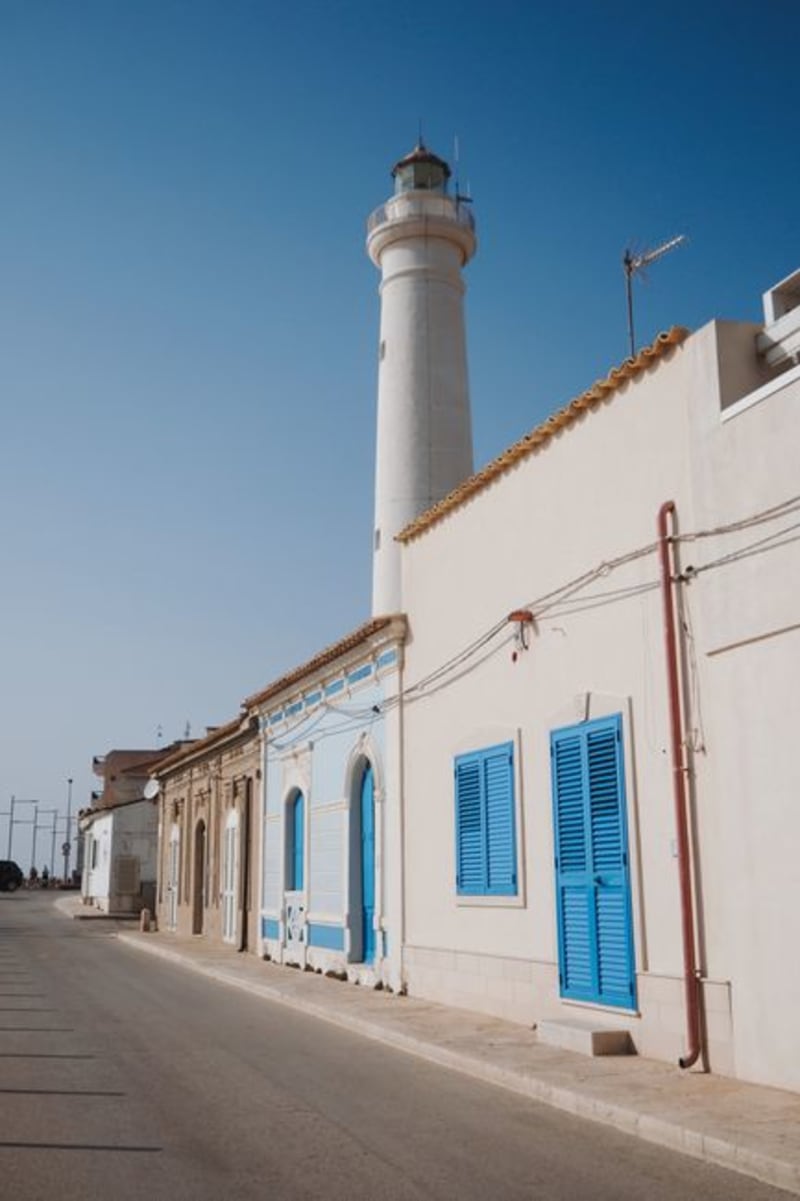 puglia
 Punta Prosciutto
A stretch of low dunes and shallow turquoise water on the Ionian coast that Puglians will tell you, quietly, is better than anything in Sardinia.
Explore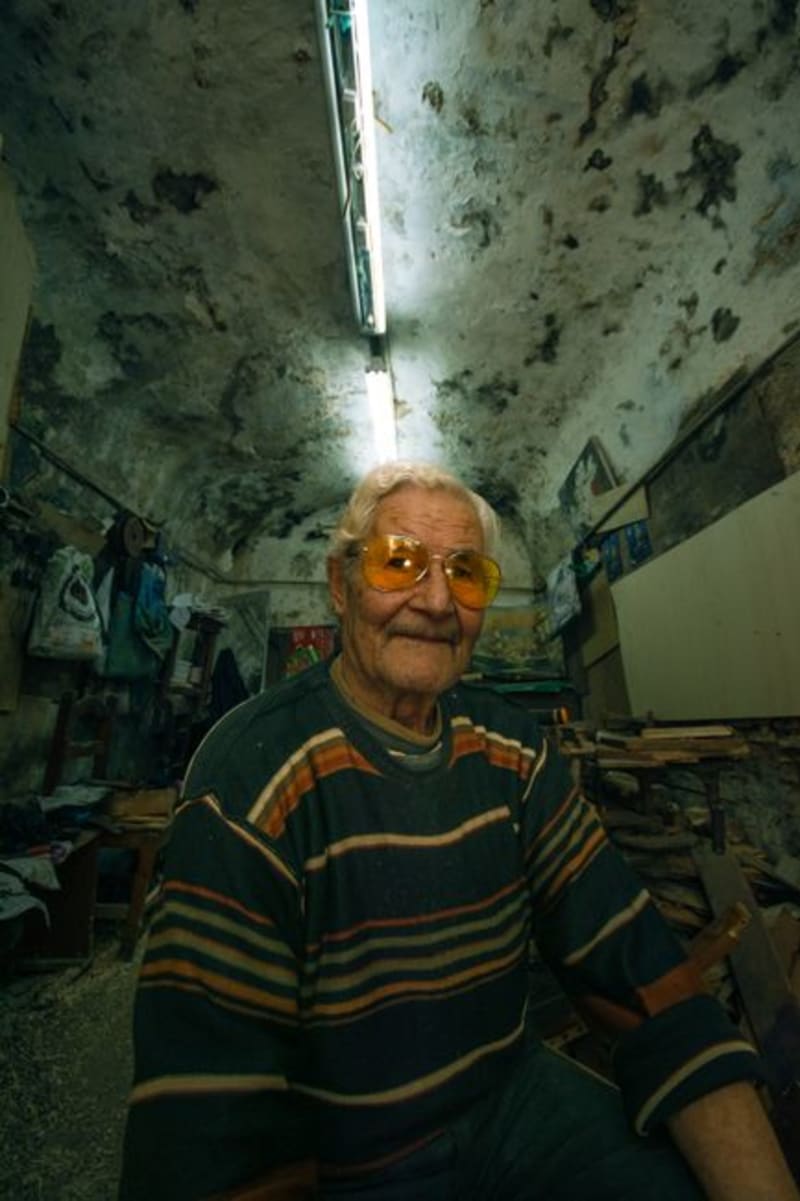 puglia
 Putignano
A Murgia hill town famous for having the longest Carnival in Europe, and for the rest of the year, an underground network of caves running beneath its own historic centre.
Explore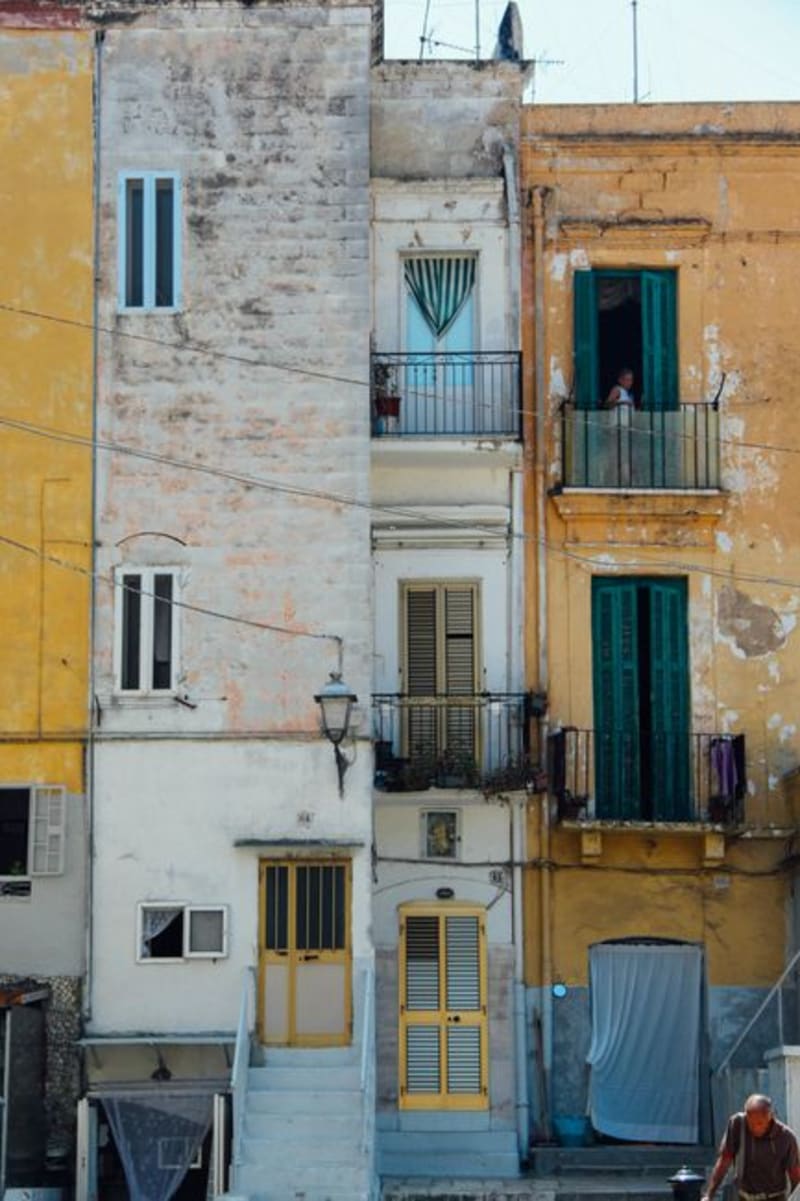 puglia
 Rodi Garganico
A quiet citrus-scented port town on the Gargano's northern coast, its old quarter perched on a small headland above the ferry docks to the Tremiti Islands.
Explore