Nardò
"Nardò gave me the Baroque density of Lecce and the crowd density of a town nobody had told me to visit."
A Baroque inland town in the Salento with a cathedral square as ornate as Lecce's but a fraction of the visitors, plus a wild limestone coast a short drive away.
Everyone who plans a Salento trip gets told to go to Lecce for the Baroque architecture, and they are right to be told that, but almost nobody mentions Nardò, twenty minutes further south, which has its own concentrated dose of the same stone-carved excess and considerably less foot traffic to enjoy it through. I drove in on a whim after a guidebook footnote mentioned the Guglia dell’Immacolata, and found the town’s main square built around exactly that: a soaring, almost cake-like column dedicated to the Immaculate Conception, dense with carved saints and scrollwork, standing at the centre of a piazza that otherwise felt entirely lived-in rather than staged for visitors.
The Palazzo Ducale anchors one side of the square, its balconies and windows framed in the same golden-hued local limestone that gives so much of the Salento its particular warm light in late afternoon. I sat at a café table across from it with an espresso and watched the ordinary business of a Tuesday — kids on bicycles cutting across the piazza, an elderly man setting up a folding chair in the exact patch of shade he clearly occupies every day, none of it performed for anyone. Nardò has the architectural weight of a place that should be famous and the unbothered civic rhythm of a place that mostly isn’t, and the combination was, for me, more satisfying than Lecce’s polish.
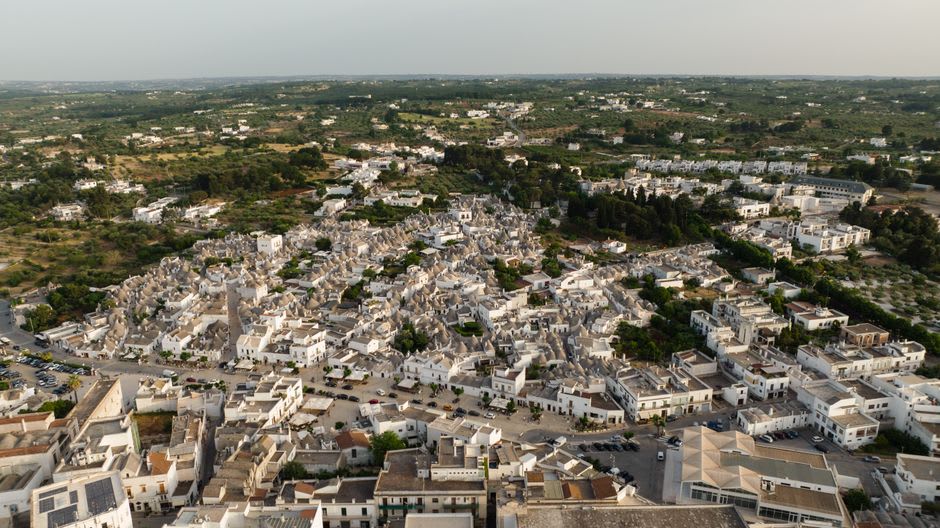
What I hadn’t expected was the coast. Nardò’s municipal territory stretches all the way to the Ionian Sea, and the marina area — Santa Maria al Bagno, Santa Caterina, and Sant’Isidoro — delivers a run of low limestone cliffs, sea caves, and small coves that rival anything further south. I drove out one evening to Santa Caterina and found a rocky shoreline riddled with grottoes, the water below shifting between deep blue in the channels and pale green over the shallow rock shelves, with almost nobody else there at that hour beyond a couple of local fishermen casting lines off the rocks.
Santa Maria al Bagno carries a heavier, quieter history than its postcard coastline suggests — it was one of the towns that hosted Jewish refugee camps after the Second World War, families waiting for passage to Palestine, and a small museum and a striking mural on the seafront commemorate that period. I stood in front of the mural for a while, the sea glittering behind me in a way that felt almost dissonant against what it commemorated, and left with a heavier sense of the region than the beach alone would have given me.
When to go: Late spring and early autumn suit both halves of Nardò well — mild enough for wandering the historic centre at midday, warm enough for swimming at the marinas by afternoon. Summer weekends bring day-trippers to the coastal frazioni, though the old town itself rarely feels crowded even then.
Keep exploring
More from Puglia
 puglia
 Noci
A Valle d'Itria town with its own scattering of trulli, a Saturday market that draws farmers from across the Murgia, and almost no other tourists to share it with.
Explore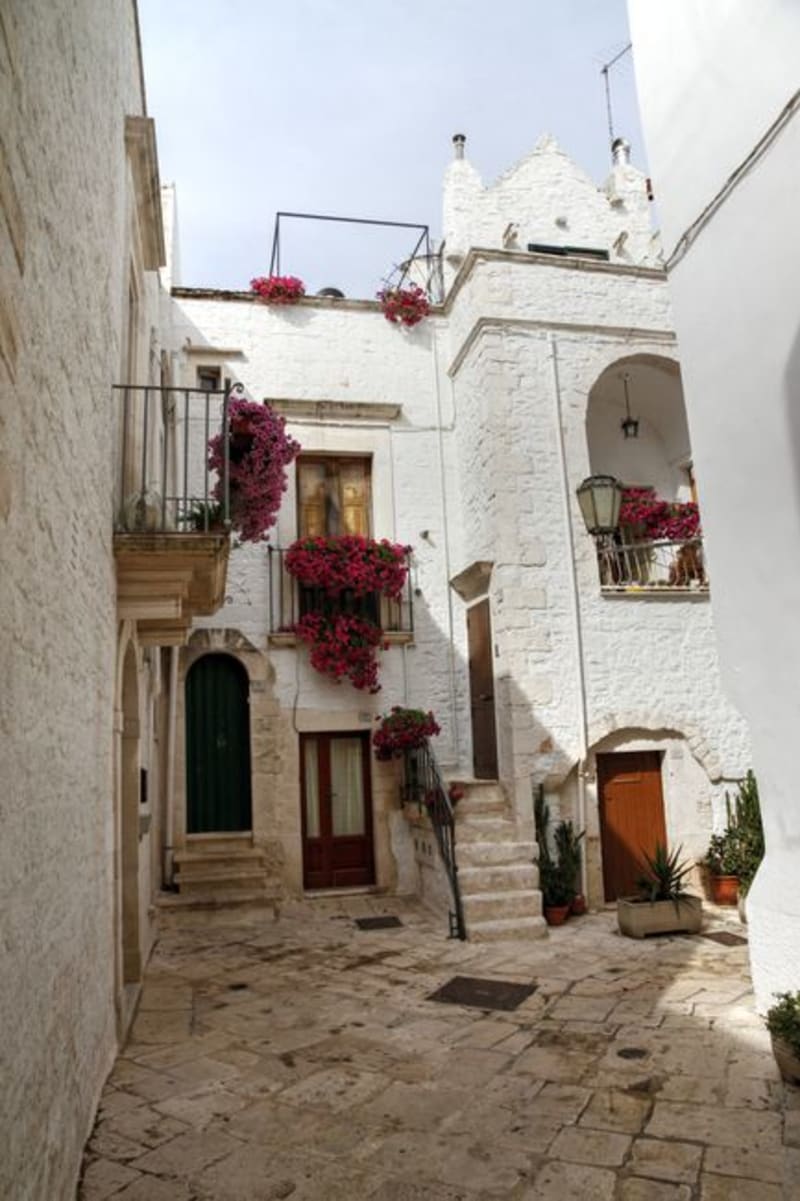 puglia
 Noicàttaro
A quiet wine town in the Terra di Bari countryside, ringed by vineyards growing the local Nero di Troia grape and dotted with the low white masserie that define this stretch of inland Puglia.
Explore puglia
 Orsara di Puglia
A small Daunian hill town famous for its Fanoie bonfire festival and Notte di Zeta pilgrimage through the woods — pagan ritual and Christian devotion fused so seamlessly nobody bothers separating them.
Explore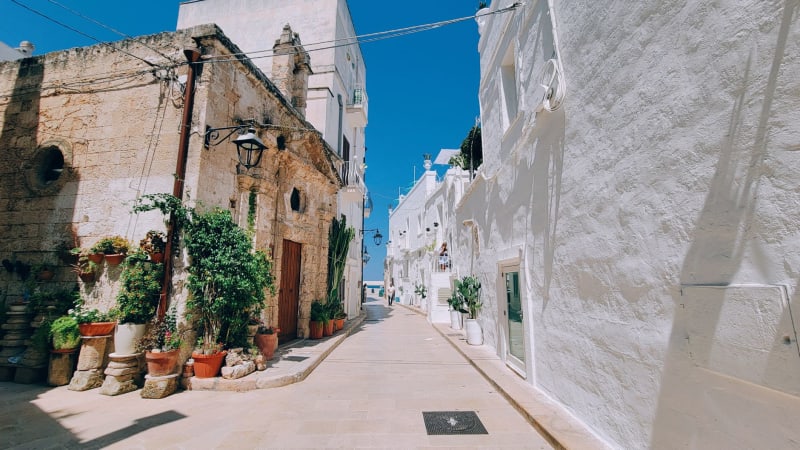 puglia
 Ostuni
A whitewashed hilltop city that turns blinding in direct sun and almost blue in the evening light — and the olive groves below go on forever.
Explore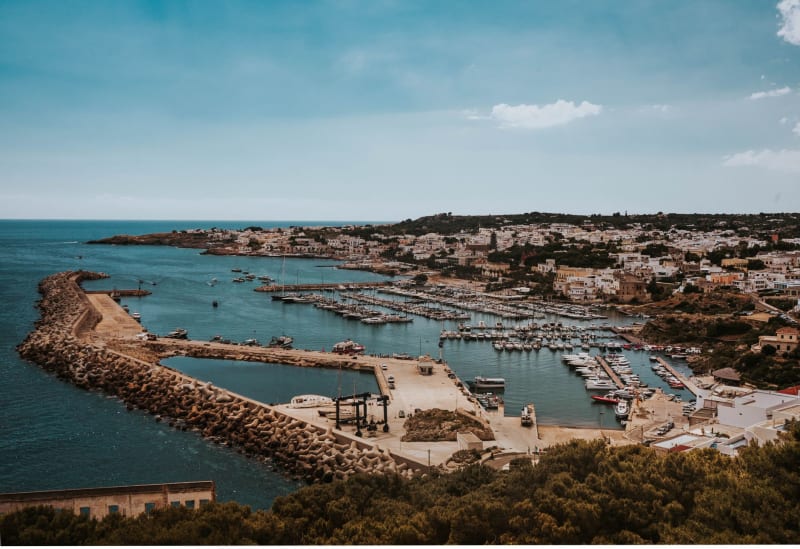 puglia
 Otranto
The easternmost town in Italy, where a cathedral floor holds a twelfth-century map of the universe and the coast faces Albania across fifty kilometres of dark water.
Explore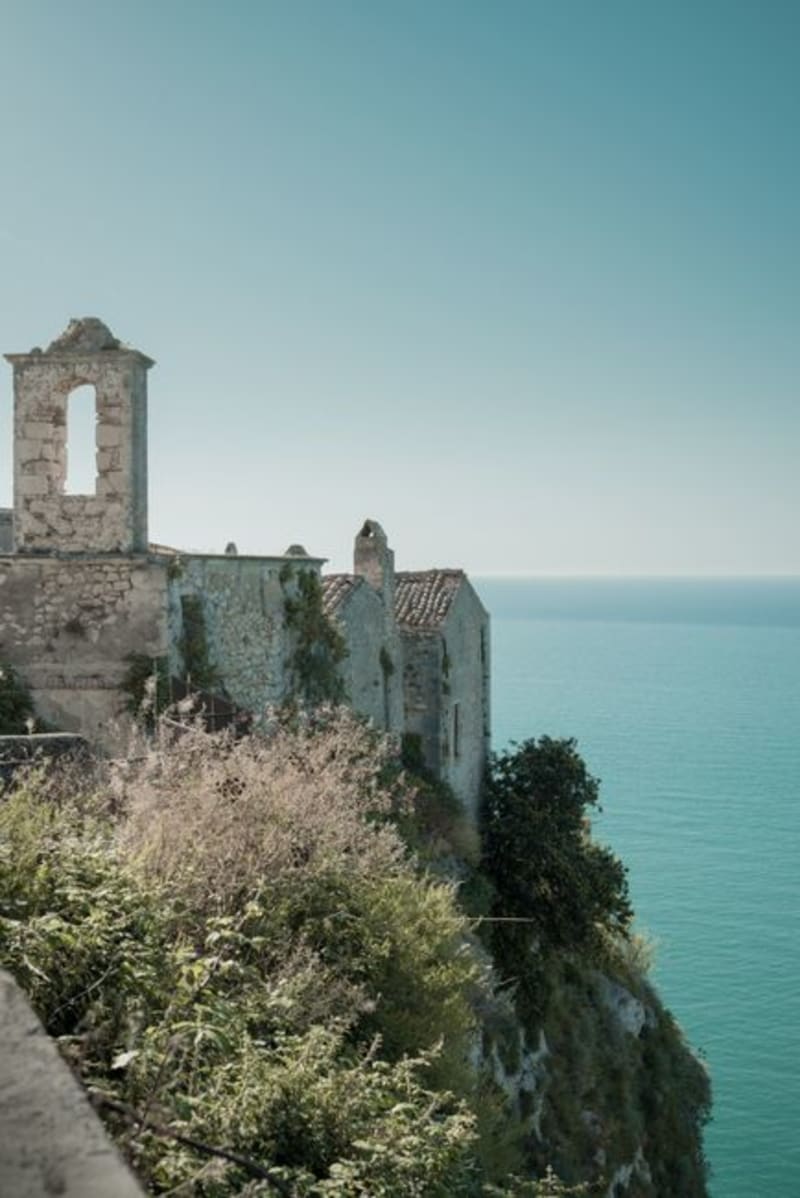 puglia
 Peschici
A whitewashed hill town stacked above its own beach, trabucchi fishing machines silhouetted along the cliffs, and one of the prettiest approach roads on the entire Gargano coast.
Explore