Monte Sant'Angelo
"Fourteen centuries of pilgrims have worn a groove into the sanctuary steps — you can feel it under your own feet."
A UNESCO-listed pilgrimage town on the Gargano's southern slope, built around a fifth-century sanctuary where the Archangel Michael is said to have appeared in a cave.
Arriving at altitude
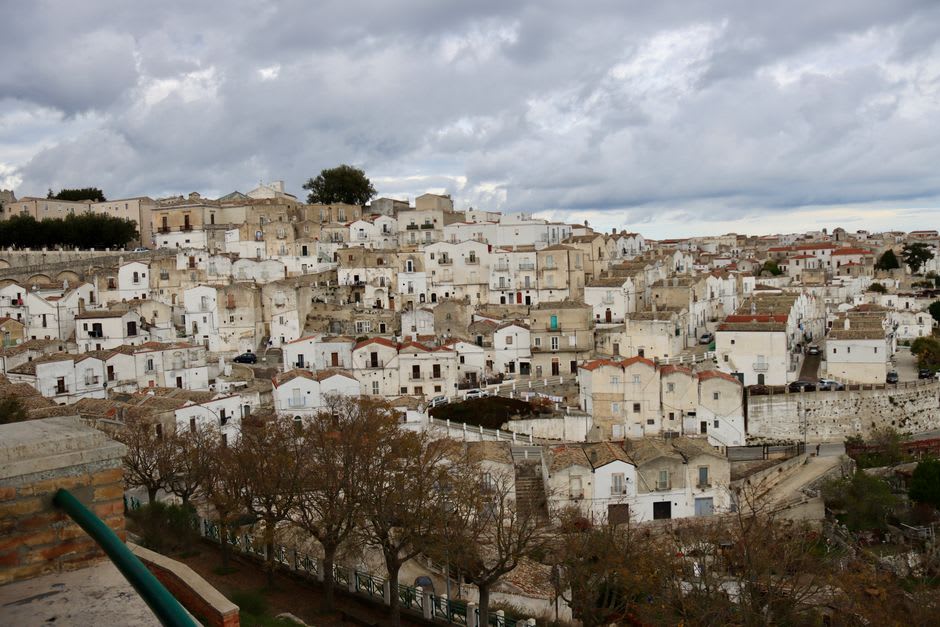
Monte Sant’Angelo sits high on the southern face of the Gargano massif, and the drive up from the coastal plain is a slow unwinding of switchbacks that leaves your ears popping and the temperature noticeably cooler by the time you park. The town appears gradually rather than all at once — first a bell tower against the sky, then stone rooftops, then the full medieval huddle of it clinging to the slope, the Norman castle keep standing guard above the whole arrangement.
The sanctuary
The reason people have been making this climb since the fifth century is the Sanctuary of San Michele Arcangelo, built over a cave where the Archangel Michael is said to have appeared multiple times, leaving behind a red cloak as proof. You descend a long staircase to reach the cave itself — worn into a smooth, shining depression by the feet of pilgrims across roughly 1,500 years — and the church proper is built partly underground, the cave forming its apse, stalactites still visible in places where the natural rock hasn’t been fully absorbed into the architecture.
I went on a weekday afternoon and shared the cave with perhaps a dozen elderly Italian pilgrims saying the rosary with an unhurried, practiced rhythm, and something about being underground in a space that has absorbed this much continuous human hope for a millennium and a half sat with me for the rest of the day in a way I still can’t fully articulate.
The town itself
Above ground, Monte Sant’Angelo is a proper hill town worth wandering for its own sake — the Junno quarter’s tight medieval lanes, external staircases, and stone archways form one of the best-preserved historic cores on the whole peninsula, and it’s part of why UNESCO listed the town as a stop on the ancient Lombard pilgrimage route to Monte Sant’Angelo, alongside six other Lombard sites across Italy. The castle above town, largely Norman with later additions, gives a sweeping view down over the Tavoliere plain toward Manfredonia and the sea.
We ate that evening at a small trattoria on the edge of town, a plate of orecchiette with wild fennel and sausage that the owner described, without any apparent irony, as “food for after you’ve walked with the angels.” It was, at minimum, food for after a long day of steps.
When to go: Late spring through early autumn for clear views off the massif; the sanctuary itself is open and atmospheric year-round, and cooler months bring fewer coach-tour crowds through the cave.
Keep exploring
More from Puglia
 puglia
 Mottola
Known as the balcony of the Murgia — a hill town with a view stretching from the plateau to the Gulf of Taranto, and a cluster of rock churches even the guidebooks skip.
Explore puglia
 Nardò
A Baroque inland town in the Salento with a cathedral square as ornate as Lecce's but a fraction of the visitors, plus a wild limestone coast a short drive away.
Explore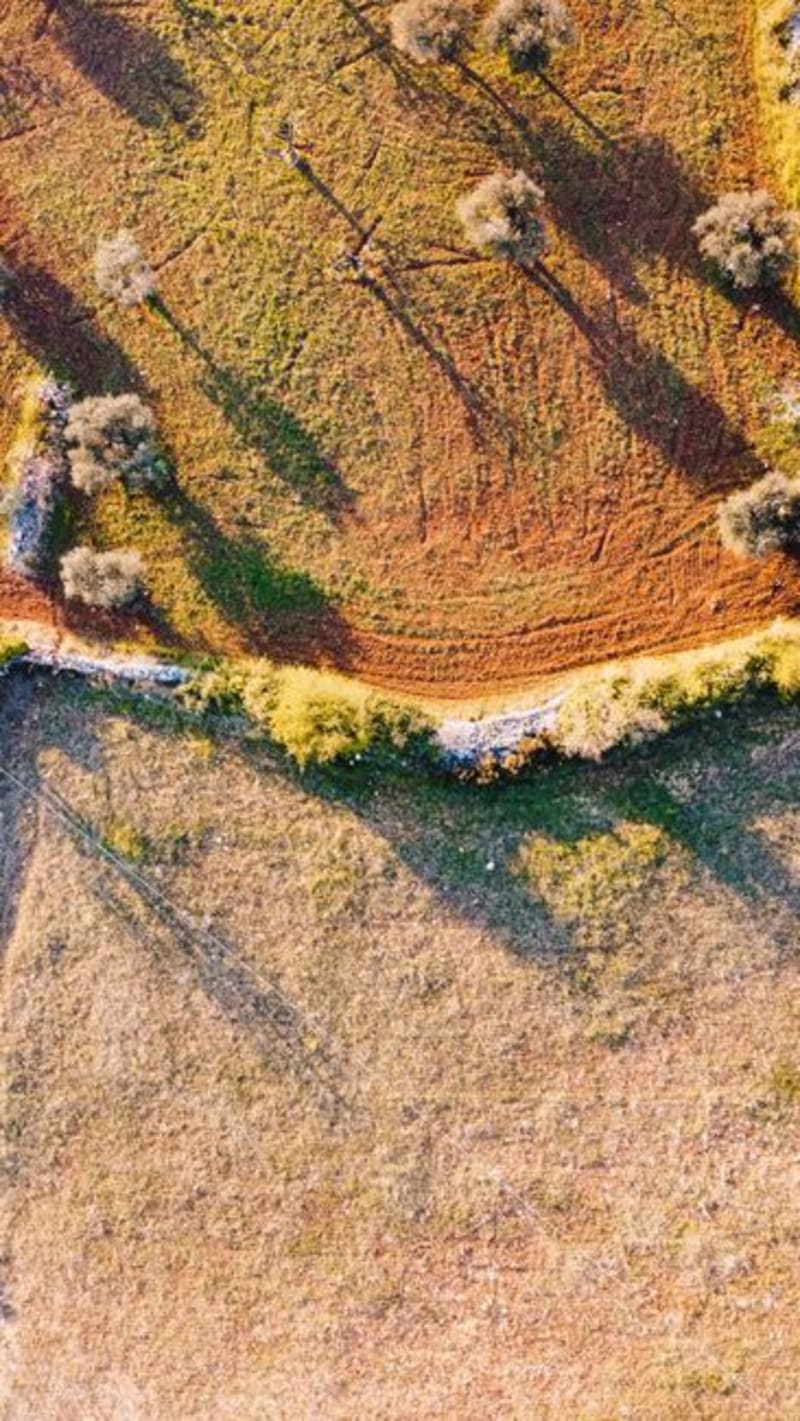 puglia
 Noci
A Valle d'Itria town with its own scattering of trulli, a Saturday market that draws farmers from across the Murgia, and almost no other tourists to share it with.
Explore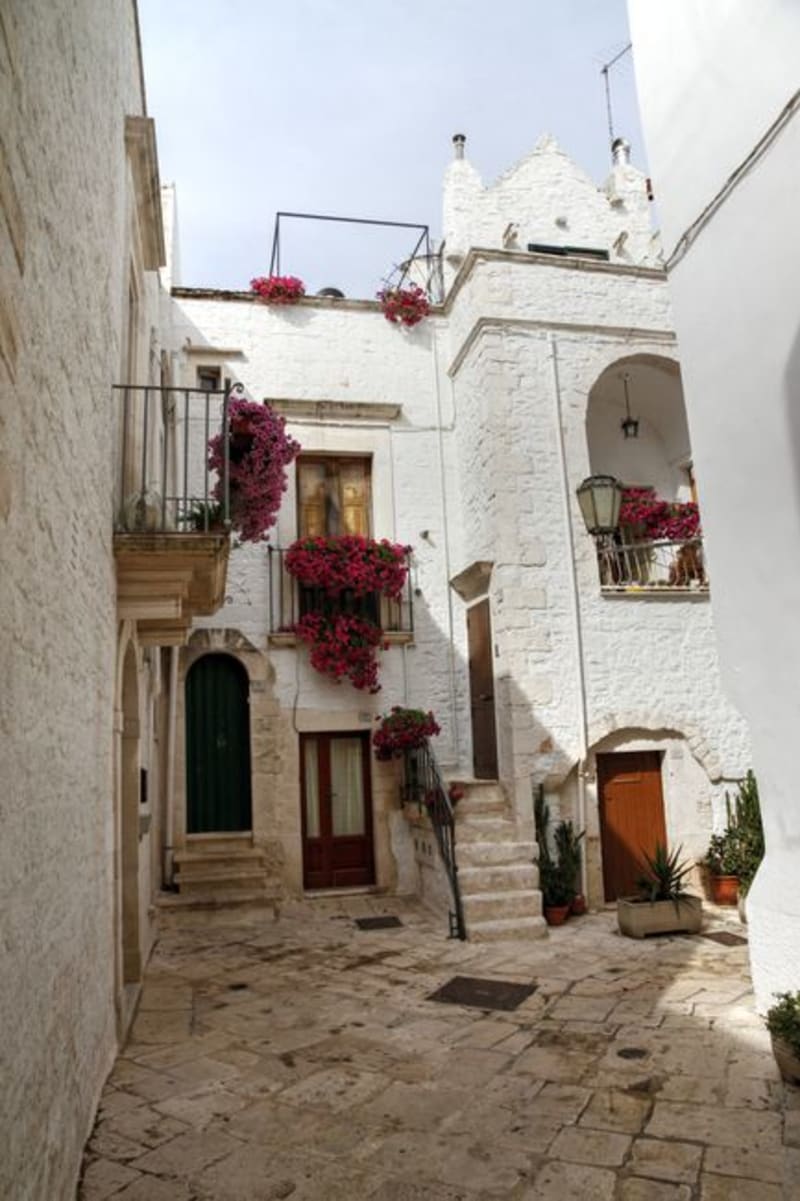 puglia
 Noicàttaro
A quiet wine town in the Terra di Bari countryside, ringed by vineyards growing the local Nero di Troia grape and dotted with the low white masserie that define this stretch of inland Puglia.
Explore puglia
 Orsara di Puglia
A small Daunian hill town famous for its Fanoie bonfire festival and Notte di Zeta pilgrimage through the woods — pagan ritual and Christian devotion fused so seamlessly nobody bothers separating them.
Explore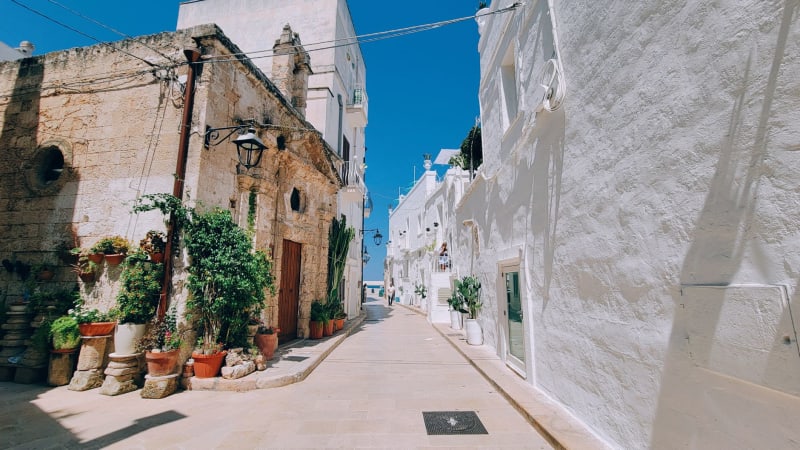 puglia
 Ostuni
A whitewashed hilltop city that turns blinding in direct sun and almost blue in the evening light — and the olive groves below go on forever.
Explore