Massafra
"Massafra keeps its most extraordinary feature at the bottom of a crack in the ground, and most people driving past never notice it's there."
A town split by a ravine full of cave churches and rock-cut hermitages, where the Gravina della Madonna della Scala drops straight through the middle of ordinary daily life.
I found Massafra by accident, following a brown tourist sign off the road between Taranto and Martina Franca that promised something called Gravine, plural, without much further explanation. I nearly kept driving. What I found instead was a town split down its centre by a gorge — the Gravina della Madonna della Scala — thirty-some metres deep and lined on both sides with churches, hermit cells, and dwellings carved directly into the soft limestone, some of them still holding frescoes from the ninth and tenth centuries when Basilian monks fled here from Byzantine persecution and started digging.
You reach the ravine floor by a set of steps that switchback down past the Santuario della Madonna della Scala, a church built half into the rock face so thoroughly that you cannot tell, from certain angles, where the masonry ends and the cliff begins. Inside, a fresco of the Madonna dates to somewhere around the twelfth century, dark and worn and somehow more affecting for its lack of restoration polish. I stood there alone on a Tuesday afternoon; a caretaker was sweeping the courtyard and nodded at me without breaking rhythm.
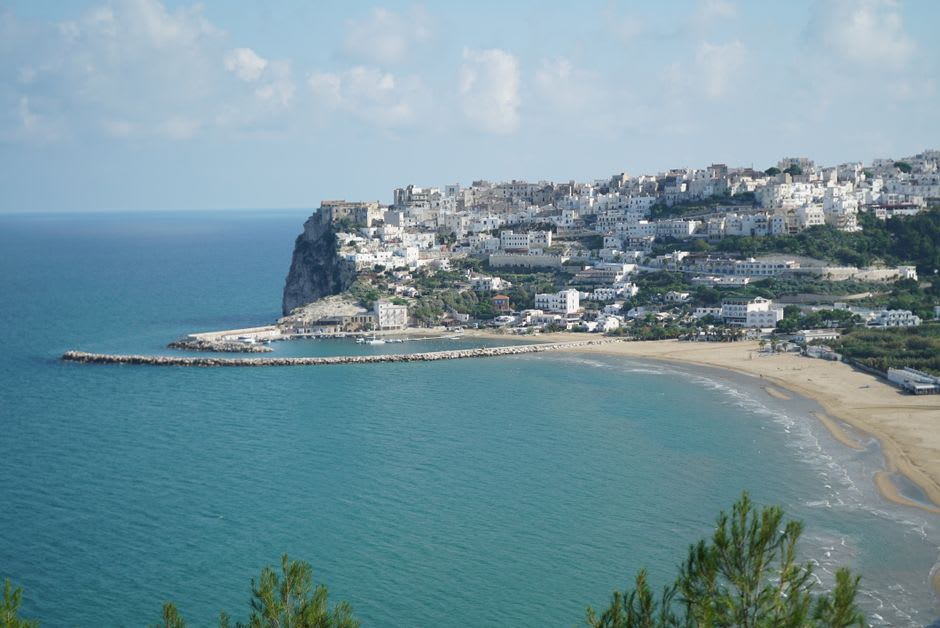
Further along the gorge, past the Farmacia del Mago Greguro — a rock-cut chamber with alchemical carvings that locals once believed belonged to a sorcerer-pharmacist, complete with a shelf of stone niches shaped like apothecary jars — the ravine narrows and the vegetation thickens, prickly pear and wild caper growing sideways out of the rock. Massafra sits on top of two gravine, in fact, and the town’s ordinary streets simply stop at the edge and resume on the other side, connected by bridges that make the geography feel like something out of a folk tale rather than a functioning twenty-first-century town of twenty thousand people.
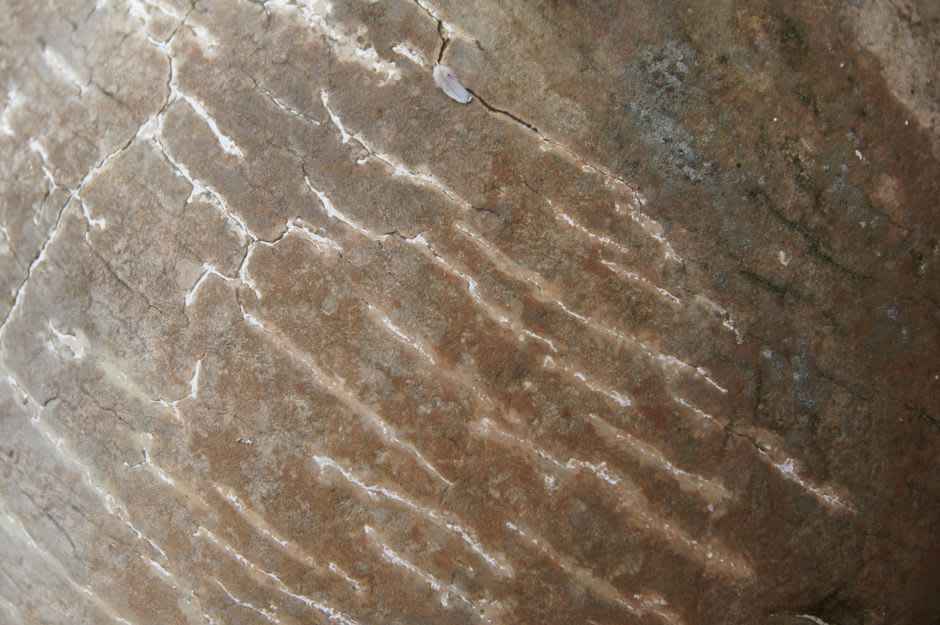
What struck me most was how unbothered Massafra seemed by its own strangeness. There was no queue, no ticket office at most of the sites, no gift shop selling gravina-themed magnets. Just a town going about its business with an eighth-century monastic cave-complex running underneath its feet, treated with the same shrug most places reserve for an old bridge.
When to go: Spring or autumn for comfortable walking temperatures along the ravine paths, which offer little shade. The Settimana Santa (Holy Week) processions through the old town add a solemn, candlelit dimension if your visit lines up with Easter.
Keep exploring
More from Puglia
 puglia
 Mattinata
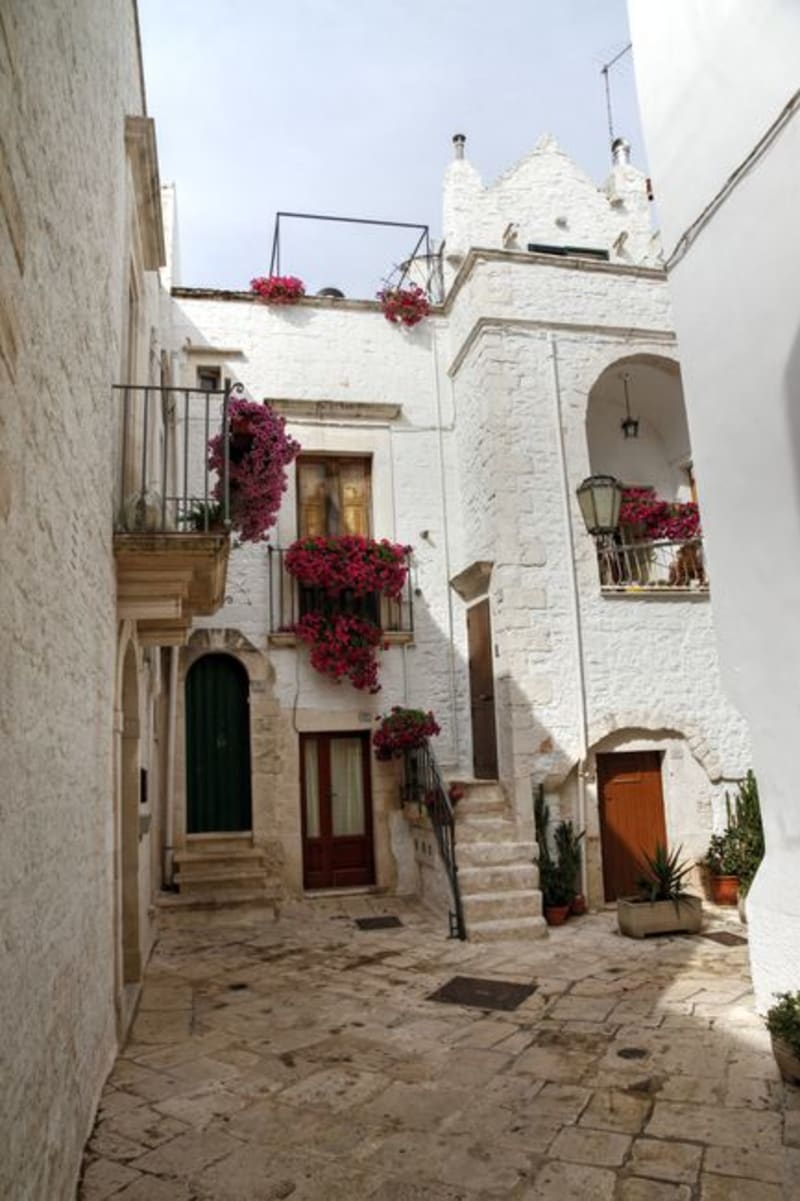
A whitewashed farming town below the Gargano's highest cliffs, gateway to the Baia delle Zagare and some of the peninsula's least crowded coastline.
Explore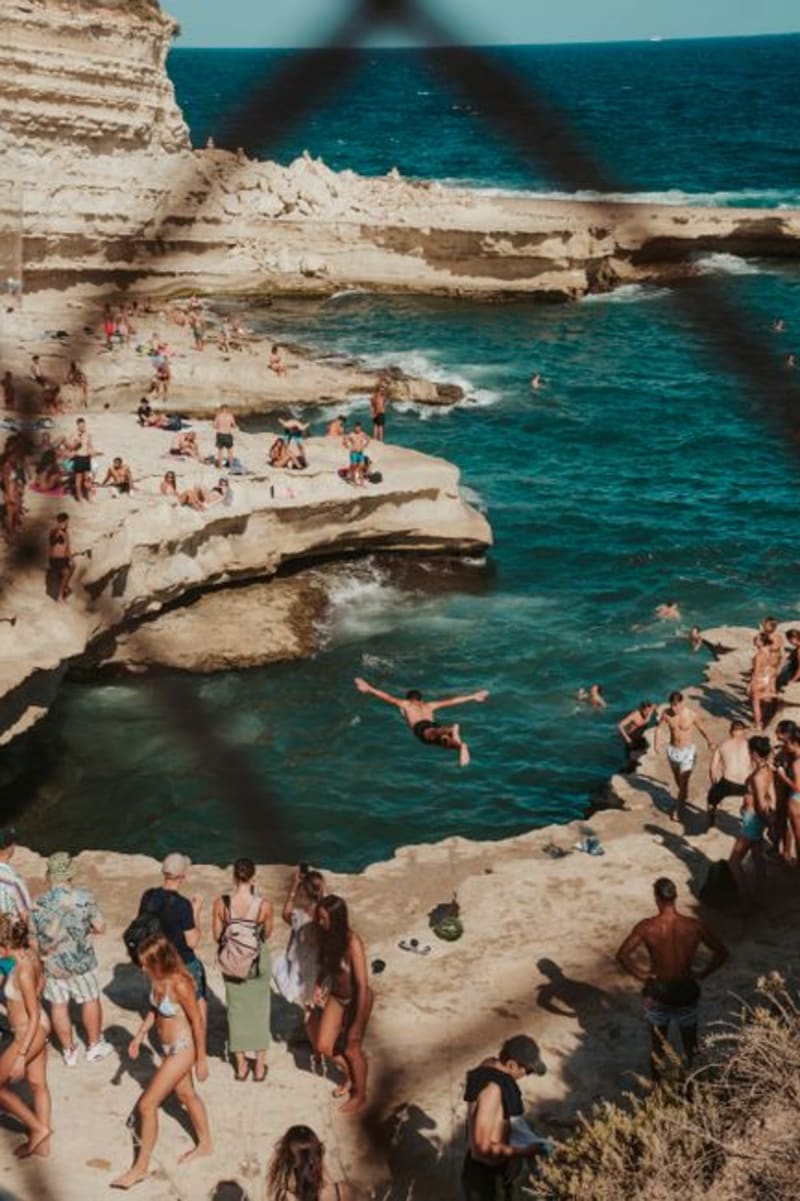 puglia
 Melendugno
An inland Salento town whose coastal frazioni — San Foca and Torre Sant'Andrea — deliver rugged limestone coves without the density of the bigger resort towns.
Explore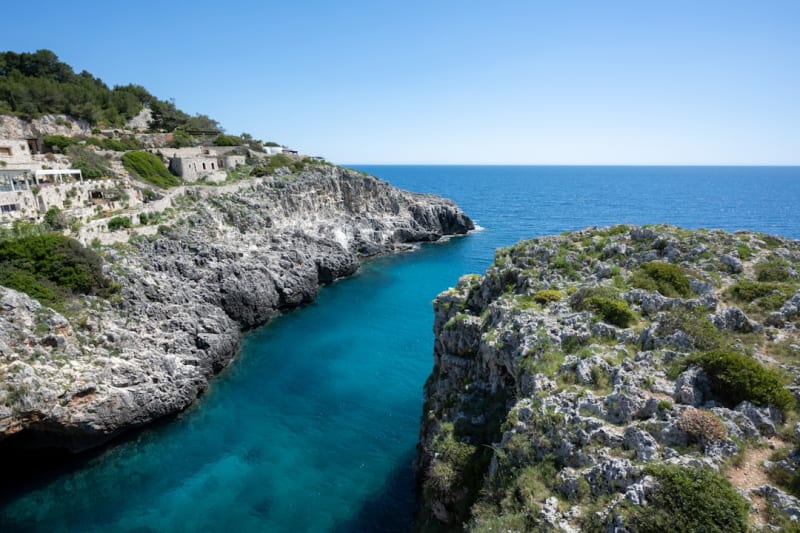 puglia
 Mesagne
A castle town on the Salento wine road where Negroamaro and Malvasia flow from cantine older than anyone in town can date with certainty.
Explore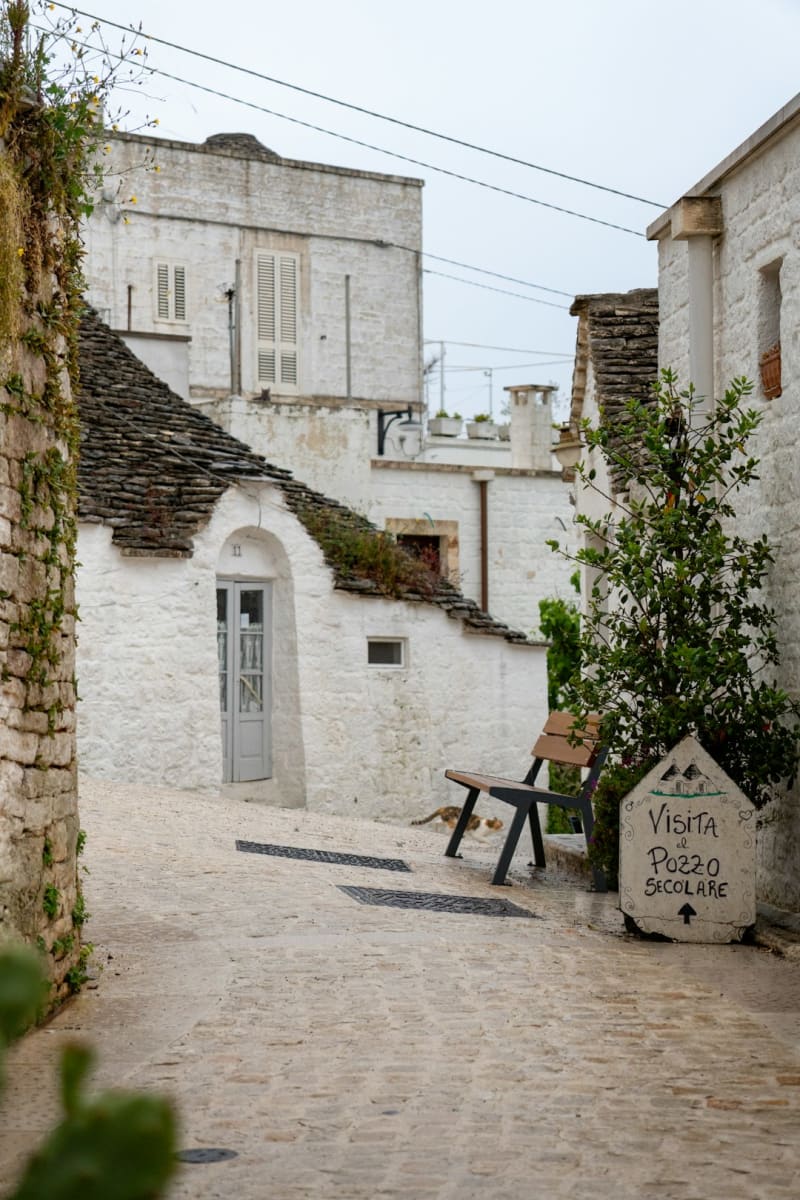 puglia
 Molfetta
A working fishing port north of Bari with a Romanesque cathedral rising straight out of the harbour and a fleet that still puts out to sea before dawn.
Explore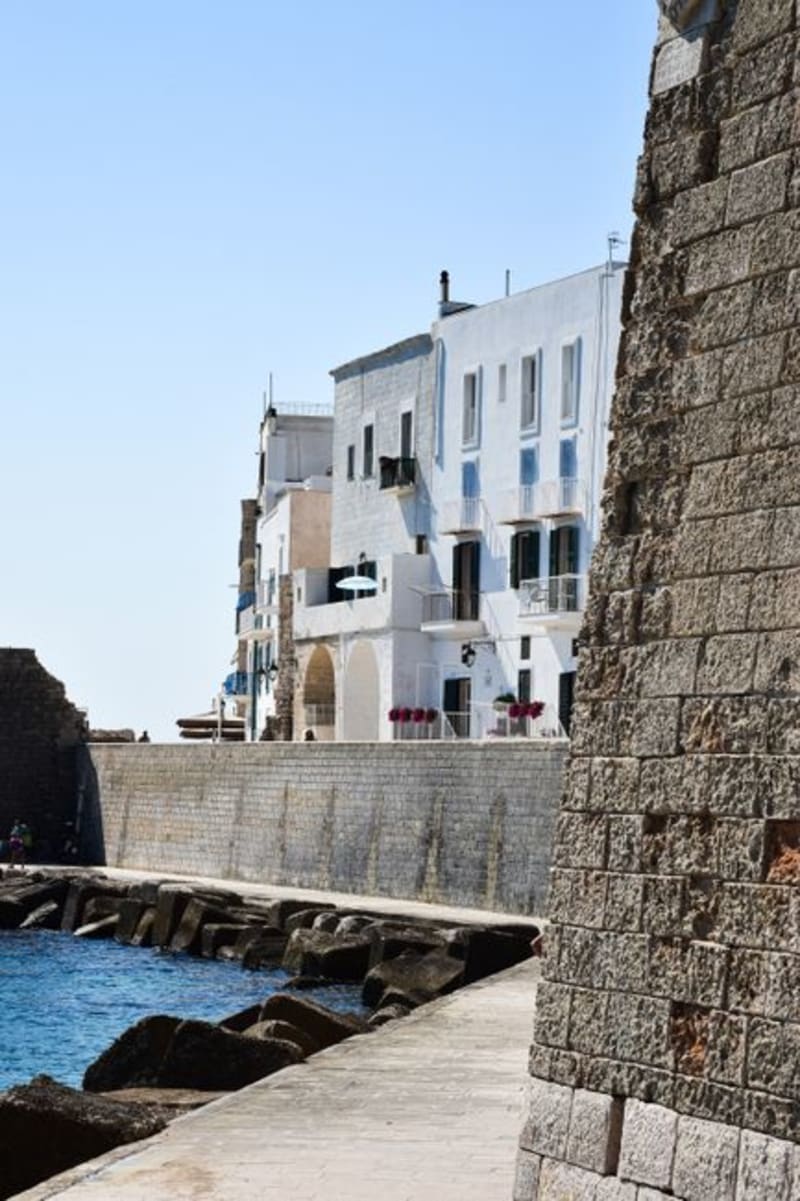 puglia
 Monopoli
A working Adriatic port with a walled old town, hidden coves, and none of the crowds that made its neighbour Polignano a Mare famous.
Explore puglia
 Monte Sant'Angelo
A UNESCO-listed pilgrimage town on the Gargano's southern slope, built around a fifth-century sanctuary where the Archangel Michael is said to have appeared in a cave.
Explore