Grottaglie
"In Grottaglie the workshops are literally carved into the hill — pottery here is not a craft laid on top of the town, it is the town."
A hill town near Taranto where potters have worked the same cave workshops for four centuries, and the historic Quartiere delle Ceramiche still smells of wet clay and woodsmoke.
I went to Grottaglie expecting a pleasant afternoon of browsing ceramics shops and came away thinking about caves. The Quartiere delle Ceramiche, the old potters’ quarter, is built into a ravine of soft tufo rock beneath the Aragonese castle, and many of the workshops are literally carved into the hillside — grotte, caves, which is where the town’s name comes from. Some of these spaces have been in continuous use as pottery workshops since the sixteenth century, passed down through families, the kilns built into the same rock the workshop is carved from. Walking the quarter’s narrow lane, I could smell woodsmoke from a wood-fired kiln before I saw it, and then found an old man in his seventies pulling terracotta pots from the fire with a long metal hook, exactly as his grandfather would have.
The signature style here is a deep cobalt blue glaze against white, decorated with roosters, pomegranates, and geometric borders, and it is genuinely distinct from the ceramics traditions of nearby Puglian towns — you learn to recognize Grottaglie work at a glance after a day here. I bought a set of small bowls from a workshop where the potter, a woman named Anna Rosa, threw a piece on her wheel while explaining the difference between the historic decorative motifs and the newer, more abstract patterns her daughter has been experimenting with. The generational tension between tradition and reinvention seemed to run through half the shops I visited.

The Episcopio Castle above the quarter is worth the climb for the view alone — the caves and courtyards of the potters’ district spread below, the whitewashed newer town beyond, and on a clear day the glint of the Ionian in the far distance. Inside, a small museum traces the history of the local ceramic tradition back to Messapian and Greek pottery found in the area, a lineage stretching back well over two thousand years before the current families ever set up their kilns.

I ate lunch at a small place just outside the quarter where the pasta was served, appropriately, in a hand-thrown terracotta bowl the restaurant had commissioned from a neighboring workshop — orecchiette with a rich lamb ragù, the local specialty, eaten slowly while watching the afternoon light move across the cave openings across the ravine. Grottaglie does not get the crowds of Alberobello or the postcard fame of the coastal towns, and that absence of pressure is part of what made the afternoon feel unhurried in a way few stops on this trip did.
When to go: Any season works, since the workshops operate year-round, but late August brings the Festa di San Ciro and a lively ceramics fair through the historic quarter. Weekday mornings are quietest if you want unhurried conversation with the potters themselves.
Keep exploring
More from Puglia
 puglia
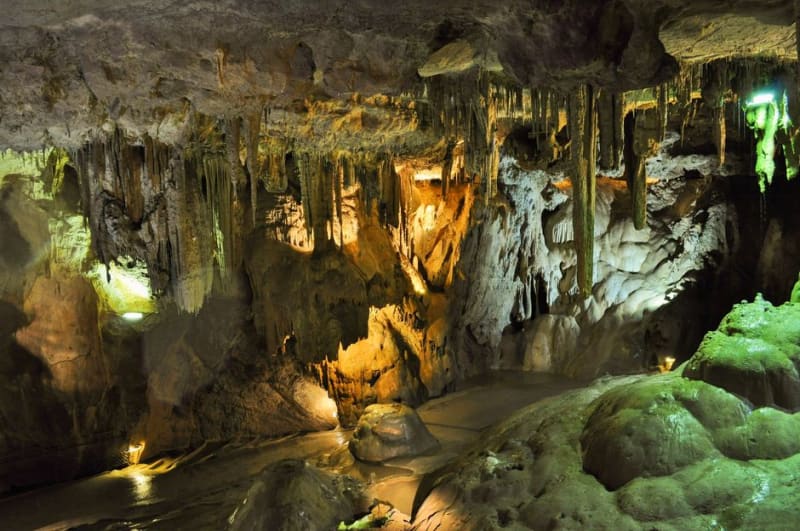
 Grotte di Castellana
A cave system beneath the Murgia plateau that drops you from Pugliese sunlight into two kilometres of stalactites, culminating in a chamber so white it looks lit from within.
Explore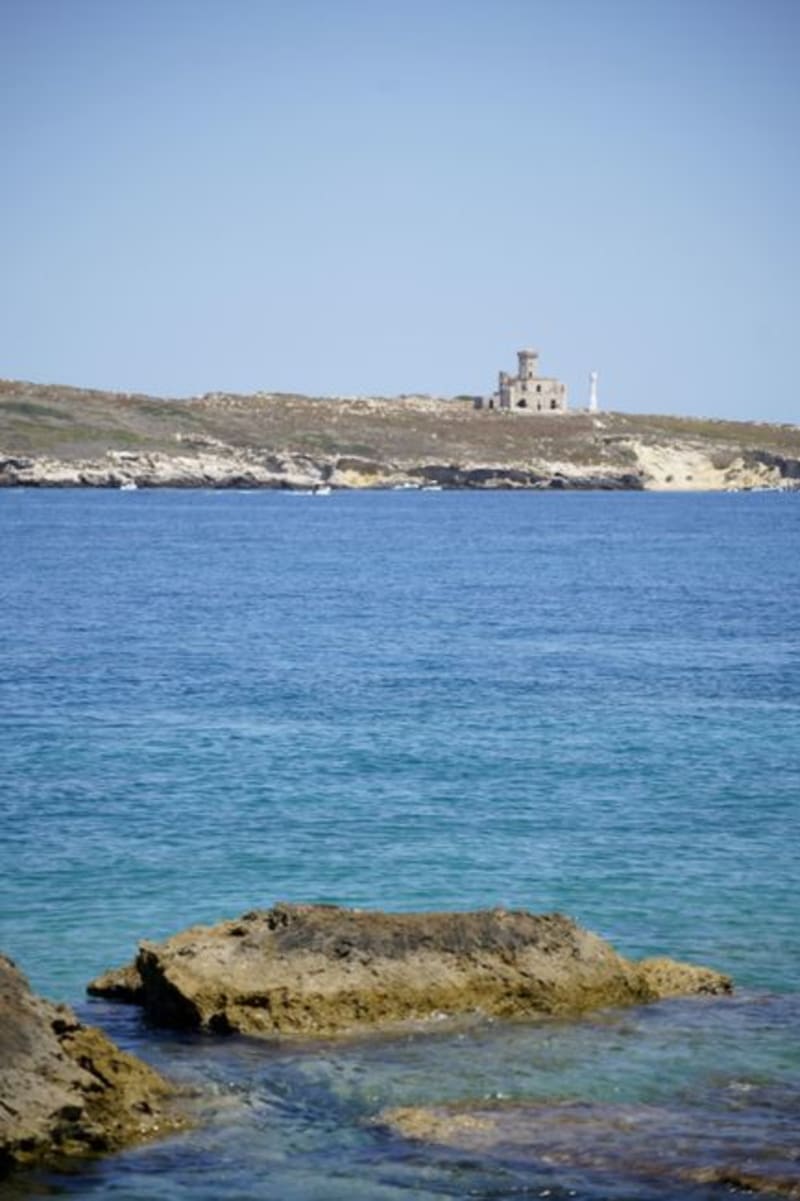 puglia
 Isole Tremiti
Three tiny islands adrift ten miles off the Gargano coast, a medieval abbey, and water clear enough to make you distrust your own eyes.
Explore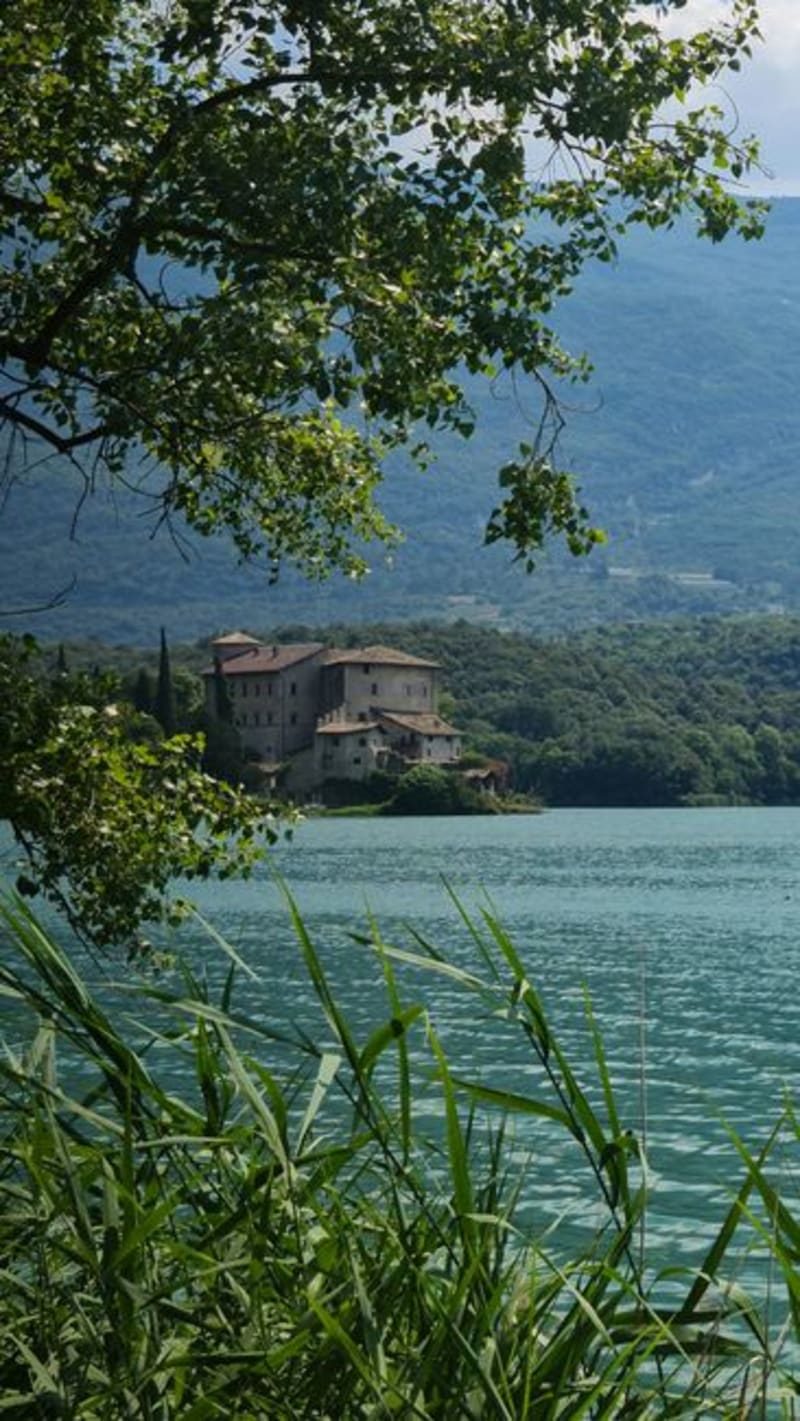 puglia
 Lago di Varano
The largest lagoon in Puglia, a still brackish lake separated from the Adriatic by a strip of dune and pine forest, ringed by eel fisheries and mussel farms.
Explore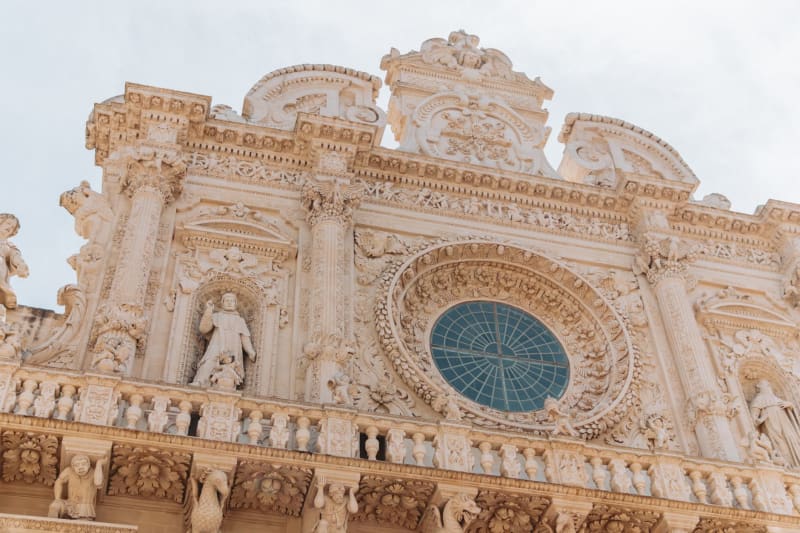 puglia
 Lecce
A Baroque city so ornately carved in golden stone that standing in its piazzas feels like being inside a jewellery box.
Explore puglia
 Lizzano
A wine town on the road between Taranto and the Salento, gateway to the pine and holm-oak forest of the Bosco di Portoselvaggio reserve on the Ionian shore.
Explore puglia
 Locorotondo
A perfectly circular hilltop village in the Valle d'Itria where every lane curves back into itself and the trulli dotting the valley below look like toys.
Explore