Ginosa
"Ginosa's old town emptied out within a generation and nobody moved back in. It sits there now, hollow and extraordinary, on the far side of a bridge nobody crosses on purpose."
A ravine town on Puglia's border with Basilicata, its abandoned cave district climbing one side of a gorge while the modern town carries on across the bridge.
Ginosa sits close enough to the Basilicata border that it shares the same gravina geology as Matera — the same soft calcarenite rock, the same ravine cut by an ancient stream, the same tradition of digging homes and churches straight into the cliff face. Unlike Matera, which turned its Sassi into a UNESCO site and a tourism engine, Ginosa’s Rione Rupestre, the old rock district on the far side of the gorge from the modern town, was evacuated in the mid-twentieth century for the same sanitary reasons that emptied Matera, and then largely just… stayed empty. Nobody restored it into boutique cave hotels. It sits across a footbridge from the current town centre, an entire abandoned cliffside neighbourhood, quiet except for jackdaws.
I crossed the bridge on a grey November afternoon and spent two hours picking through doorways and collapsed roof lines, chapels with faded fresco fragments still visible on the rock walls, the shapes of rooms you could still read even where the fronts had crumbled away. There’s a small resident population of stray cats and, apparently, one elderly man who still keeps an allotment garden among the ruins, whom I never saw but whose neat rows of winter greens I definitely did.
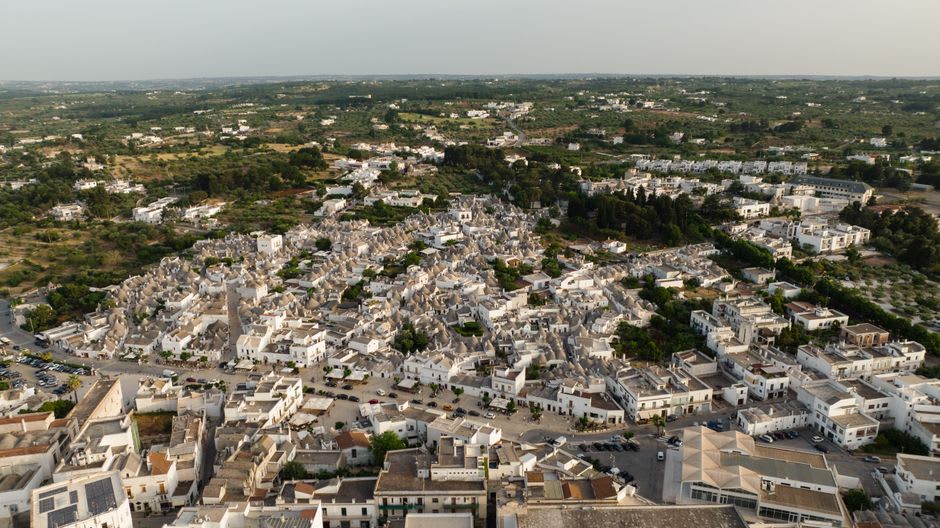
The Castello di Ginosa, a Norman-era fortress perched at the ravine’s edge above the rock district, gives the clearest overview of the whole layout — gorge, cave town, footbridge, modern town beyond — and from up there you can trace how the settlement migrated from the cliff to the plateau over the centuries without ever really leaving the ravine behind. The modern town of Ginosa is unremarkable in the best sense: a working agricultural centre, strawberries and vegetables from the surrounding fields sold at a Saturday market, nothing performed for an audience.
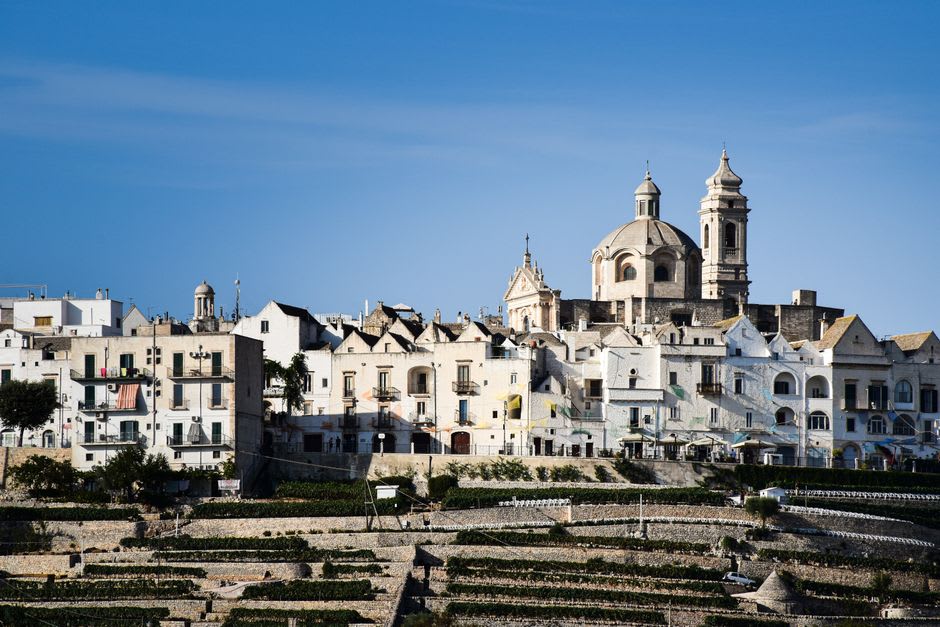
If Matera’s Sassi felt, by the time I visited, a little polished for the cameras, Ginosa’s version of the same story felt like walking into the unedited draft. Nobody has decided yet what to do with it, which is precisely what made it worth the detour.
When to go: Autumn or spring, when the light is soft for photographing the rock-cut ruins and the ravine paths aren’t baking. There is no infrastructure here — no cafés, no signage beyond the basics — so bring water and go with time to spare.
Keep exploring
More from Puglia
 puglia
 Gioia del Colle
A Murgia town built around a Norman-Swabian castle where Frederick II once held court, and the source of a mozzarella so good it made me reconsider everything I thought I knew about cheese.
Explore puglia
 Gravina in Puglia
A cave city on the edge of a limestone ravine, famous for a bread rivaling Altamura's and cellars carved directly into the rock beneath the old town.
Explore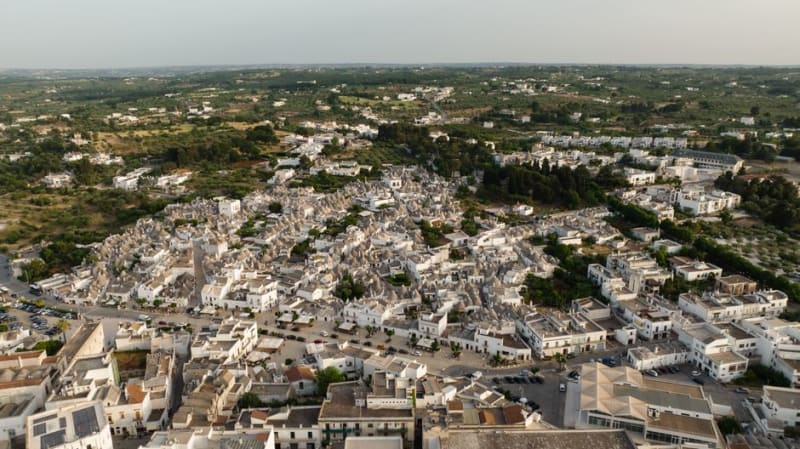 puglia
 Grottaglie
A hill town near Taranto where potters have worked the same cave workshops for four centuries, and the historic Quartiere delle Ceramiche still smells of wet clay and woodsmoke.
Explore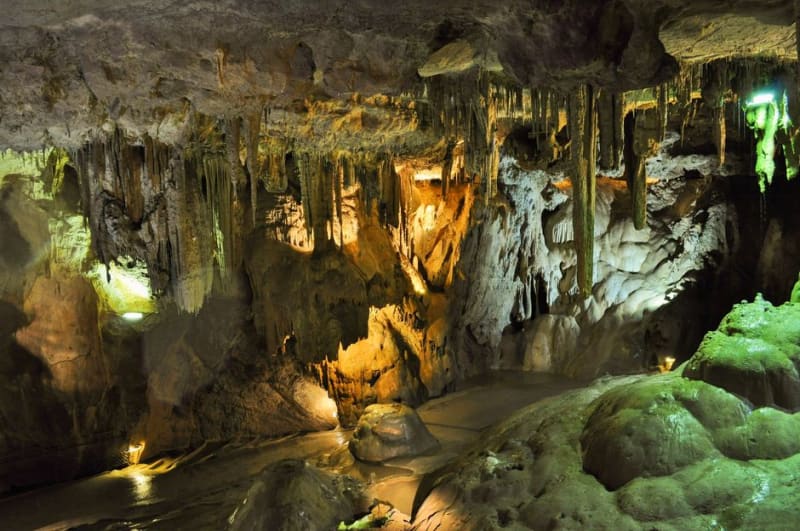 puglia
 Grotte di Castellana
A cave system beneath the Murgia plateau that drops you from Pugliese sunlight into two kilometres of stalactites, culminating in a chamber so white it looks lit from within.
Explore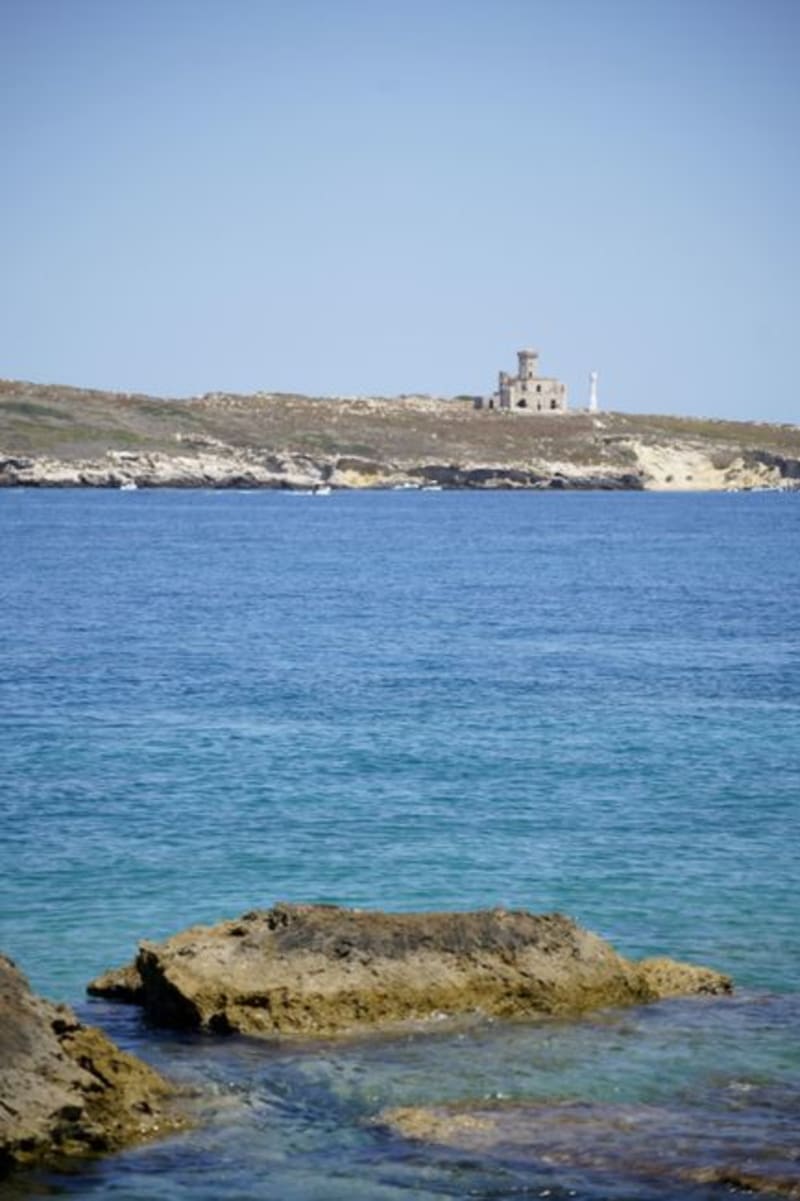 puglia
 Isole Tremiti
Three tiny islands adrift ten miles off the Gargano coast, a medieval abbey, and water clear enough to make you distrust your own eyes.
Explore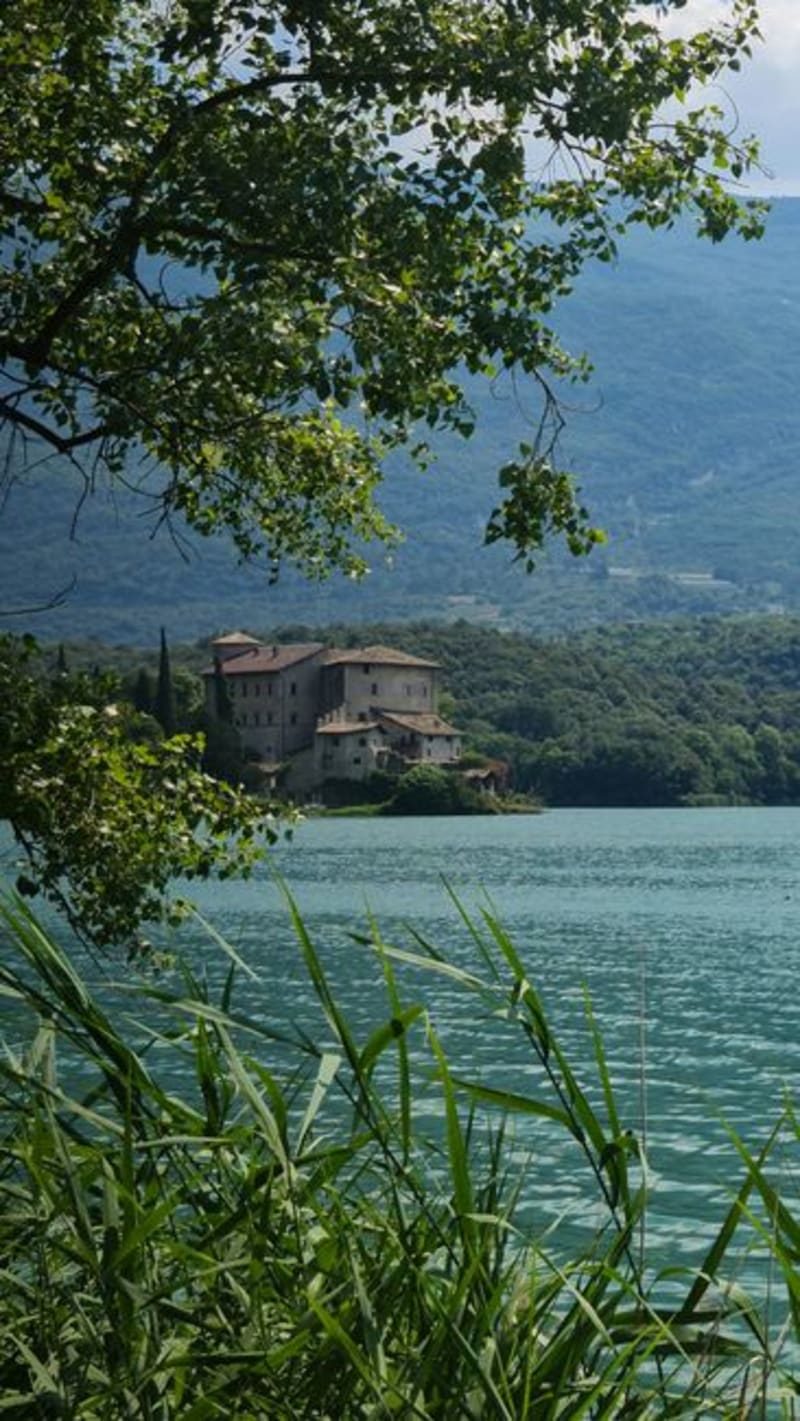 puglia
 Lago di Varano
The largest lagoon in Puglia, a still brackish lake separated from the Adriatic by a strip of dune and pine forest, ringed by eel fisheries and mussel farms.
Explore