Ascoli Satriano
"A pair of looted marble griffins came home to Ascoli Satriano, and now the town has quietly become a museum piece worth crossing the Tavoliere for."
A quiet Daunian hill town that turned out to be sitting on top of one of the richest archaeological finds in southern Italy — a pair of Greek marble griffins looted, recovered, and now on proud display.
I hadn’t heard of Ascoli Satriano before a museum curator in Foggia mentioned it almost in passing — a small hill town in the Daunian countryside, she said, that had gotten back a pair of extraordinary fourth-century-BC Greek marble griffins after they’d been looted from a tomb, smuggled abroad, and ended up in the J. Paul Getty Museum in California, of all places, before a decades-long legal fight secured their return to Italy in 2007. That kind of story — antiquity, crime, restitution — is exactly the sort of thing that gets me back in the car regardless of how far off the route it sits.
The griffins now live in the Museo Civico Archeologico Torre Marchesale, housed in a restored medieval tower in the center of town, and seeing them in person justified the whole detour: nearly a meter tall each, carved from Parian marble, devouring stags in a composition of extraordinary violence and grace, thought to have decorated a monumental tomb belonging to the ancient Daunian aristocracy that ruled this part of Puglia long before Rome arrived. Standing in front of them in a nearly empty museum, Lia and I were the only visitors for the better part of an hour, which felt both like a privilege and faintly absurd given what we were looking at.
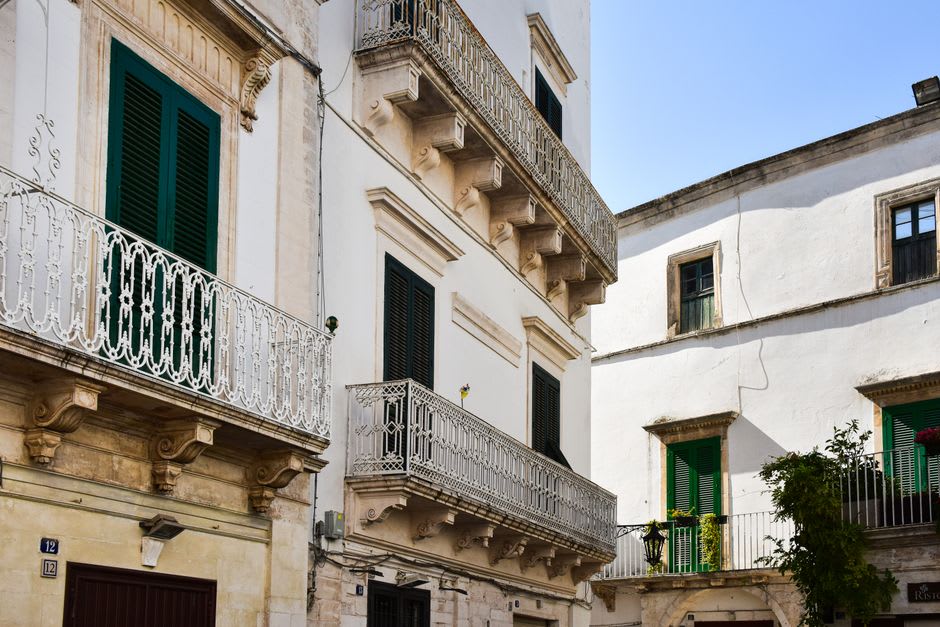
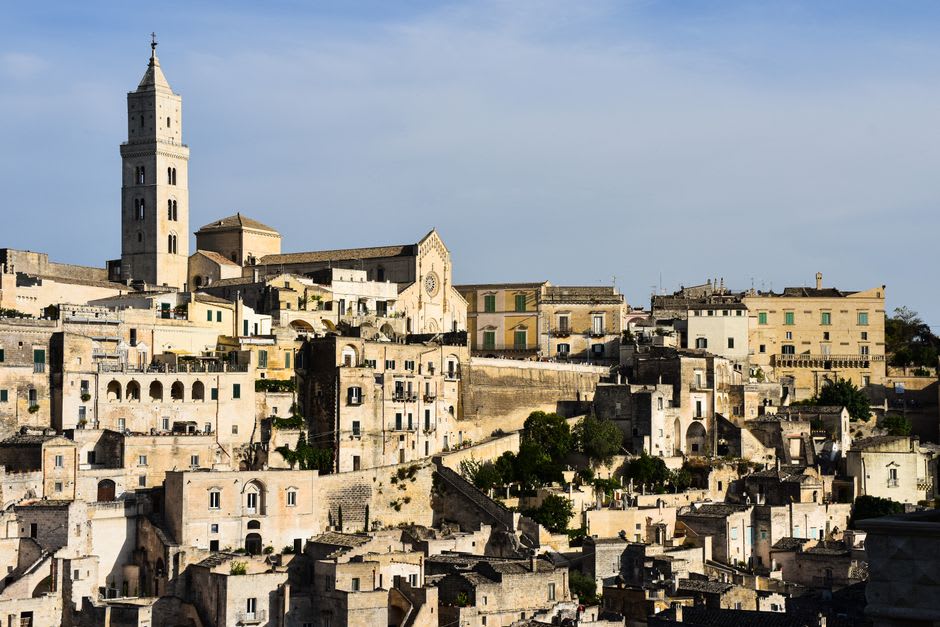
The town above the museum is itself a genuine Daunian settlement going back well over two thousand years, layered with Roman, medieval, and Renaissance construction in the way so many Puglia interior towns are — a cathedral rebuilt after Napoleonic-era damage, narrow lanes climbing toward a ruined castle, views opening suddenly onto the Ofanto valley and the wheat country stretching toward the Tavoliere proper.
We ate a simple lunch at a bar on the main street — orecchiette again, because at this point in the trip we’d stopped pretending we might order anything else — and talked with the owner about the griffins, who told us with visible local pride that half the town had turned out for the unveiling ceremony when the sculptures finally came home. It’s rare to find a place where an archaeological restitution case becomes genuine, ongoing civic identity, but Ascoli Satriano has managed it.
When to go: Spring or autumn, both for comfortable walking temperatures and because the museum keeps modest hours that are worth checking or calling ahead for regardless of season — this is a small-town archive, not a major institution with year-round staffing.
Keep exploring
More from Puglia
 puglia
 Avetrana
A small agricultural town between Taranto and the Ionian coast, ringed by vineyards and almond groves, where nothing much happens and that turns out to be the appeal.
Explore puglia
 Baia delle Zagare
One of the Gargano's signature coves, a crescent of pale sand split by two sea stacks and reached only by a long staircase cut into the cliff.
Explore puglia
 Bari Vecchia
The tangled old town of Bari, where nonnas dry orecchiette on tables in the street and every alley seems designed to make you lose your phone signal and your sense of direction at once.
Explore puglia
 Barletta
A northern Adriatic port guarding a five-metre bronze colossus of a Roman emperor, a castle rebuilt by Frederick II, and the site of a medieval duel still celebrated as a matter of national honour.
Explore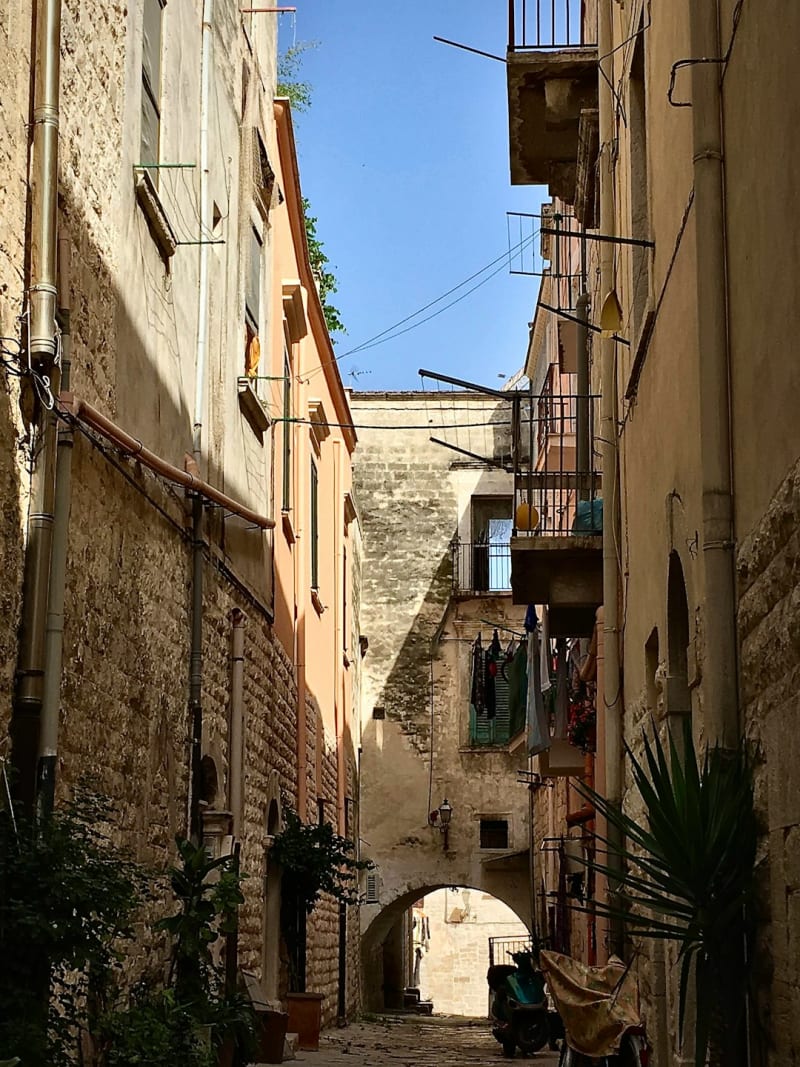 puglia
 Bisceglie
A fishing port on the Adriatic known for a fierce fish market, an old harbour ringed by trabucchi-style structures, and almonds turned into the region's best confetti.
Explore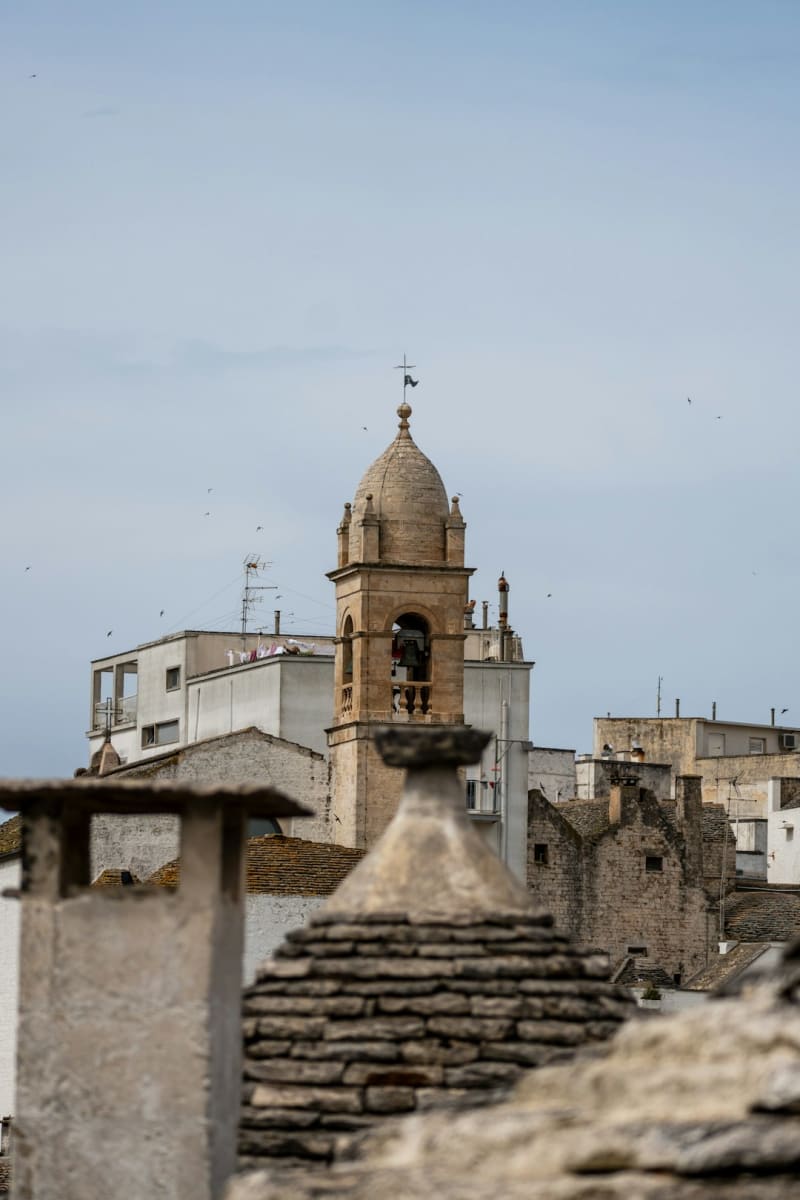 puglia
 Bitonto
The 'city of olives,' where a Romanesque cathedral almost identical to Bari's stands with none of the crowds, surrounded by some of the densest olive groves in Italy.
Explore