A cliffside village of glazed pottery and stone bridges, watched over by a gilded star strung between two limestone peaks.
We drove into Moustiers-Sainte-Marie from the Verdon side, which meant the road curled along the edge of the gorge for a while before dropping us into a village that looked like it had been wedged into its ravine on purpose. Lia spotted the star before I did — a small gold speck hanging on a chain strung between the two cliffs above the rooftops. I’d read about the legend on the drive over: a knight, back from the Crusades, hung it there as a vow. Whether you believe the story or not, it does something to the way you walk through the place. You keep glancing up, the way you’d check on a lit candle.
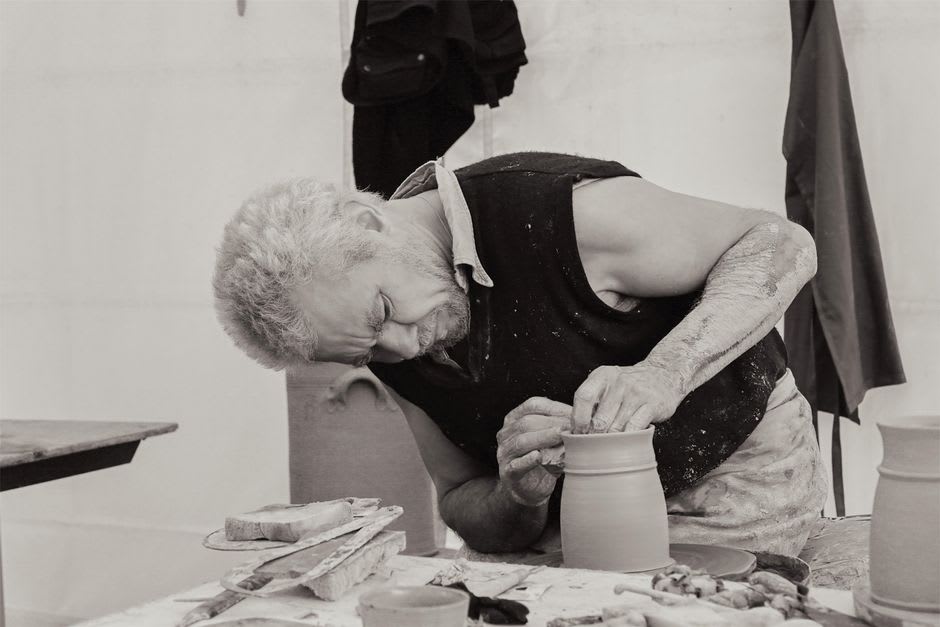
We stayed two nights at a small guesthouse just off the ravine, close enough that I fell asleep to the sound of the stream running underneath the stone bridges that stitch the two halves of the village together. In the morning I had coffee at a table practically over the water, watching the shopkeepers roll up their metal shutters on faience workshops — the glazed earthenware Moustiers has been known for since the 1600s. I bought Lia a small bowl, hand-painted with a blue floral pattern, from a woman who’d learned the technique from her mother. It’s on our kitchen shelf in Mexico now, and every time I use it I think of that ravine.
On our second morning we did the climb to Notre-Dame-de-Beauvoir — 262 steps up a path that switches back through scrub pine, with the village shrinking below with every turn. The chapel itself dates to the 12th century, and by the time we reached it my legs were burning and I didn’t care. We sat on the low wall outside for a good twenty minutes, not talking much, just looking down at the terracotta roofs and the ribbon of the gorge beyond. Lia said it was the kind of view that makes you forget you have a phone in your pocket. She wasn’t wrong.
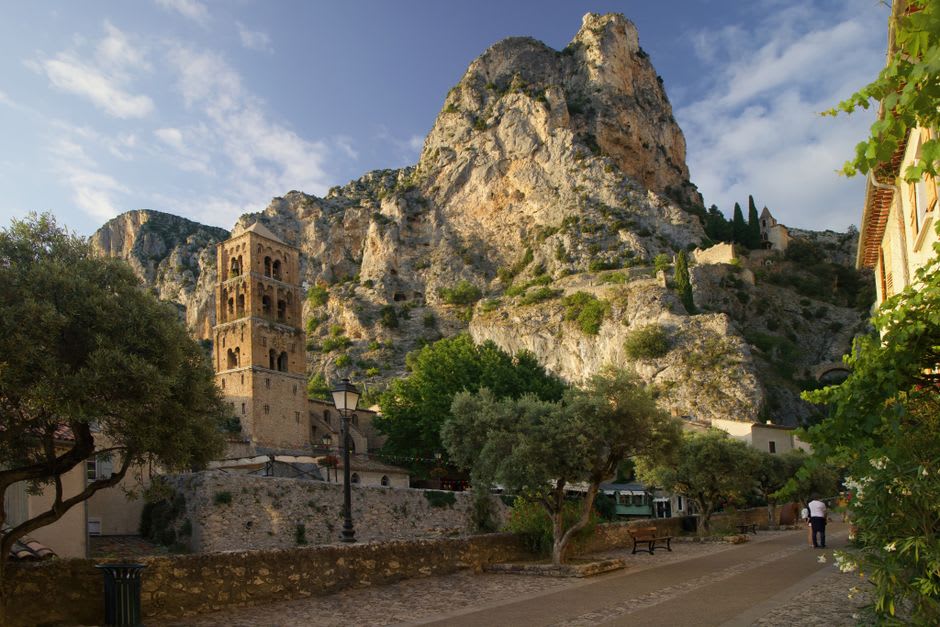
Being recognized as one of Les Plus Beaux Villages de France means Moustiers gets busy, and I understand why — everything about it, the bridges, the workshops, the star, is genuinely worth seeing. But we were glad we weren’t there in August. We ate dinner outside both nights without needing a reservation booked weeks in advance, and we could actually hear the stream over the conversation at the next table.
When to go: Aim for spring or early autumn — the light on the cliffs is just as good, the Verdon gorge crowds thin out, and you won’t be fighting for a table.
Keep exploring
More from Provence
 provence
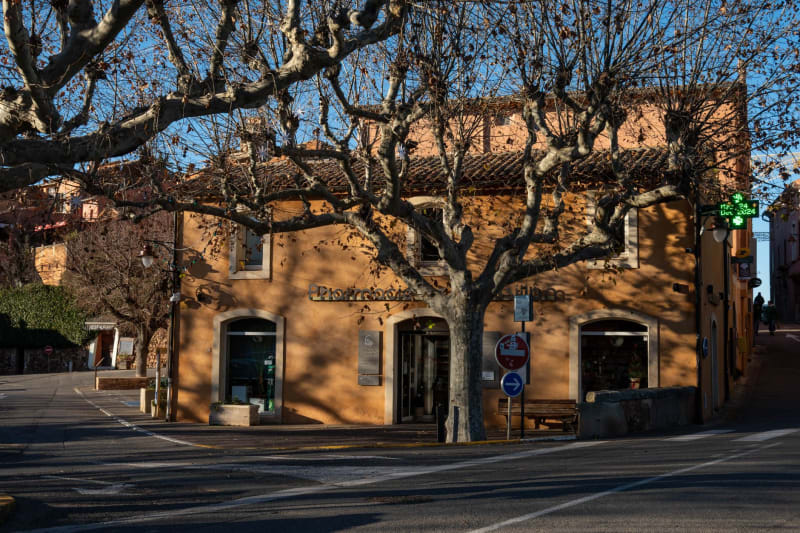
 Roussillon
A village built from its own earth, where seventeen shades of ochre run from the cliffs through every wall and doorframe.
Explore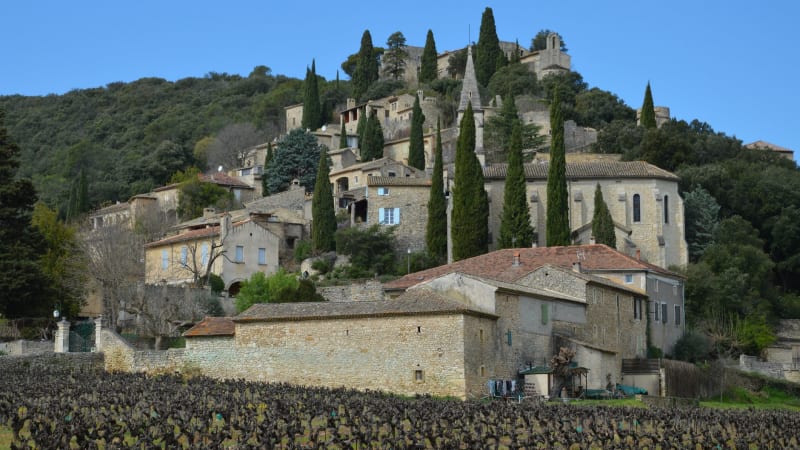 provence
 Vaison-la-Romaine
A town where Roman streets and medieval lanes share the same valley, separated by a single-arch bridge that has outlasted every government.
Explore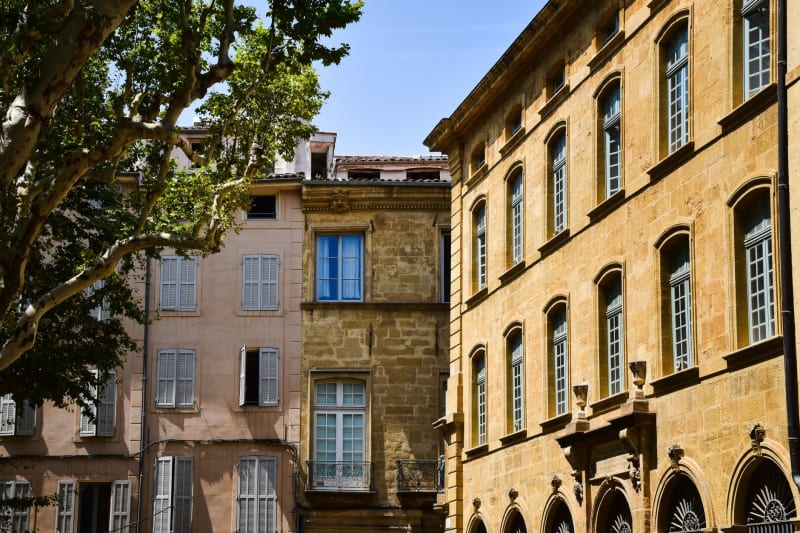 provence
 Aix-en-Provence
Cézanne's city of fountains and plane trees, where the Saturday market on Cours Mirabeau runs like a civic ritual.
Explore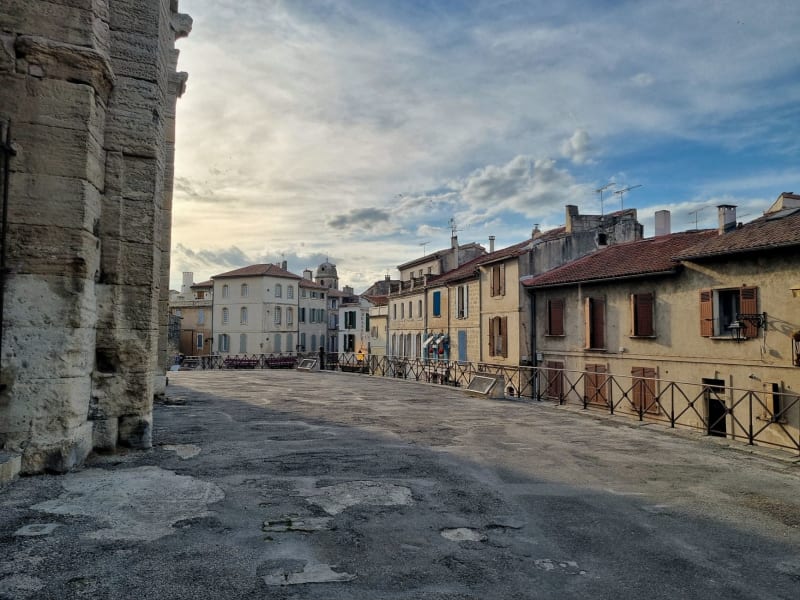 provence
 Arles
A Roman city still operating on Roman time, where an amphitheatre holds bullfights and Van Gogh painted his best yellows.
Explore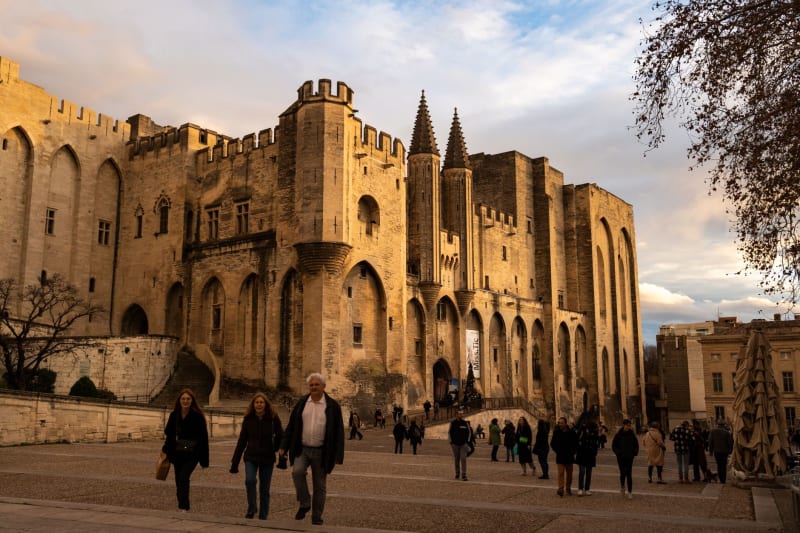 provence
 Avignon
A medieval city still living inside its papal walls, where the Rhône curves close and the mistral never quite leaves.
Explore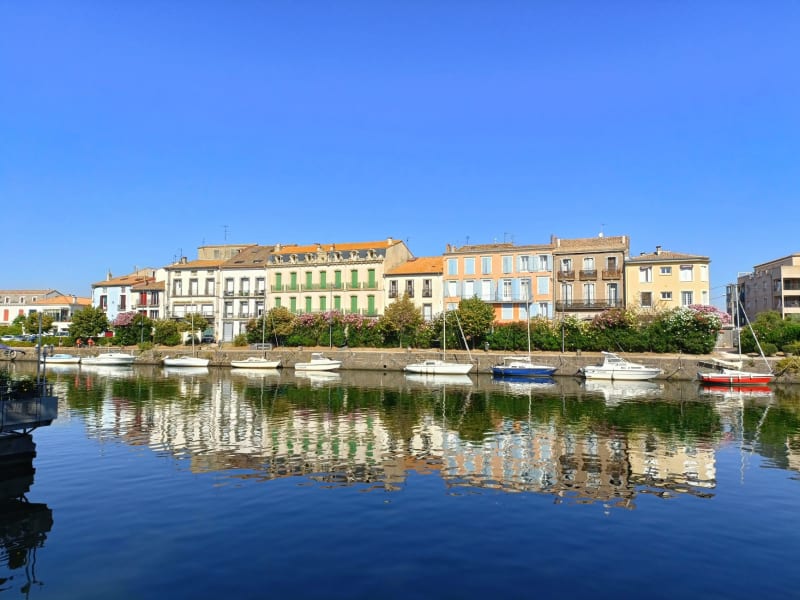 provence
 Camargue
A wild wetland delta where flamingos wade in pink clusters and white horses drift across salt flats at the edge of France.
Explore