Europe
Provence
"The south that France kept for itself, and barely shares."
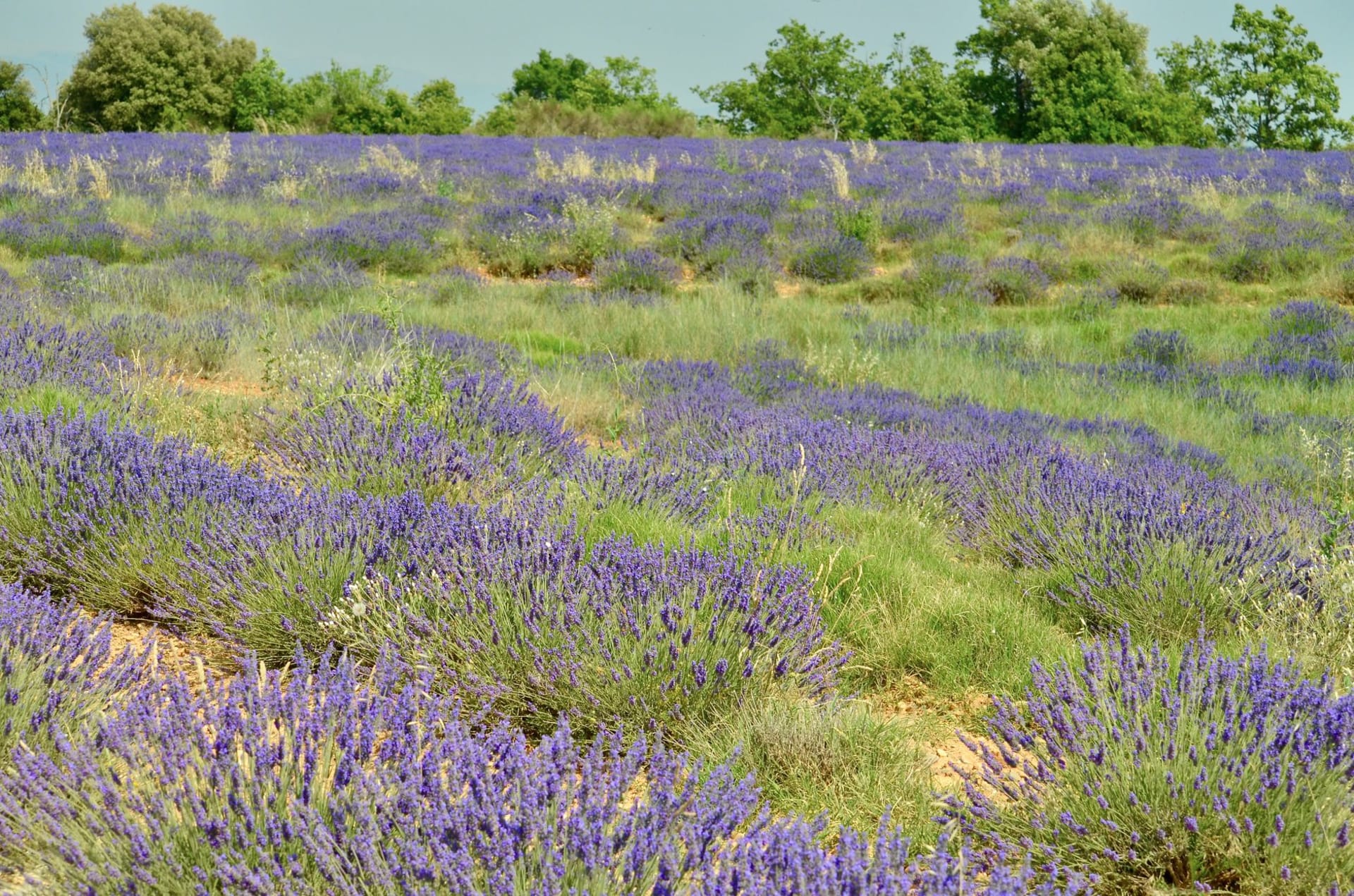
Where lavender fields and Roman ruins share the same dry hillside, and the light makes everything look like it was painted rather than lived in.

I arrived in Provence for the first time on an early July morning, stepping off a train in Avignon into air that already tasted of thyme and heat. I had spent months in Paris the year before, and nothing had prepared me for how different this felt — not a different city, but almost a different country. The light was sharper, the shadows blacker, the stone of the old walls a color somewhere between honey and bone. Within an hour I understood why painters kept coming back here and never quite leaving.
The lavender is real. I know that sounds obvious, but so much of Provence has been reproduced in kitchen calendars and Côte d’Azur perfume advertisements that you half expect the actual thing to be a letdown. It isn’t. Driving the D900 through the Luberon in late June, the fields between Apt and Roussillon are so intensely purple they seem almost artificial, the rows perfectly parallel, the smell so thick it hits you through a closed car window. I stopped at a farm outside Saignon and bought a small bottle of essential oil from a woman who looked like she had been standing in that doorway since roughly the Second World War. The oil cost four euros. It was the best thing I bought in three weeks.
What keeps me thinking about Provence is not the scenery, which is obvious, but the food, which is less famous than it deserves to be. Not the grande cuisine of the starred restaurants in Gordes, but the market food — the socca in Cours Saleya in Nice, the tapenade spread thick on rough bread in a village bar at noon, the slow-cooked daube de boeuf I ate in a Luberon auberge that had been run by the same family since the 1960s. And the rosé, which in Provence is not the pale, self-conscious thing served at fashionable restaurants elsewhere — here it is simply what you drink, without ceremony, in a terracotta jug, for lunch.
When to go: Late May through June is the window I’d defend most. The lavender is beginning to bloom, the crowds are manageable, and the temperatures have not yet crossed into the kind of heat that empties the villages by midday. September is equally good — harvest season, lighter tourist traffic, and the afternoon light is extraordinary. Avoid August entirely unless you enjoy sharing every single village square with tour groups and paying triple for a mediocre room.
What most guides get wrong: They route you through the Luberon villages — Gordes, Les Baux, Roussillon — and call it Provence. These places are beautiful, no question, but they have also been completely polished for visitors. The Provence I find more interesting is the one between those landmarks: the market towns of Apt and Forcalquier, the back roads through the Alpilles, the stretch of the Rhône valley above Avignon where there are no boutique hotels and the cafés still have Formica tables. That Provence is quieter and takes more effort to find, and it is the one that stays with you.
Explore
Places in Provence
 provence
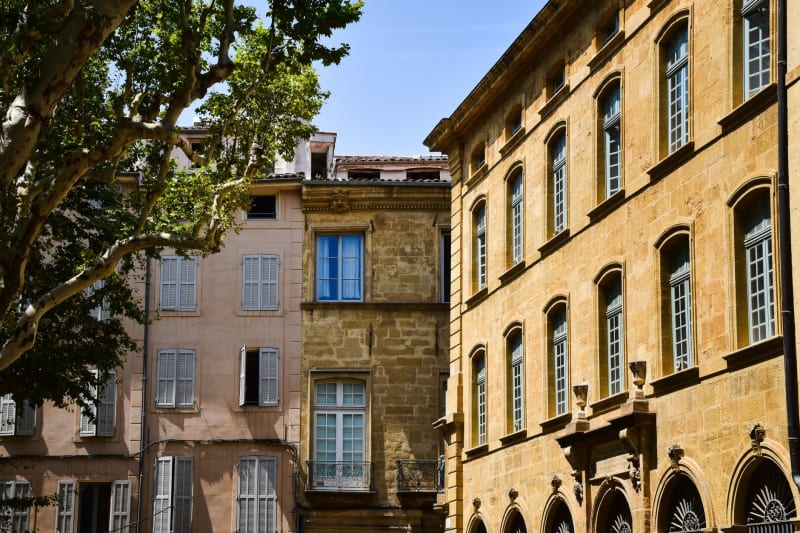
 Aix-en-Provence
Cézanne's city of fountains and plane trees, where the Saturday market on Cours Mirabeau runs like a civic ritual.
Explore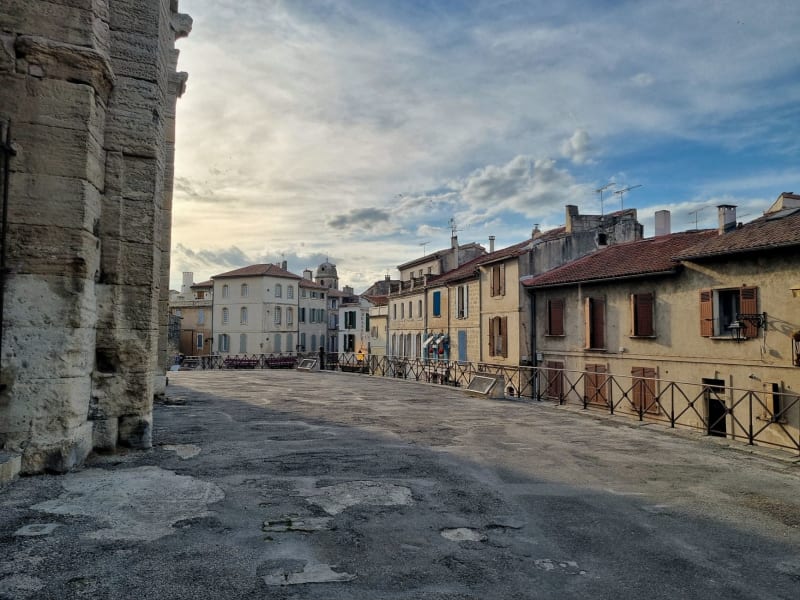 provence
 Arles
A Roman city still operating on Roman time, where an amphitheatre holds bullfights and Van Gogh painted his best yellows.
Explore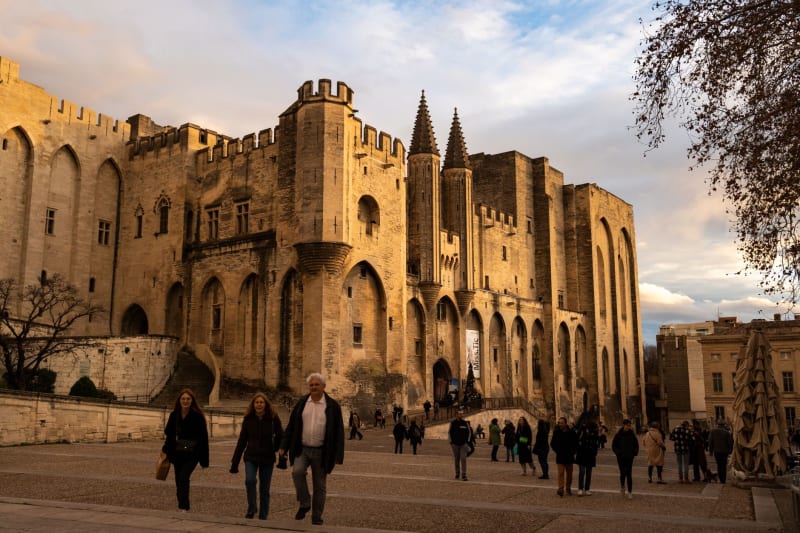 provence
 Avignon
A medieval city still living inside its papal walls, where the Rhône curves close and the mistral never quite leaves.
Explore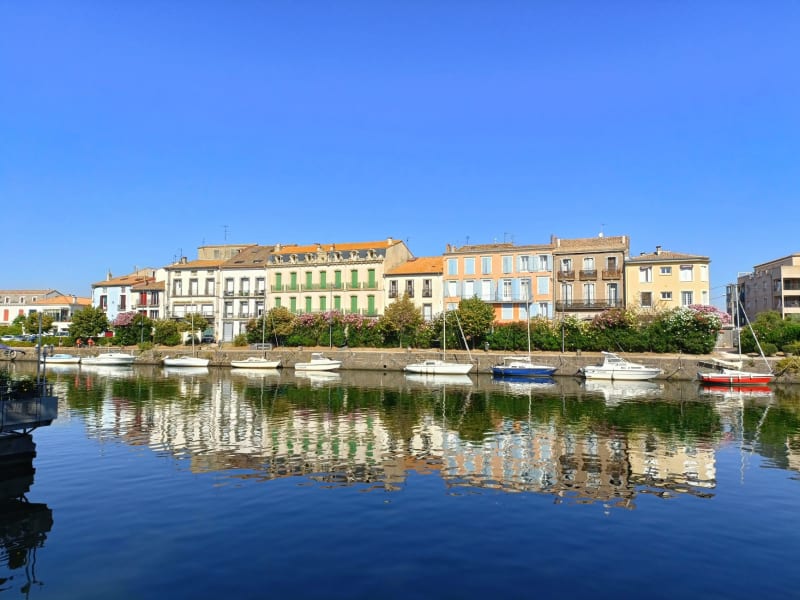 provence
 Camargue
A wild wetland delta where flamingos wade in pink clusters and white horses drift across salt flats at the edge of France.
Explore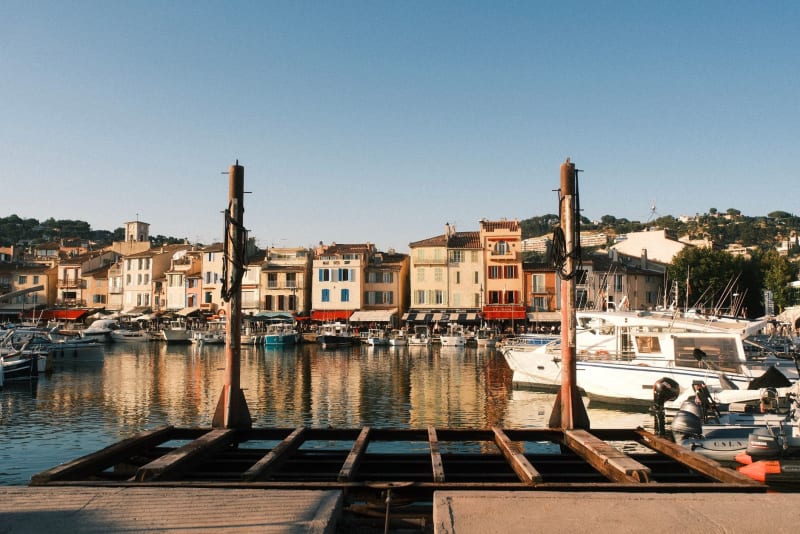 provence
 Cassis
A fishing port squeezed between white limestone cliffs and an impossibly blue sea, with a wine so local it barely leaves the village.
Explore provence
 Forcalquier
A market town in Haute-Provence that the lavender country surrounds and the tour buses mostly overlook.
Explore provence
 Gordes
The most photographed village in Provence, stacked on a limestone cliff above the Luberon, beautiful and fully aware of it.
Explore provence
 Gorges du Verdon
A turquoise river carving a 700-meter canyon through the limestone of upper Provence, Europe's grandest gorge hiding behind the lavender fields.
Explore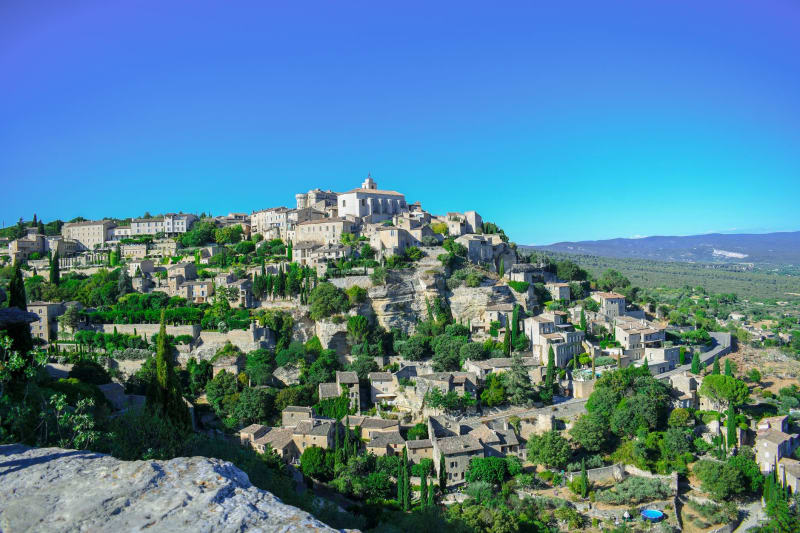 provence
 Les Baux-de-Provence
A fortress village on a limestone spur in the Alpilles, half-ruined and entirely compelling against the white rock sky.
Explore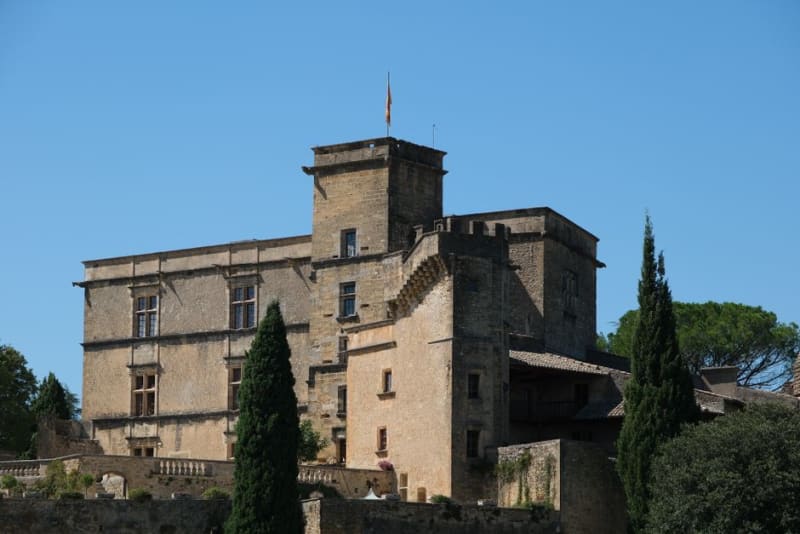 provence
 Lourmarin
A honey-stone Luberon village where Renaissance towers, a Nobel laureate's grave, and a Friday market slow every clock to noon-wine pace.
Explore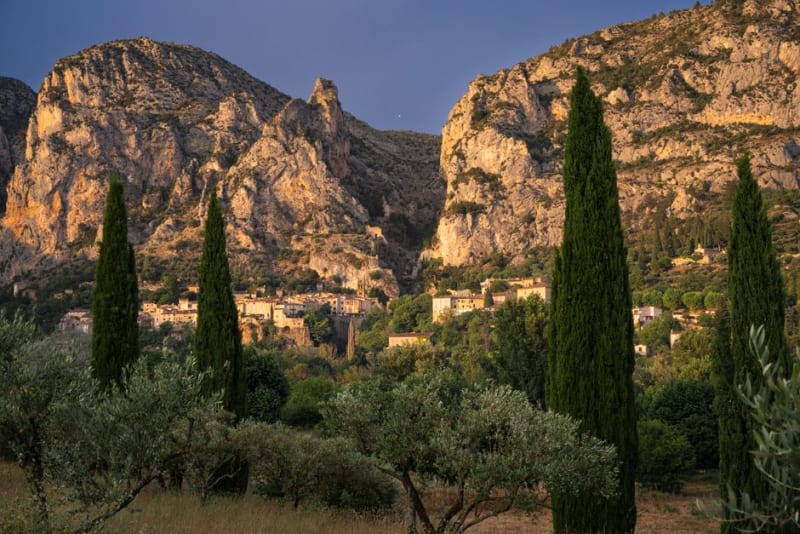 provence
 Moustiers-Sainte-Marie
A cliffside village of glazed pottery and stone bridges, watched over by a gilded star strung between two limestone peaks.
Explore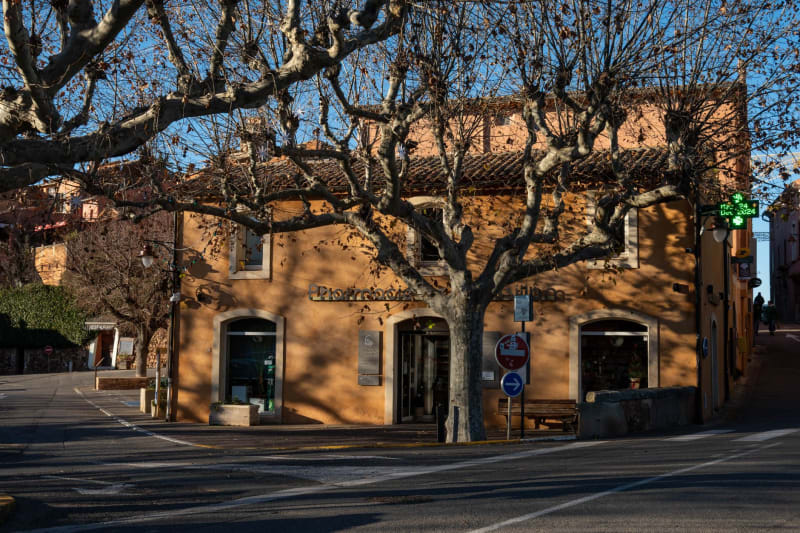 provence
 Roussillon
A village built from its own earth, where seventeen shades of ochre run from the cliffs through every wall and doorframe.
Explore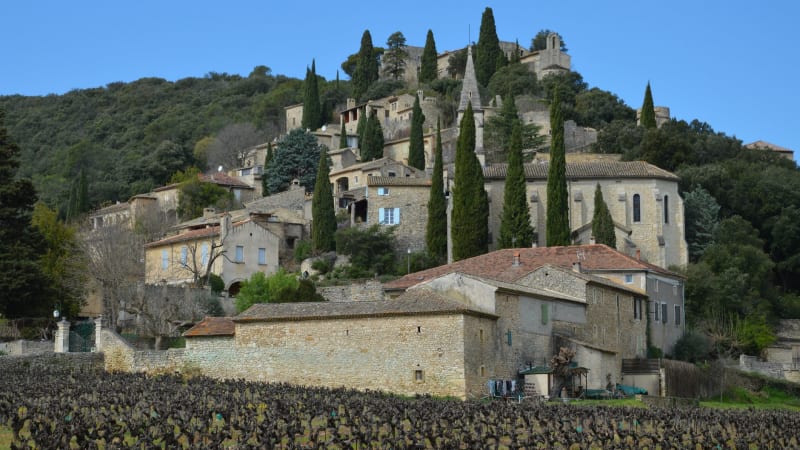 provence
 Vaison-la-Romaine
A town where Roman streets and medieval lanes share the same valley, separated by a single-arch bridge that has outlasted every government.
Explore