Europe
Poland
"The country Europe's food obsessives are quietly booking flights to."
Poland has spent the last two decades becoming one of the most compelling countries in Europe, and most of the continent has not noticed yet. The prices are still low. The cities are architecturally extraordinary — rebuilt from rubble in some cases, preserved in amber in others. The food, which once meant boiled everything, has undergone a transformation so thorough that Kraków and Warsaw now hold their own against cities twice their size and three times their price. Poland is the rare destination where the gap between quality and reputation works entirely in the traveler’s favor.
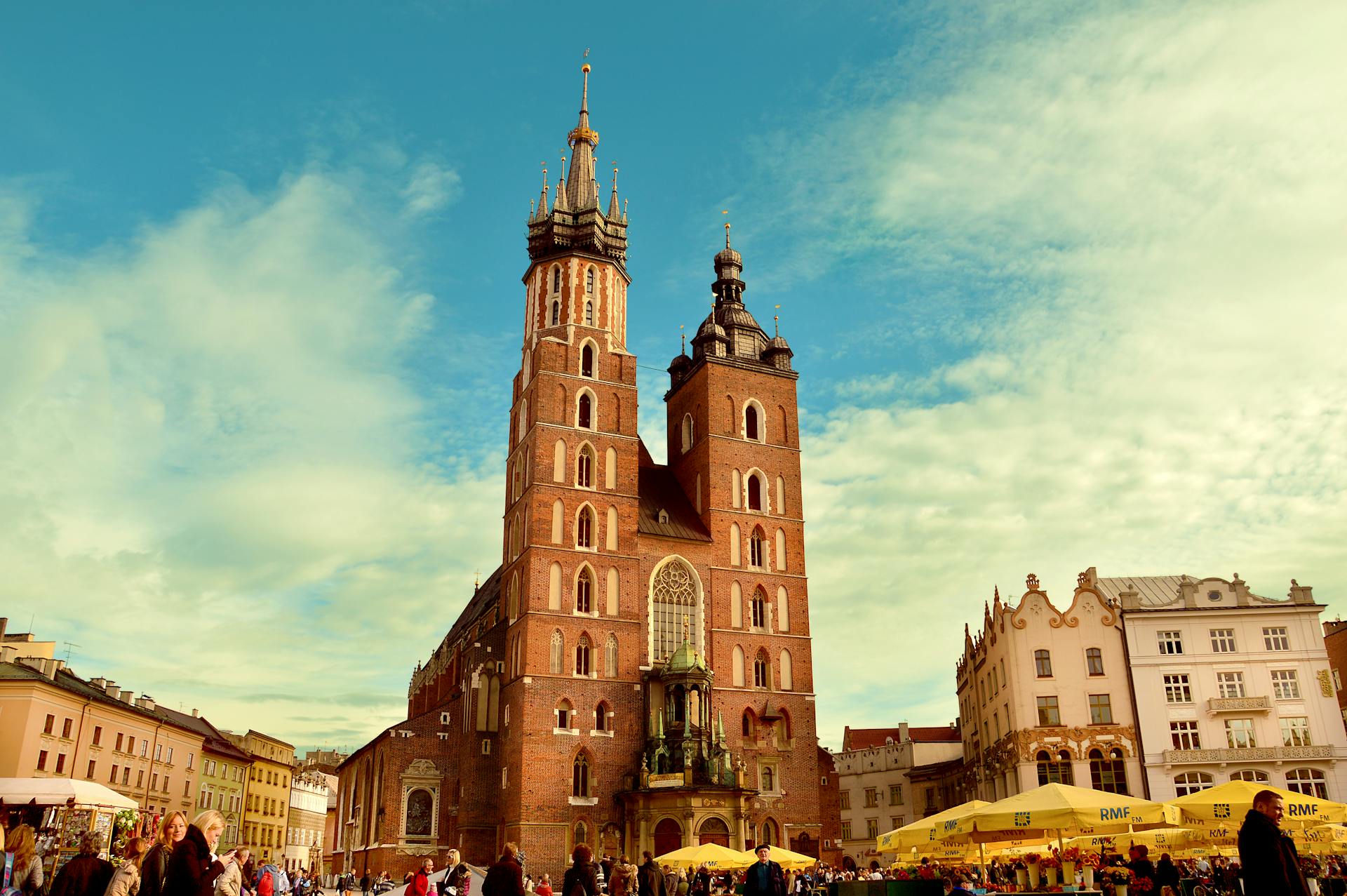
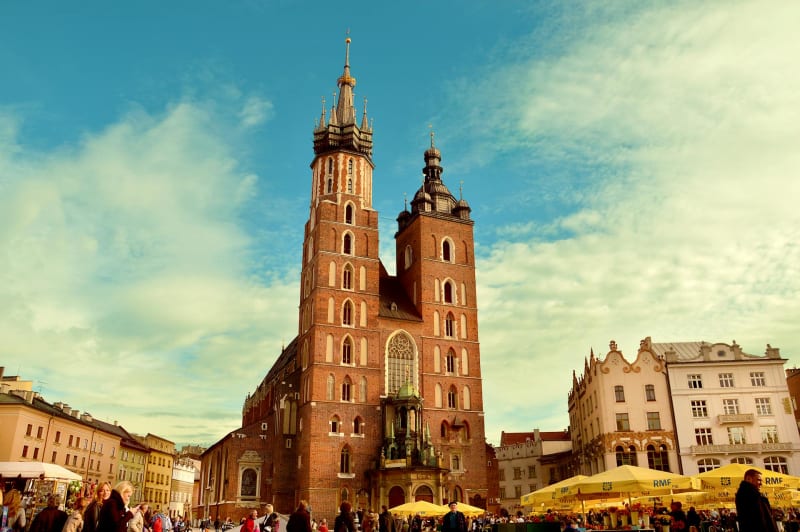
Kraków is the starting point, and rightly so. The Rynek Główny is the largest medieval square in Europe, and it delivers on scale and beauty. But the city earns its depth in Kazimierz, the old Jewish quarter, where memory and revival coexist in cafés and galleries and restaurants that treat pierogi as a medium for reinvention. Gdańsk, on the Baltic coast, is a revelation — Hanseatic architecture in caramel and gold, a shipyard that changed European history, and a beach culture that surprises everyone who arrives expecting only gray. The Tatra Mountains along the Slovak border offer genuine alpine hiking at a fraction of the Swiss price, with mountain huts serving żurek and oscypek and views that earn every step. Warsaw, leveled in the war and meticulously rebuilt, is the most forward-looking city in the country — its food scene alone is worth the trip.
When to go: May to June or September. Polish summers are warm and long, but July and August bring crowds to the mountains and coast. Autumn is magnificent — golden forests, mushroom season, and cities that feel newly alive after the summer heat.
What most guides get wrong: They skip Warsaw entirely and rush through Kraków. Poland rewards the traveler who slows down and moves laterally. Take the train to Wrocław. Drive into the Bieszczady mountains in the southeast, where the roads thin and the villages feel like a different century. Eat the new Polish cooking — it is one of the great food stories in Europe right now, and it is happening in real time.
Explore
Places in Poland
Bialowieza
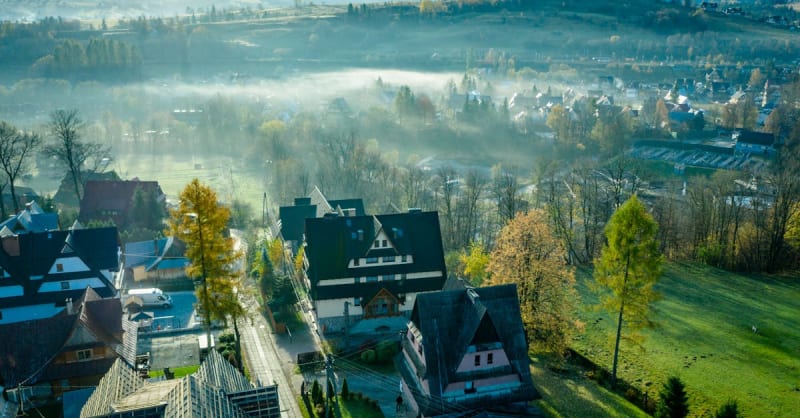
Europe's last primeval forest, where ancient oaks tower over a landscape unchanged since the Ice Age and the European bison roams free.
Bialystok
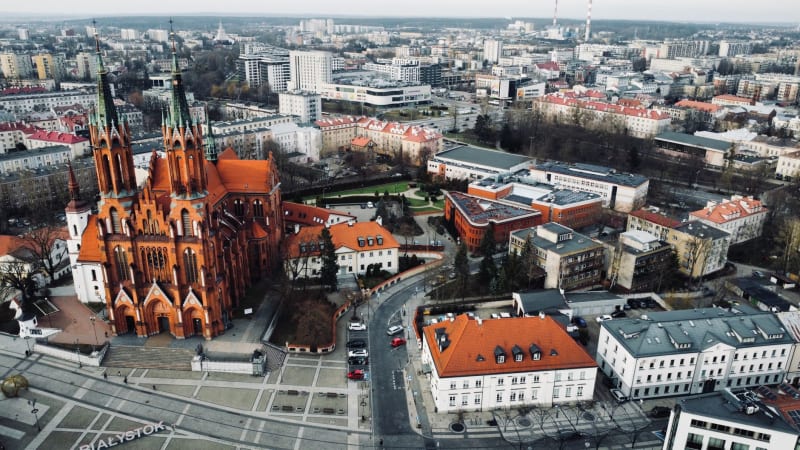
The gateway to the Białowieża primeval forest is also a city of architectural eclecticism, a Branicki Palace called the 'Versailles of Poland,' and true Eastern frontier spirit.
Bieszczady Mountains
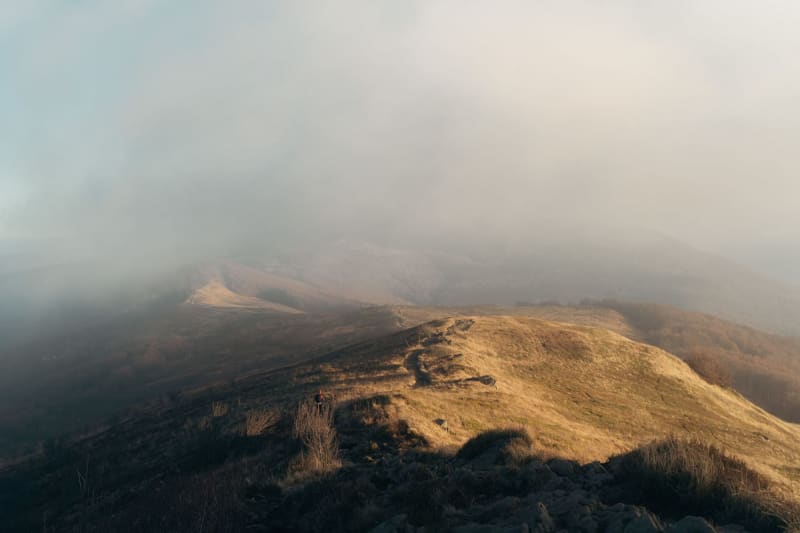
Empty highland meadows in Poland's far southeast, abandoned after WWII ethnic cleansing, now rewilded with lynx and bison.
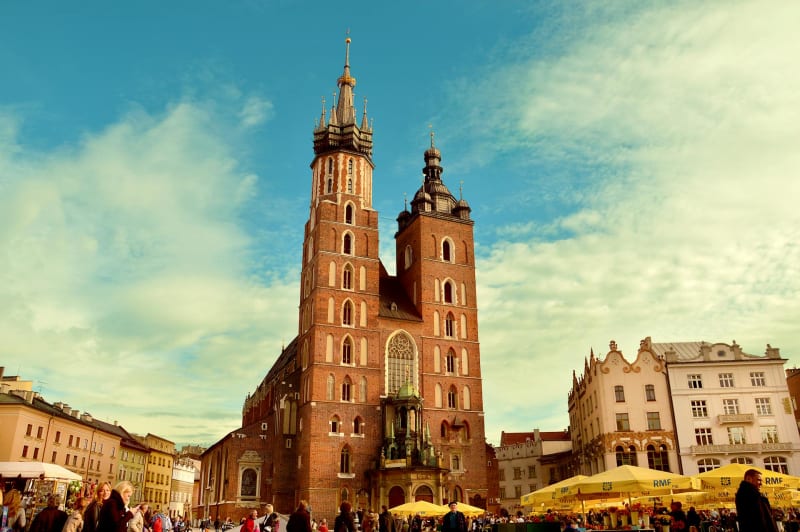
Gdansk
A Baltic port city of amber, Gothic brick, and revolutionary history where the cobblestone waterfront tells a thousand years of trade and defiance.
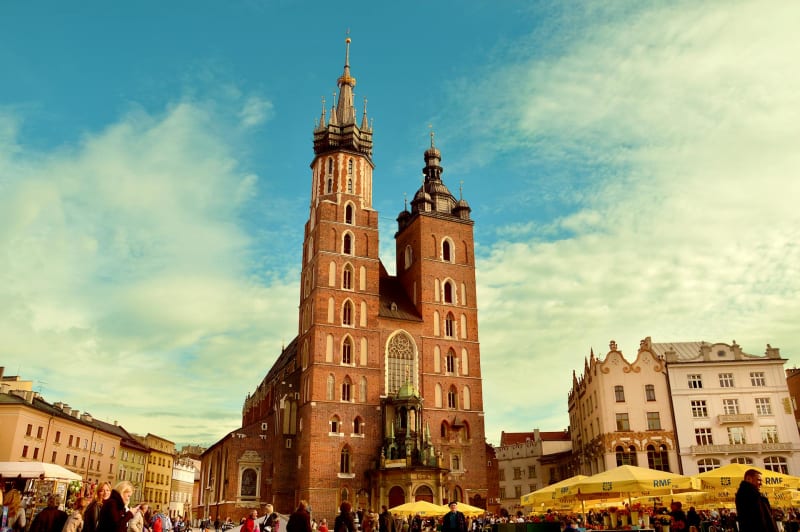
Krakow
Poland's cultural heart, where one of Europe's grandest medieval squares anchors a city of churches, jazz clubs, and pierogi that will ruin you for all others.
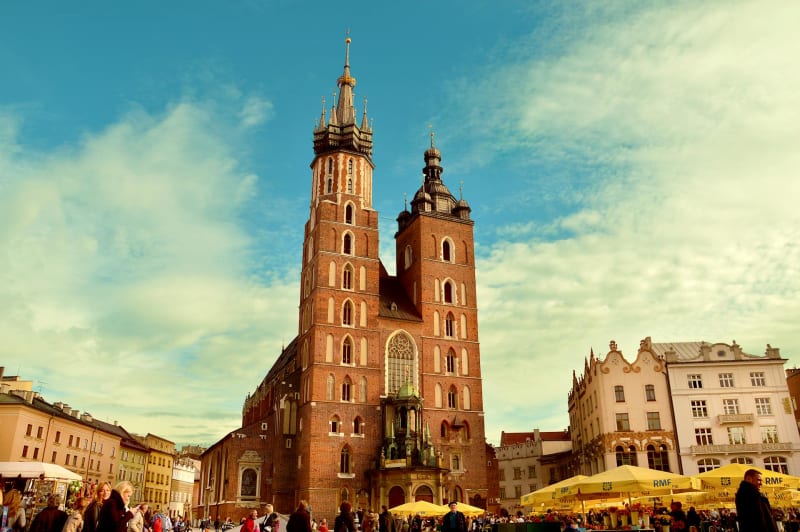
Lodz
Poland's post-industrial phoenix, where 19th-century textile factories have been reborn as cultural powerhouses, street art canvases, and creative hubs.

Malbork
Home to the largest castle in the world by surface area — a red-brick Gothic fortress that redefines what a medieval stronghold can be.
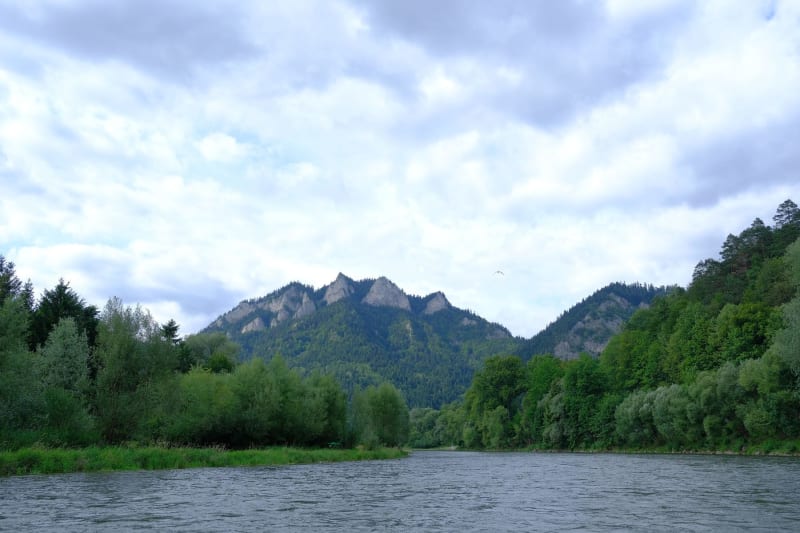
Pieniny National Park
A gorge of white limestone peaks on the Polish-Slovak border navigated by traditional wooden rafts on the Dunajec River.
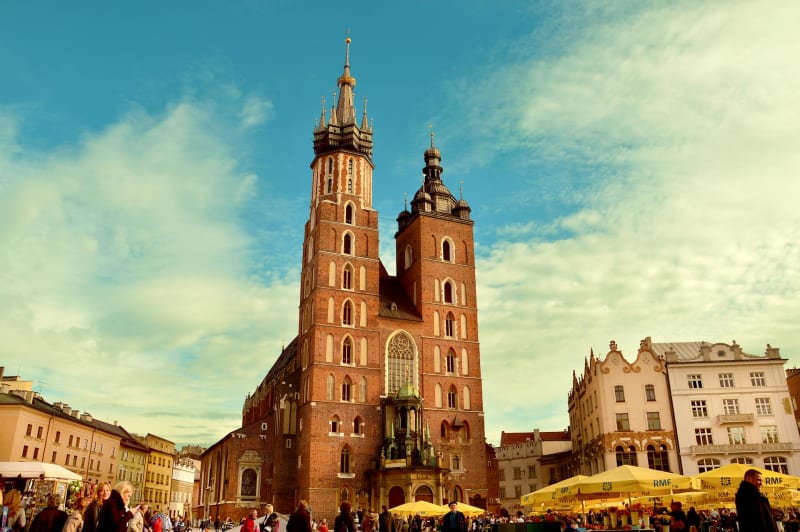
Poznan
A vibrant western Polish city where mechanical goats butt heads at noon, the croissants have their own museum, and the old town buzzes with student energy.

Poznań Old Market Square
Poland's most vibrant Renaissance market square comes alive at noon when mechanical goats emerge from the clock tower — a tradition since 1551.
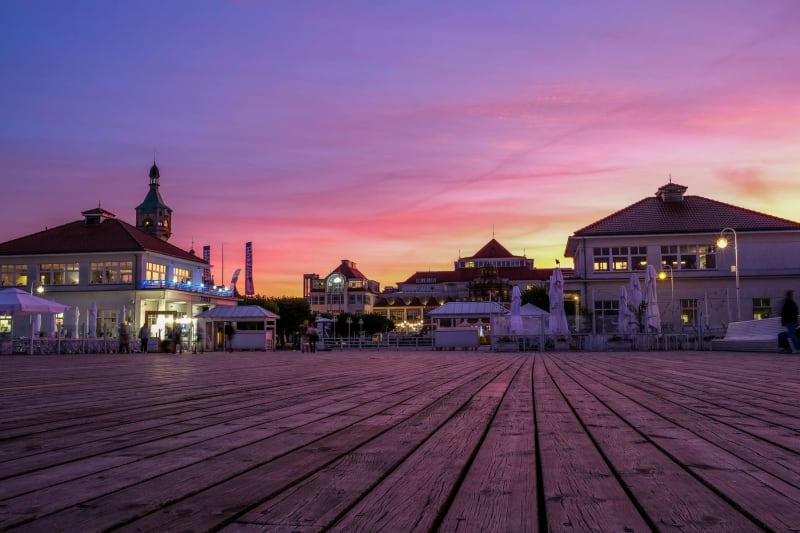
Sopot
Poland's glamorous Baltic resort has the longest wooden pier in Europe, a pedestrian promenade, and an irrepressible seaside energy that peaks each August.

Torun
A Gothic brick masterpiece on the Vistula that gave the world Copernicus and gingerbread, and hasn't stopped being proud of either.
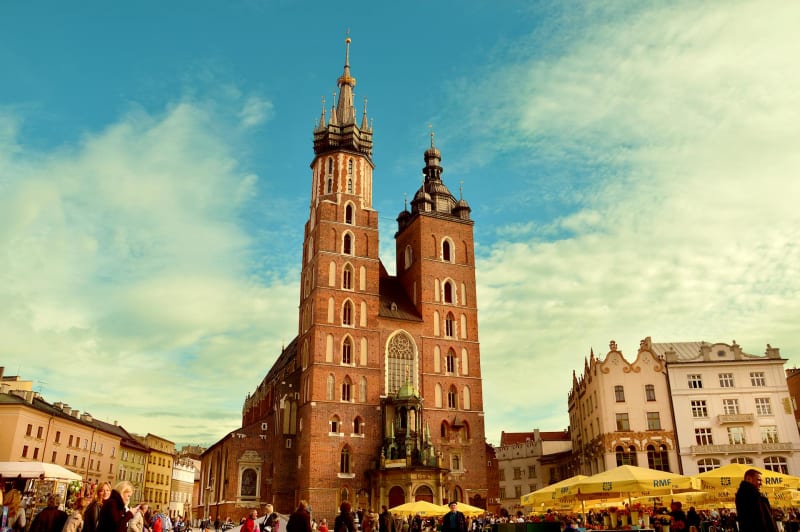
Warsaw
A capital rebuilt from rubble that now pulses with modern energy, where wartime memory and forward momentum exist in extraordinary tension.

Wieliczka Salt Mine
A labyrinth of chapels, lakes, and chandeliers carved entirely from rock salt, descending nine levels below the Polish countryside.
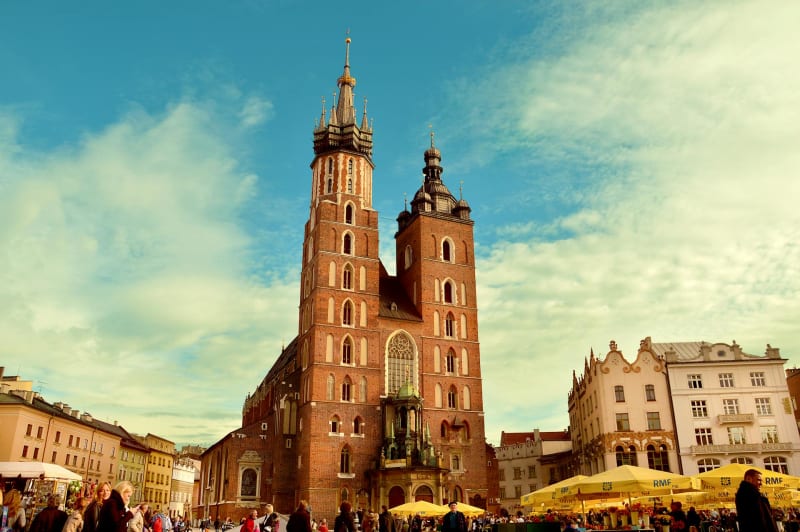
Wroclaw
A city of a hundred bridges and hidden bronze dwarves, where Central European elegance meets a playful, youthful spirit on the banks of the Oder.
Zakopane
Poland's mountain capital at the foot of the Tatras, where highland culture, wooden architecture, and alpine drama converge.