Białowieża is the last significant remnant of the primeval forest that once covered the European lowlands. The trees here — oaks over five hundred years old, limes, hornbeams, spruces — have never been commercially logged, and the result is a forest that operates on its own terms. Fallen giants lie where they fell, slowly returning to earth while new growth rises around them. The canopy is so dense that the forest floor exists in perpetual twilight, carpeted in moss and ferns.
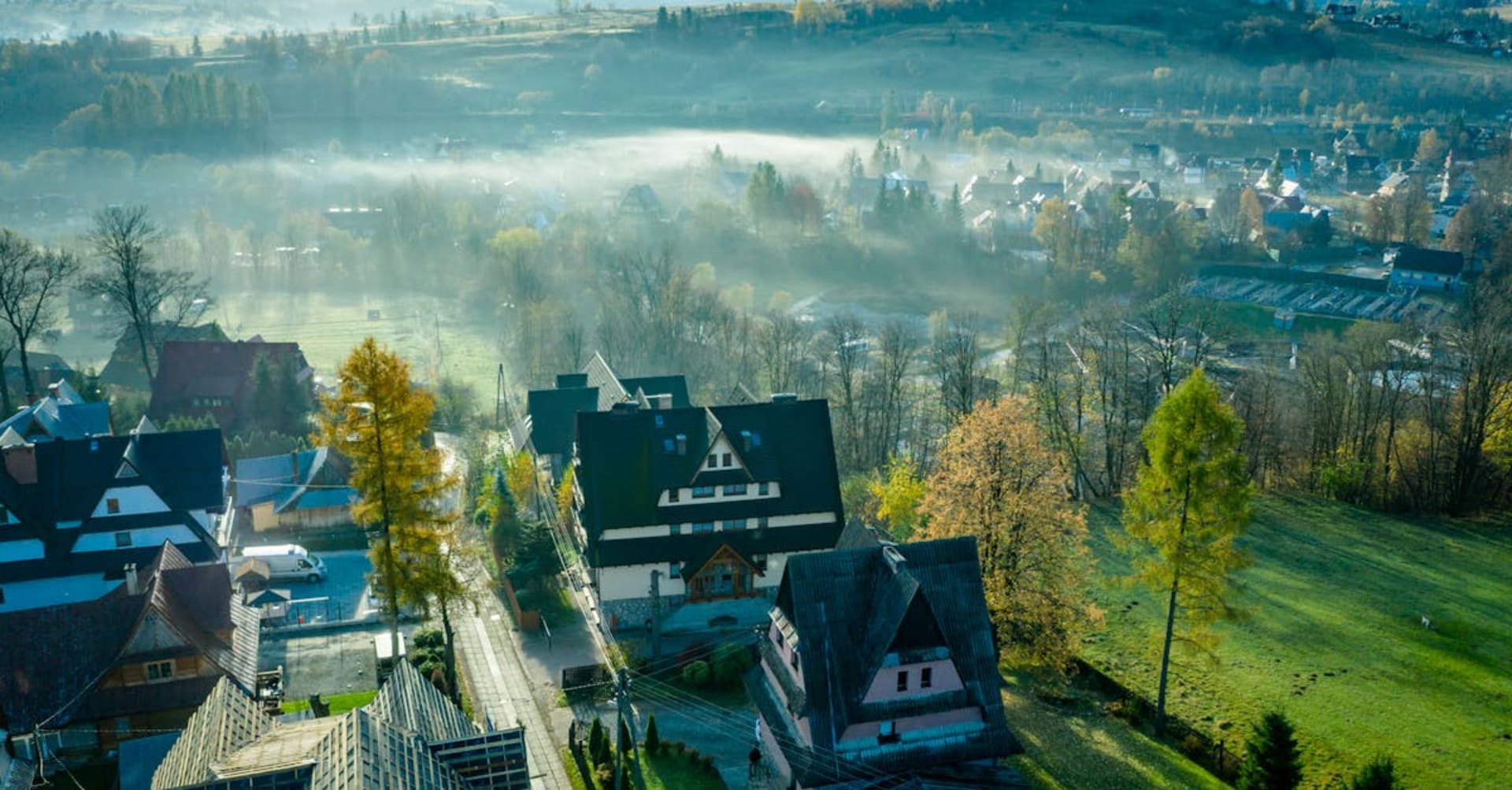
The European bison is the forest’s most famous resident. Hunted to extinction in the wild by 1919, the species was reintroduced from zoo populations and now numbers over a thousand in the Białowieża region. Seeing these massive animals — Europe’s heaviest land mammal — moving through their ancestral forest is genuinely moving. Access to the strict reserve requires a licensed guide, but the surrounding forest is open for walking and cycling. The village of Białowieża itself is small and quiet, with wooden houses, a palace park, and a natural history museum.
When to go: May and June for birdsong and wildflowers. September and October for autumn colors. Winter for tracking bison in snow.