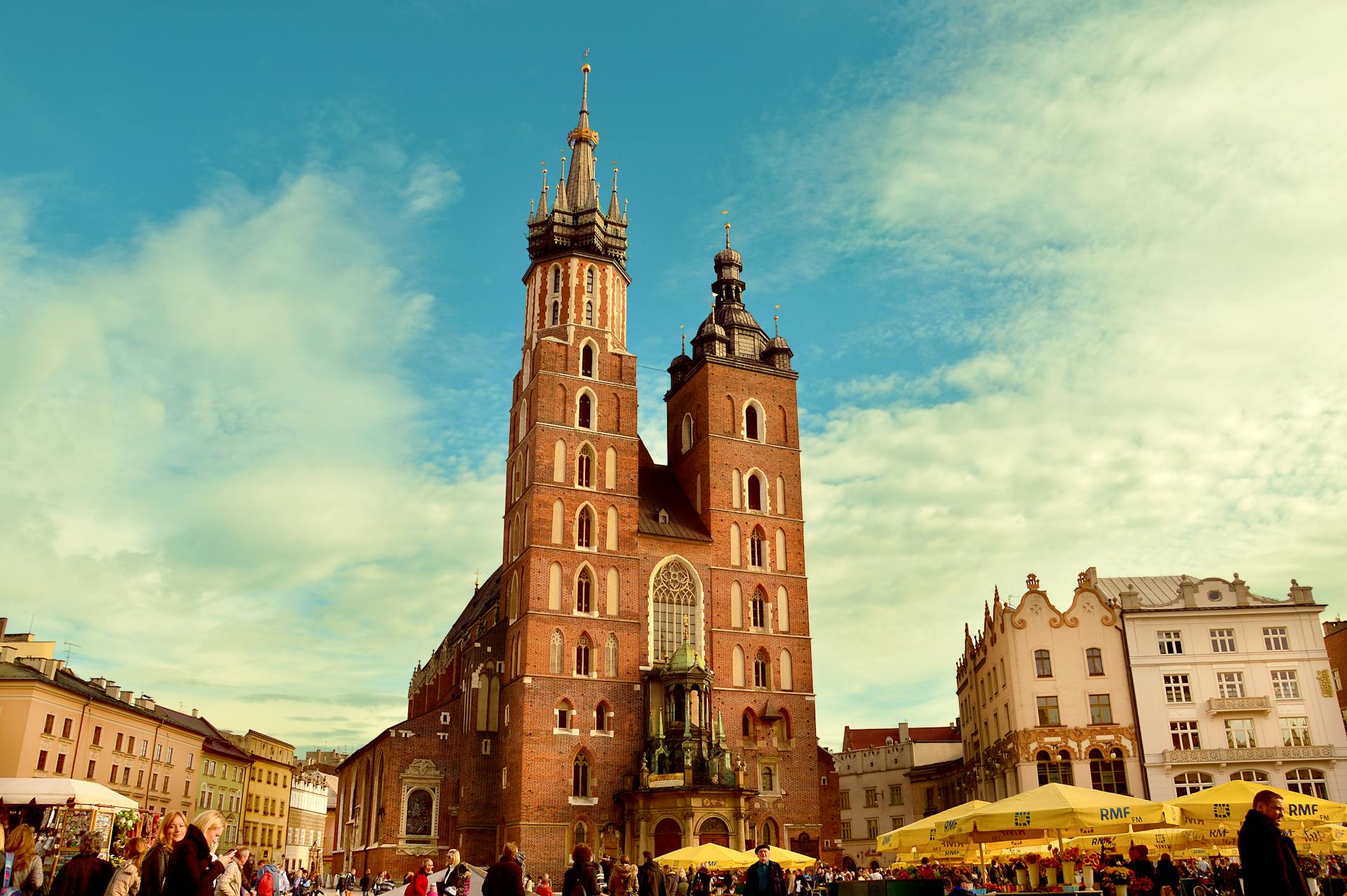
Warsaw’s Old Town is a miracle of stubbornness. Destroyed almost completely during World War II, it was rebuilt brick by brick from paintings, photographs, and memory — an act of collective will that UNESCO recognized by listing the reconstruction itself. The result is a colorful market square that looks centuries old but carries the weight of knowing what it took to bring it back. The Royal Castle, the Cathedral, the Barbican — all rebuilt, all resonant.
Modern Warsaw pushes skyward around the Palace of Culture and Science, Stalin’s unwanted gift, which locals have learned to love ironically. The Praga district across the Vistula — the part of the city that survived the war — offers raw, ungentrified energy: street art, dive bars, and the Neon Museum preserving Cold War-era signs. The POLIN Museum of the History of Polish Jews is one of Europe’s finest museums, tracing a thousand years of Jewish life with extraordinary sensitivity. Warsaw’s food scene has exploded — from milk bars serving barszcz and kotlet to ambitious restaurants rethinking Polish cuisine entirely.
When to go: May through September for warm weather and outdoor events. October brings golden autumn in the parks. Winters are cold but atmospheric.