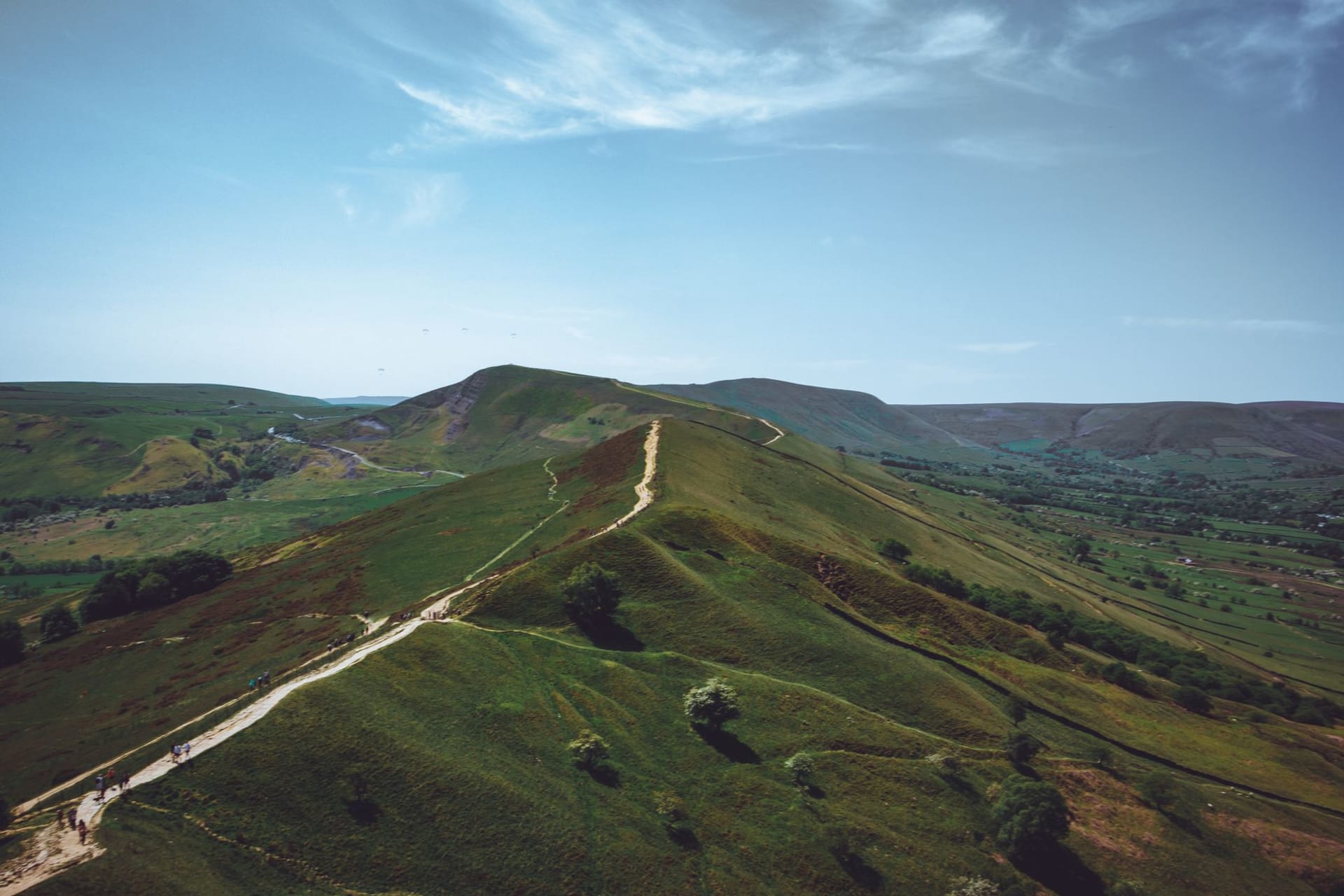
Dovedale
"The valley looks like someone designed it specifically to make you stop walking and just stand there."
A limestone gorge in the White Peak where the stepping stones and grey pinnacles make England look briefly like somewhere else.

The stepping stones at Dovedale are one of those places that earn their reputation by being exactly what they claim to be: a series of flat limestone stones crossing a clear chalk river at the foot of a gorge whose limestone pinnacles rise thirty metres on either side. The River Dove running between those rocks is spring-clear, the kind of water that makes every stone on the riverbed visible. Trout hold position in the current without apparent effort. Dipper birds run along underwater. In the afternoon the light comes over the western edge of the gorge and turns the pale grey rock to something close to gold. I have a photograph from this moment that I look at more than almost any other photograph I have ever taken, which I say not to boast but because it tells you something about what this valley does to the light.
I arrived from the Thorpe Cloud car park on the south end, which is the conventional approach and therefore the busiest, but there is no better way to enter the gorge than through this narrow southern mouth, the land funnelling between the two guardian hills of Thorpe Cloud and Bunster Hill before opening into the valley proper. In June the cow parsley was at its peak along the path edges — those enormous white flower heads on hollow stems that line English riverbanks for exactly three weeks a year and then vanish as if they were never there.

The valley was celebrated by Izaak Walton in The Compleat Angler, published in 1653, which is one of the oldest books about recreational fishing and one of the first to argue that landscape has value beyond its agricultural or commercial use. Walton fished the Dove with his friend Charles Cotton, who had a fishing house near Hartington, and between them they mapped the river’s personality in prose detailed enough that you can walk the valley and recognise the features they described. The limestone crags — Dovedale Castle, Lover’s Leap, Pickering Tor — are named in the book. It is an unusual pleasure to walk through a landscape that has been appreciated in exactly this way for four hundred years.
What Walton could not have anticipated is the weekends in summer, when the car park fills and the stepping stones become an obstacle course of families photographing each other at precise angles. The path narrows in sections and the valley’s intimacy works against it here — the gorge is not wide enough to absorb crowds without feeling crowded. This is not a reason to avoid it; it is a reason to time your visit deliberately. Walking upstream past the main tourist section toward Milldale, two kilometres north, the numbers thin dramatically and the valley reasserts its character. The path becomes rougher, the limestone formations more dramatic, the river quieter. By the time you reach Milldale’s tiny pack-horse bridge you will have the dale almost to yourself.

The walking in Dovedale requires no special equipment but a respect for slippery limestone when wet — the rocks around the stepping stones in particular. Dogs swim here enthusiastically and children paddle with the unselfconsciousness of children encountering genuinely cold water for the first time. The village of Tissington, three kilometres east, has a hall, a duck pond, and a tea room that serves scones at the kind of prices that remind you England can still be surprisingly affordable when it wants to be.
When to go: Late May to early June for the cow parsley and spring flowers. Early September when the summer crowds have thinned but the weather still holds. Midweek visits are strongly recommended — the valley is genuinely a different experience without weekend crowds. Avoid the Easter and August bank holiday weekends entirely if crowds diminish your experience of a place.
Keep exploring
More from Peak District
 peak-district
Edale
The village at the end of the train line and the beginning of England's wildest long-distance walk.
Explore peak-district
Eyam
A limestone village that locked its own gates against the plague in 1665, and still carries that quiet, deliberate weight today.
Explore peak-district
Hathersage
A Hope Valley village where Charlotte Brontë came to think and Robin Hood's lieutenant is supposedly buried in the churchyard.
Explore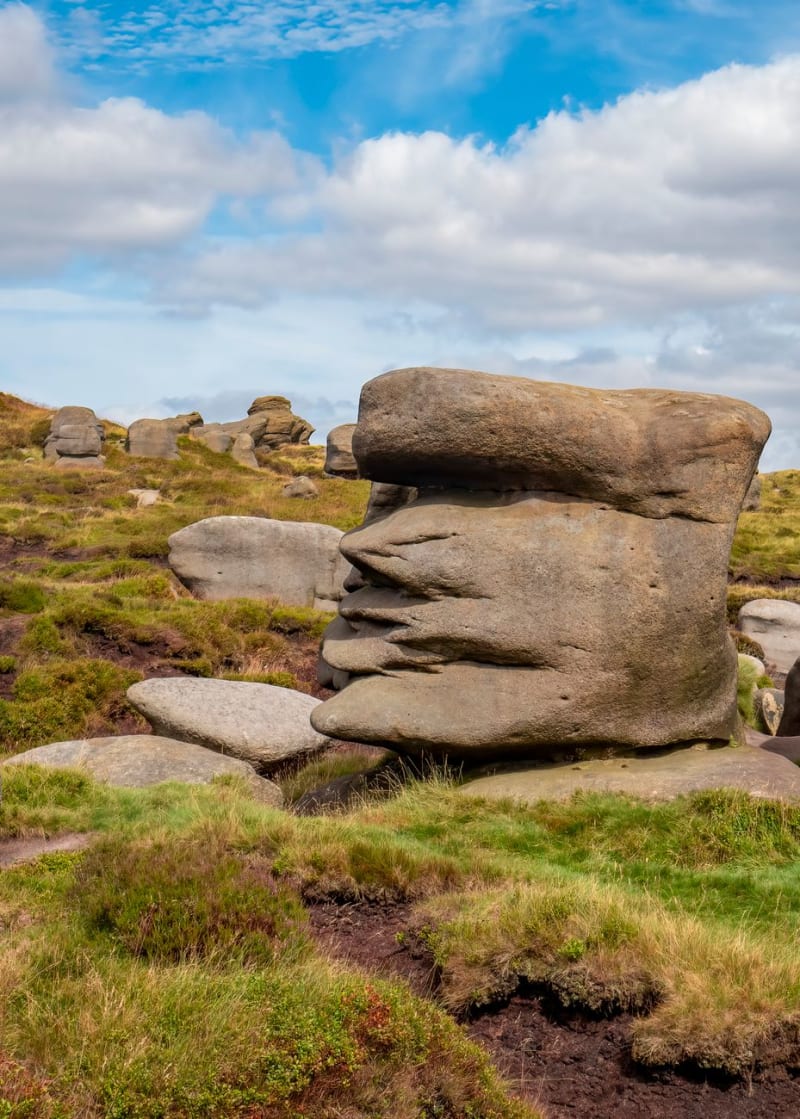 peak-district
Kinder Scout
The highest, bleakest plateau in the Peak District, a peat wilderness where a mass trespass in 1932 helped win the public's right to walk England's wild land.
Explore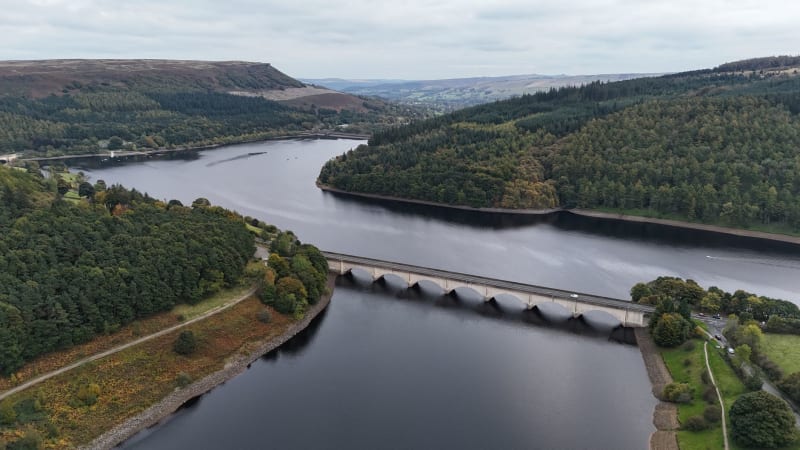 peak-district
Ladybower Reservoir
Three drowned valleys in the Dark Peak where the water level in dry summers exposes the ghost of a sunken village.
Explore peak-district
Mam Tor
A ridge summit above a landslip so persistent it swallowed a main road, with views stretching across two Peak District valleys.
Explore