
A limestone market town where the pudding is everything they claim and the Monday market has been running for seven centuries.

There is a bench outside the Old Original Bakewell Pudding Shop on The Square where I sat for twenty minutes doing nothing but eating a Bakewell pudding and watching the street. It was a Monday, which is market day, and the town was doing its actual function rather than performing its tourist one — farmers parking Land Rovers at angles that suggested familiarity rather than care, women with canvas shopping bags examining the vegetable stalls with the seriousness of people who intend to cook real food. The pudding I was eating was still warm, the pastry case filled with a dense almond and egg custard over a layer of jam, and it tasted like nothing I have eaten anywhere else, which is a thing I usually distrust myself for thinking but here seemed verifiably true. Bakewell pudding is not a tart. The locals will tell you this. The tart is a different, flatter, iced thing from the confectionery world. The pudding is a baker’s accident from the 1860s that became an institution.
Bakewell sits at the heart of the White Peak, where the limestone replaces the Dark Peak’s gritstone and everything softens — the landscape, the building stone, the colour palette. The River Wye runs through the middle of town under a five-arched medieval bridge that dates to the thirteenth century and still carries foot traffic without complaint. Willow trees trail in the shallows and in spring the riverbanks go extravagant with wildflowers that attract a level of attention from passersby that you don’t often see directed at wildflowers. Even the hard-faced market men slow down.

The town is compact enough to exhaust on foot in a morning. Rutland Square, the church on its hill, the almshouses on the back streets. The Old House Museum in a Tudor building that leans at the angles old buildings are permitted — it holds the kind of collection that regional museums do well, the domestic and agricultural objects of centuries that don’t make it into the national narrative but tell you more about how people actually lived. There is a corn mill. There is a medieval market hall. The whole thing is well-preserved without being consciously prettified, the stone streets still workaday.
The Monsal Trail starts nearby — a converted railway line that runs through the limestone valleys along old viaducts, passable by bike or foot. I rented a bicycle from one of the hire places near the station and rode west toward the Monsal Head viaduct, where the trail crosses a spectacular stone bridge above the river valley. The old railway tunnels along this route were closed for decades then reopened, and now you cycle through them with a head torch, the limestone walls close either side, the light at the far end growing slowly. It is unexpectedly moving, this return to darkness and emergence into green valley on the other side.
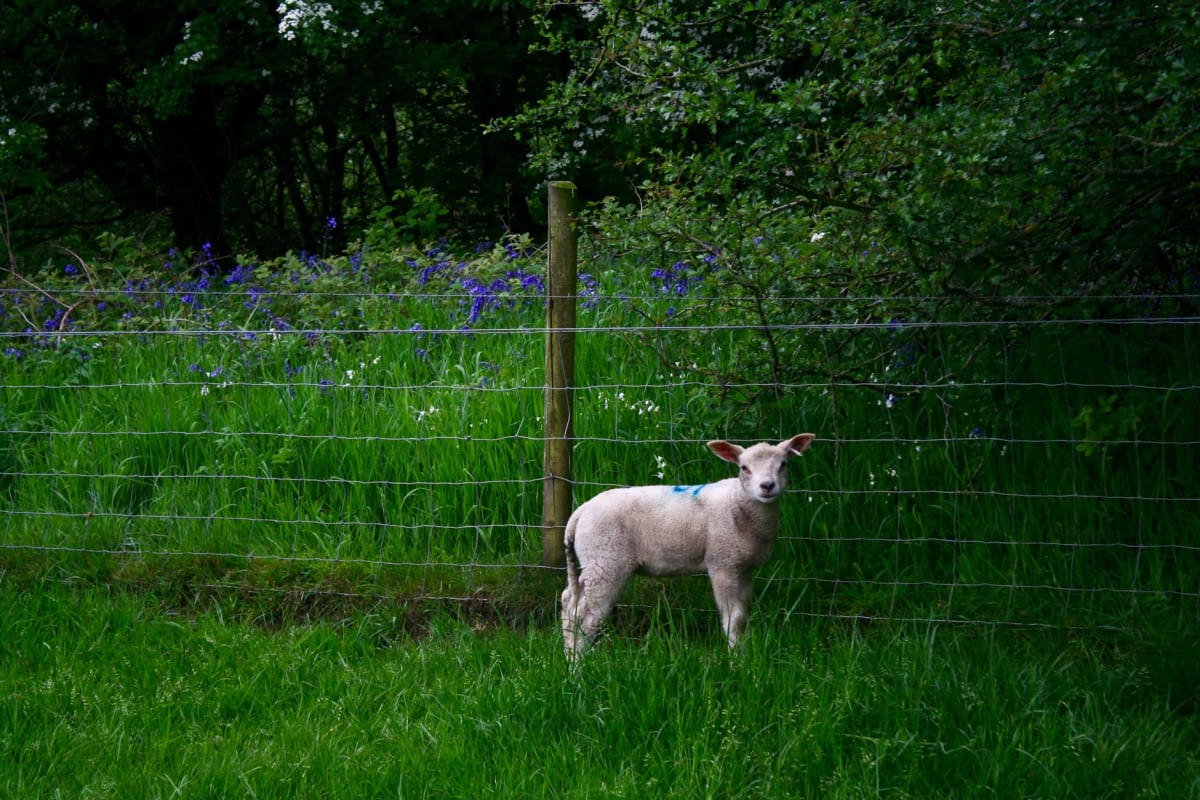
The eating in Bakewell is honest rather than ambitious. There are tea rooms doing their best work, pubs serving dependable pies and lamb stew that comes from animals that grazed within eyeline of where you are sitting. The Rutland Arms Hotel is where Jane Austen is said to have stayed and was inspired to set part of Pride and Prejudice in the area — a fact the hotel mentions with a pride proportional to the claim’s uncertainty. The food is good there regardless of Austen’s sleeping habits.
When to go: Monday for the market — it starts early and the best of the food stalls are gone by eleven. May through June for the wildflowers along the Wye. September when the countryside around it goes warm-toned and the Monsal Trail is at its most atmospheric. Chatsworth’s annual Country Fair in September also fills every bed in the area, so book ahead if that coincides.
Keep exploring
More from Peak District
 peak-district
Buxton
A Georgian spa town at 300 metres elevation where the thermal spring still flows and the opera house still runs a serious festival.
Explore peak-district
Castleton
A Hope Valley village perched below a collapsing mountain, surrounded by caverns that go deeper than you expect.
Explore peak-district
Chatsworth
The Devonshires' baroque palace in a river valley — five centuries of improbable wealth made into something worth the admission.
Explore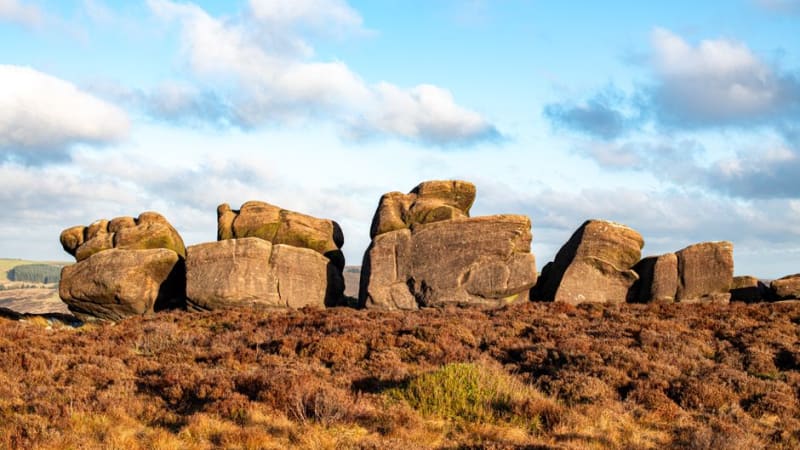 peak-district
Curbar Edge
A long gritstone escarpment above the Derwent Valley where climbers cling to the rock face while walkers stroll the clifftop above them.
Explore peak-district
Dovedale
A limestone gorge in the White Peak where the stepping stones and grey pinnacles make England look briefly like somewhere else.
Explore peak-district
Edale
The village at the end of the train line and the beginning of England's wildest long-distance walk.
Explore