
A small colonial town holding one of South America's most extraordinary Franciscan churches, its interior carved entirely in gold-leafed native wood.

Nothing about Yaguarón’s exterior prepares you for what waits inside its church. From the plaza, the Templo de San Buenaventura looks like a modest, whitewashed colonial building with a separate freestanding bell tower — handsome, but nothing that shouts. I nearly rushed past it on my way to find lunch. Then I stepped through the door and stopped entirely, because the interior is one continuous surface of carved and gilded wood, an altarpiece and ceiling completed by Guaraní artisans in the Jesuit-Franciscan mission tradition, angels and vines and geometric patterns covering every surface in gold leaf that has somehow survived over two hundred years without fading into something duller.
An elderly caretaker named Don Basilio, who has looked after the church for decades and speaks about the woodwork with the specific pride of someone guarding a family secret, walked me through the nave pointing out details I would have missed entirely on my own — a carved dove hidden in a scroll of leaves, a face that locals believe was modeled on an actual Guaraní craftsman rather than a European saint. He told me the gold was applied using a technique brought by the Franciscans but executed entirely by indigenous hands, which is really the whole story of these mission churches in one sentence.
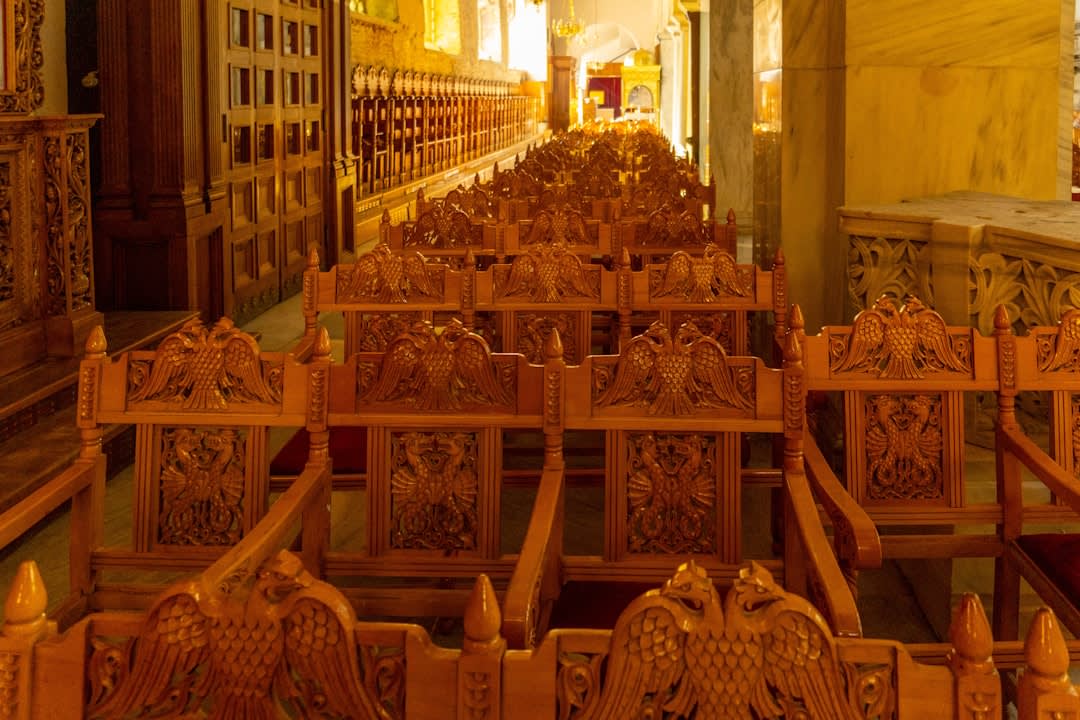
Outside, Yaguarón itself moves at the pace you’d expect from a town whose main attraction is a four-century-old church — slow, warm, unbothered. I wandered past the modest house-museum dedicated to José Gaspar Rodríguez de Francia, Paraguay’s fiercely isolationist first dictator who was born here, and then sat in the shade of the plaza eating a mbeju, the cassava-and-cheese flatbread sold from a cart nearby, while a group of schoolchildren practiced a traditional dance for some upcoming festival, their teacher clapping out the rhythm with visible patience.

When to go: The church is open most days, but arriving in the morning gives you softer light through the windows for seeing the woodwork properly, and avoids the midday heat on the walk from the bus stop.
Keep exploring
More from Paraguay
 paraguay
Ybycui National Park
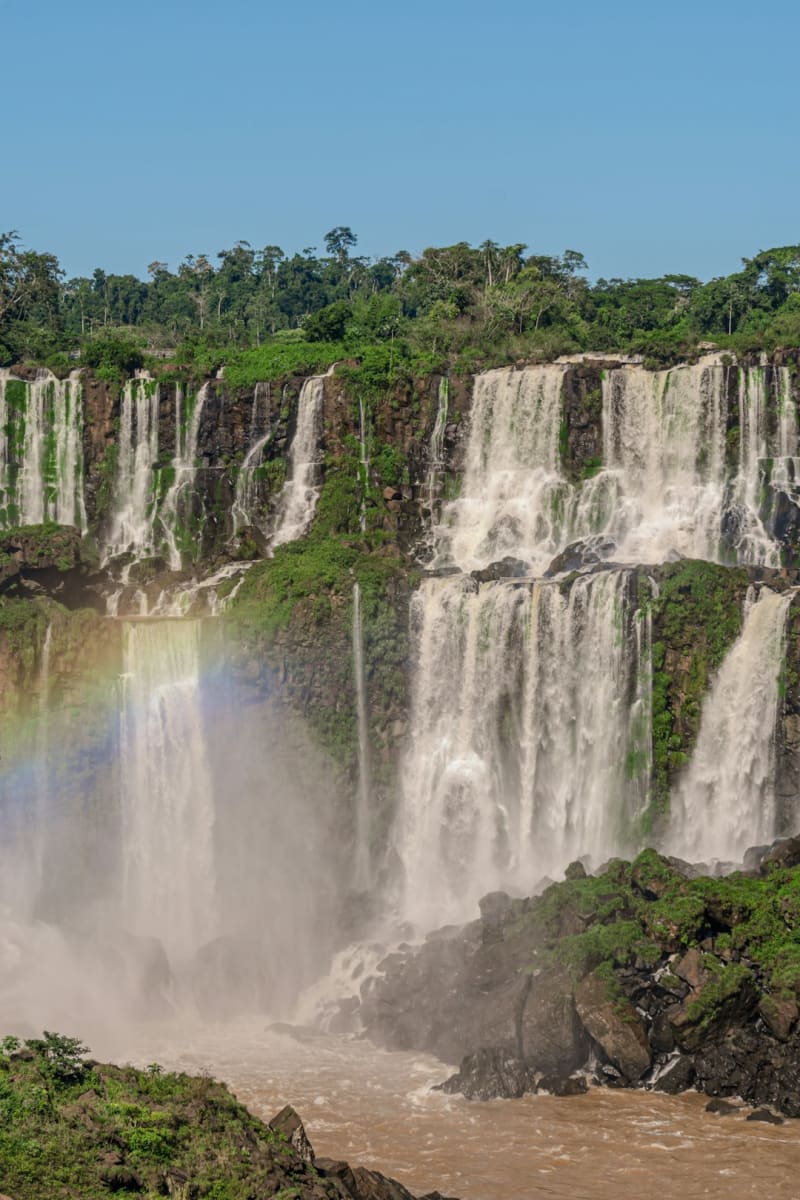
A pocket of Atlantic Forest folded around 19th-century iron ruins, where waterfalls drop through jungle that has quietly reclaimed a war industry.
Explore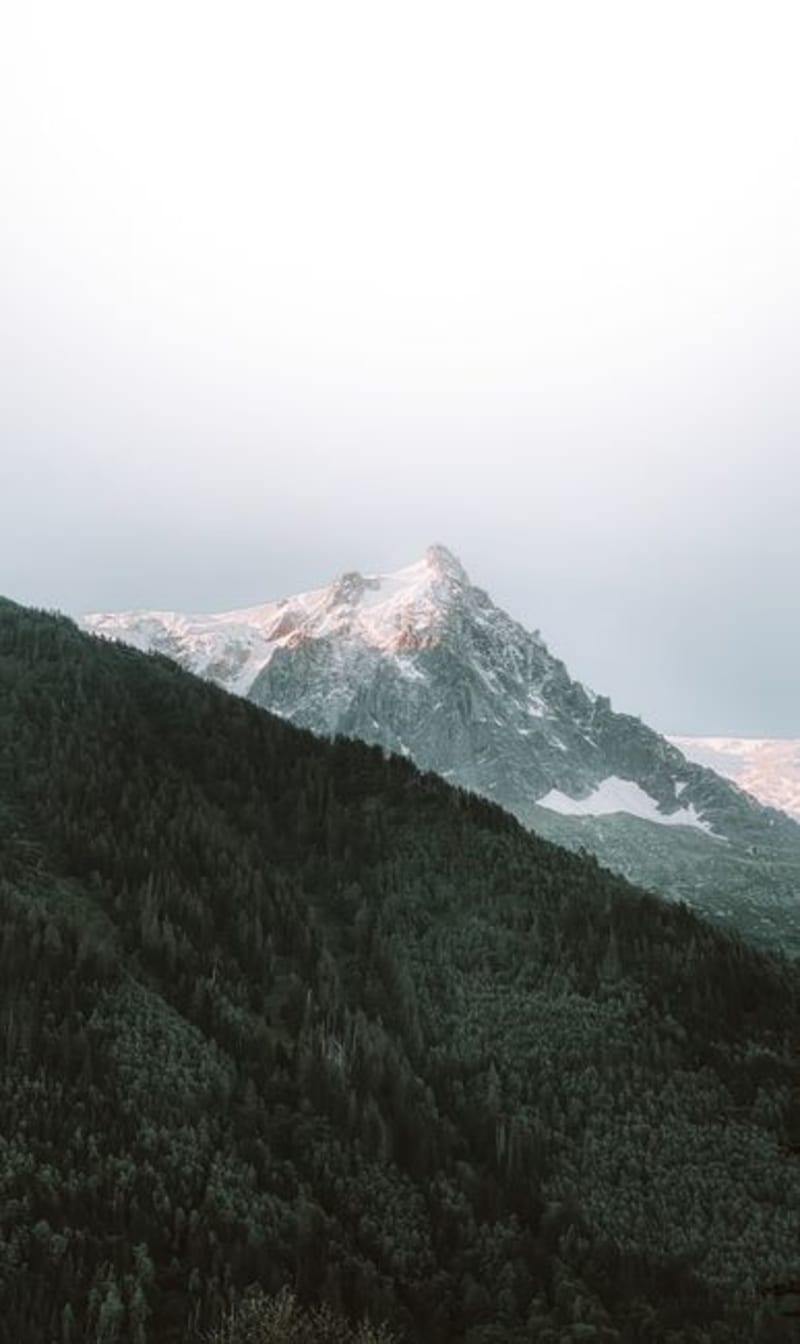 paraguay
Ybytyruzu Mountains
Paraguay's most dramatic mountain range, forested peaks and waterfalls rising unexpectedly out of the eastern farmland, largely unknown even to Paraguayans further south.
Explore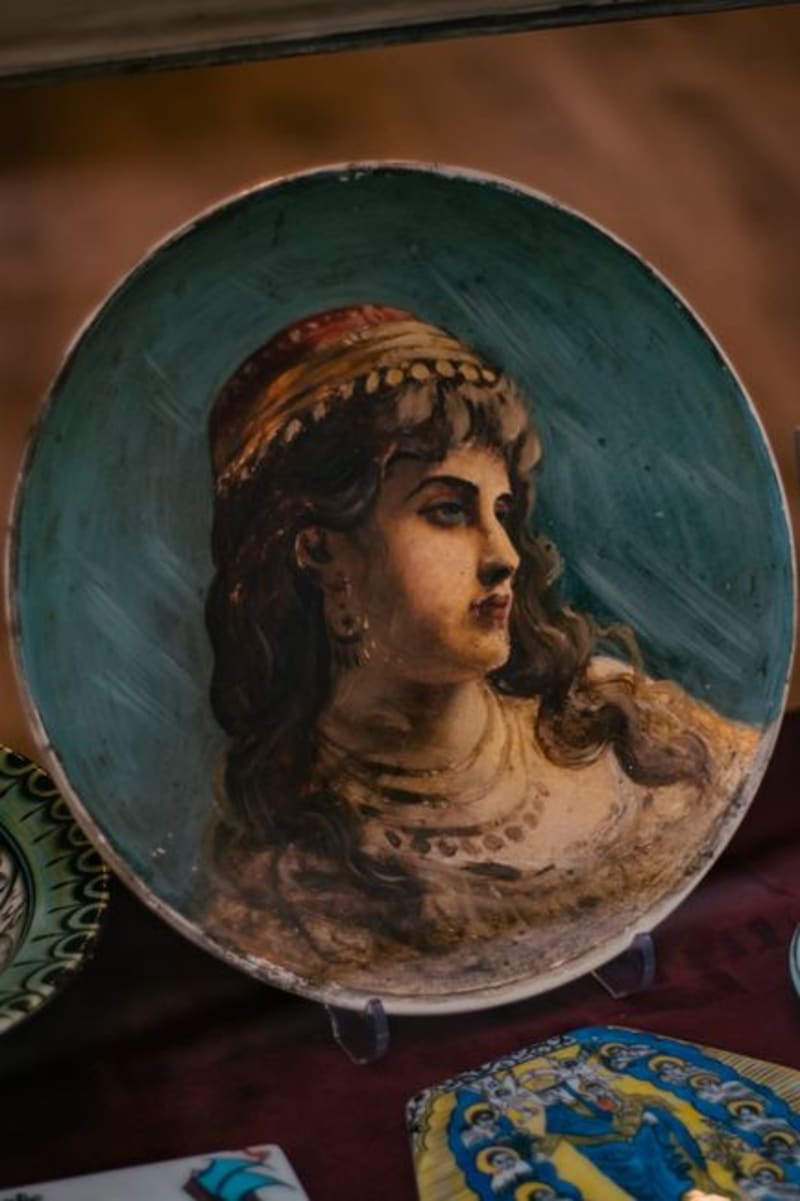 paraguay
Aregua
A lakeside pottery town on the shores of Lake Ypacarai where red clay hills, strawberry stands, and Sunday crowds from the capital all meet.
Explore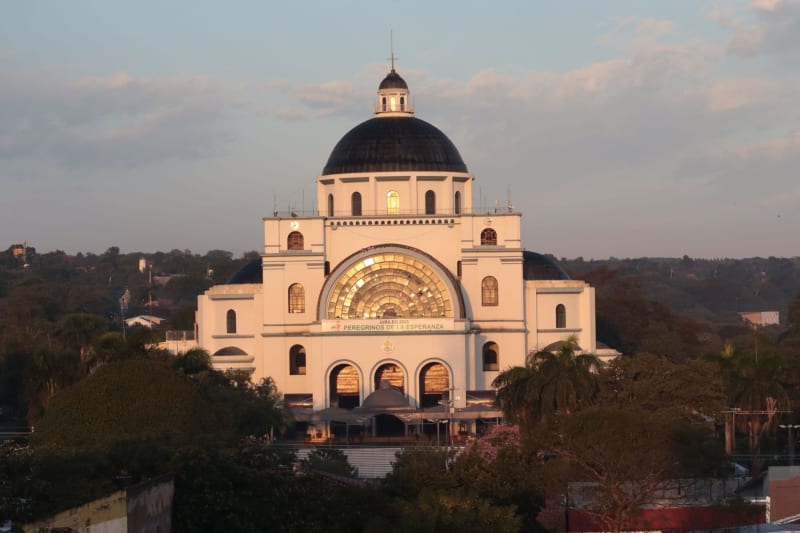 paraguay
Asuncion
South America's oldest colonial capital sits on the Paraguay River, largely undiscovered and entirely itself.
Explore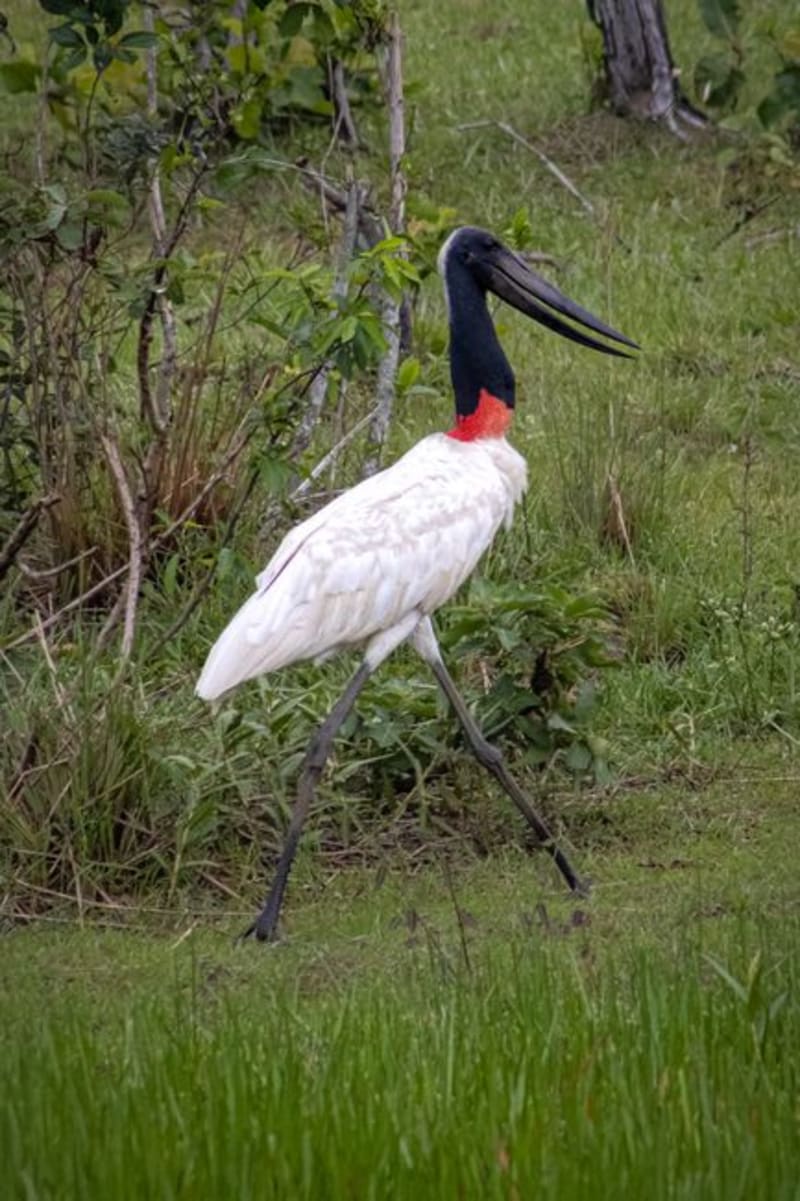 paraguay
Bahia Negra
Paraguay's northernmost river outpost, gateway to the vast Pantanal wetlands, reachable only by a two-day boat trip or a small propeller plane.
Explore paraguay
Caacupe
Paraguay's spiritual capital, where an immense basilica draws pilgrims by the hundreds of thousands each December in one of South America's great religious gatherings.
Explore