San Bernardino
"San Bernardino wears its German bones lightly, under a very Paraguayan tan."
A German-settled lake resort town where century-old timber villas face Lake Ypacarai and Asuncion's wealthy come to swim away the heat.
San Bernardino was founded by German immigrants in the 1880s, and the town still carries traces of that origin in the oldest houses along the lakefront — steep-eaved timber villas with deep verandas, built for a climate their original architects had clearly never experienced, since summer here is a wet blanket of heat that no amount of shaded porch fully resolves. I stayed in a small guesthouse run by a family who’d been there four generations, and the owner, a soft-spoken man named Karl-Heinz who spoke Spanish with a faint accent inherited from his grandmother, showed me photographs of the town from the 1930s that looked almost Bavarian, boats and bathing costumes notwithstanding.
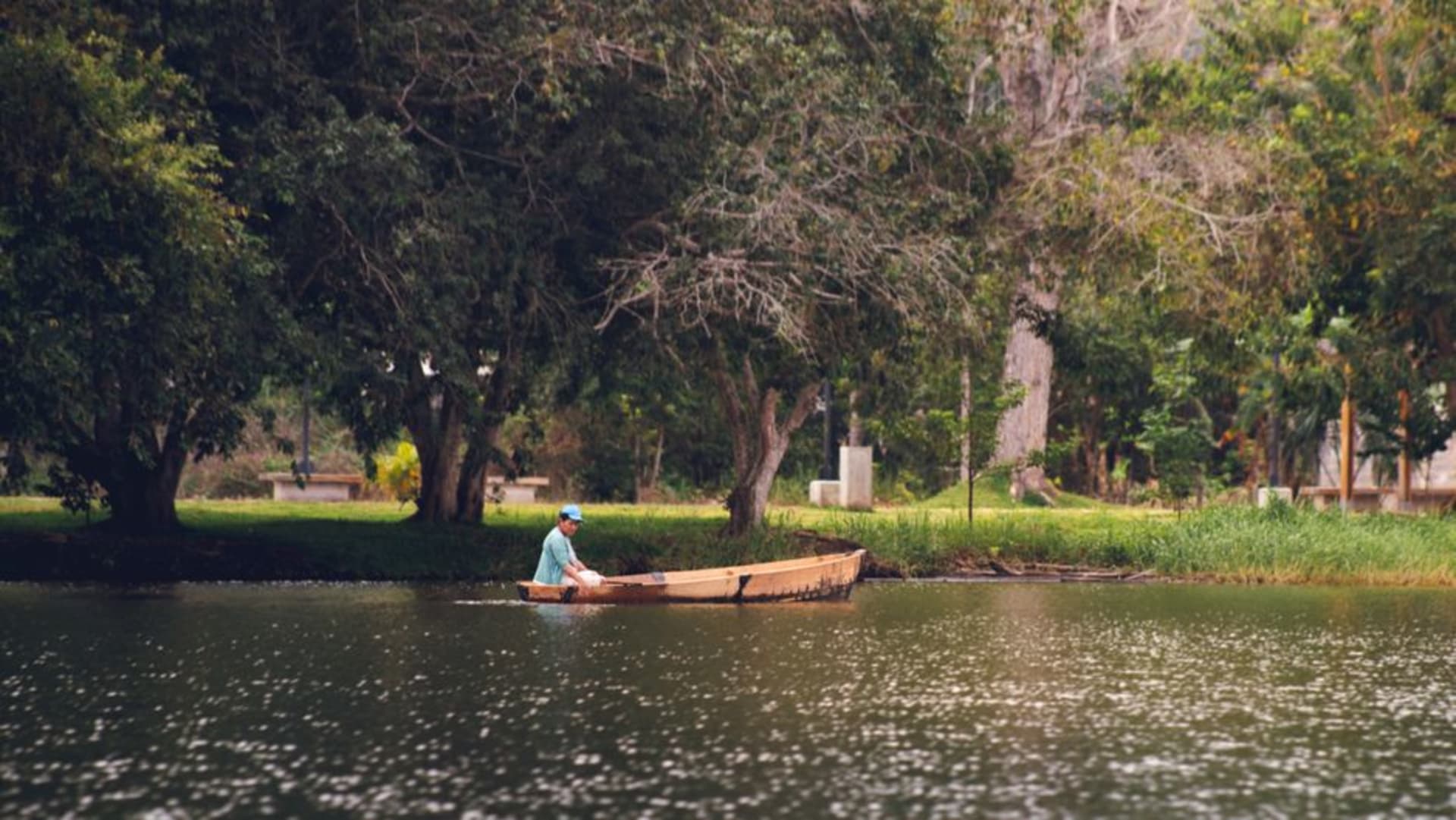
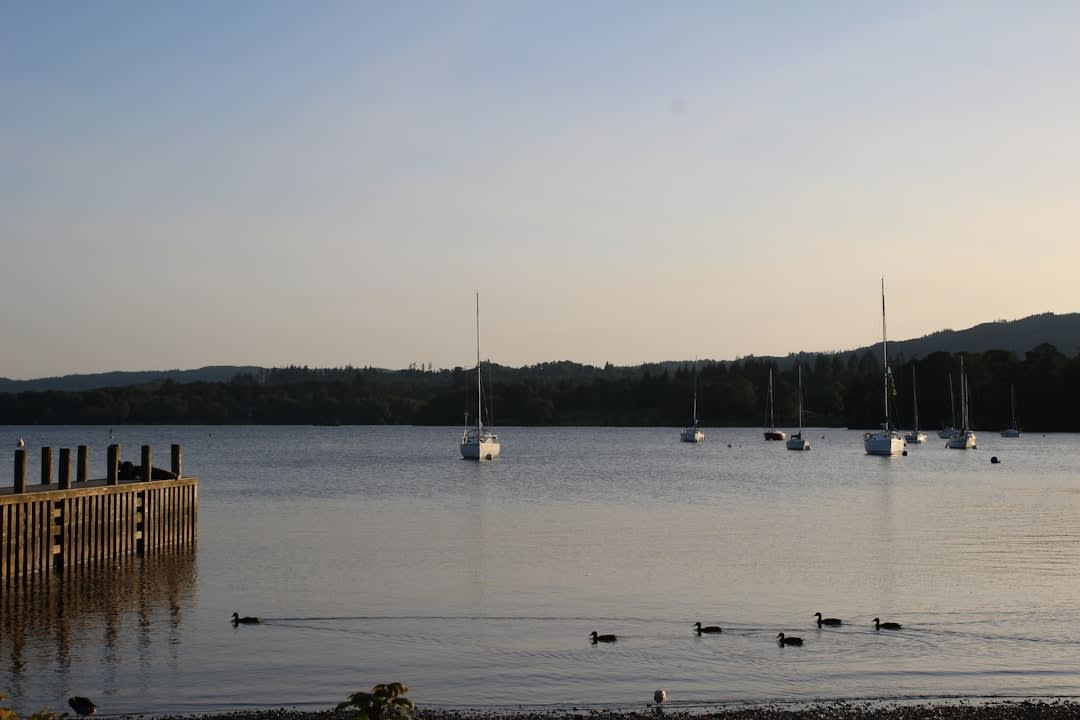
The lake is the entire point of the town. Lake Ypacaraí stretches wide and flat here, ringed by low hills, and on summer weekends it fills with sailboats, jet skis, and Asuncion families who have owned the same lakefront cottage for three generations. I rented a kayak from a stand near the old yacht club and paddled out toward the middle of the lake in the early evening, when the wind dies and the water turns to glass, the reflected light doing something genuinely beautiful to the sky.
The town itself has a particular social texture — old money mixing with newer weekend crowds, ice cream parlors that have clearly been serving the same recipes since the 1960s, and a central plaza shaded by enormous lapacho trees that were, when I visited in September, exploding into pink blossom overhead like a slow-motion firework. I sat there one afternoon with a cold Pilsen, watching teenagers on bicycles and old men playing chess on a stone table, feeling like I’d wandered into a town that had simply decided, decades ago, that this pace was correct and saw no reason to reconsider.
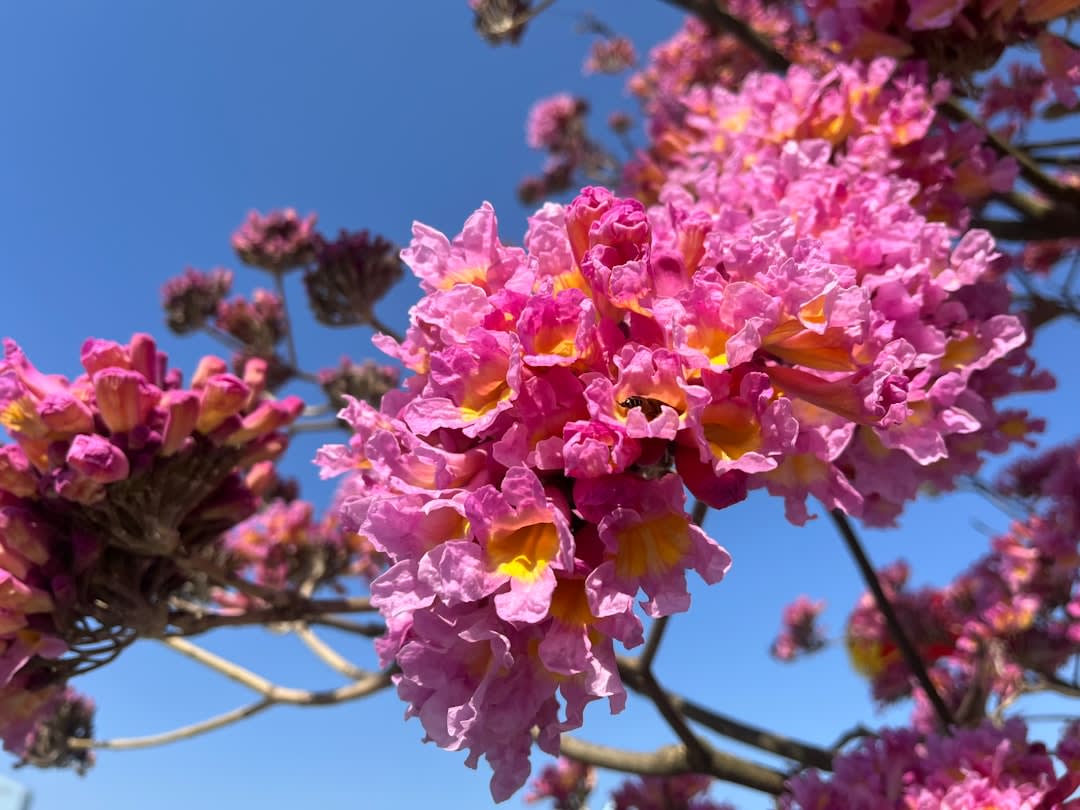
When to go: Come for lapacho bloom in August and September, or for lake swimming in the peak of the December-February summer if you can handle the heat.
Keep exploring
More from paraguay
 paraguay
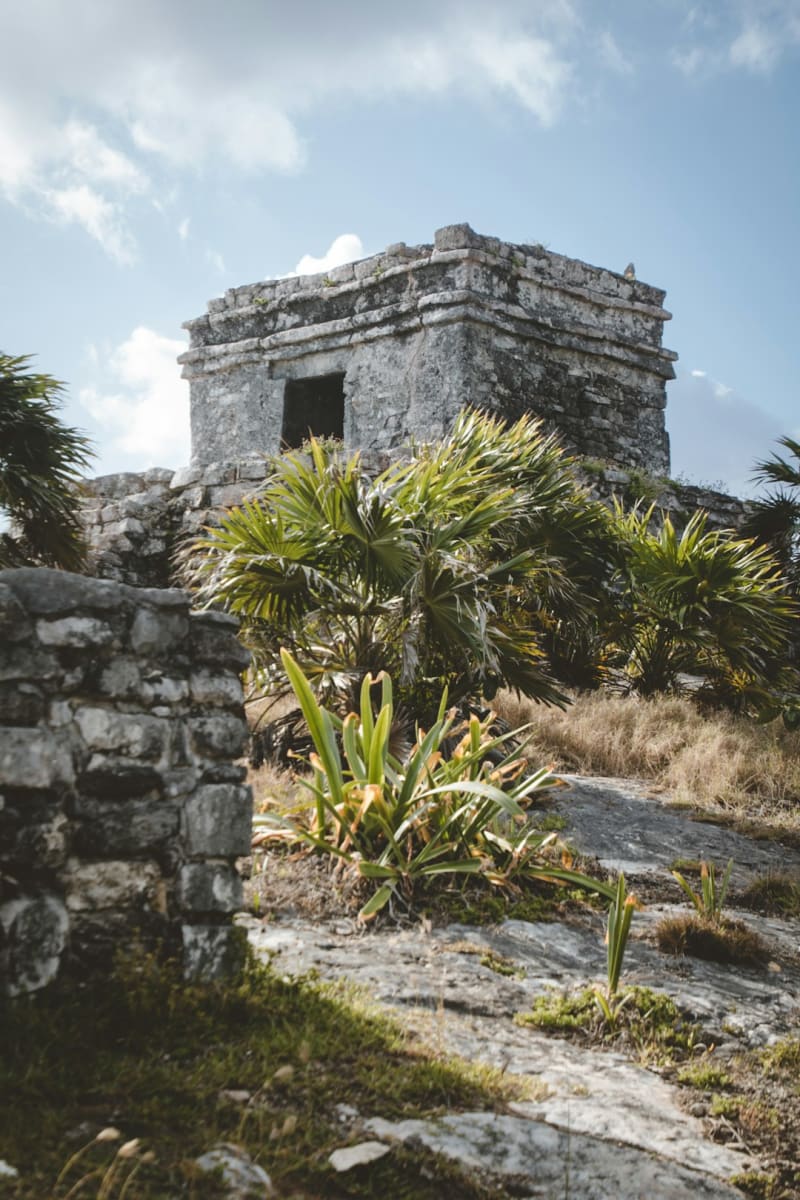
 Trinidad Jesuit Ruins
The best-preserved Jesuit mission in Paraguay, its red sandstone church and workshops standing in grassy fields as a UNESCO World Heritage monument to a vanished utopian experiment.
Explore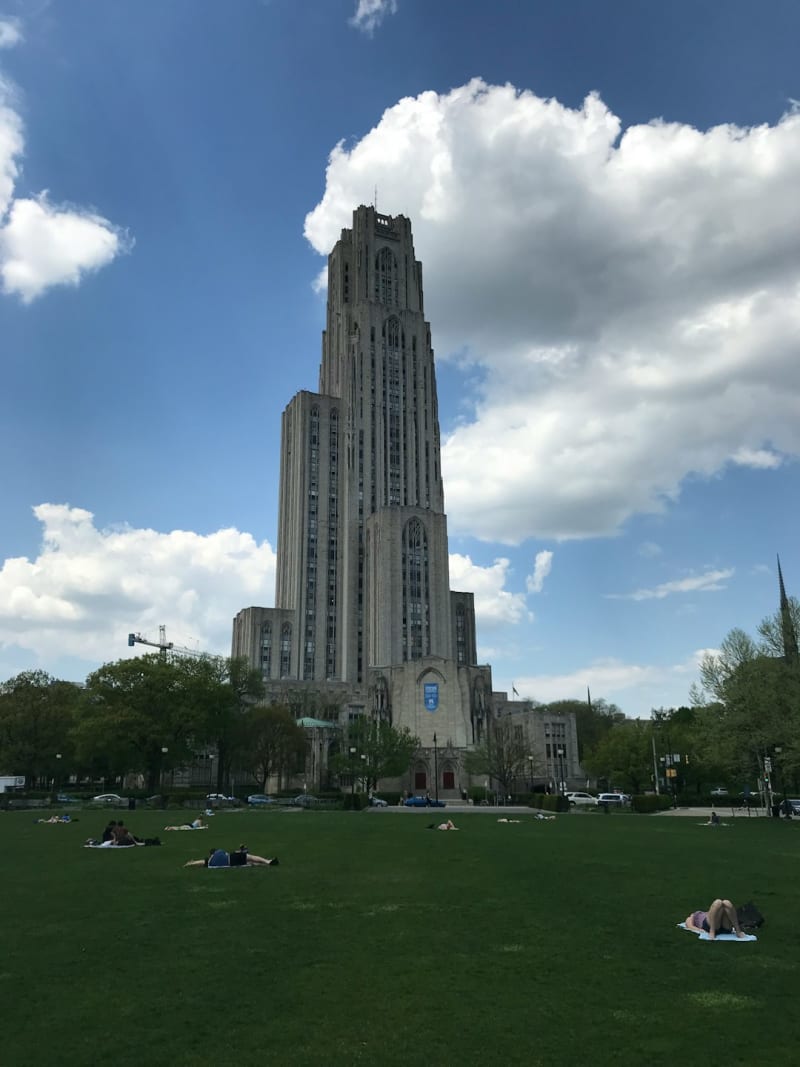 paraguay
 Villarrica
A gracious old provincial capital known for choir music, hand-rolled cigars, and a plaza culture that has scarcely changed pace in a century.
Explore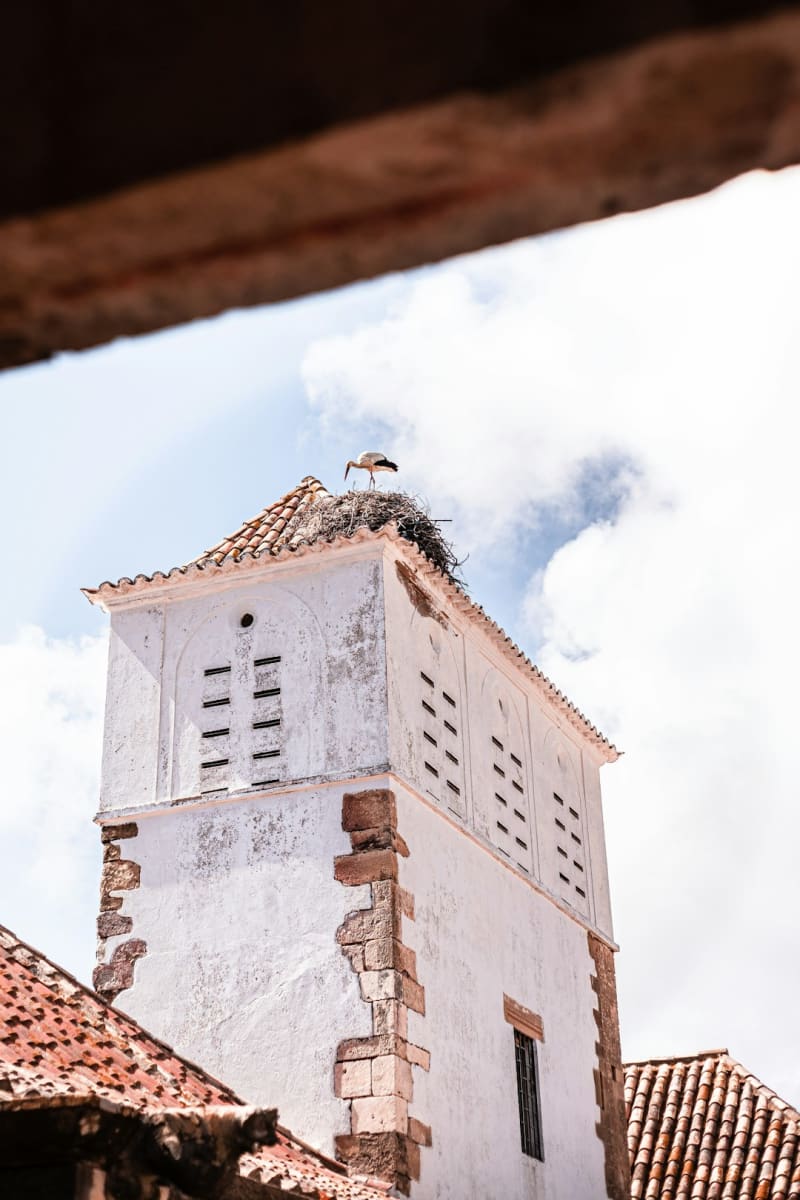 paraguay
 Yaguaron
A small colonial town holding one of South America's most extraordinary Franciscan churches, its interior carved entirely in gold-leafed native wood.
Explore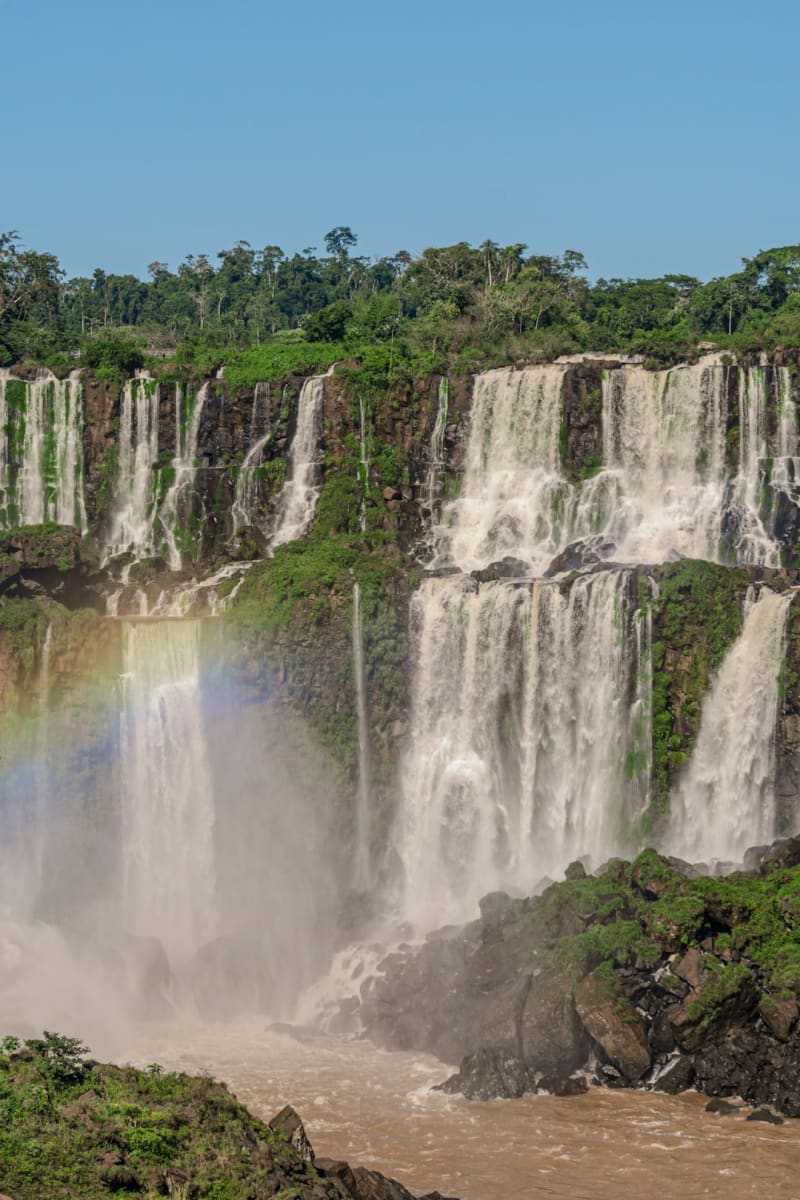 paraguay
 Ybycui National Park
A pocket of Atlantic Forest folded around 19th-century iron ruins, where waterfalls drop through jungle that has quietly reclaimed a war industry.
Explore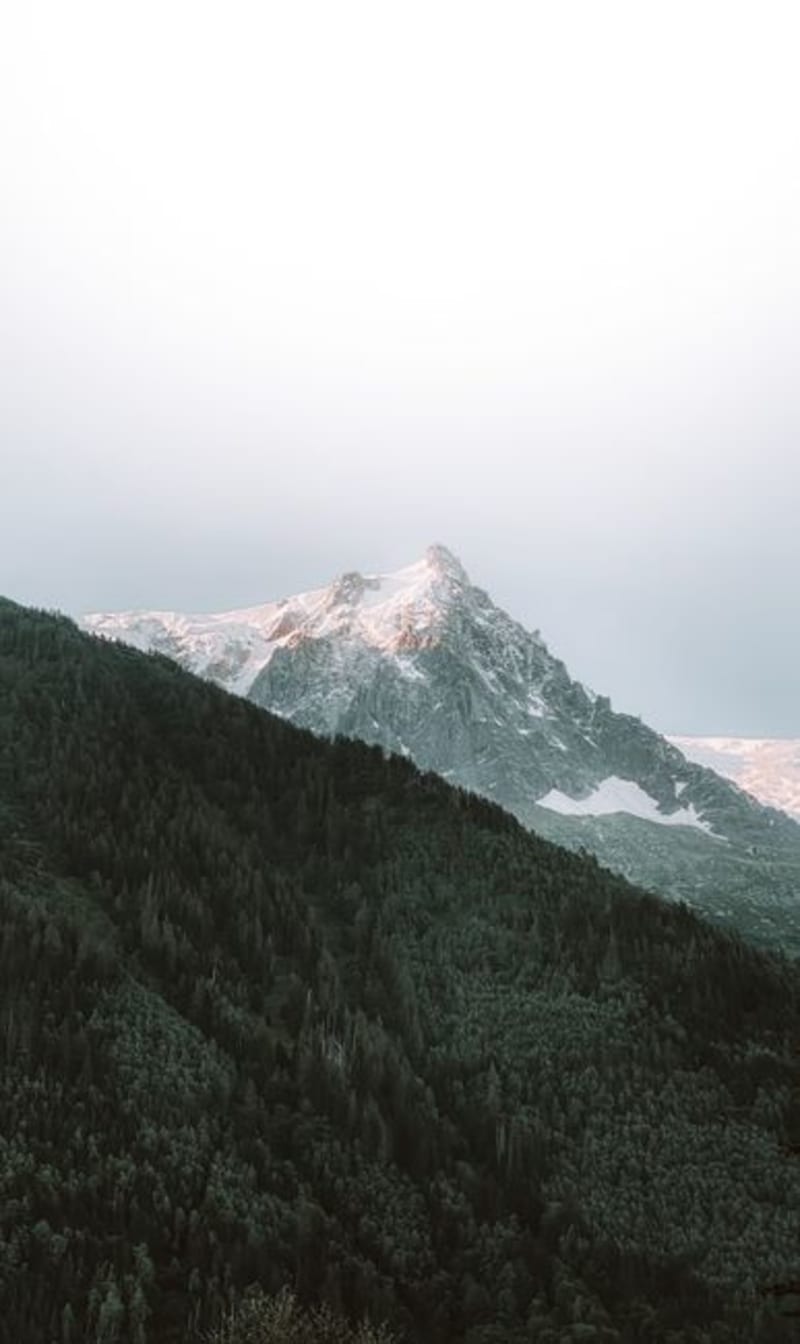 paraguay
 Ybytyruzu Mountains
Paraguay's most dramatic mountain range, forested peaks and waterfalls rising unexpectedly out of the eastern farmland, largely unknown even to Paraguayans further south.
Explore paraguay
 Aregua
A lakeside pottery town on the shores of Lake Ypacarai where red clay hills, strawberry stands, and Sunday crowds from the capital all meet.
Explore