A hidden waterfall in the eastern forest reserves near the Brazilian border, its clear pool ringed by palms and reachable only after a genuine hike.
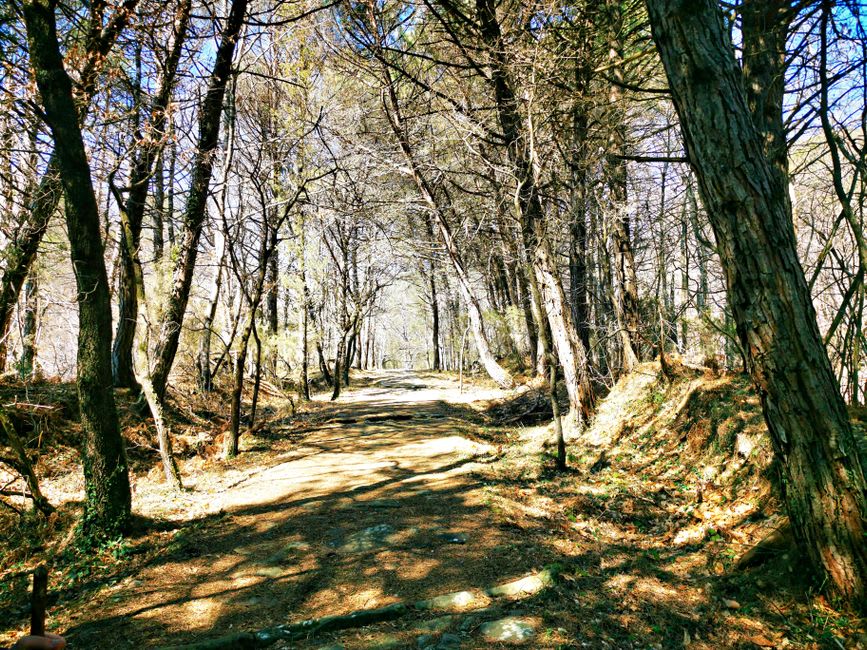
Salto Cristal sits within a private forest reserve near the town of Curuguaty in eastern Paraguay, close enough to the Brazilian border that the reserve staff switch fluidly between Guaraní, Spanish, and Portuguese depending on who they’re talking to, and it took genuine effort to get there — an hour of dirt road from the nearest paved highway, followed by a hike of roughly ninety minutes through forest that felt considerably wilder than anywhere else I’d visited in the country’s more populated east. The reserve protects one of the larger remaining fragments of Atlantic Forest in this part of Paraguay, and the trail in was thick with butterflies and the occasional distant howl I chose to believe was a howler monkey rather than something less identifiable.
The waterfall itself justified every minute of the walk. Salto Cristal drops perhaps twenty meters over a rock ledge into a pool so clear it was genuinely difficult to judge depth from the shore — Lia waded in and simply vanished visually below the knee, the water doing something to light that made the whole pool glow a pale turquoise even under overcast sky. A ranger named Delfín, who accompanied our small group partly as a guide and partly, I suspect, because the reserve requires it for insurance reasons, told me the water’s exceptional clarity comes from an underground spring source rather than surface runoff, which explained why it stayed cold and glass-clear even after a week of regional rain that had turned every other river I’d seen the color of coffee.
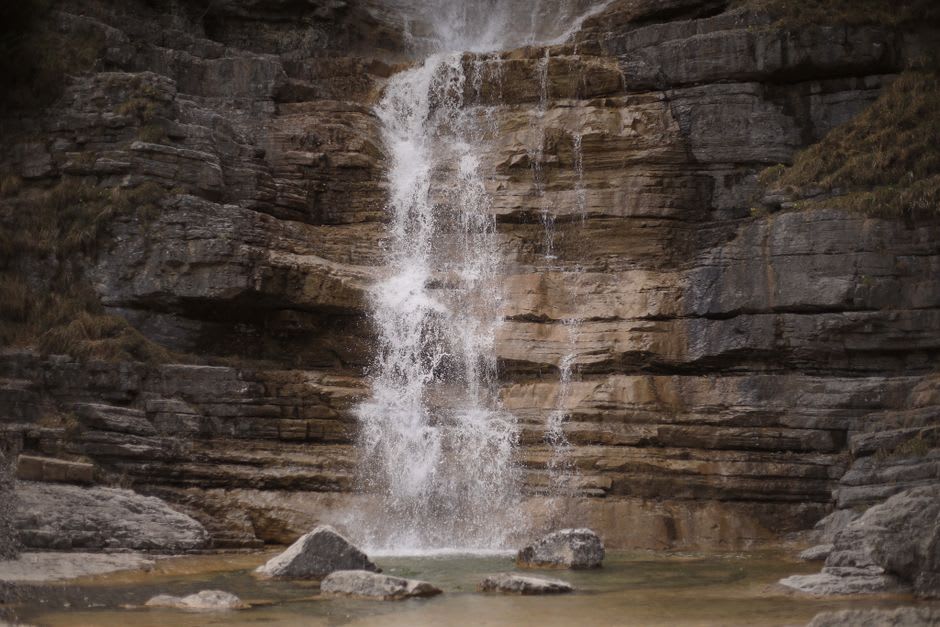
We ate lunch on flat rocks at the pool’s edge, palm fronds rustling overhead, and swam until our hands wrinkled, entirely alone except for the ranger and one other small group who arrived and left within twenty minutes of us. Walking back out through the forest in the late afternoon, the light coming through the canopy in long gold shafts, Delfín pointed out a tree he said was over two hundred years old, its trunk wider than both of us could reach around together, a small living reminder of how much forest like this Paraguay has already lost and how fiercely this particular reserve fights to hold onto what remains.
When to go: May through September keeps trails driest and the hike most manageable; arrange access and a guide through the reserve office in advance, since walk-up visits aren’t permitted.
Keep exploring
More from paraguay
 paraguay
 San Bernardino
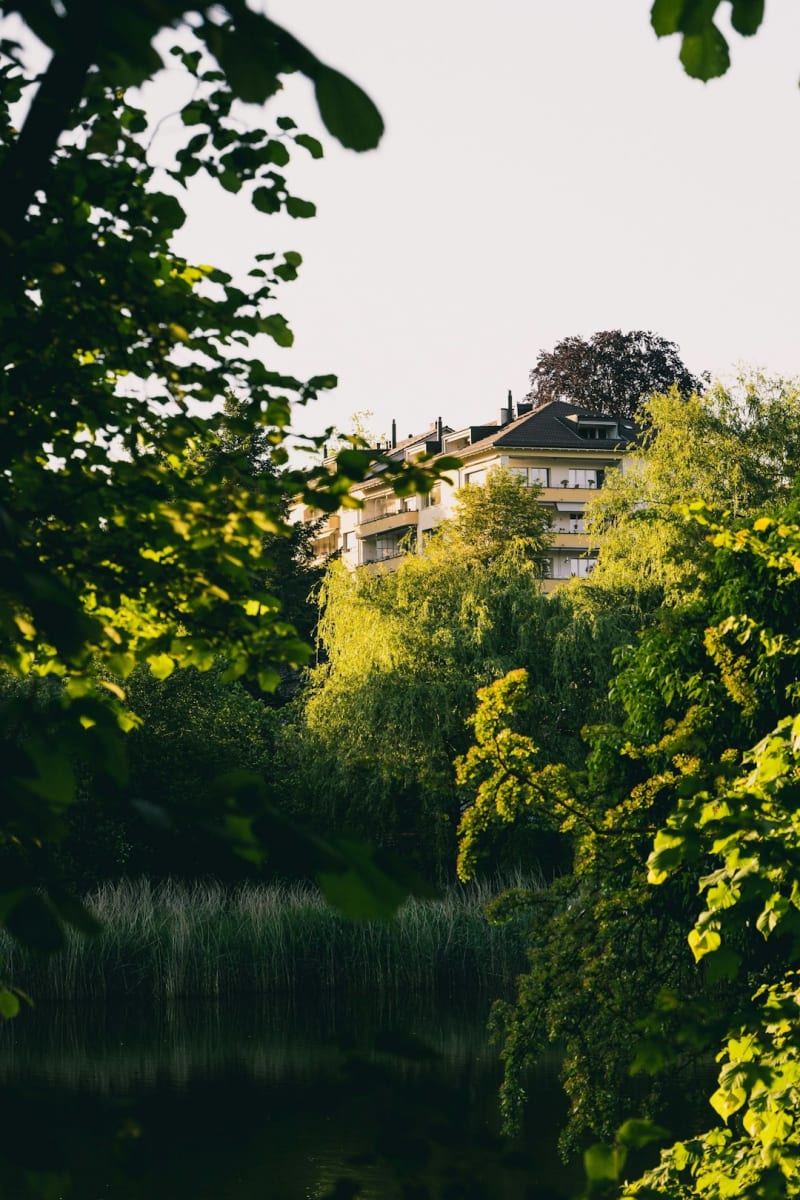
A German-settled lake resort town where century-old timber villas face Lake Ypacarai and Asuncion's wealthy come to swim away the heat.
Explore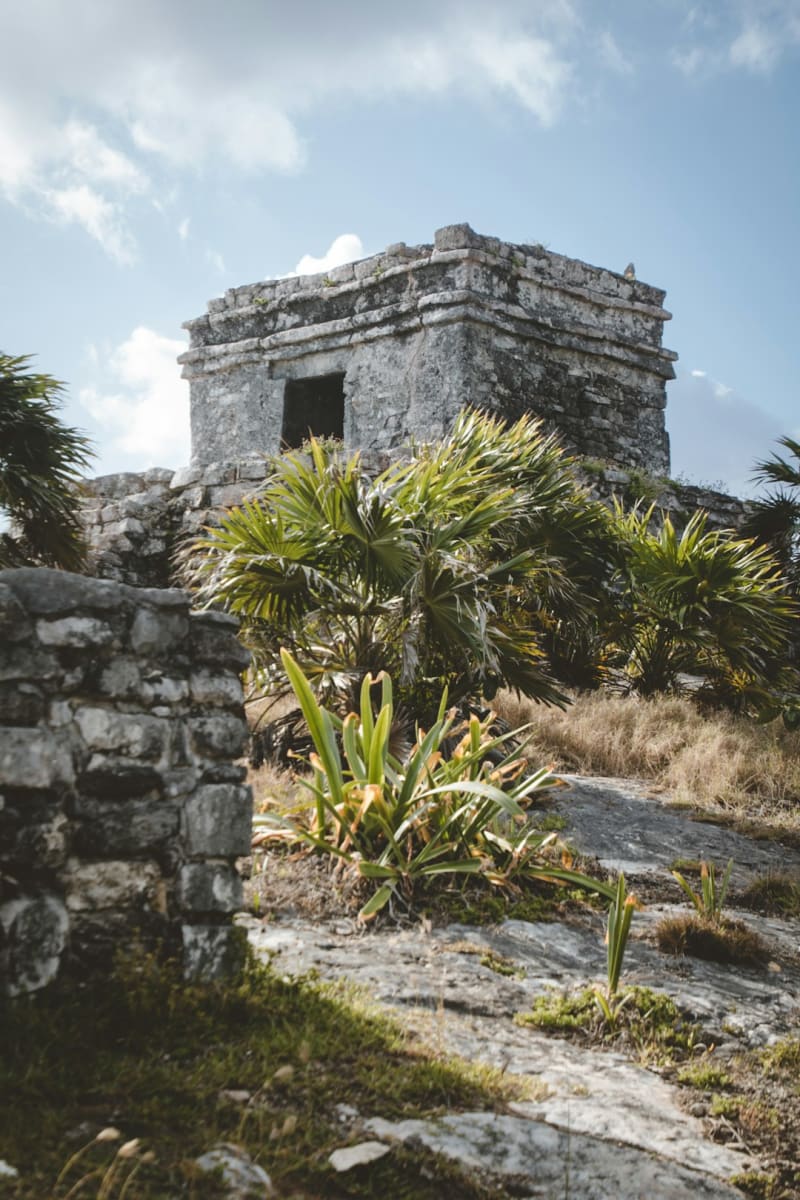 paraguay
 Trinidad Jesuit Ruins
The best-preserved Jesuit mission in Paraguay, its red sandstone church and workshops standing in grassy fields as a UNESCO World Heritage monument to a vanished utopian experiment.
Explore paraguay
 Villarrica
A gracious old provincial capital known for choir music, hand-rolled cigars, and a plaza culture that has scarcely changed pace in a century.
Explore paraguay
 Yaguaron
A small colonial town holding one of South America's most extraordinary Franciscan churches, its interior carved entirely in gold-leafed native wood.
Explore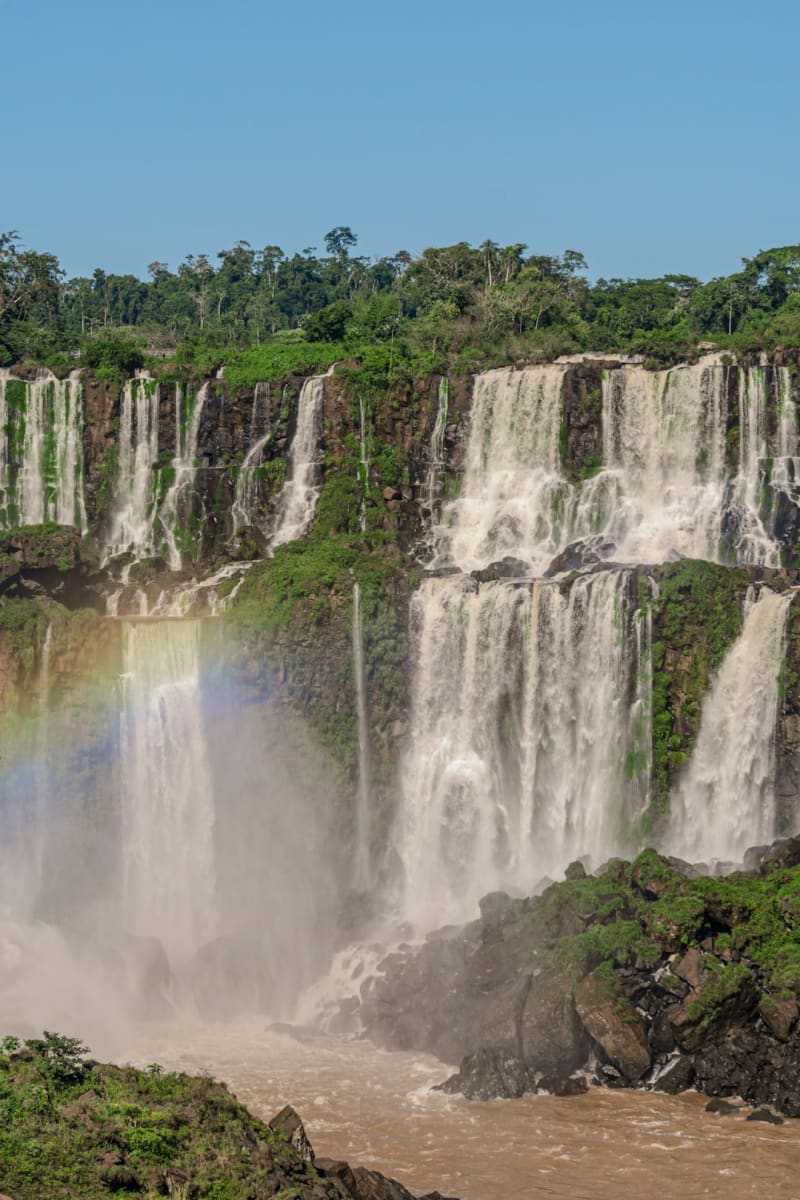 paraguay
 Ybycui National Park
A pocket of Atlantic Forest folded around 19th-century iron ruins, where waterfalls drop through jungle that has quietly reclaimed a war industry.
Explore paraguay
 Ybytyruzu Mountains
Paraguay's most dramatic mountain range, forested peaks and waterfalls rising unexpectedly out of the eastern farmland, largely unknown even to Paraguayans further south.
Explore