Piribebuy
"Piribebuy carries its history quietly, the way a scar sits under a shirt sleeve."
A hill-country town that served as Paraguay's wartime capital, remembered now for a somber battle museum and waterfalls tumbling through the surrounding countryside.
Piribebuy is a town that history used hard and then let be. For a brief period in 1869, during the final catastrophic year of the War of the Triple Alliance, it served as the provisional capital of Paraguay after Asuncion fell to allied forces — and shortly after that, Brazilian troops attacked the town, killing hundreds of defenders that included teenage boys and wounded soldiers pulled from hospital beds. The museum here, small and unglamorous, holds relics from that battle with a directness that felt more honest than any grander memorial I’ve visited: rusted bayonets, faded uniform fragments, photographs of the mass grave. I stood in front of a case of handwritten letters for a long time, unable to read most of the faded Spanish but understanding the shape of the grief regardless.
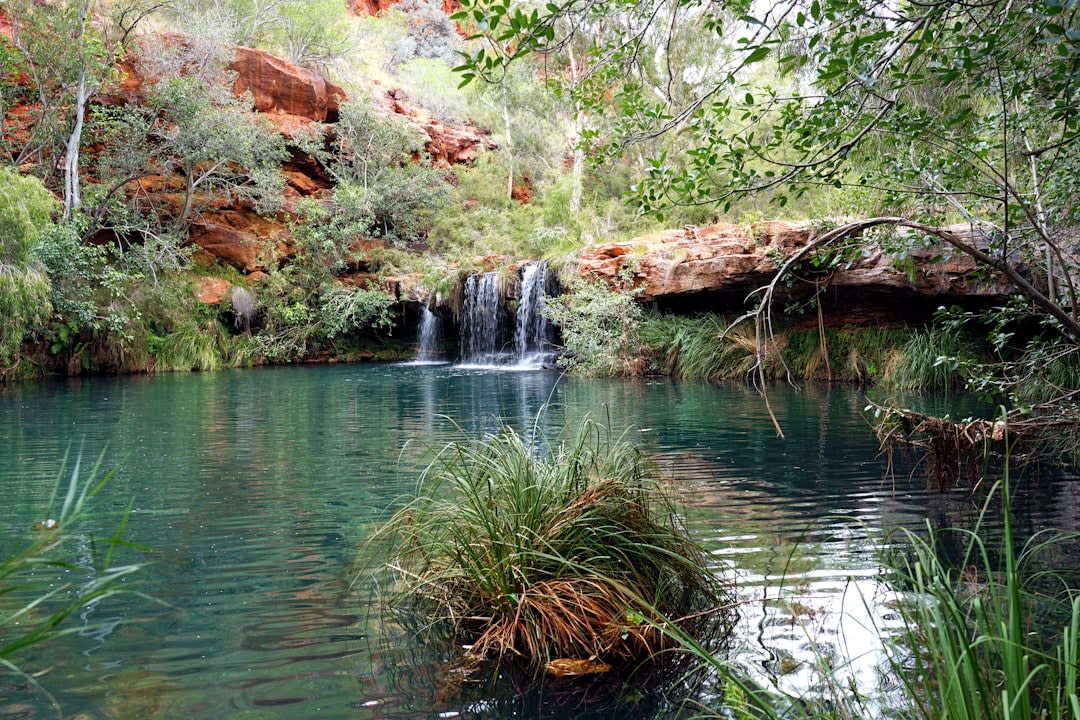
The town sits at the edge of the Cordillera de los Altos, hill country that turns the whole area green and cool relative to the Paraguayan lowlands, and outside the museum, Piribebuy’s mood lightens considerably. A short drive brings you to the Salto Piraretá, a waterfall dropping through a cleft in the rock into a swimming hole locals treat as a communal backyard pool on weekends — I watched teenagers launch themselves off a rope swing with the total fearlessness of people who’ve done it a thousand times, while their grandparents sat on rocks nearby drinking tereré from a shared thermos.
Lia and I ate lunch at a roadside place that specialized in sopa paraguaya — the dense, savory cornbread that despite its name is not a soup at all, a fact that every Paraguayan I met found delightful to explain to a confused foreigner. The woman running the kitchen, Doña Petrona, told us her recipe came from her mother, who had lived through the aftermath of the battle as a child and had passed down both the recipe and the memory in roughly equal measure, which struck me as a very Piribebuy way of holding onto the past — through food, not just monuments.
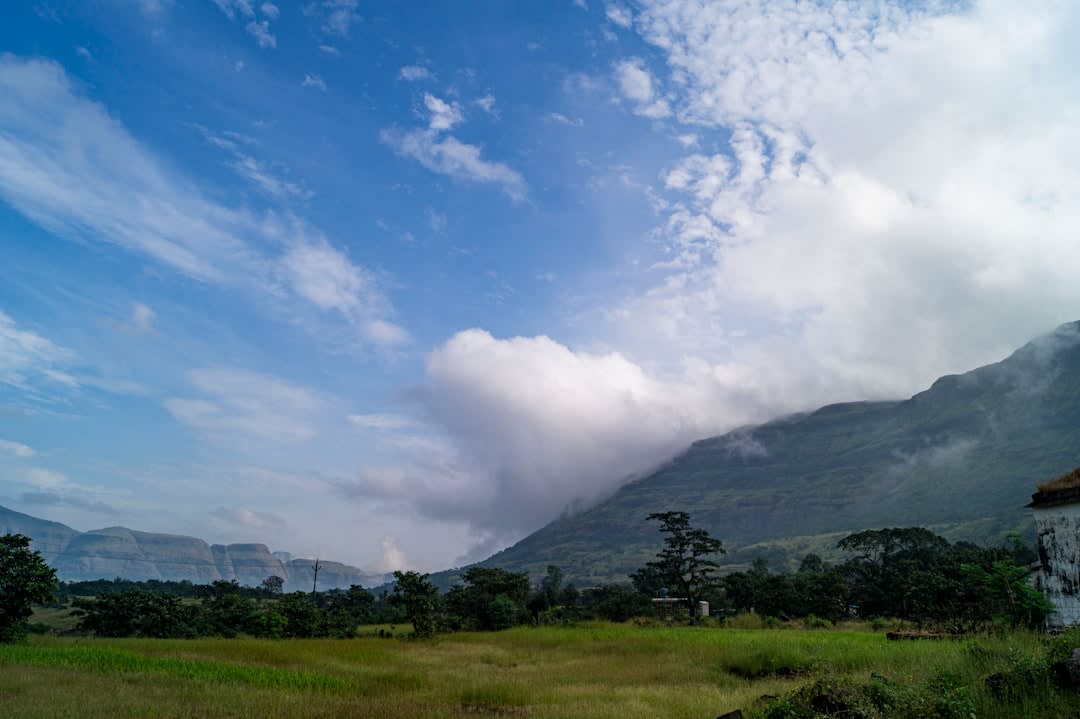
When to go: May to September brings cooler, clearer hill weather ideal for both the museum visit and swimming at the falls without summer’s oppressive humidity.
Keep exploring
More from paraguay
 paraguay
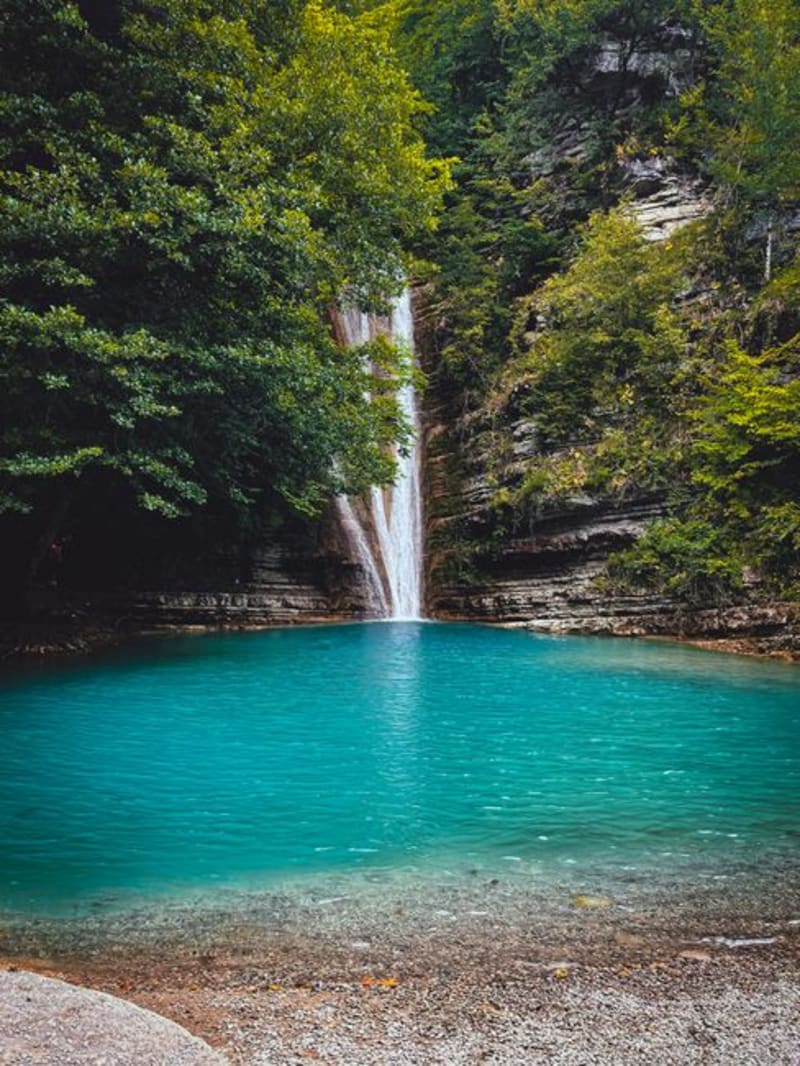
 Salto Cristal
A hidden waterfall in the eastern forest reserves near the Brazilian border, its clear pool ringed by palms and reachable only after a genuine hike.
Explore paraguay
 San Bernardino
A German-settled lake resort town where century-old timber villas face Lake Ypacarai and Asuncion's wealthy come to swim away the heat.
Explore paraguay
 Trinidad Jesuit Ruins
The best-preserved Jesuit mission in Paraguay, its red sandstone church and workshops standing in grassy fields as a UNESCO World Heritage monument to a vanished utopian experiment.
Explore paraguay
 Villarrica
A gracious old provincial capital known for choir music, hand-rolled cigars, and a plaza culture that has scarcely changed pace in a century.
Explore paraguay
 Yaguaron
A small colonial town holding one of South America's most extraordinary Franciscan churches, its interior carved entirely in gold-leafed native wood.
Explore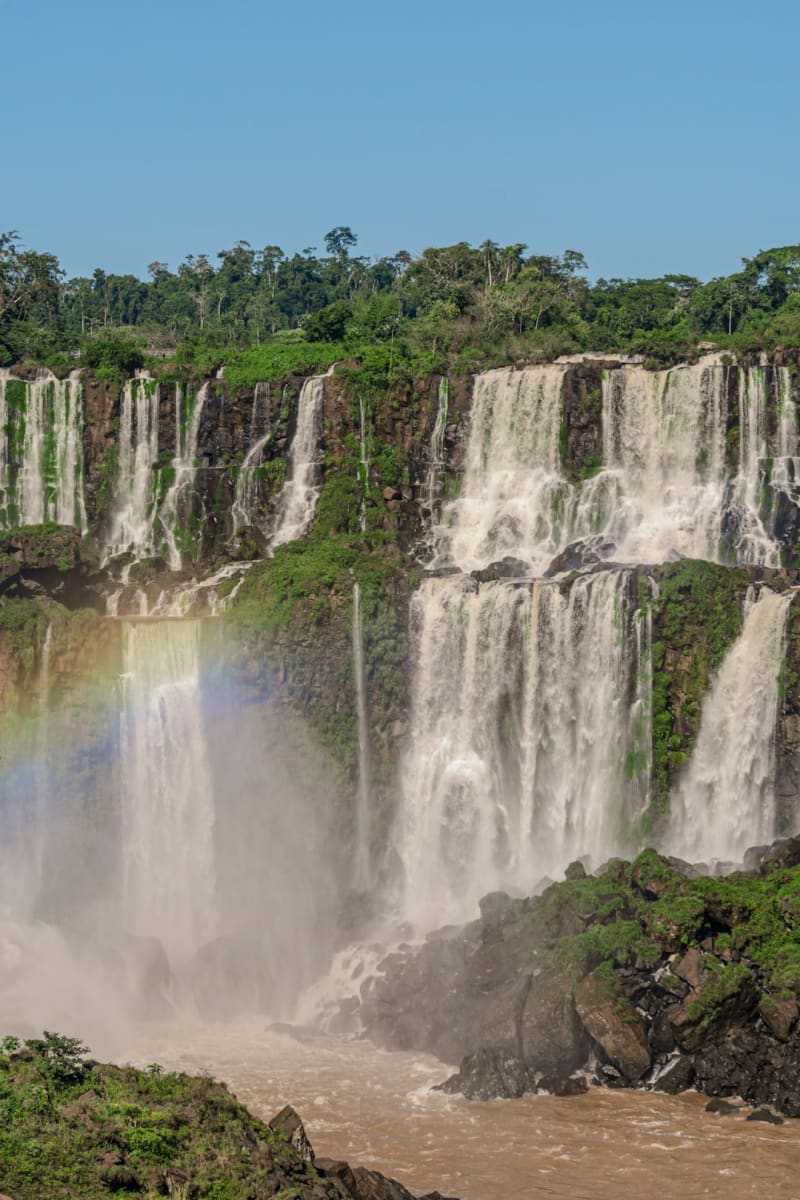 paraguay
 Ybycui National Park
A pocket of Atlantic Forest folded around 19th-century iron ruins, where waterfalls drop through jungle that has quietly reclaimed a war industry.
Explore