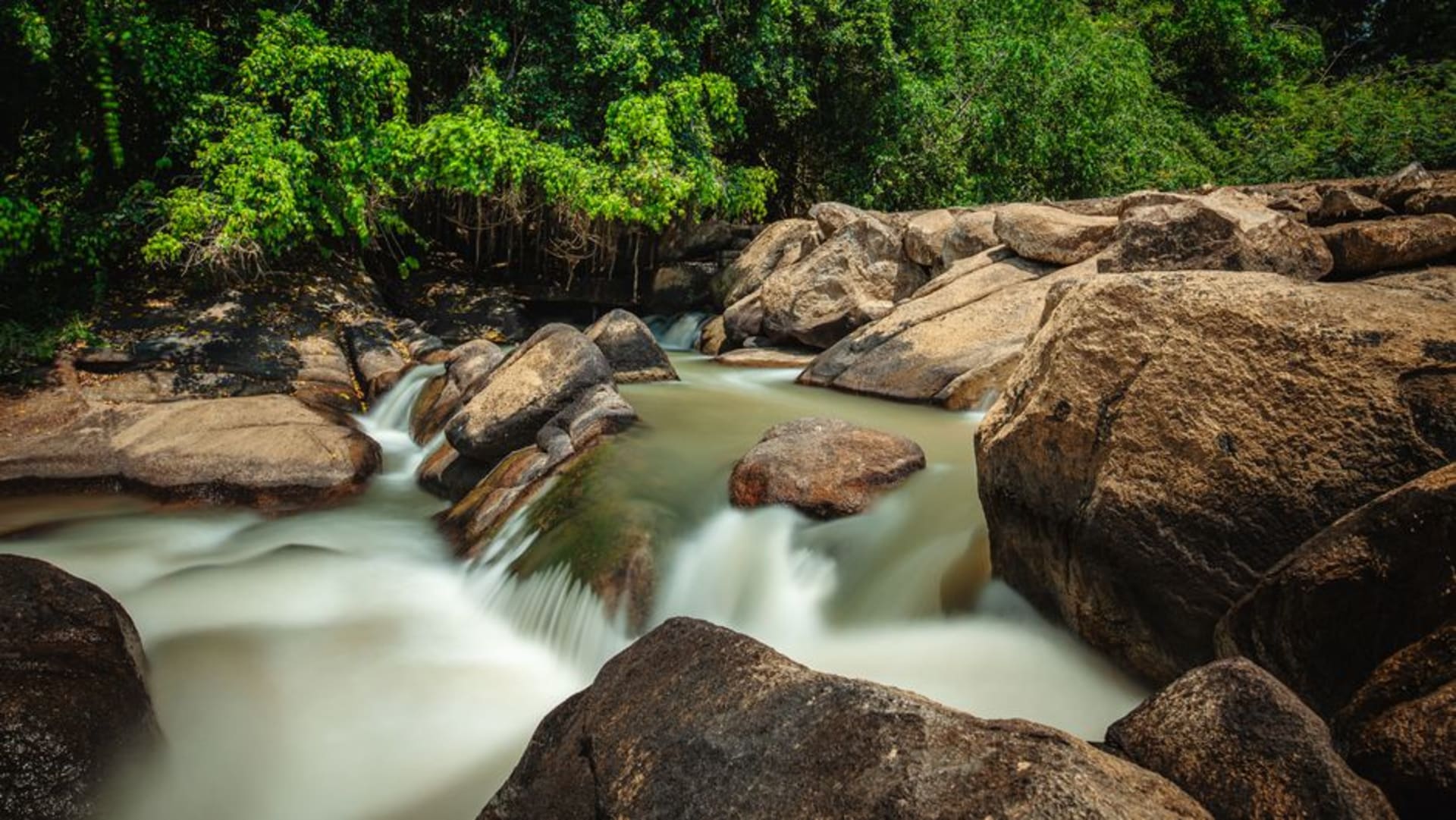
Chagres National Park
"Every ship that crosses the canal owes its water to this one river and the forest that holds it."
The forested watershed that quietly keeps the Panama Canal running, and the river highway that Emberá communities still call home.

It’s easy to think of the Panama Canal as a purely engineered thing, all locks and concrete, and forget that the entire system runs on rainwater held by a single watershed. Chagres National Park protects that watershed, roughly 129,000 hectares of rainforest less than an hour from Panama City, and without it the canal simply doesn’t function — every lock transit uses millions of gallons of fresh water sourced from the Chagres River and Gatun Lake, all of it dependent on this forest staying intact.
We reached the park by driving to the edge of Lake Alajuela and then switching to a dugout canoe, paddled by two young men from an Emberá community who make this crossing daily. The transition from road to river to forest happened within twenty minutes, and by the time we reached the community itself, the noise of the highway had been replaced entirely by cicadas, birdsong, and the particular hush of a place with genuinely dense canopy cover. The village welcomed us with a lunch of fried plantain and river fish wrapped in leaves, and one of the elders walked us through a small medicinal garden explaining plants used for everything from fever to snakebite, knowledge passed down with no written record at all.

The park’s higher elevations shift into cloud forest, and a hike we took toward one of the ridgelines produced more birdlife in three hours than I’d seen in the previous week combined — toucans, trogons, a mixed flock of tanagers moving through the understory in a wave that took nearly ten minutes to pass. Waterfalls appear with some regularity along the trail systems here, cold and clean enough that swimming in one after a sweaty climb felt less like a treat and more like a necessity.

When to go: December through April for drier trails and easier river paddling. Arrange visits through a guide with direct community relationships — this protects both the watershed and the Emberá communities who call it home.
Keep exploring
More from Panama
 panama
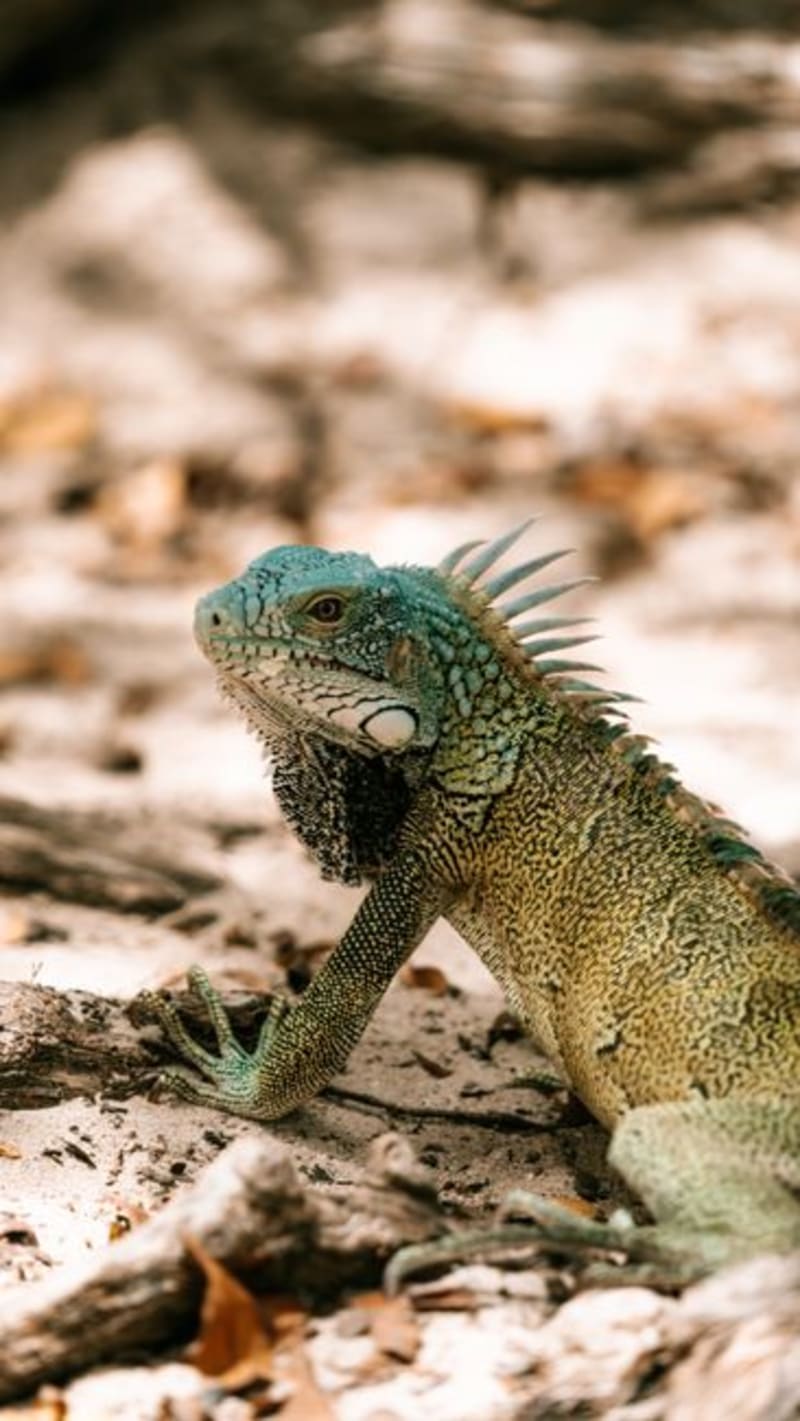
 Coiba National Park
A former penal colony turned UNESCO wilderness, where isolation kept the sharks, whales, and forests intact while the mainland changed around them.
Explore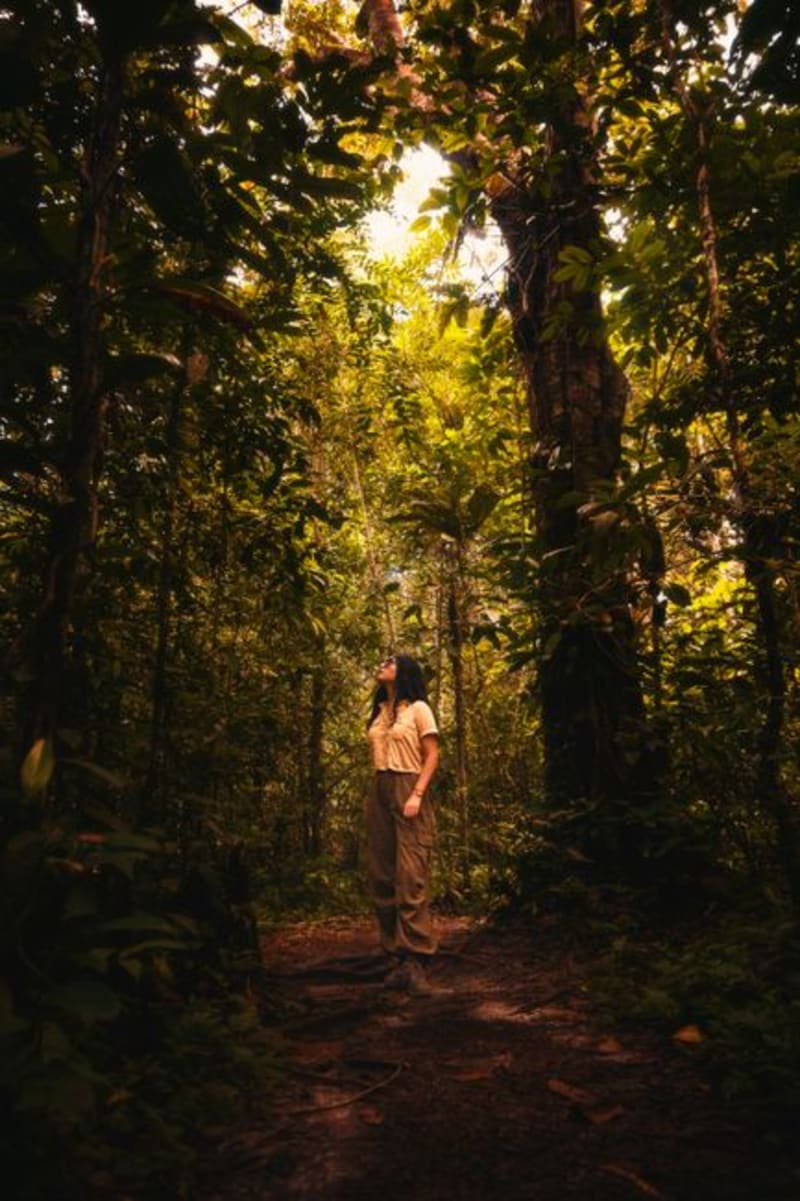 panama
 Darién National Park
Panama's largest protected wilderness and the roadless gap where the Pan-American Highway simply gives up, ceding ground to jungle and the Emberá and Wounaan peoples.
Explore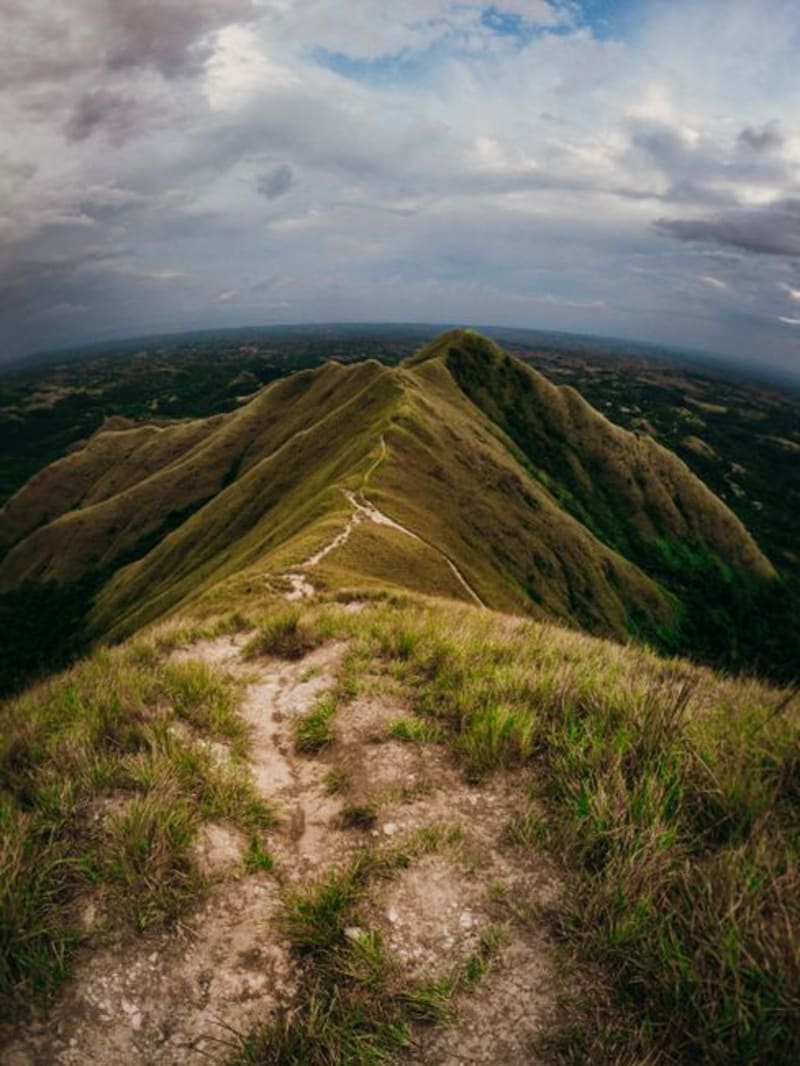 panama
 El Valle de Antón
A market town sitting inside the crater of an extinct volcano, cool and green, where golden frogs once sang from every stream.
Explore panama
 Gamboa
A former canal-zone town where the jungle presses right up against the waterway, and howler monkeys outnumber people by a wide margin.
Explore panama
 Gatun Lake
An artificial sea created to build the canal, now a forested archipelago of drowned hilltops where container ships share water with peacock bass.
Explore panama
 Isla Contadora
The largest of the Pearl Islands, a short flight from the capital, with a scattering of private beaches and a past far stranger than its calm suggests.
Explore