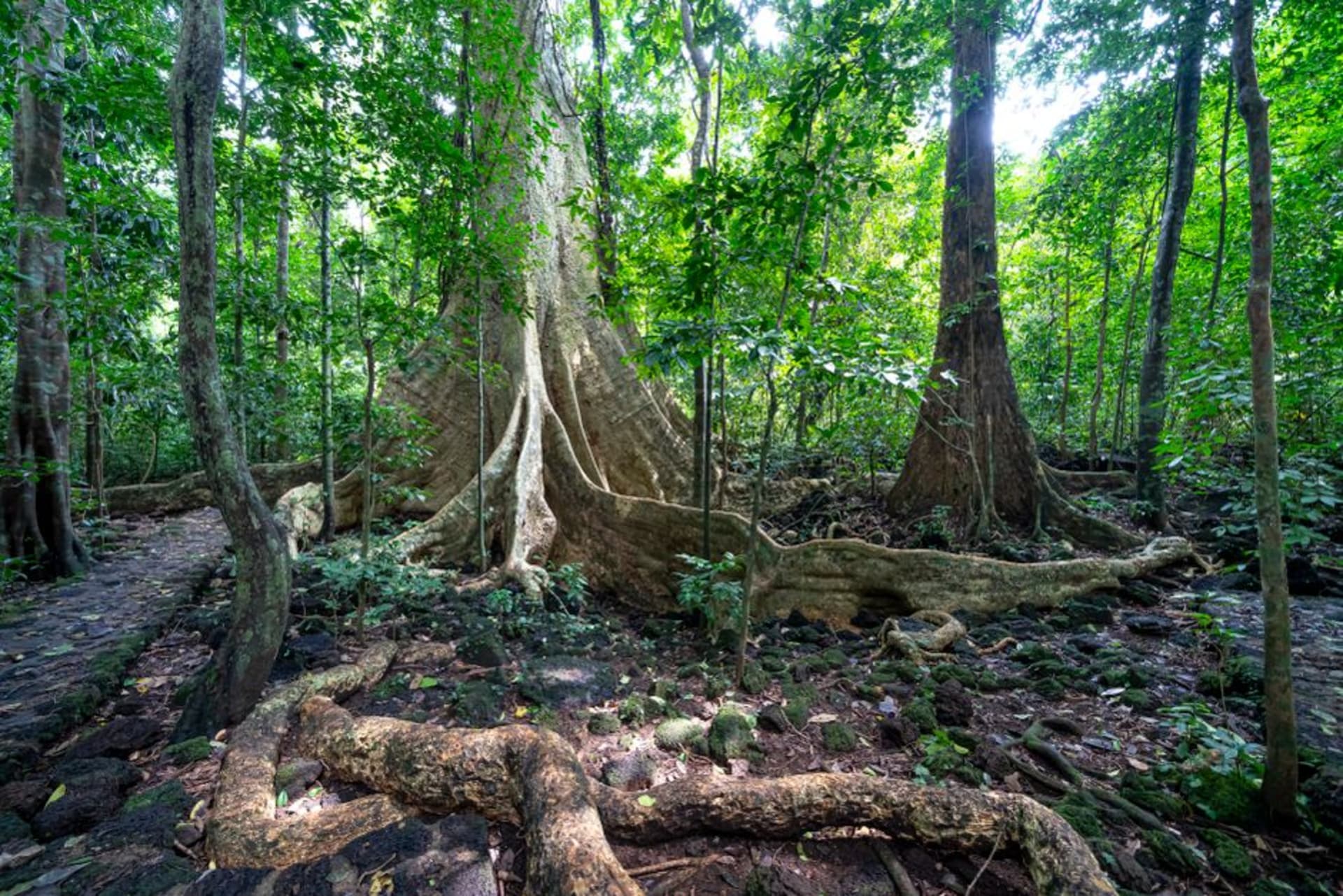
Darién National Park
"This is the one place on the entire Pan-American Highway where the road simply stops."
Panama's largest protected wilderness and the roadless gap where the Pan-American Highway simply gives up, ceding ground to jungle and the Emberá and Wounaan peoples.

There is exactly one gap in the Pan-American Highway between Alaska and Argentina, roughly a hundred kilometers of roadless jungle, and it sits here in the Darién. I went in with a licensed guide and an Emberá community contact, because independent travel in this region carries real risks that no travel writer should minimize — but done properly, with the right local partnerships, it opens onto one of the most biologically significant and genuinely untouched landscapes remaining in the Americas.
Darién National Park is Panama’s largest, a UNESCO Biosphere Reserve covering well over five thousand square kilometers of lowland rainforest, mangrove, and montane cloud forest along the Colombian border. The biodiversity numbers here sound almost invented until you’re standing in it: over four hundred and fifty bird species recorded, including the harpy eagle, Panama’s national bird and one of the most powerful raptors on earth, capable of lifting a sloth clean off a branch. We didn’t see one — sightings are rare and require real patience — but our guide, who has spent two decades in this forest, described watching one strip bark from a kapok tree with a talon the size of a human hand, and I believed every word.

We spent two nights in an Emberá community along the Sambú River, reached by dugout canoe after the road ran out, staying in an open-sided thatched structure raised on stilts. The Emberá and Wounaan peoples have inhabited this region for centuries, and the community we stayed with makes a careful, deliberate practice of sharing their culture on their own terms — traditional jagua body painting, basketry woven so tightly it holds water, a evening of storytelling around a fire that our guide translated in fragments, apologizing that some of it simply didn’t survive translation.

When to go: The dry season, January through April, makes river travel more predictable and trails more passable. This is not a destination for independent or last-minute travel — arrange it well ahead through a specialized, reputable operator with established community relationships.
Keep exploring
More from Panama
 panama
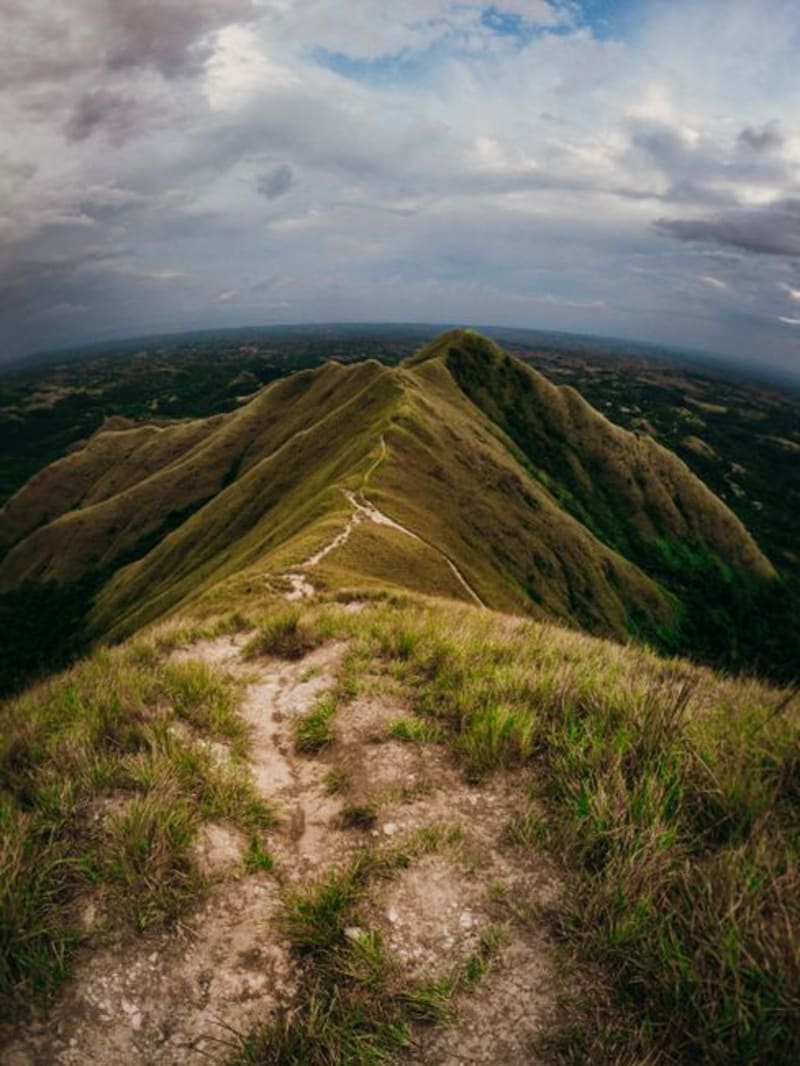
 El Valle de Antón
A market town sitting inside the crater of an extinct volcano, cool and green, where golden frogs once sang from every stream.
Explore panama
 Gamboa
A former canal-zone town where the jungle presses right up against the waterway, and howler monkeys outnumber people by a wide margin.
Explore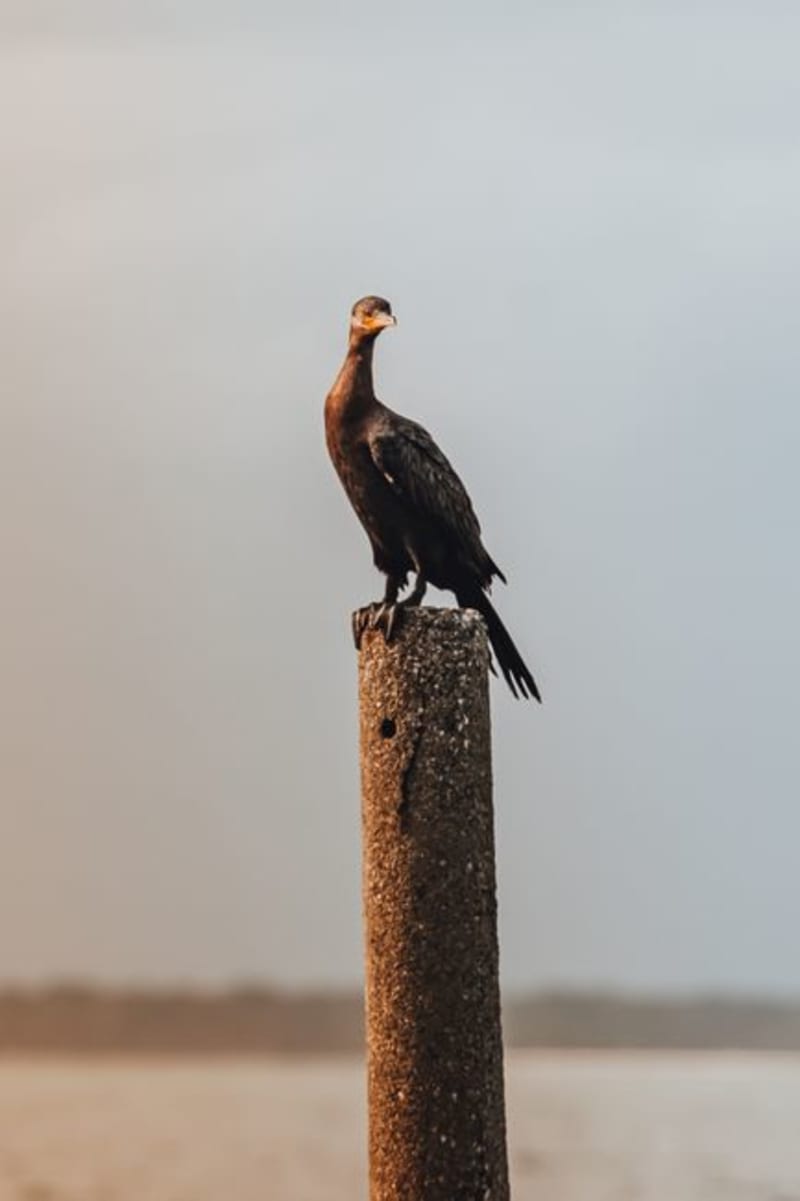 panama
 Gatun Lake
An artificial sea created to build the canal, now a forested archipelago of drowned hilltops where container ships share water with peacock bass.
Explore panama
 Isla Contadora
The largest of the Pearl Islands, a short flight from the capital, with a scattering of private beaches and a past far stranger than its calm suggests.
Explore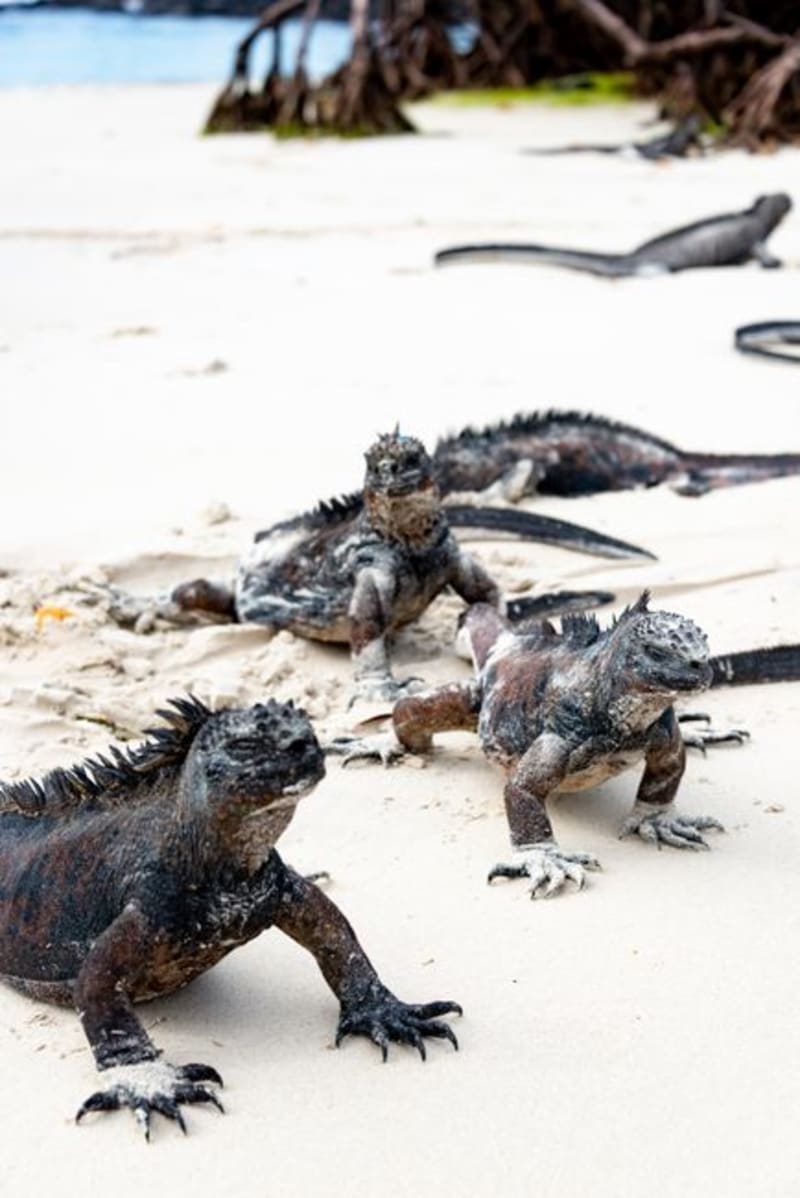 panama
 Isla Iguana
A small wildlife refuge off the Azuero coast where frigatebirds nest by the thousand and a coral reef sits just meters from white sand.
Explore panama
 Isla Taboga
The Island of Flowers, forty minutes by ferry from the capital's skyscrapers, where colonial streets and bougainvillea replace the rush entirely.
Explore