Boca Chica
"The village itself is nothing much. Everything that matters is the water in front of it."
A tiny fishing village on the Gulf of Chiriquí that opens onto a scattered marine park of islands, sportfishing grounds, and migrating whales.
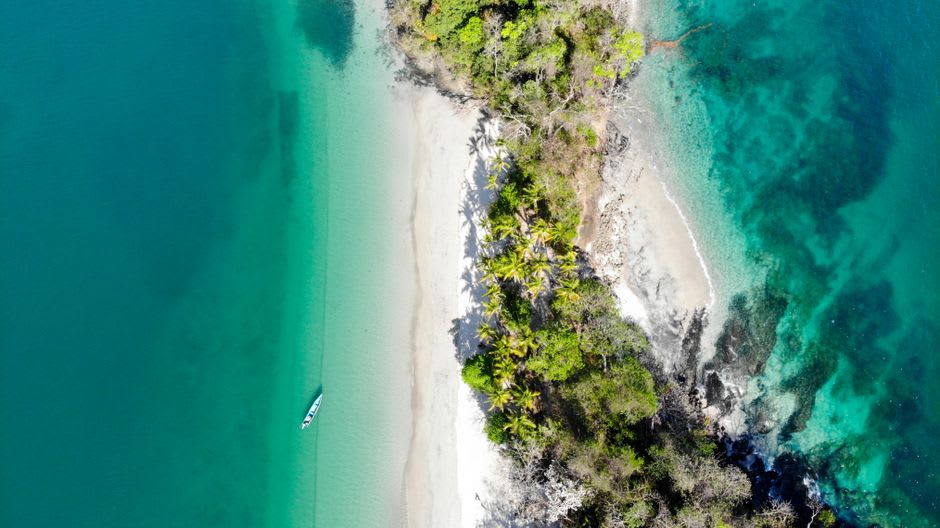
Boca Chica does not try to be a destination in itself, and I mean that as a compliment. It’s a small, unpolished fishing village on Panama’s Pacific coast in Chiriquí province, a handful of houses and a couple of docks, and its entire reason for existing on any traveler’s map is what lies just offshore: the Gulf of Chiriquí National Marine Park, a scattered archipelago of roughly two hundred islands and islets sitting in some of the richest sportfishing and diving waters in the country.
We hired a boat from one of the small operators at the dock and spent a full day threading between islands with names half the locals didn’t agree on — some barely large enough for a single tree, others substantial enough to host a short hiking trail. The snorkeling off Isla Boca Brava and the smaller islets nearby produced sightings of eagle rays gliding just below the surface and enough tropical fish that I stopped trying to identify each species and just watched. Sportfishing here has a serious international reputation, too — captains told us stories of marlin and sailfish catches that draw anglers from as far as Texas and Florida specifically for this stretch of water.
Between roughly July and October, humpback whales arrive in these waters to breed, part of the same dual migration that also passes near Coiba further offshore, and our boatman cut the engine mid-crossing when he spotted a distant spout, letting us drift for twenty minutes in the hope of a closer pass that never quite arrived. It didn’t matter much. Watching the spray hang in the air against the island silhouettes was enough on its own, and back at the village that evening, we ate a whole grilled snapper on a plastic table by the water while the same boatman argued good-naturedly with a neighbor about whose catch that morning had been bigger.
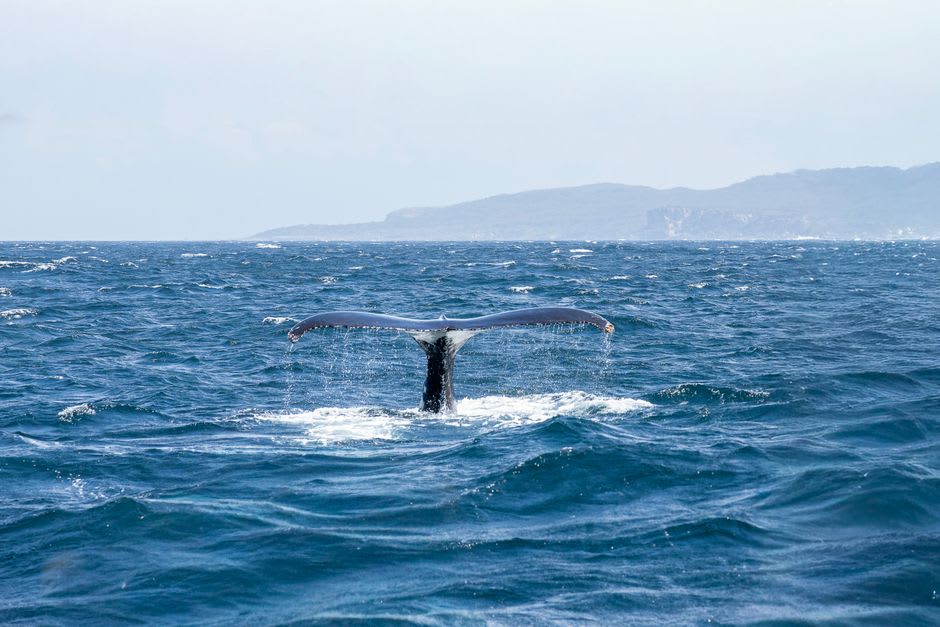
When to go: July through October for humpback whale season and calmer seas. December through April is drier and sunnier, best for snorkeling visibility and general island-hopping.
Keep exploring
More from panama
 panama
 Bocas del Toro
A Caribbean archipelago of stilted villages, coral gardens, and lazy days that feel stolen from another era.
Explore panama
 Boquete
A highland coffee town beneath Volcán Barú where the air smells of arabica and quetzals still fly free.
Explore panama
 Cerro Punta
Panama's highest agricultural valley, cold enough for strawberries and quiet enough that the cloud forest of La Amistad starts right at the fence line.
Explore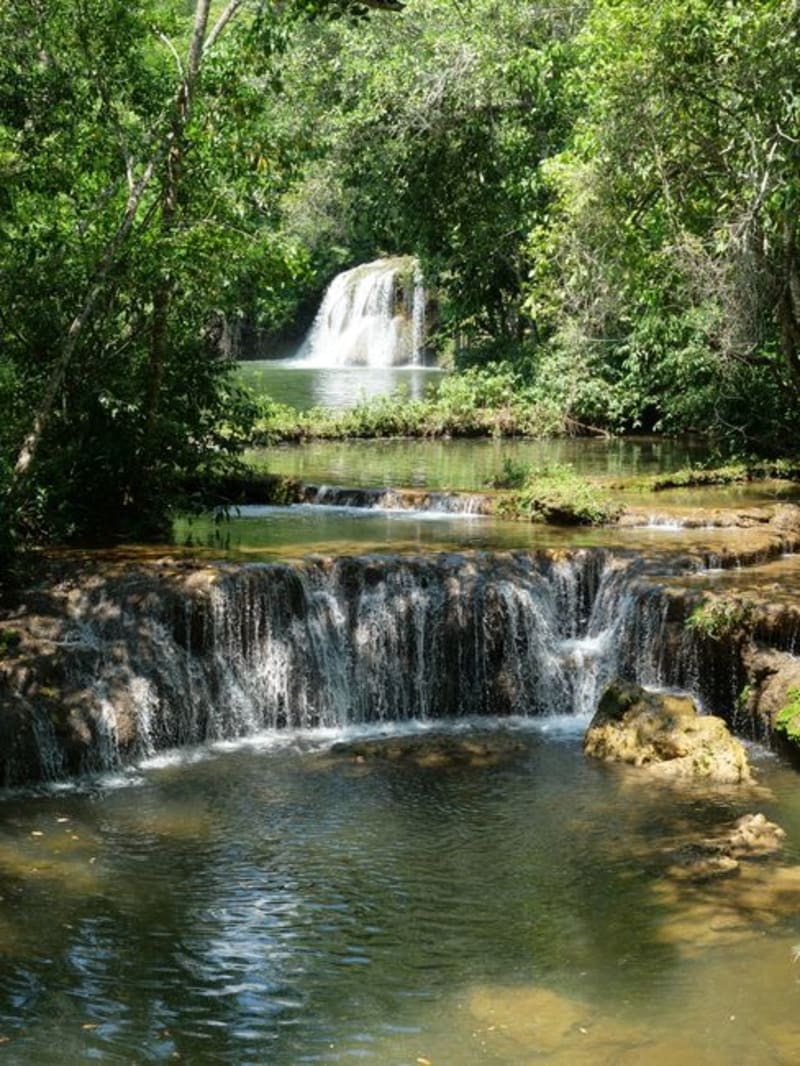 panama
 Chagres National Park
The forested watershed that quietly keeps the Panama Canal running, and the river highway that Emberá communities still call home.
Explore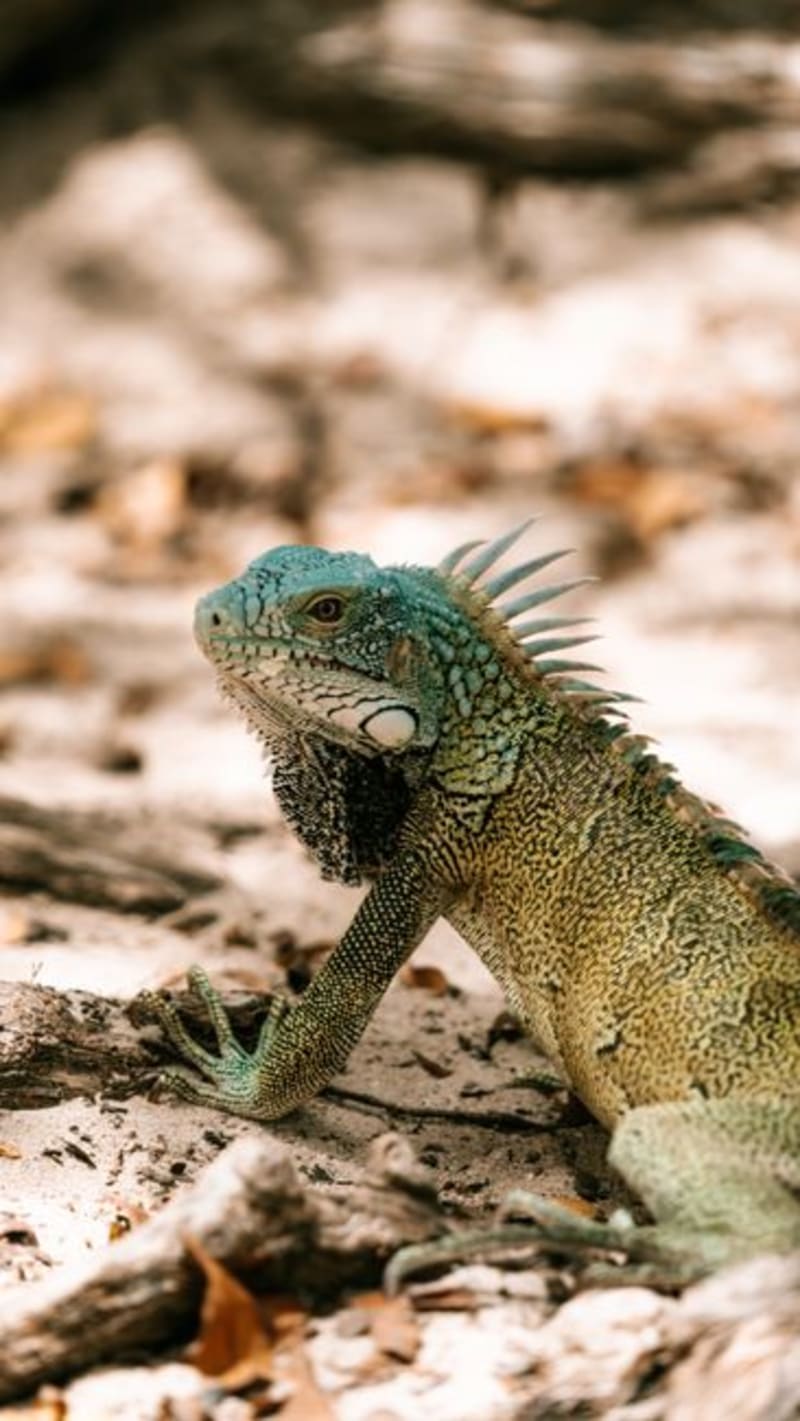 panama
 Coiba National Park
A former penal colony turned UNESCO wilderness, where isolation kept the sharks, whales, and forests intact while the mainland changed around them.
Explore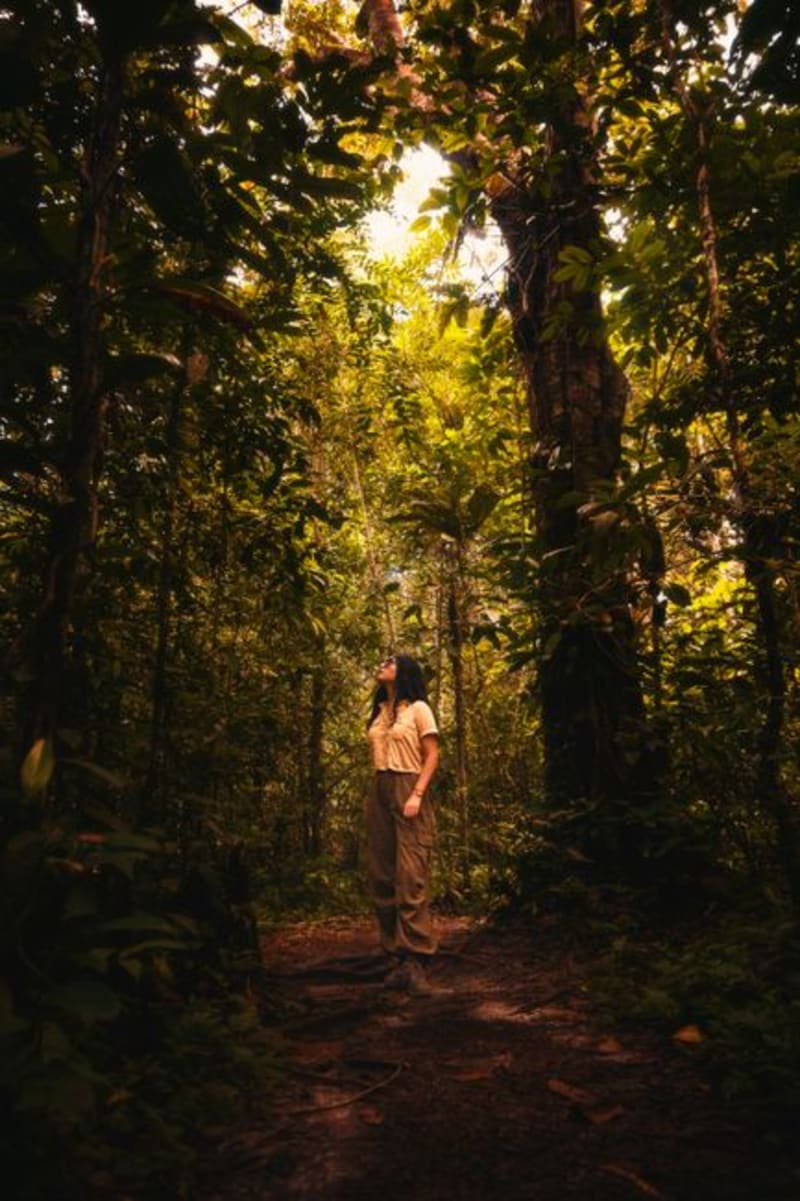 panama
 Darién National Park
Panama's largest protected wilderness and the roadless gap where the Pan-American Highway simply gives up, ceding ground to jungle and the Emberá and Wounaan peoples.
Explore