
Barro Colorado Island
"Scientists have been studying this exact patch of forest, continuously, since 1923. That's not an accident. That's the point."
A hilltop stranded by the flooding of Gatun Lake, now the oldest continuously studied tropical research station on earth.

Barro Colorado Island exists because of an accident of engineering, but what happened to it afterward was entirely deliberate. When the Chagres River was dammed in 1913 to form Gatun Lake, the rising water isolated a hilltop that became, overnight, an island — and in 1923 it was designated a biological reserve, making it one of the very first tropical forest sites in the world set aside specifically for continuous scientific study. The Smithsonian Tropical Research Institute has run it ever since, which means researchers have been observing this exact 1,500 hectares of forest for over a century, longer than almost anywhere comparable on earth.
Visiting requires a permit arranged well in advance through the Smithsonian, and access is limited to guided groups accompanied by trained naturalists rather than independent exploration — a restriction that initially frustrated me and that I came to fully respect within the first half hour on the trail. Our guide, a research assistant working on a long-term seed dispersal study, could point to individual marked trees and describe data collected on them going back decades, an intimacy with a single patch of forest that felt genuinely different from any other guided hike I’d taken.

The wildlife density here reflects a century without hunting or clearing — we watched a troop of white-faced capuchins move through the canopy in a tight, noisy group, and later, on the trail back to the dock, a coati crossed directly in front of us with total indifference, evidently as habituated to researchers as the researchers are to it. Agoutis, a rodent about the size of a large rabbit, moved through the undergrowth constantly, functioning as one of the forest’s key seed dispersers for the enormous trees whose fruit they bury and occasionally forget.

When to go: Visits run year-round but must be booked months ahead through the Smithsonian Tropical Research Institute, as group sizes and dates are strictly limited to protect the ongoing research.
Keep exploring
More from Panama
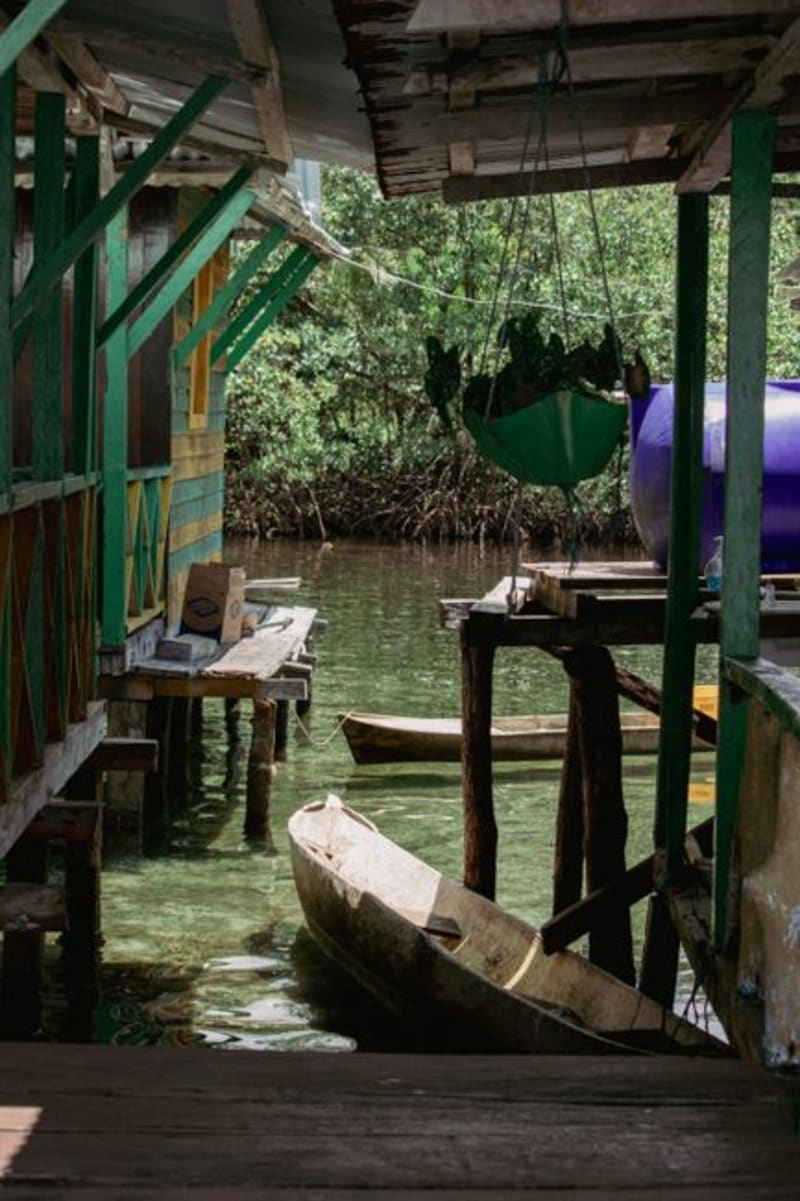 panama
 Boca Chica
A tiny fishing village on the Gulf of Chiriquí that opens onto a scattered marine park of islands, sportfishing grounds, and migrating whales.
Explore panama
 Bocas del Toro
A Caribbean archipelago of stilted villages, coral gardens, and lazy days that feel stolen from another era.
Explore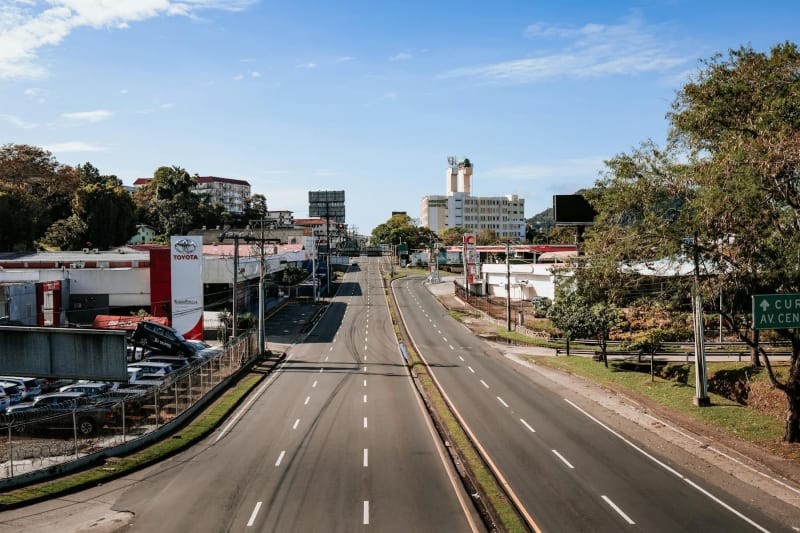 panama
 Boquete
A highland coffee town beneath Volcán Barú where the air smells of arabica and quetzals still fly free.
Explore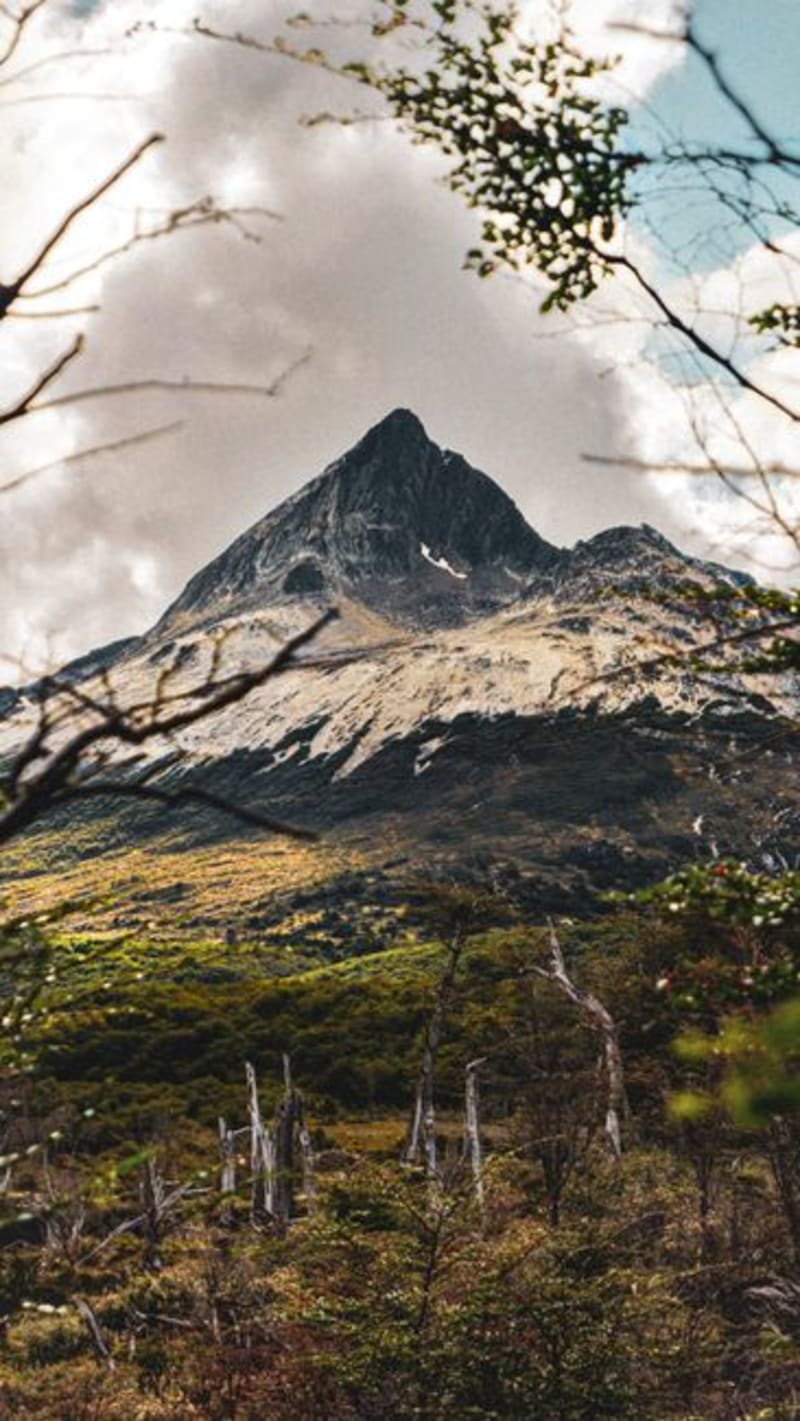 panama
 Cerro Punta
Panama's highest agricultural valley, cold enough for strawberries and quiet enough that the cloud forest of La Amistad starts right at the fence line.
Explore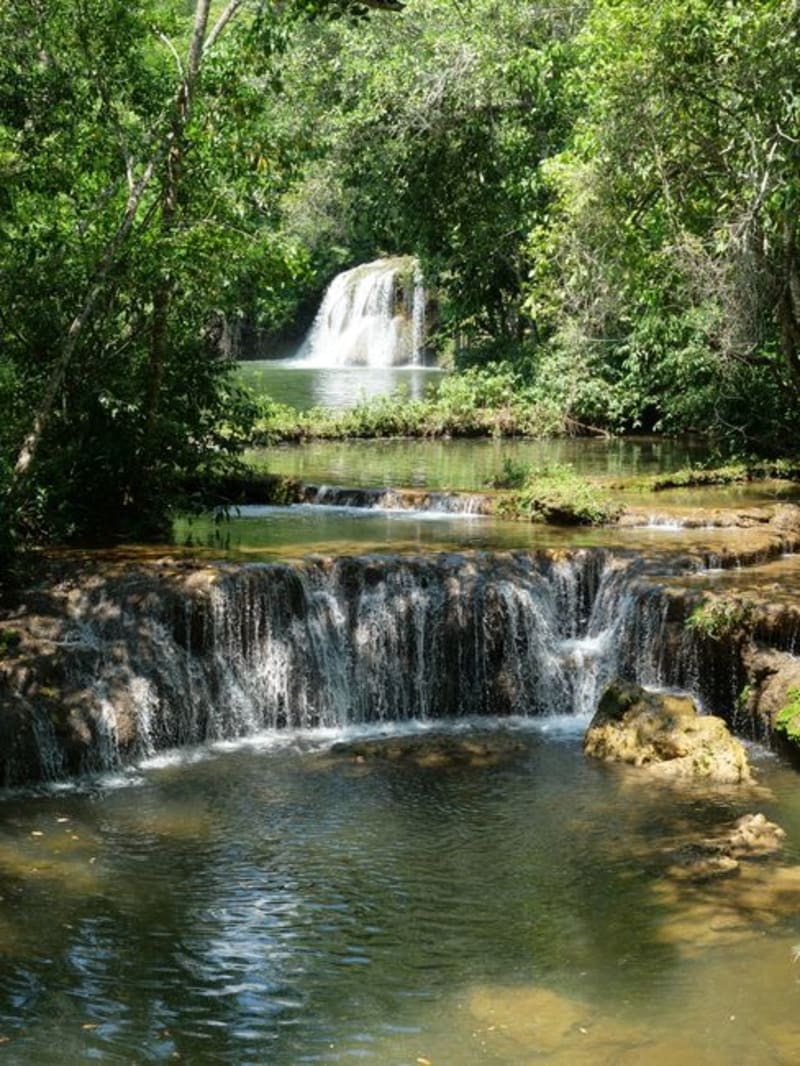 panama
 Chagres National Park
The forested watershed that quietly keeps the Panama Canal running, and the river highway that Emberá communities still call home.
Explore panama
 Coiba National Park
A former penal colony turned UNESCO wilderness, where isolation kept the sharks, whales, and forests intact while the mainland changed around them.
Explore