Islamabad
"Lia said Islamabad felt like someone had tried to build a city inside a national park, and she wasn't wrong."
A grid-planned 1960s capital laid out against the green wall of the Margalla Hills, calmer and greener than any other Pakistani city.

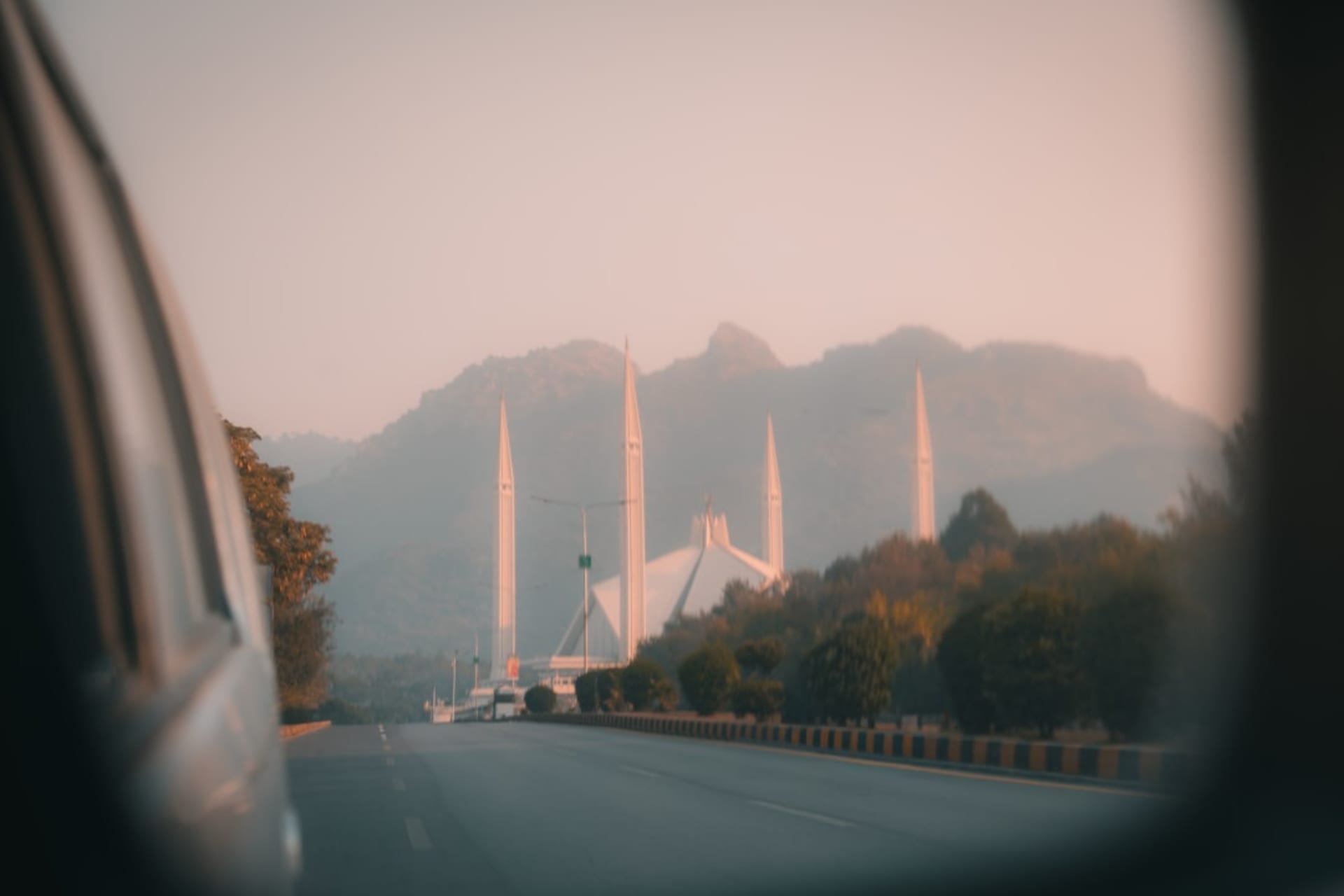
Islamabad confuses people who’ve just come from Lahore or Karachi, and it confused me too the first time. There’s no old city, no chaotic bazaar core, no centuries of accumulated mess — because there isn’t one. The whole place was purpose-built starting in the 1960s, laid out in sectors labeled with letters and numbers like a giant spreadsheet, and the effect is a capital that feels oddly hushed. Wide avenues, roundabouts, embassy compounds behind high walls. I remember being almost bored on the drive in from the airport, then looking up and seeing the Margalla Hills rising green and abrupt right behind the city, and understanding the appeal immediately.
Faisal Mosque is the thing everyone photographs, and it earns it — no domes in the traditional Mughal sense, just these sweeping concrete triangles that look more like a tent or a mountain peak, a gift from Saudi Arabia in the ’80s and still one of the largest mosques in the world. We went at golden hour and had the courtyard nearly to ourselves except for a few families letting their kids run across the marble. What I liked more, though, was hiking Trail 3 up into the Margallas the next morning — thirty minutes of stairs and switchbacks and suddenly the whole grid of the city opens up below you, with Rawalpindi’s denser sprawl visible beyond it.

What I appreciated most, honestly, was how normal Islamabad let us feel after weeks of being stared at elsewhere. It’s a diplomat-and-bureaucrat city, used to foreigners, and Lia and I could walk through Jinnah Super Market or sit at a café in F-7 without becoming the day’s entertainment. That said, it lacks soul in the way Lahore has soul — there’s no equivalent of the Walled City here, nothing that feels lived-in across generations. Islamabad is a government town wearing a national park as a backdrop, and it knows it.
We also made the twenty-minute drive out to Rawal Lake one evening, where locals go to walk the dam wall and eat corn on the cob while the sun drops behind the hills. It’s not spectacular, but it’s the kind of unpretentious, everyday scene that told me more about how people here actually live than the mosque did.

When to go: October to April, when the heat breaks and the Margalla Hills trails are genuinely pleasant to hike rather than punishing.
Keep exploring
More from Pakistan
 pakistan
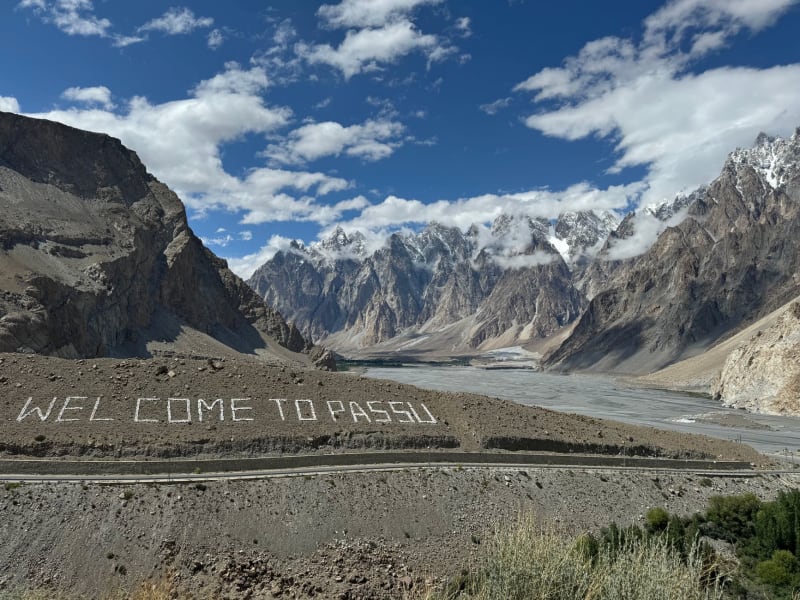
Karakoram Highway
The highest paved international road on earth, threading 1,300 kilometers through mountain scenery that justifies every superlative ever applied to it.
Explore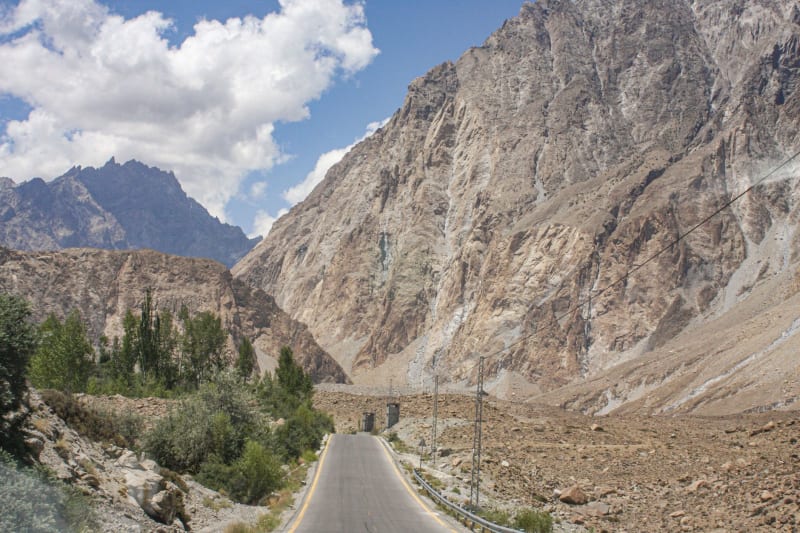 pakistan
Khunjerab Pass
The highest paved border crossing in the world, where Pakistan ends, China begins, and the air is too thin to think straight.
Explore pakistan
Lahore
Pakistan's Mughal soul and its most ferocious food city, where the old walled city still cooks the way it always has.
Explore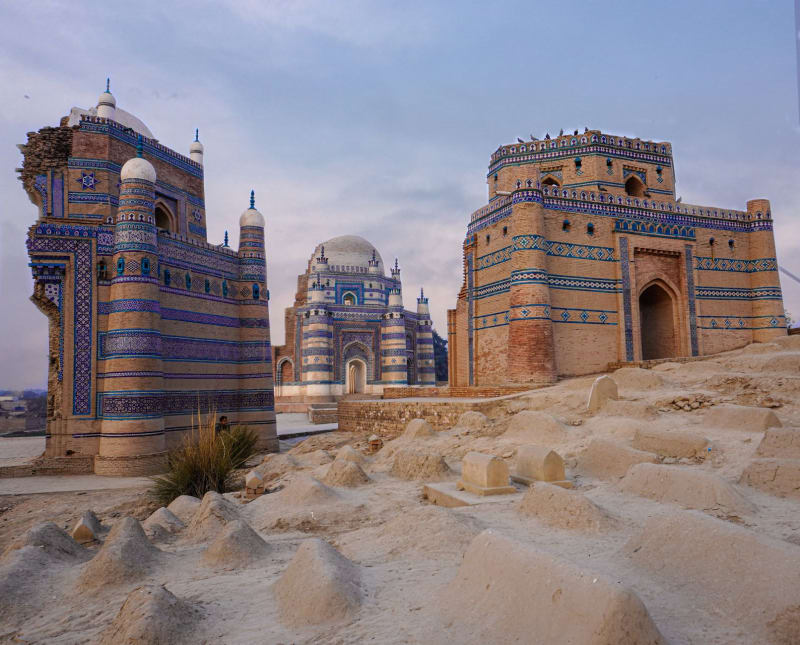 pakistan
Mohenjo-daro
A 4,500-year-old city rising from the Sindh plains, one of the great urban experiments of the ancient world, almost entirely alone in the landscape.
Explore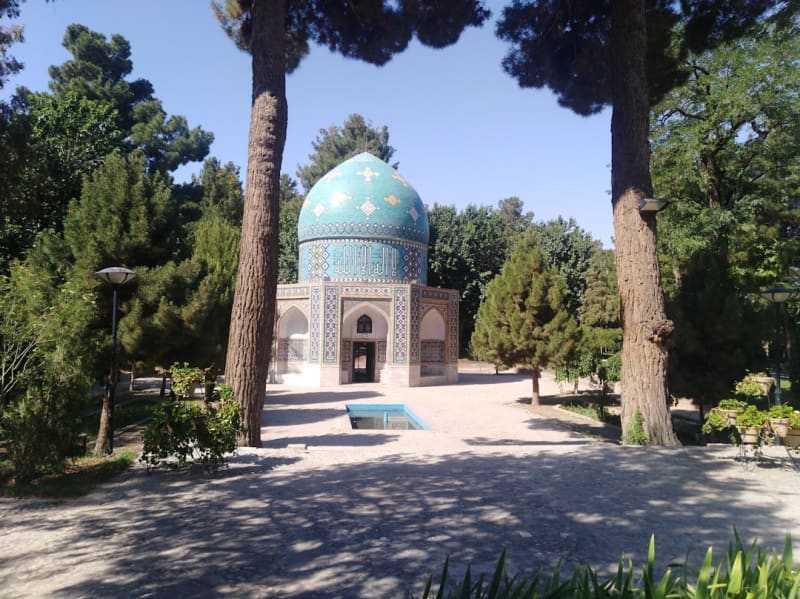 pakistan
Multan
The ancient 'City of Saints' in southern Punjab, thick with Sufi shrines, blue-glazed pottery, and heat that seems to have its own gravity.
Explore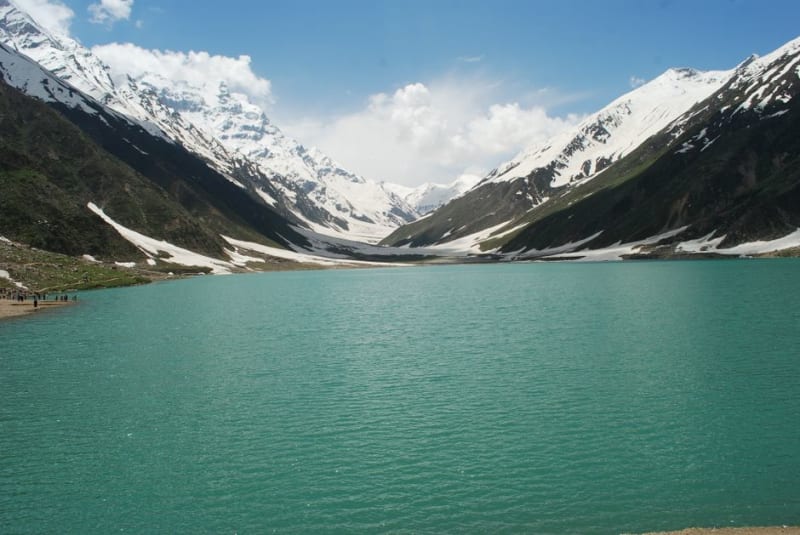 pakistan
Naran
An alpine resort town in Kaghan Valley where jeep drivers hustle for fares to a lake so blue it looks retouched.
Explore