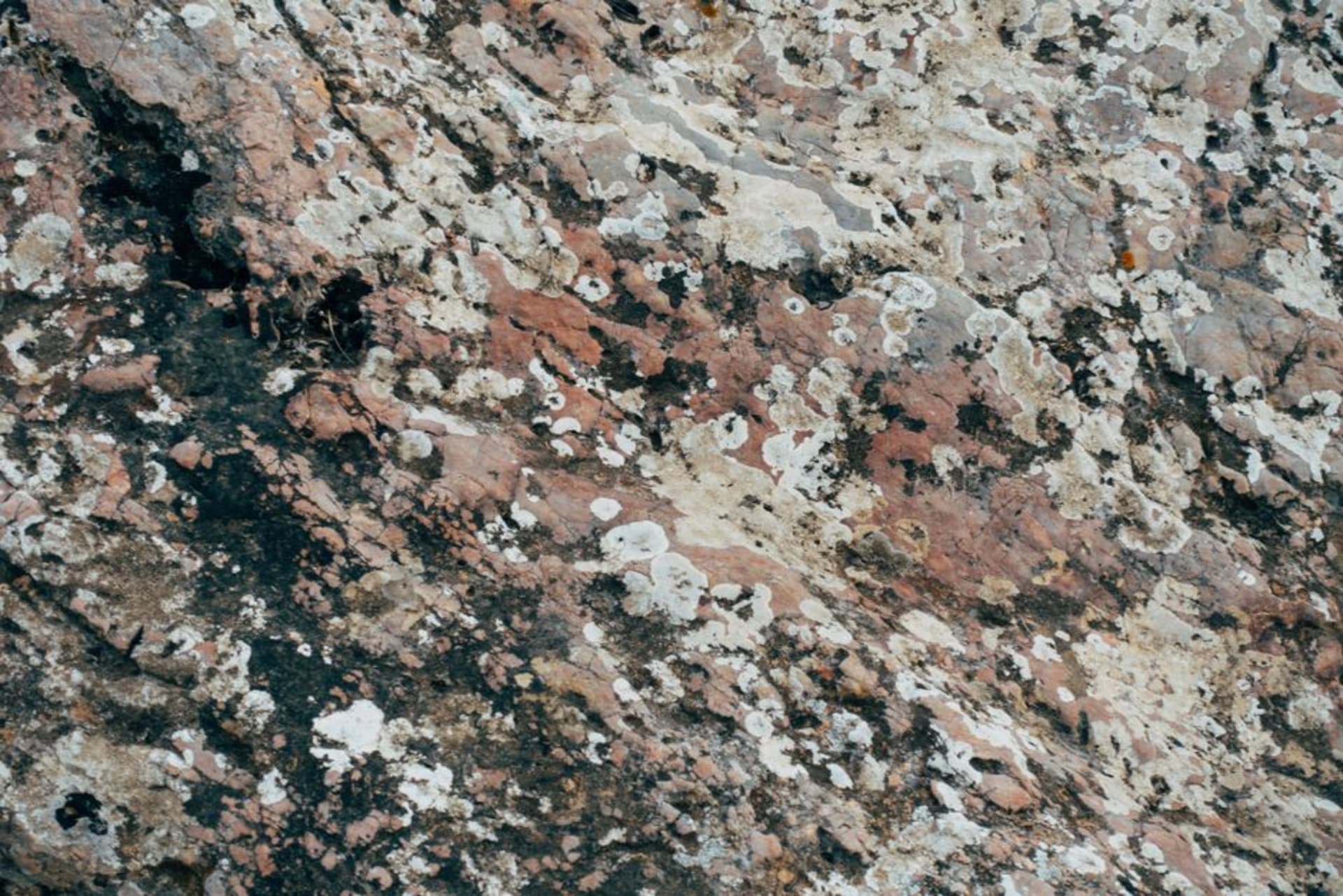
Devils Marbles
"Someone stacked these boulders. Nobody did. The desert just does this, given a few hundred million years."
A field of massive granite boulders balanced in impossible stacks on the Stuart Highway, sacred to the Warumungu people and best seen at sunset.

Karlu Karlu, which most maps still label with the colonial name Devils Marbles, sits about 105 kilometres south of Tennant Creek on the Stuart Highway, and I nearly drove past it the first time because from a distance it looks like nothing more than a low rocky hill. Then you get closer and realise the hill is made of individual granite boulders the size of houses, some perfectly round, some cracked clean through the middle, balanced on top of each other in stacks that look engineered and are entirely the product of about 1.7 billion years of granite weathering unevenly from the inside out.
I arrived in the last hour before sunset, which is the only correct way to see this place — the low light turns the granite from grey-pink to a deep, saturated red-orange, and the boulders start throwing shadows that make the whole field look like it’s breathing. Karlu Karlu is a sacred site for the Warumungu, Kaytetye, Alyawarre, and Warlpiri peoples, associated with the Dreaming stories of the Devil Man’s hair, and there are marked walking trails that keep respectful distance from ceremonial areas while still letting you wander close enough to touch the rock, which is warm long after the sun has gone.

I camped at the small campground within the reserve, which has almost no facilities and exactly the right amount of nothing else around it. A family of black-footed rock wallabies came out at dusk from between two of the larger boulders, and I sat still enough for long enough that one came within about four metres before deciding I wasn’t worth the risk. That’s the kind of encounter you get here — not scheduled, not guided, just the result of sitting quietly in a place that rewards patience.

When to go: April through September for cooler daytime temperatures. Arrive an hour before sunset and stay until the last light — the colour shift on the granite is the entire reason to come, and it lasts less than twenty minutes.
Keep exploring
More from The Outback
 outback
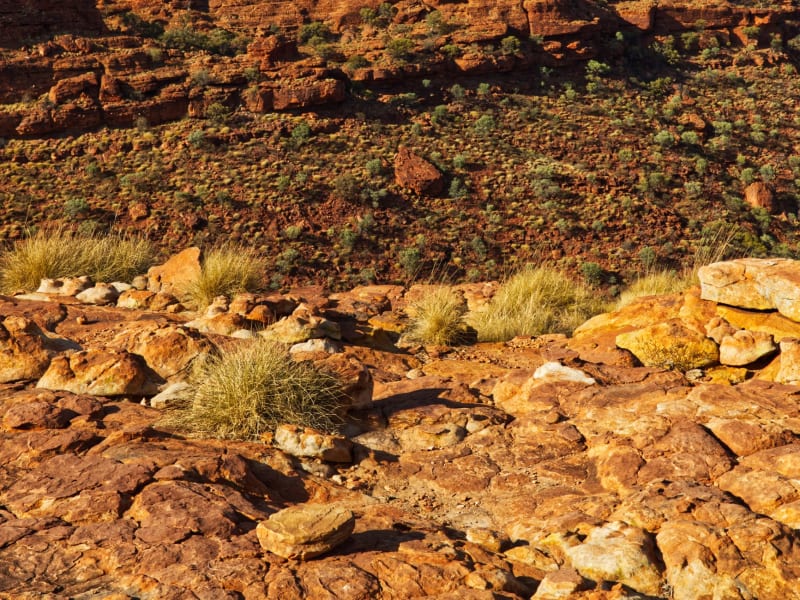
 Flinders Ranges
Crumpled red rock holding 600 million years of Earth's adolescence and a natural amphitheatre so perfect it looks designed.
Explore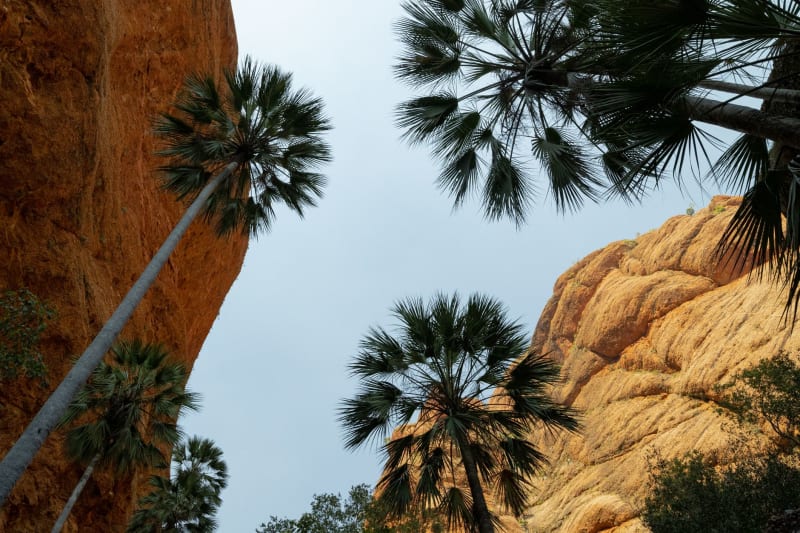 outback
 Kakadu National Park
A floodplain so teeming with birdlife and ancient rock art that two days there quietly rearranges your scale of what 'old' means.
Explore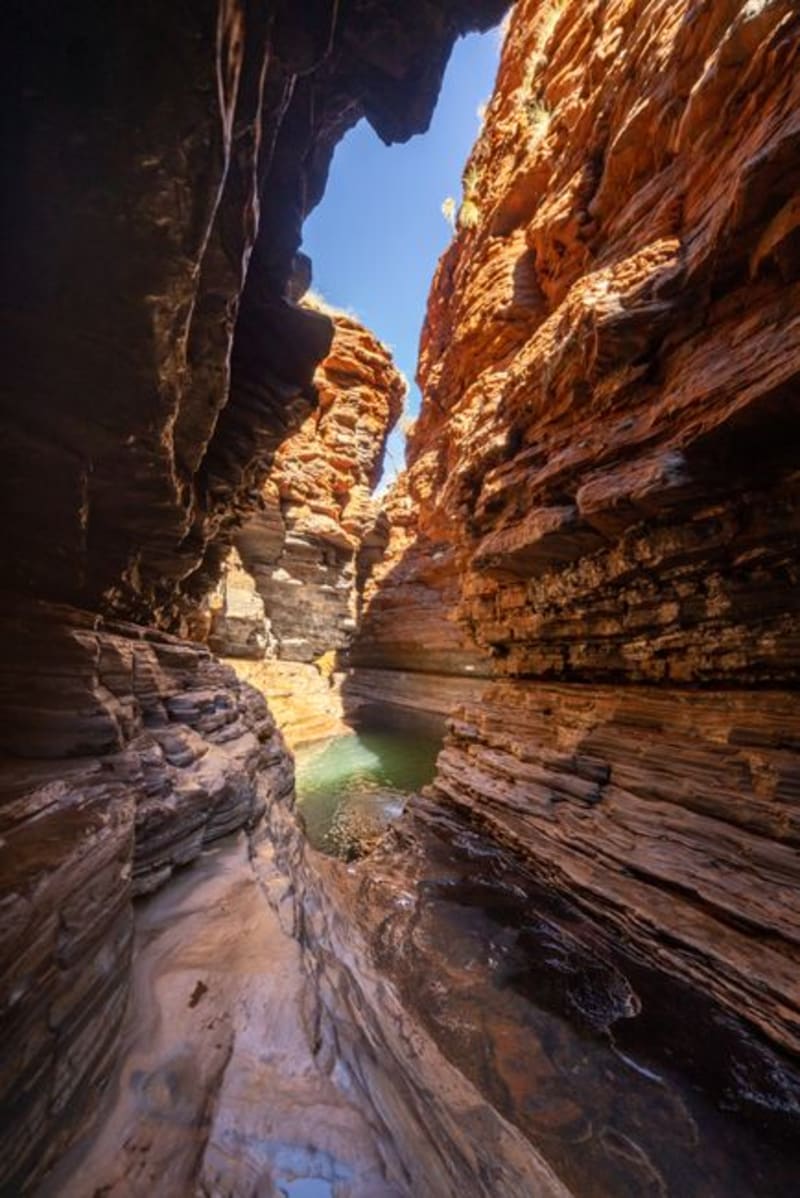 outback
 Karijini National Park
A national park in the Pilbara where the earth splits open into gorges two billion years old and the water at the bottom is impossibly, absurdly cold.
Explore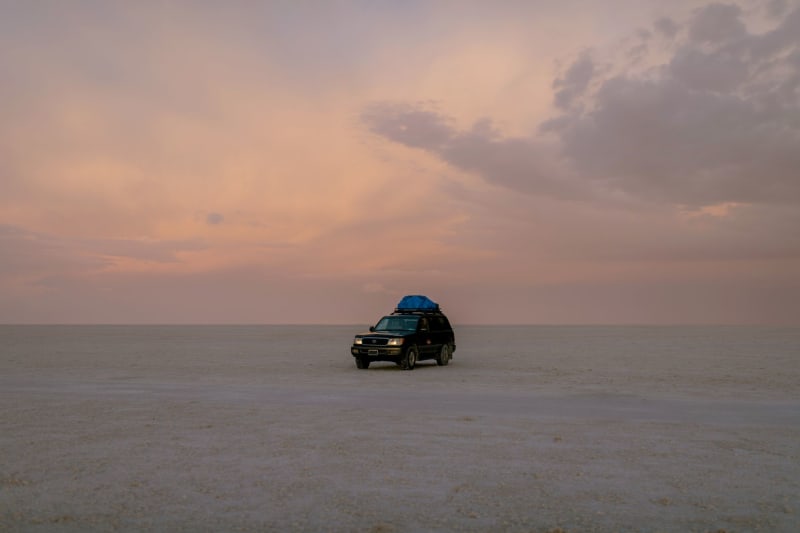 outback
 Kati Thanda – Lake Eyre
Australia's largest lake is usually a salt flat so white and so vast it makes the concept of horizon feel like a personal problem.
Explore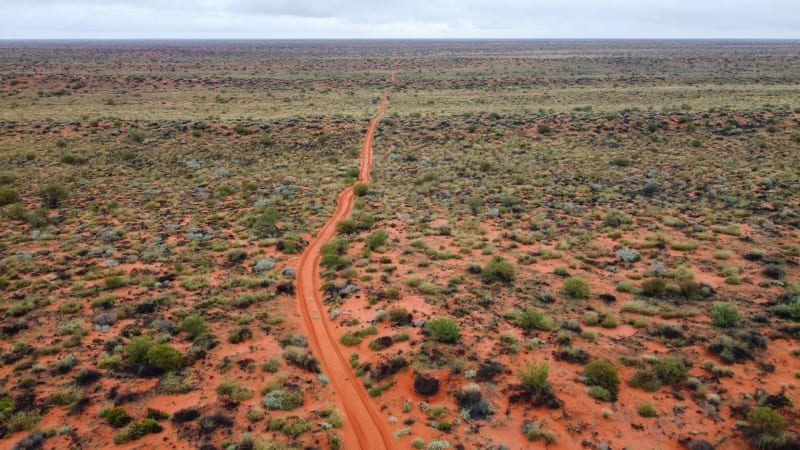 outback
 Kings Canyon
A sandstone cathedral carved by time, where the rim walk earns every one of its 270 metres of vertical edge.
Explore outback
 Lightning Ridge
The only place on earth where black opal forms in commercial quantity, mined by a population living half underground to escape the heat.
Explore