Oceania
The Outback
"Nothing prepares you for how loudly the Outback says nothing at all."
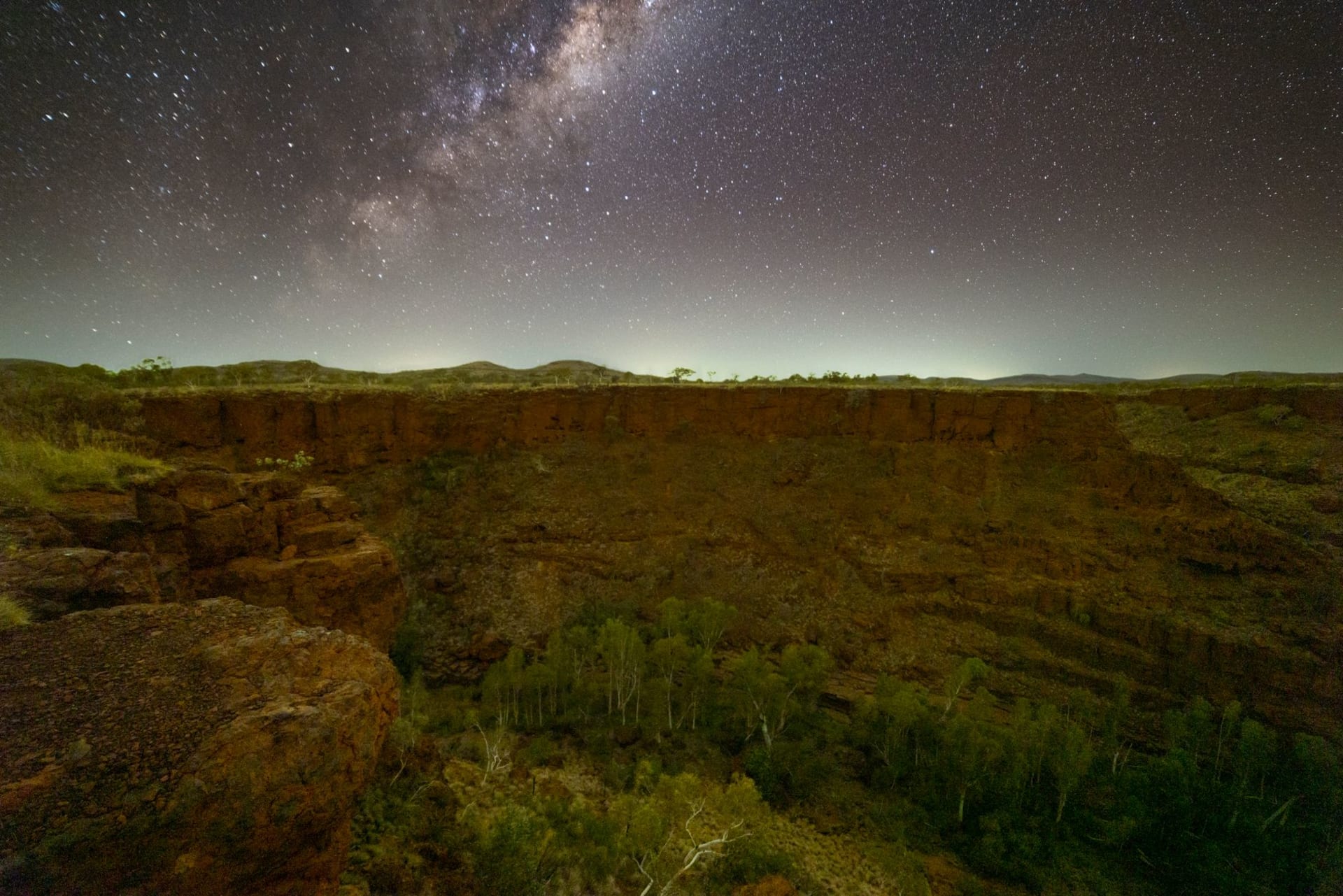
A silence so total it rings in your ears, red dirt that stains everything you own, and a night sky so dense with stars it makes you feel both infinitely small and somehow chosen.

I drove into Karijini National Park from Port Hedland on a road that stopped pretending to be a road about 40 kilometres in. The rental car was wrong for the terrain — too low, too timid — and I kept stopping not because anything broke down but because I needed to get out and stand in it. The red iron-rich earth. The spinifex catching late afternoon light like it was made of copper wire. That specific smell of hot dust cooling as the sun dropped. I hadn’t been anywhere this quiet since I was a kid in the Auvergne, and even then there were cows.
The Outback is not one place. It’s an attitude the continent holds toward the interior — a vast dismissal of human pretension that stretches across Western Australia, the Northern Territory, South Australia, and Queensland. But what I found in Karijini specifically was something that doesn’t photograph well: depth. The gorges cut 100 metres into the earth and the light inside them turns amber and rose and, at the very bottom where water runs cold year-round, a kind of blue that has no business existing in a desert. I lowered myself down Hancock Gorge on a rope and swum through a slot canyon where the walls pressed close enough to touch with both arms. The water was freezing. I stayed in for twenty minutes, which felt reckless and correct.
Food in the Outback is a matter of managing expectations and then being surprised anyway. The roadhouses — Tom Price, Newman, Paraburdoo — serve pies that are better than they have any right to be and coffee that isn’t, but nobody comes to the Outback for the coffee. I cooked most evenings on a camp stove: rice, lentils, canned tomatoes, a tin of sardines I’d brought from Mexico out of habit. I ate sitting on the bonnet of the car watching the sky go from orange to purple to black so studded with stars that the Milky Way cast a shadow. That last part is not a metaphor. You can see your hand in Milky Way light out here.
When to go: May through September. Desert winters mean days between 20–28°C and nights cold enough to need a sleeping bag — ideal walking and gorge-swimming conditions. Avoid December to February entirely: 45°C heat, flash flooding, and roads that close without notice.
What most guides get wrong: They treat the Outback as a bucket-list checkbox — Uluru photo, done — rather than a place that requires time to enter. Two days is tourism. A week is when it starts to work on you. The transformation happens slowly, around the third or fourth day, when you stop reaching for your phone and start noticing the specific sound a wedge-tailed eagle makes when it rides a thermal directly overhead. That’s when the Outback becomes something other than scenery.
Explore
Places in The Outback
 outback
 Alice Springs
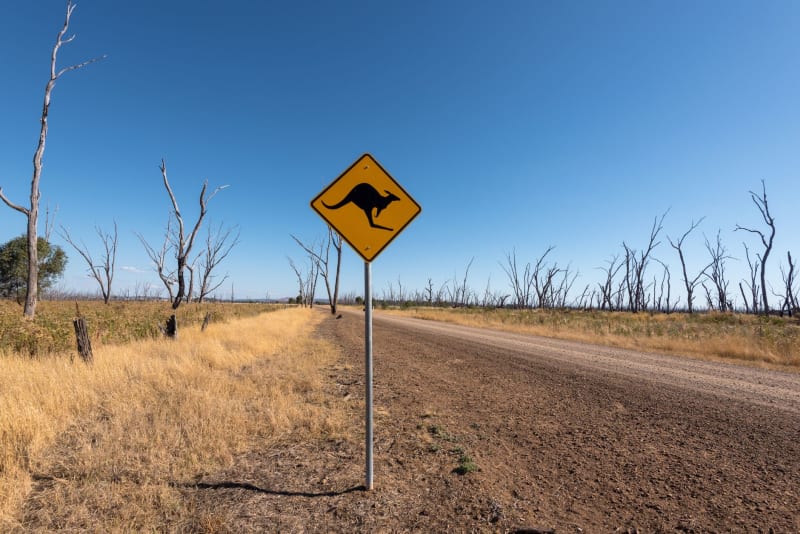
The unlikely town at the dead centre of a continent where a gap in the ranges frames everything you thought you knew about remoteness.
Explore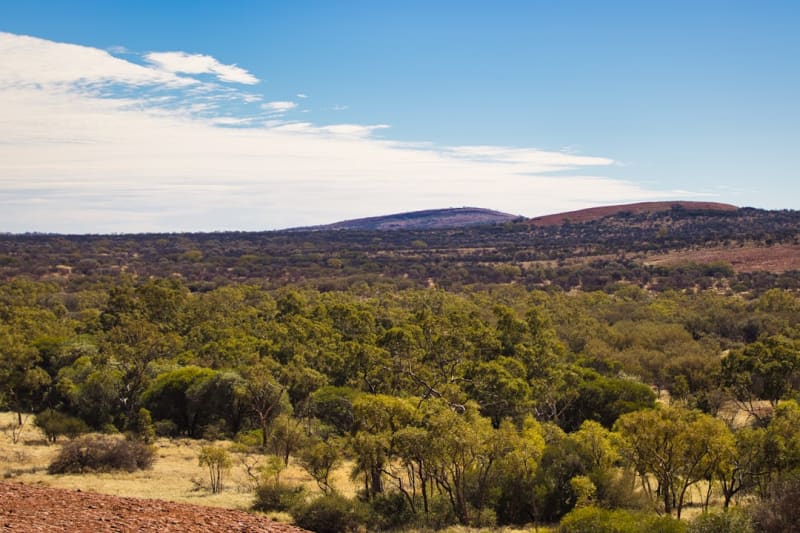 outback
 Arkaroola
A private wildlife sanctuary in the northern Flinders Ranges where a single family turned shattered, mineral-streaked mountains into one of Australia's best stargazing destinations.
Explore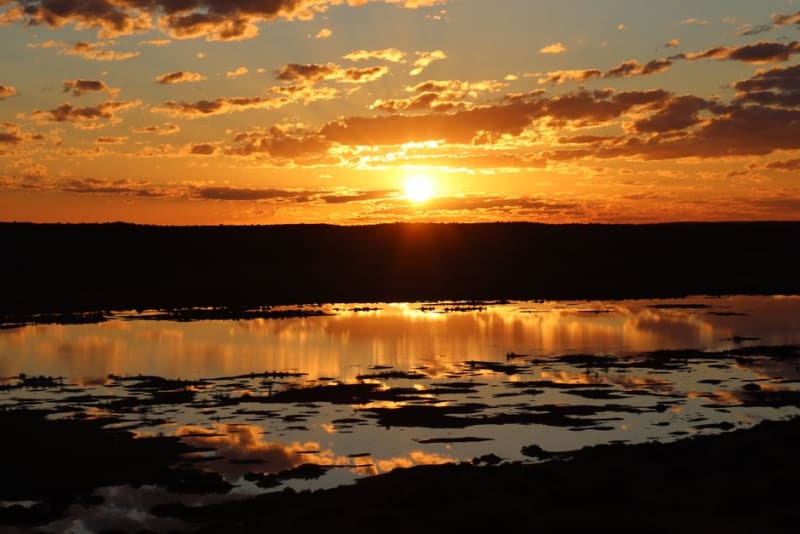 outback
 Birdsville
A town of about a hundred people at the edge of the Simpson Desert that fills with tens of thousands every September for a horse race in the middle of nowhere.
Explore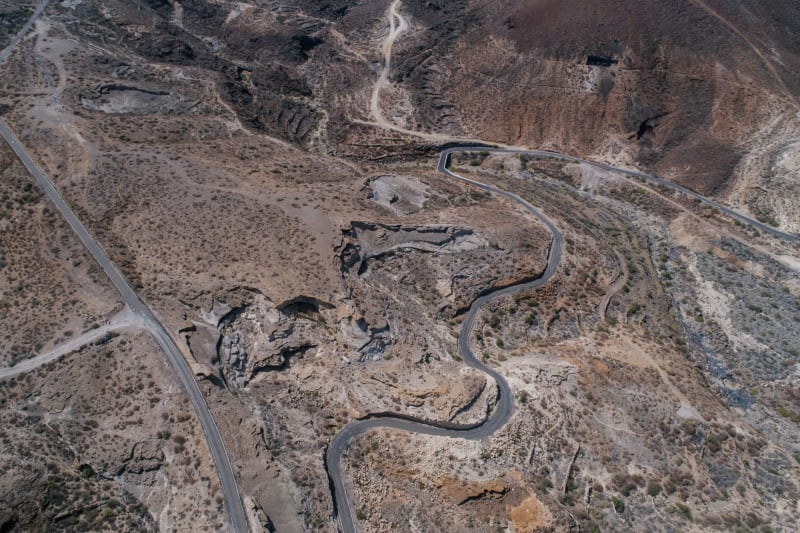 outback
 Broken Hill
A silver mining city at the edge of nothing that became, improbably, one of the most art-saturated places in regional Australia.
Explore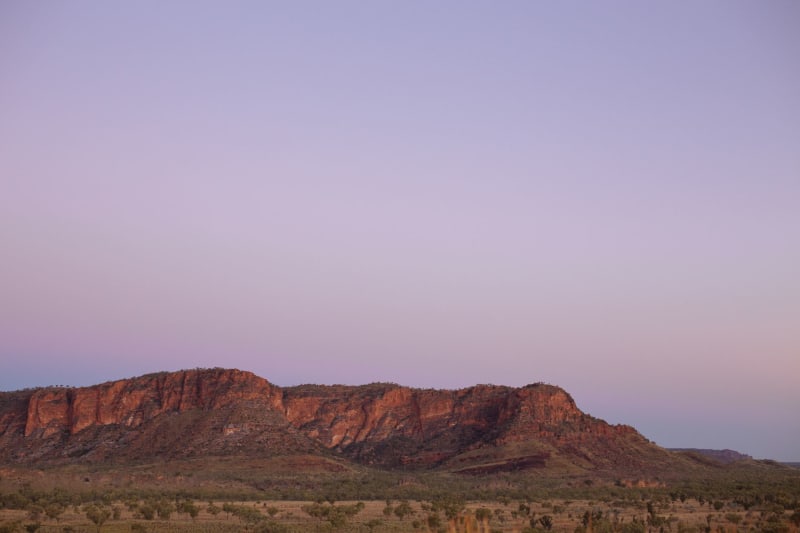 outback
 The Bungle Bungles
Striped beehive domes rising from the Kimberley floor — a landscape so strange it wasn't known to the outside world until 1983.
Explore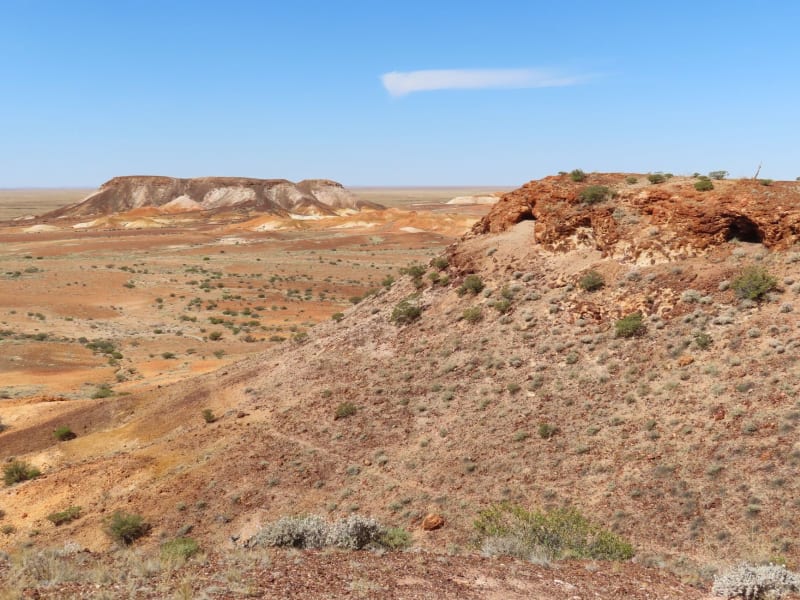 outback
 Coober Pedy
A mining town that went underground to escape the heat and never fully came back up — and the opals they pull from the earth here shift colour like nothing else on the planet.
Explore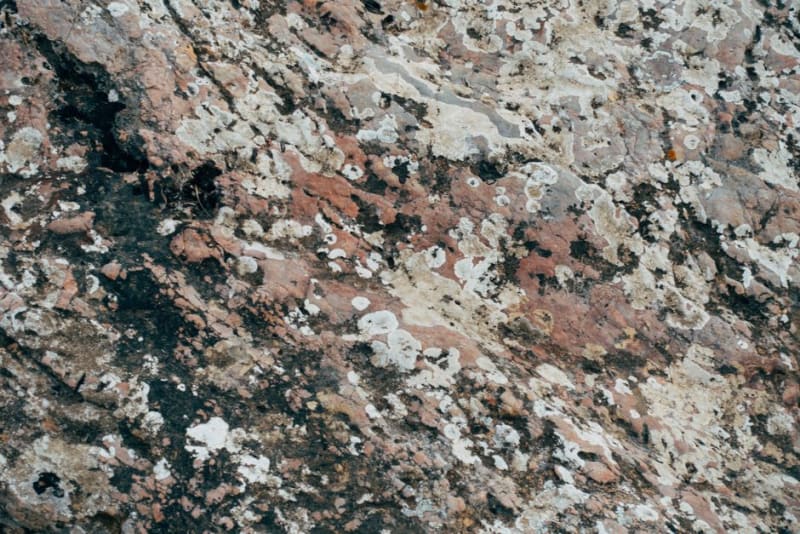 outback
 Devils Marbles
A field of massive granite boulders balanced in impossible stacks on the Stuart Highway, sacred to the Warumungu people and best seen at sunset.
Explore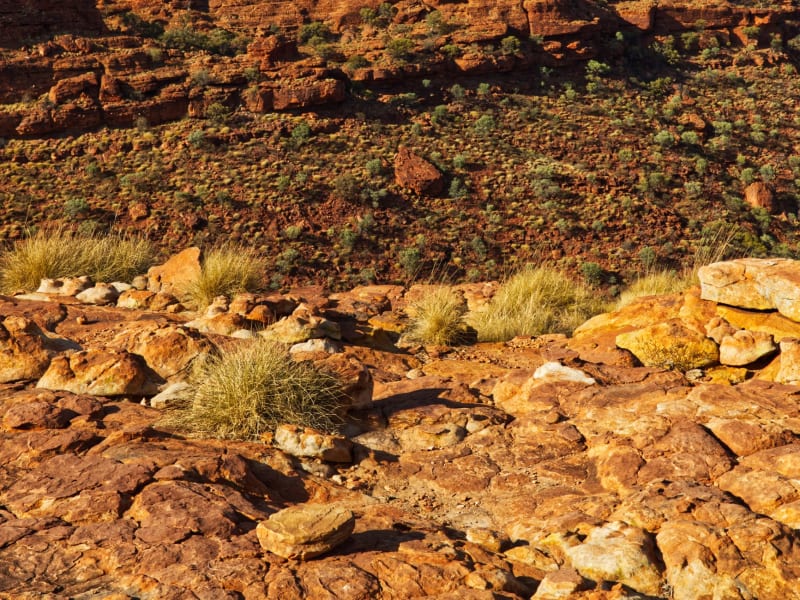 outback
 Flinders Ranges
Crumpled red rock holding 600 million years of Earth's adolescence and a natural amphitheatre so perfect it looks designed.
Explore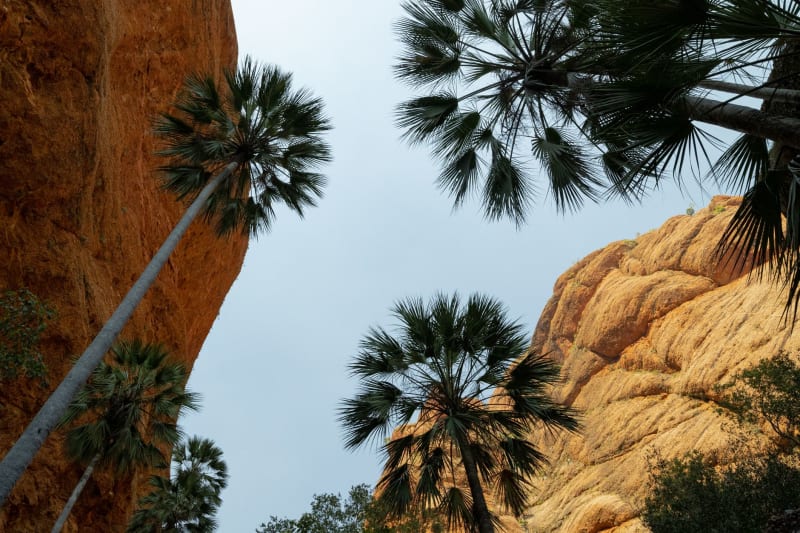 outback
 Kakadu National Park
A floodplain so teeming with birdlife and ancient rock art that two days there quietly rearranges your scale of what 'old' means.
Explore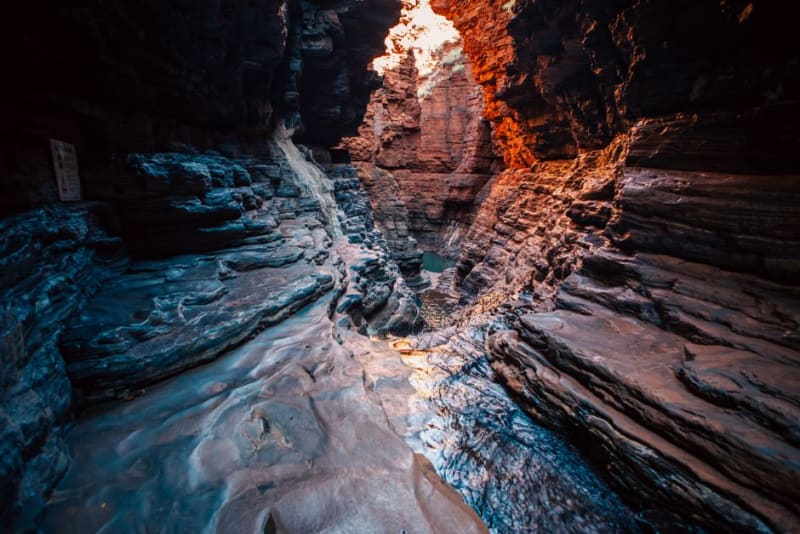 outback
 Karijini National Park
A national park in the Pilbara where the earth splits open into gorges two billion years old and the water at the bottom is impossibly, absurdly cold.
Explore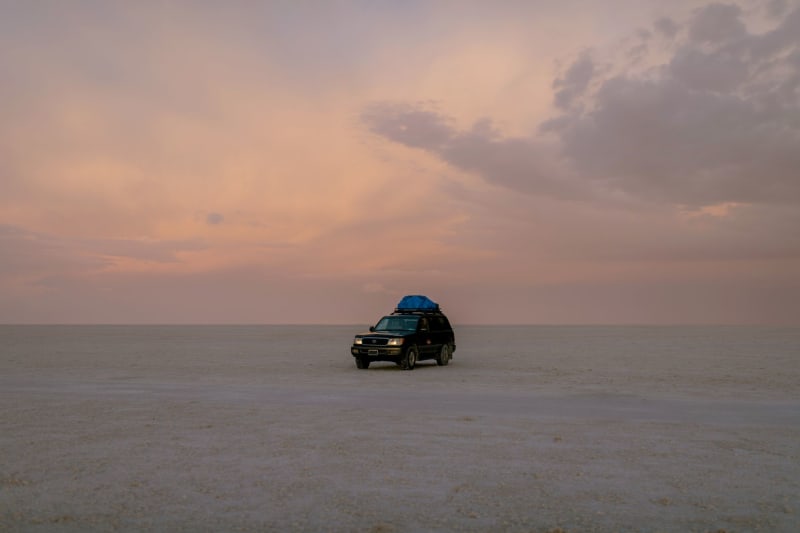 outback
 Kati Thanda – Lake Eyre
Australia's largest lake is usually a salt flat so white and so vast it makes the concept of horizon feel like a personal problem.
Explore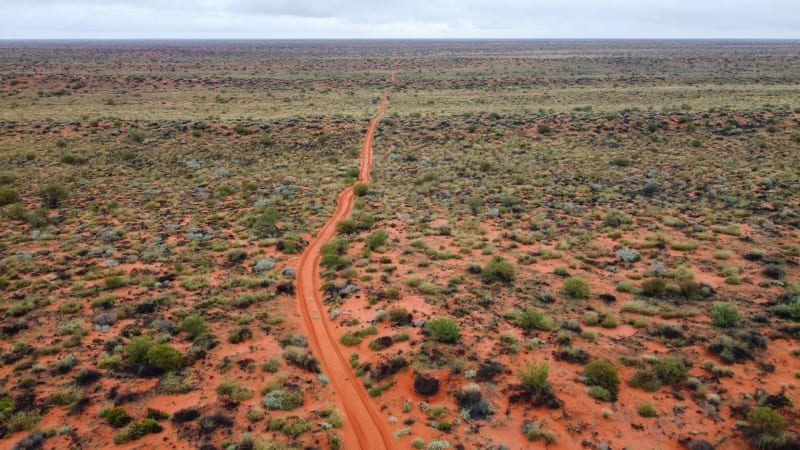 outback
 Kings Canyon
A sandstone cathedral carved by time, where the rim walk earns every one of its 270 metres of vertical edge.
Explore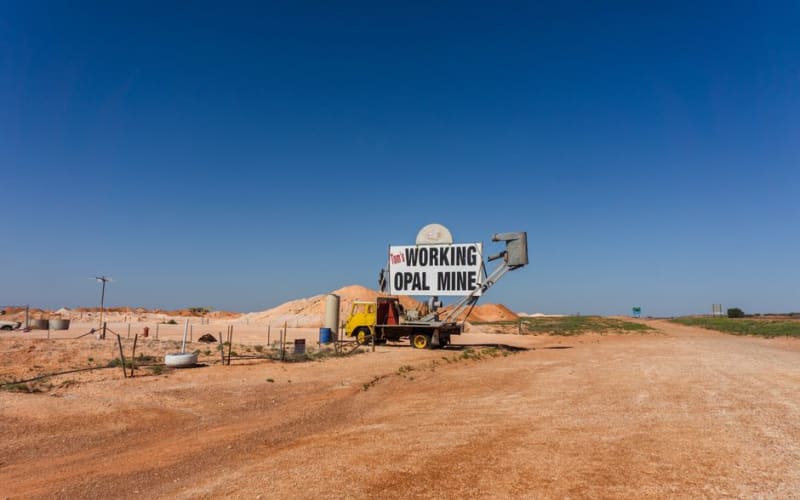 outback
 Lightning Ridge
The only place on earth where black opal forms in commercial quantity, mined by a population living half underground to escape the heat.
Explore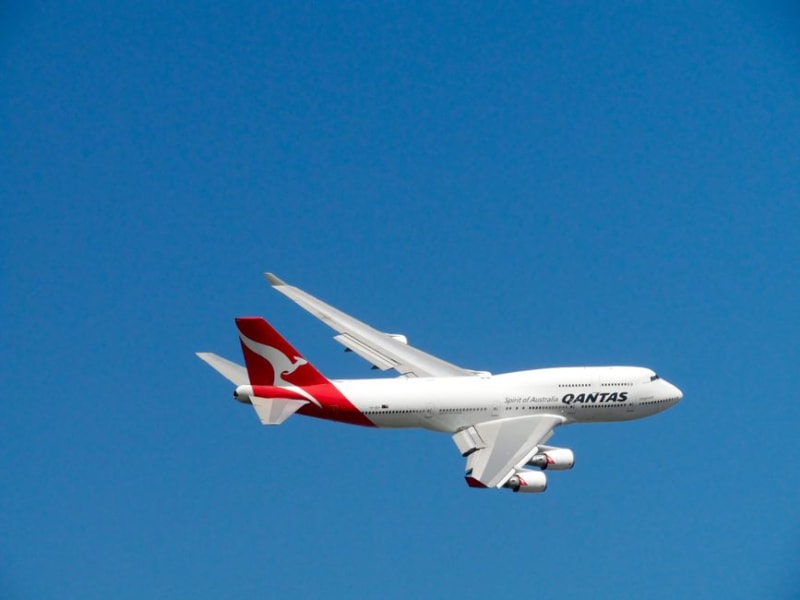 outback
 Longreach
A Queensland cattle town where Qantas built its first hangar and the Stockman's Hall of Fame turns droving history into something you can actually feel.
Explore outback
 Mungo National Park
A dried lake where 42,000-year-old human remains were found and the Walls of China glow pink at dusk above ground that has never been quite empty.
Explore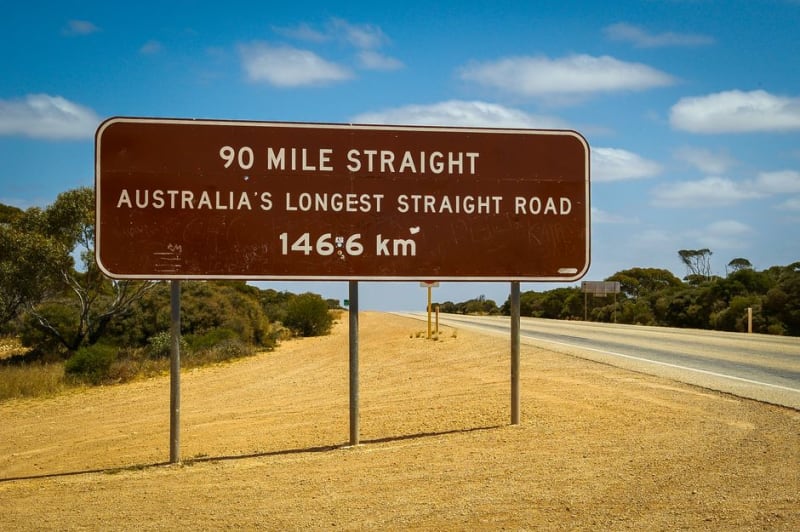 outback
 Nullarbor Plain
A treeless limestone plateau where the highway runs dead straight for 146 kilometres and the Southern Ocean cliffs drop straight into whale-filled water.
Explore