
Shakawe
"Shakawe is where the river is still behaving itself. Everything south of here is the beautiful unraveling."
The quiet northern town where the Okavango is still a river — before the delta fans it into something that defies ordinary geography.

I arrived in Shakawe from the south after four hours on the Panhandle road, which runs straight and flat and quiet through a landscape that looks like it can’t quite decide between savanna and wetland. The road crosses the river twice and each crossing offered a glimpse of the Okavango doing something that the delta proper doesn’t do — flowing with direction and purpose, a recognisable river with identifiable banks, moving north to south at a pace you could measure. I pulled over after the second bridge and sat on the bonnet and ate crackers and watched a pod of hippopotami do their surfacing-and-sinking routine with the bovine indifference that hippos have perfected. It was three o’clock and the light was already starting to angle.
Shakawe sits at the top of the Botswana Panhandle, close to the Namibian border, where the Okavango River enters the country from Angola. The town itself is small and functional — a fuel station that sometimes has diesel, a general dealer, a small lodge or two along the river bank, a school, a health clinic. The ferry crossing to Seronga leaves from here. Namibian trucks use the border crossing at Mohembo a few kilometres north. The town’s connection to the river is direct and daily in a way that is different from Maun, where the delta is a business destination. In Shakawe, the river is just what’s there.

The fishing here is exceptional and taken seriously. The Okavango’s northern Panhandle holds tiger fish in numbers that make sport fishermen quiet and purposeful in a way that suggests genuine compulsion rather than leisure. Tiger fish are muscular, aggressive, and deeply uncooperative when hooked — they leap and they run and they throw hooks with a persistence that borders on spite. The lodges along the river bank near Shakawe cater heavily to the fishing crowd, and you will share early mornings on the water with people who have flown from South Africa or Namibia specifically for this. The non-fishers are welcome but slightly outnumbered. I am a non-fisher who found the company of fixated anglers oddly meditative.
The Panhandle itself — that narrow strip of waterway running up to Shakawe — has its own birdwatching reputation separate from the delta’s. The Slaty egret, one of Africa’s rarest herons, breeds here. The African skimmer cuts the river surface in the mornings with a precision that seems mathematically impossible until you watch it several times and accept the math. Pel’s fishing owl, that magnificent and enormous orange-brown owl that sounds like a child wailing, hunts the riverbanks here with more regularity than elsewhere. In three evenings at the riverside lodge, I heard it twice from the same bank palm. I never saw it. I have made peace with this.

What Shakawe offers that the rest of the delta lacks is the sensation of standing at the beginning of things. The same water that will spread into 15,000 square kilometres of delta is here still contained, still obedient, running between papyrus walls with the orderliness of a river that doesn’t yet know what’s about to happen to it. This upstream perspective changes how you understand the whole system. The Okavango isn’t just a delta — it’s a river that ran out of coast and had to improvise. Standing in Shakawe, you see the river as it was before the improvisation.
When to go: July and August for peak fishing season and the best water levels in the Panhandle. The tiger fish run is most active from August to December for sport fishing. Birdwatching is superb year-round but the dry months (May–October) offer cleaner skies and better visibility along the riverbanks. Shakawe is accessible year-round on tarred road from Maun (about 350 kilometres), and the border with Namibia at Mohembo is open to standard crossing.
Keep exploring
More from Okavango Delta
 okavango-region
Third Bridge
A plank bridge over a dark channel in the heart of Moremi — and the most famous unfenced campsite in southern Africa.
Explore okavango-region
Tsodilo Hills
Four thousand rock paintings scattered across sacred Kalahari sandstone, where San spirits are said to linger among the outcrops.
Explore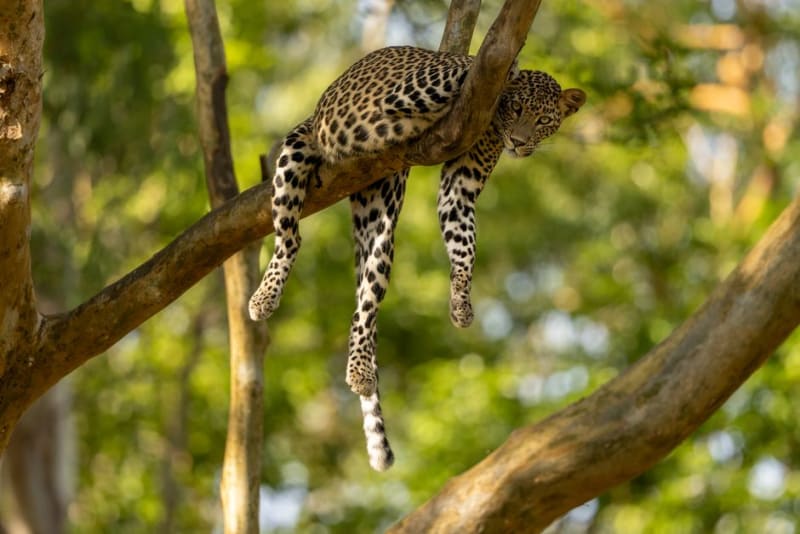 okavango-region
Tubu Tree Area
A forested island on the Jao floodplain where leopard tracks cross the camp paths almost as often as impala do.
Explore okavango-region
Vumbura Plains
A remote camp in the far north of the Delta where floodwaters, wild dogs and community-run conservation meet on open plains.
Explore okavango-region
Xakanaxa Lagoon
A lagoon so thick with nesting herons and storks at dawn that the trees around it appear to have grown their own feathers overnight.
Explore okavango-region
Chief's Island
The largest dry island in the inner delta, where lion, leopard, and wild dog converge on permanent land in numbers that should be illegal.
Explore