Tubu Tree Area
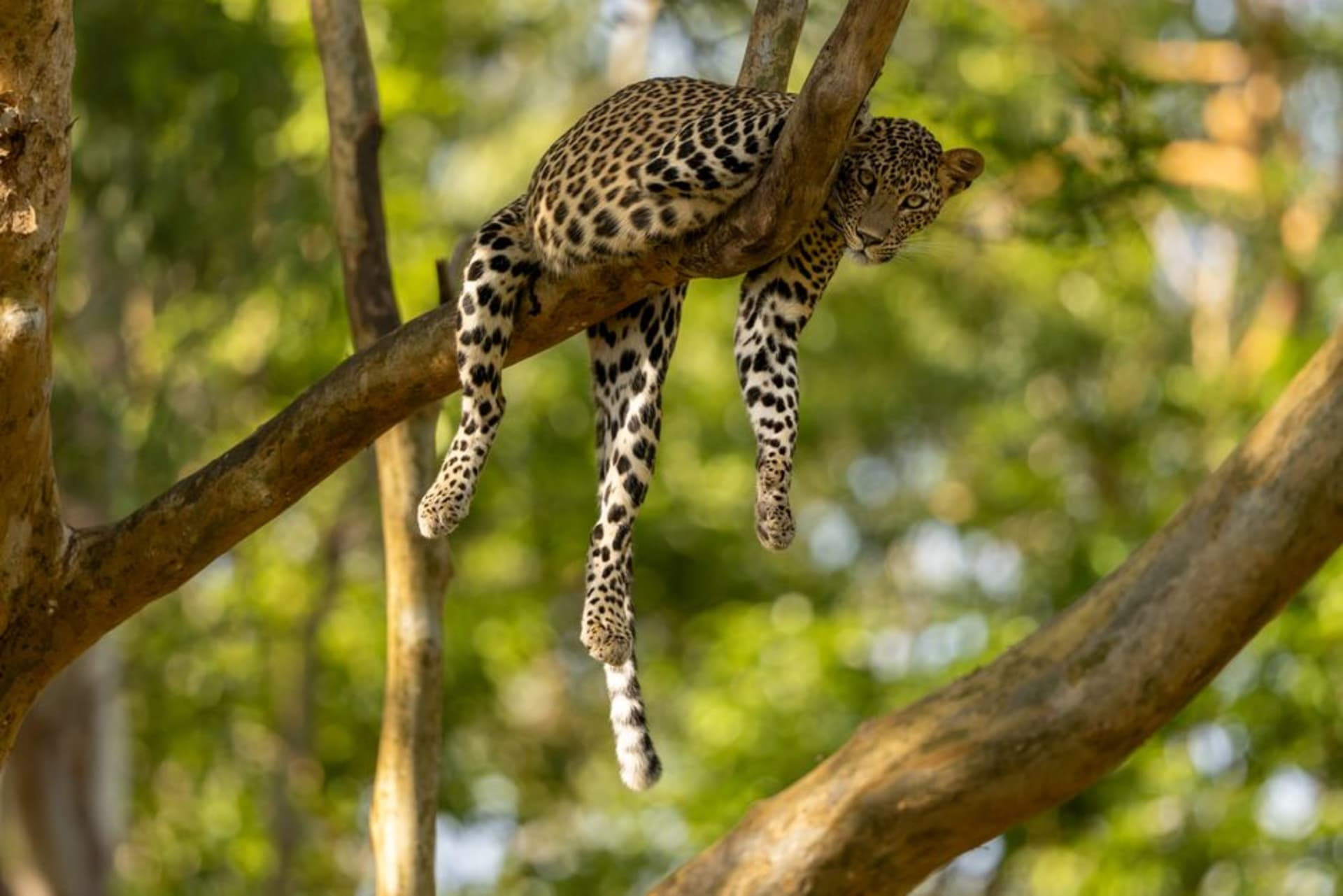
"Our guide found fresh leopard tracks on the footpath to our own tent, ten minutes before breakfast."
A forested island on the Jao floodplain where leopard tracks cross the camp paths almost as often as impala do.

The Tubu Tree area sits on a forested island within the Jao concession, and it has a reputation among guides in the delta as serious predator country, which I heard repeated by three different people before we’d even arrived and dismissed as the usual marketing until I actually spent a few days there. It’s not marketing. The mix of mature riverine forest, open floodplain, and permanent water in this pocket of the delta seems to concentrate game in a way that felt noticeably different from camps we’d visited further east.
Our first game drive turned up a leopard within forty minutes, a young female draped along a low sausage tree branch, doing that thing leopards do where they seem completely indifferent to being watched. Our guide, Kagiso, said this particular female had been resident in the area for over a year and was well known to the camp staff — he even had a name for her, which he used with the casual familiarity of someone talking about a neighbor rather than a wild predator. That’s the strange intimacy of a place like this: the animals aren’t just passing through, they’re residents, same as the camp itself.

What I hadn’t anticipated was how much of the tracking happens on foot here, at least around camp itself. The morning after that leopard sighting, Kagiso pointed out fresh pug marks on the sandy path between our tent and the dining area — the same leopard, he guessed, having wandered through sometime after midnight while we slept ten feet away behind canvas. It’s the kind of detail that recalibrates your sense of how thin the boundary really is between camp and wilderness in a place like this.
We also had a solid run of wild dog activity during our stay, a pack of maybe nine animals that the camp had been tracking on and off for weeks. Watching them work — that nervous, twitchy energy, constantly repositioning, communicating in short high chirps — was a completely different register of excitement from the stillness of the leopard sighting. Lia said it felt like watching a heist unfold in real time, which is about right.
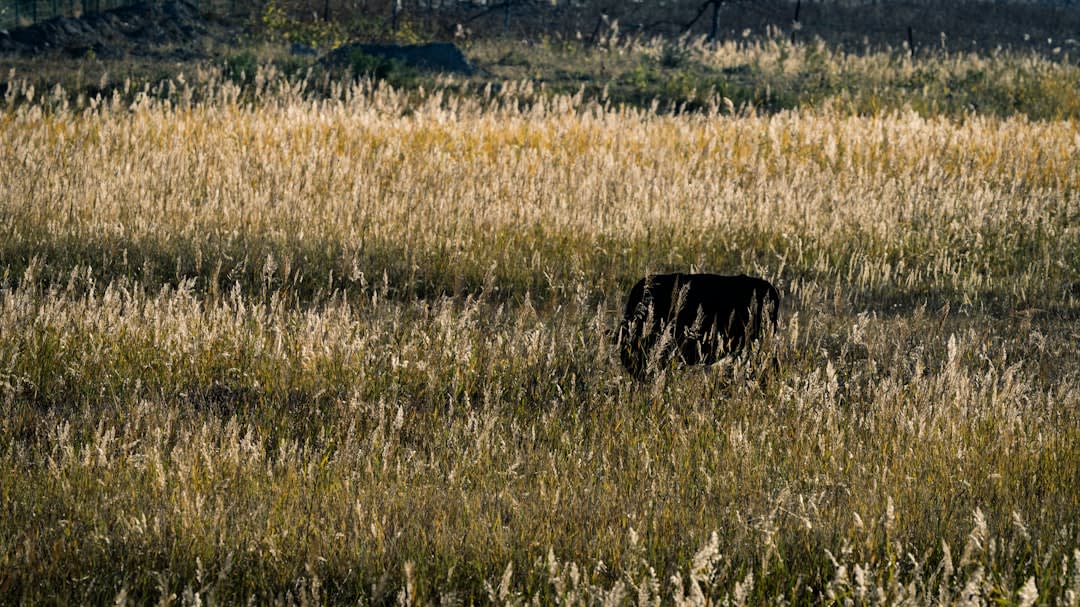
When to go: the dry winter months of June through September bring the best game viewing, as animals concentrate around the permanent floodplain water while surrounding areas dry out.
Keep exploring
More from Okavango Delta
 okavango-region
Vumbura Plains
A remote camp in the far north of the Delta where floodwaters, wild dogs and community-run conservation meet on open plains.
Explore okavango-region
Xakanaxa Lagoon
A lagoon so thick with nesting herons and storks at dawn that the trees around it appear to have grown their own feathers overnight.
Explore okavango-region
Chief's Island
The largest dry island in the inner delta, where lion, leopard, and wild dog converge on permanent land in numbers that should be illegal.
Explore okavango-region
Duba Plains
A remote, water-locked concession in the far north of the Okavango where lions and buffalo have been locked in a slow, famous war for generations.
Explore okavango-region
Gomoti Concession
A private concession on the eastern delta's edge where the wild dog packs are so reliable that sightings stop feeling like luck and start feeling like schedule.
Explore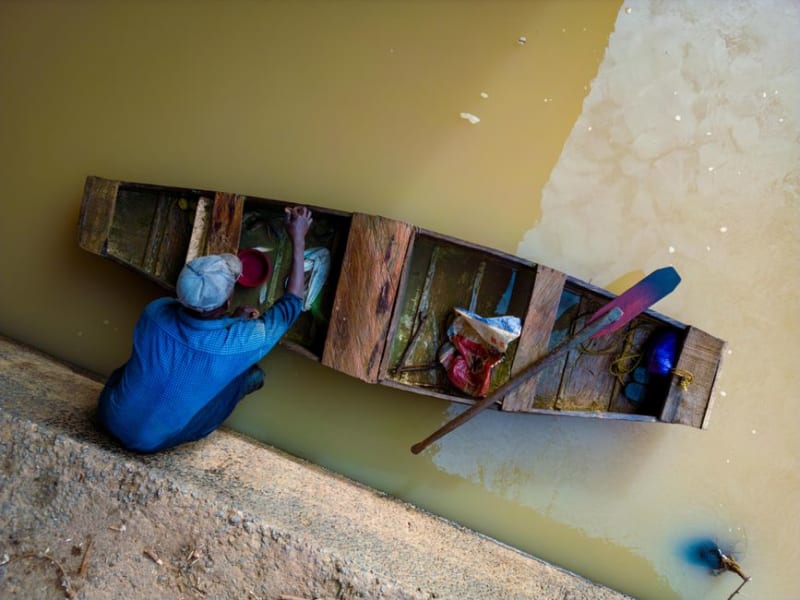 okavango-region
Gunotsoga
A quiet village on the Panhandle's eastern floodplain where local polers still launch mokoros the way their grandparents did.
Explore