Heraclea Lyncestis
"I stood on stones Philip II's engineers had laid, and for a second Bitola's traffic just disappeared."
An ancient Macedonian and Roman city near Bitola, where mosaic floors and a stone theatre outlast the empires that built them.
Lia and I almost skipped Heraclea Lyncestis. We’d already spent the morning wandering Bitola’s Široka Sokak, drinking coffee under the Ottoman-era facades, and by early afternoon the heat made a quiet ruin outside town sound like a lot of effort. I’m glad we went anyway. The site sits just south of Bitola, founded by Philip II of Macedon in the mid-4th century BC and named for Heracles and the Lyncestae, the tribe that once held this valley. Walking in past the ticket booth, past a scatter of broken columns still lying where they fell, I felt that specific quiet you only get at ruins nobody’s turned into a theme park yet.
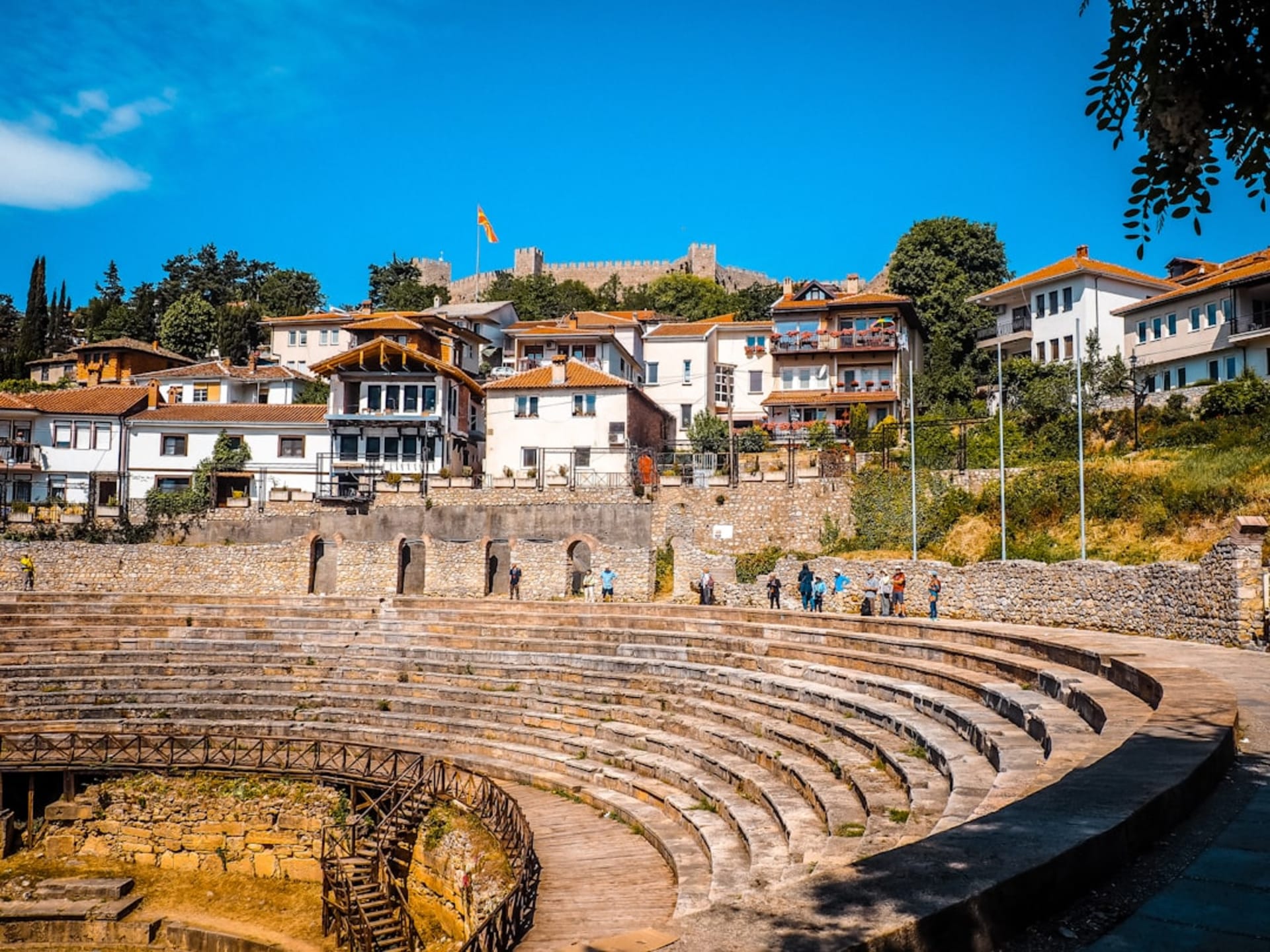
The Roman theatre is what pulls you in first. It’s remarkably intact, carved into a gentle slope, and we sat on the upper stone rows for a while just looking at it empty. Heraclea grew into a genuine Roman and early Byzantine city once it landed on the Via Egnatia, the road that connected Rome all the way to Byzantium, and you can feel that history of through-traffic in how organized the layout still is: the portico, the colonnades, the bones of a city built to host travelers, not just locals.
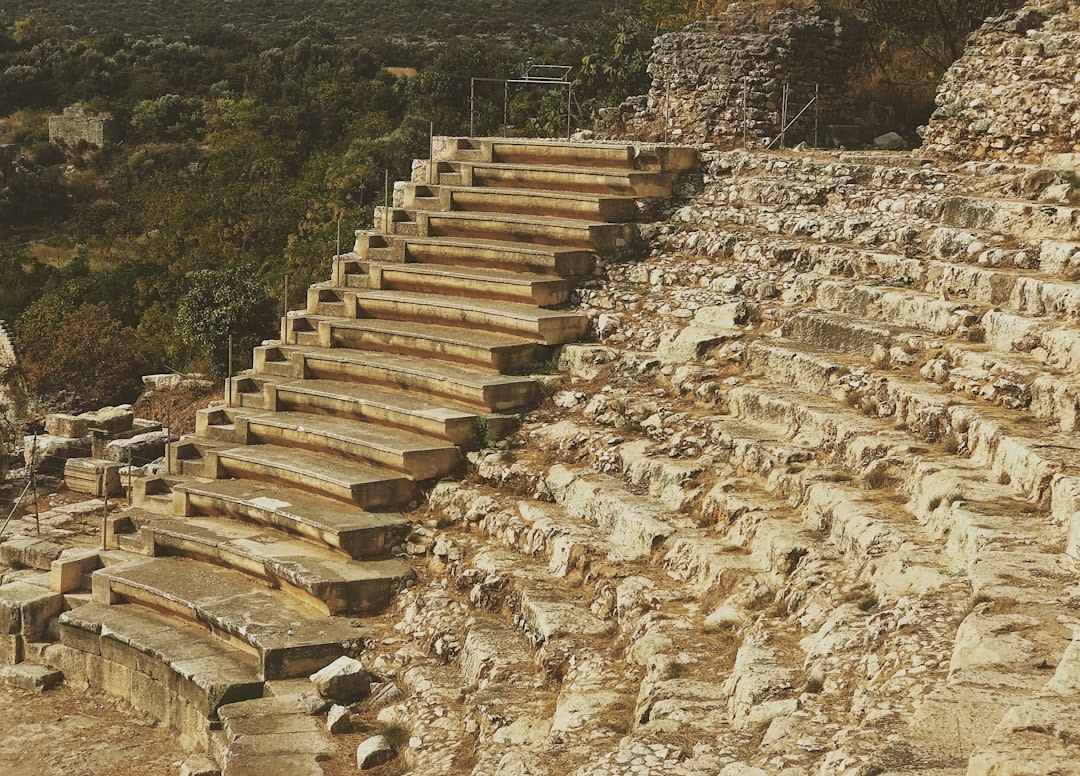
What actually stopped me in my tracks, though, were the basilicas. Two Christian basilicas from the 5th and 6th centuries have floor mosaics so detailed — birds, vines, animals mid-stride — that Lia crouched down for probably ten minutes trying to photograph one particular peacock without her own shadow ruining the shot. Excavations here have been going on since 1936, and there’s still a sense that they’ve only pulled back one corner of the whole story. The site was largely abandoned after Slavic invasions swept through in the 6th century, which somehow makes the mosaics feel more fragile and more urgent to see now.
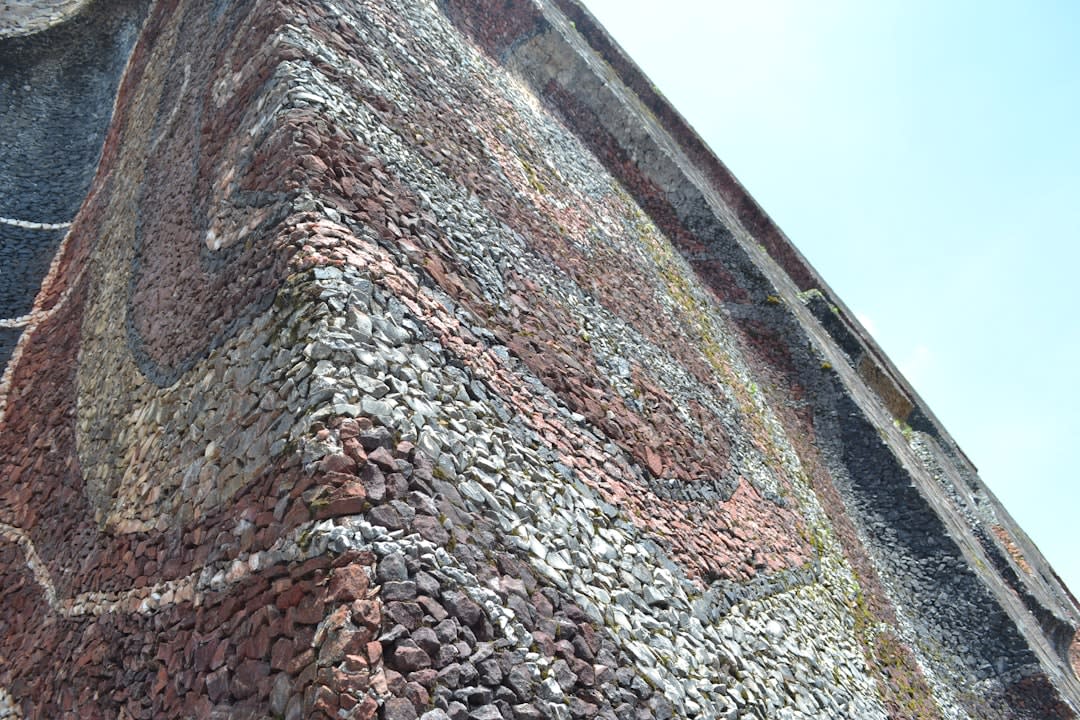
We ended up staying almost two hours, way longer than either of us planned, just tracing the layout of the old streets and trying to picture the city at its height under a sun that made the exposed stone glow almost white. There’s no shade to speak of, so bring water and a hat if you go in summer like we did.
When to go: April through October gives you the best window — the ruins are fully open-air with no real shelter, so you want mild weather and dry ground underfoot rather than the mud or bitter wind of a Macedonian winter.
Keep exploring
More from North Macedonia
 north-macedonia
 Kokino
A Bronze Age observatory on a volcanic hilltop where stone thrones and solstice markers still track the sun 3,800 years later.
Explore north-macedonia
 Kruševo
The highest town in the Balkans, where a failed 1903 uprising left behind the world's smallest republic and an outsized sense of its own place in history.
Explore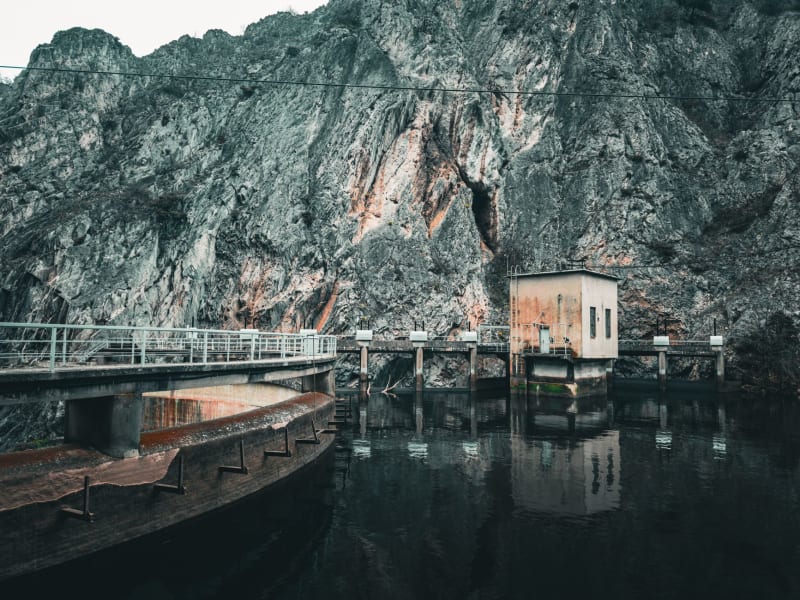 north-macedonia
 Matka Canyon
Twenty minutes from the capital, a gorge so steep and quiet it feels like a different country — and possibly a different century.
Explore north-macedonia
 Mavrovo National Park
Mountain Macedonia at its most untamed — deep pine forests, a drowned church in a reservoir, and monasteries built into impossible cliffs.
Explore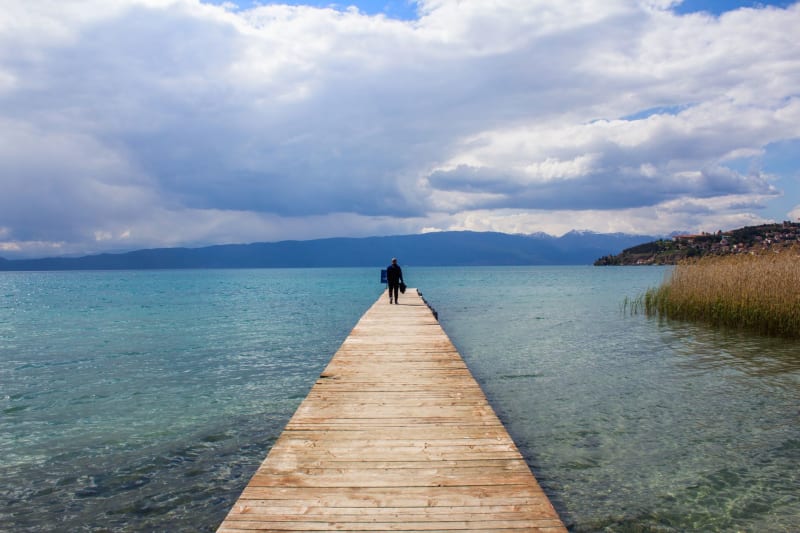 north-macedonia
 Ohrid
A 4-million-year-old lake, 365 Byzantine churches, and water so clear it makes the word 'transparency' feel like an understatement.
Explore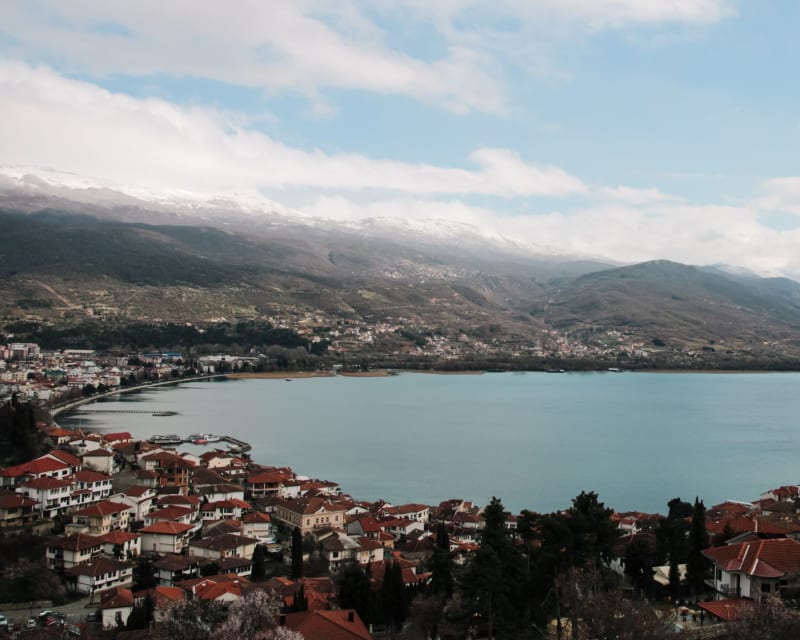 north-macedonia
 Prespa Lakes
Two ancient lakes at the meeting point of three countries, where pelicans fish in shallow reeds and border crossings dissolve into migratory bird routes.
Explore