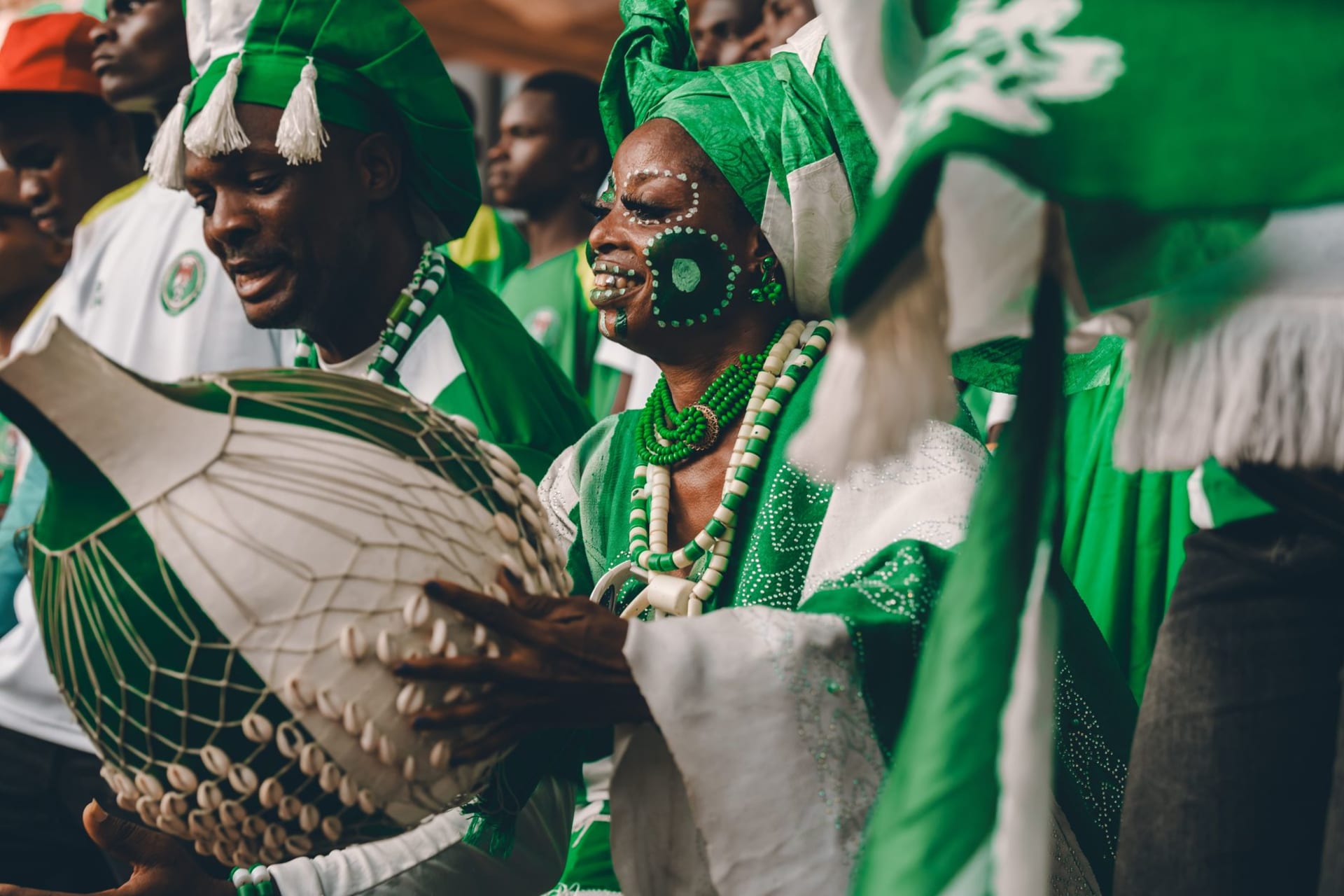
Yankari National Park
"Warm springs, cool morning air, and an elephant track in the red dust. Nigeria kept surprising me long after I thought it had shown me everything."
Nigeria's premier wildlife reserve in Bauchi State, where warm springs rise crystal-clear from the savannah and elephants cross roads at their own pace.

I arrived at Yankari just before five in the morning, while the park road was still dark enough that the headlights caught the shapes of things without revealing them — a flash of reflective eyes at the roadside, a shape that moved between two trees and was gone before I could decide what it was. The guard at the gate waved us through without a word, and we drove the remaining ten minutes to Wikki Camp in a silence that had texture to it, the kind of silence that has insects in it and distant mammal sounds and the faint whisper of wind in the doum palms.
Wikki Warm Springs is one of the genuinely unusual things I have found anywhere in Africa. The springs emerge from the ground at a constant 31 degrees Celsius, crystalline and so clear that the sandy bottom is perfectly visible six meters down, the water maintaining its temperature regardless of air temperature or season. In the early morning, before the day visitors arrive, mist rises from the surface and the surrounding forest holds a quality of green shadow that is difficult to describe accurately — it is the visual equivalent of that moment just before your eyes fully adjust. I swam in the springs at six in the morning with the mist still on the water and an Egyptian plover picking its way along the far bank, and I thought: this is not what most people imagine when they think of Nigeria.

Yankari covers about 2,244 square kilometers of Guinea savannah and is home to one of the largest elephant populations remaining in Nigeria — between 300 and 500 individuals, depending on the survey, moving in family groups through the dry-season woodland. We found them on our morning game drive about three kilometers from camp: a group of twelve, including a very small calf that was doing the lurching, uncertain walk of something that has been alive for less than a month. The matriarch stood sideways to our vehicle and watched us with an expression I can only describe as estimating — weighing us up, deciding whether we required a response, then concluding we did not, and moving on. The herd crossed the track at their own pace and disappeared into the undergrowth, and the driver and I sat in the vehicle for a while afterward, not speaking.
The park also holds baboons, warthogs, hippopotamuses in the Gaji River, roan antelope, waterbuck, and a birdlist that runs to over 350 species. The Marshall Caves, a set of sandstone chambers in the park’s northwest, contain evidence of Neolithic occupation and paintings attributed to hunter-gatherer communities whose chronology is still being studied. You reach them by a walk of about an hour through forest, along a path that crosses a seasonal stream twice, and arriving at the cave entrance in the midday heat after that walk gives the site a quality it might not have if you drove right up to it.

The accommodation at Wikki Camp is basic but functional — bandas facing the springs, a bar that runs on its own schedule, a kitchen that produces Nigerian standards and the occasional grilled fish from the river. None of it is resort-level comfort, and that turns out to be the point. Yankari works best if you are willing to be up before first light, to sit still in a vehicle, to eat what appears, to spend an evening with nothing but the sound of hippos in the river and the stars above the acacia canopy.
When to go: November through April is the dry season, when animals concentrate around water sources and the Wikki Springs are at their clearest. Game viewing is significantly better in January through March when the vegetation thins. Avoid the rainy season (June to September) when many park roads become impassable and wildlife disperses into the thick wet-season vegetation.
Keep exploring
More from Nigeria
 nigeria
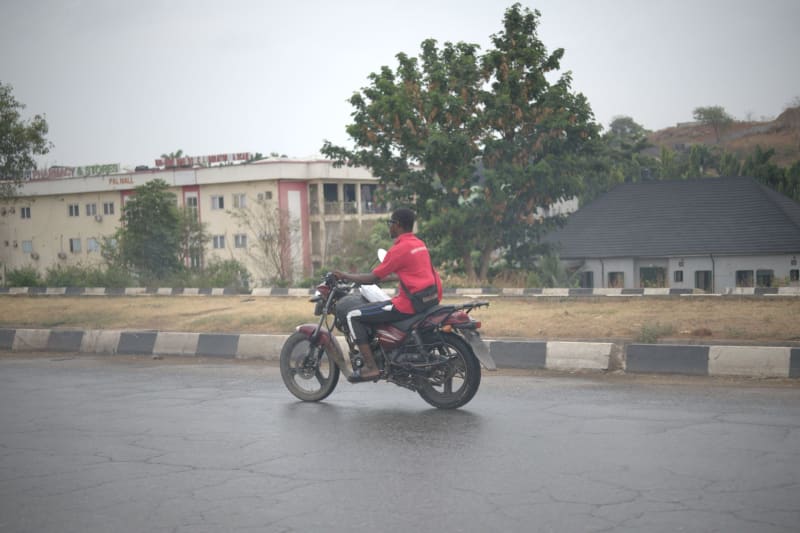
 Abuja
Nigeria's planned capital sits at a cool altitude above the chaos, but Zuma Rock looms over the northern road and refuses to let you forget where you are.
Explore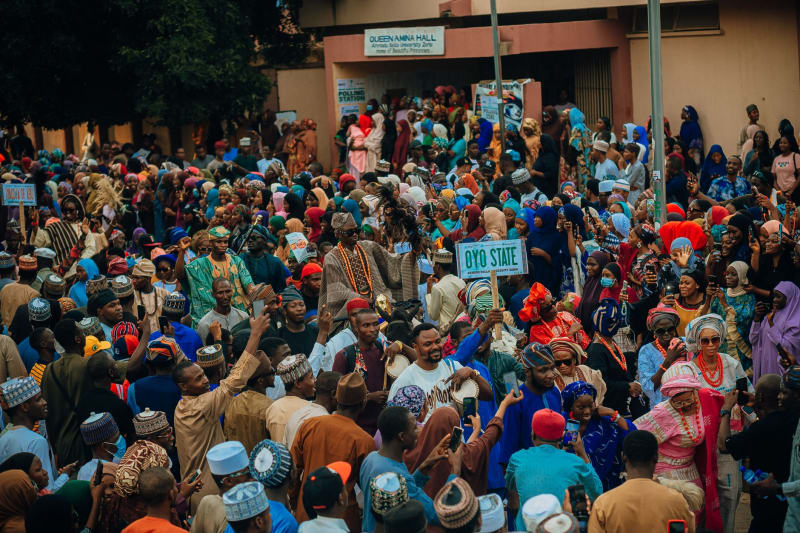 nigeria
 Badagry
A quiet coastal town an hour from Lagos that carried millions of enslaved people to the Atlantic — the Point of No Return beach still holds something you can feel.
Explore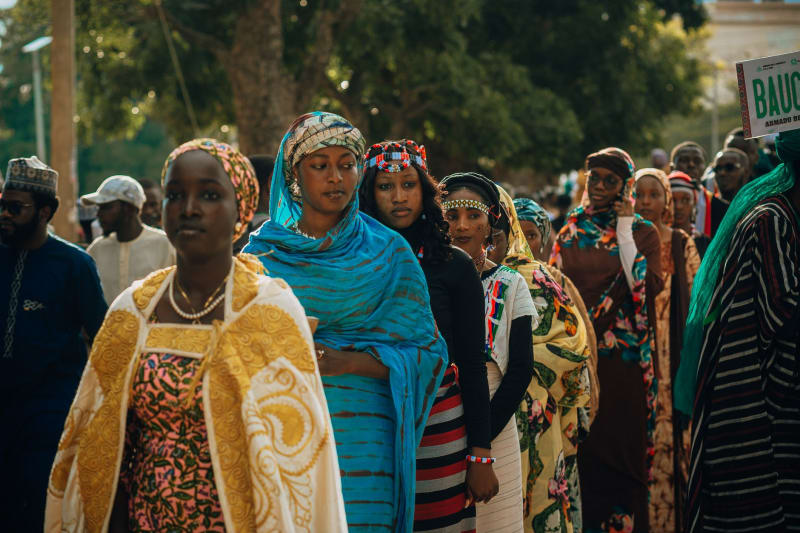 nigeria
 Benin City
The ancient capital of the Benin Empire, where bronze casters on Igun Street still work a craft whose masterpieces were looted to fill European museums.
Explore nigeria
 Calabar
A riverside city in Nigeria's southeast that holds its colonial past lightly and its December carnival with an intensity that makes the rest of the year seem like preparation.
Explore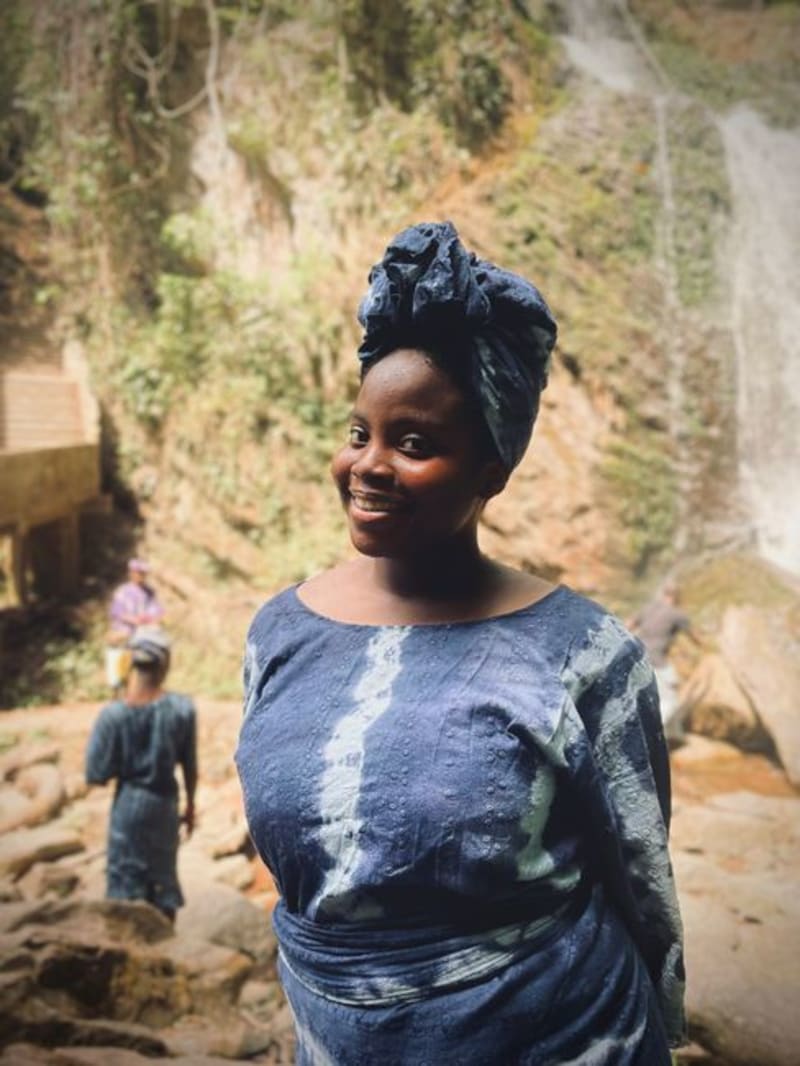 nigeria
 Erin Ijesha Waterfalls
Seven tiers of falling water on a sacred hillside in Osun State, each one demanding another sweaty, slippery climb to reach.
Explore nigeria
 Jos
Nigeria's highland plateau city sits at 1,200 meters, cool enough for cold mornings, ancient enough to hold Nok terracotta figurines that predate Christianity.
Explore