Africa
Nigeria
"Nothing I'd read prepared me for how alive this place actually feels."
A country of 220 million voices, thundering Afrobeats at three in the morning, and a creative energy so dense it feels like a physical pressure against your chest.

The first thing I noticed arriving into Lagos was the sound. Not noise exactly — though there is plenty of that — but a kind of collective frequency, a hum of ten million overlapping lives pressed together on a strip of land between a lagoon and the Atlantic. The airport at Murtala Muhammed is chaos in the most instructive sense: you watch strangers negotiate, joke, argue, and dissolve into laughter in the span of thirty seconds, and you understand immediately that the social bandwidth here operates on a register most places simply don’t have.
Lagos is the obvious entry point and it earns every superlative thrown at it, but it can also swallow you whole if you treat it as the whole country. I spent two days in Lekki eating suya from a roadside grill — the beef skewers charred over hardwood coals, dressed with ground spice that builds slowly and then all at once — and talking to a fashion designer who showed me his atelier above a printing shop in Yaba. The creative scene in Lagos is not emerging; it already emerged, years ago. The rest of the world is catching up. Afrobeats, Nollywood, contemporary art, fashion — all of it being made with an urgency and confidence that is, frankly, infectious.
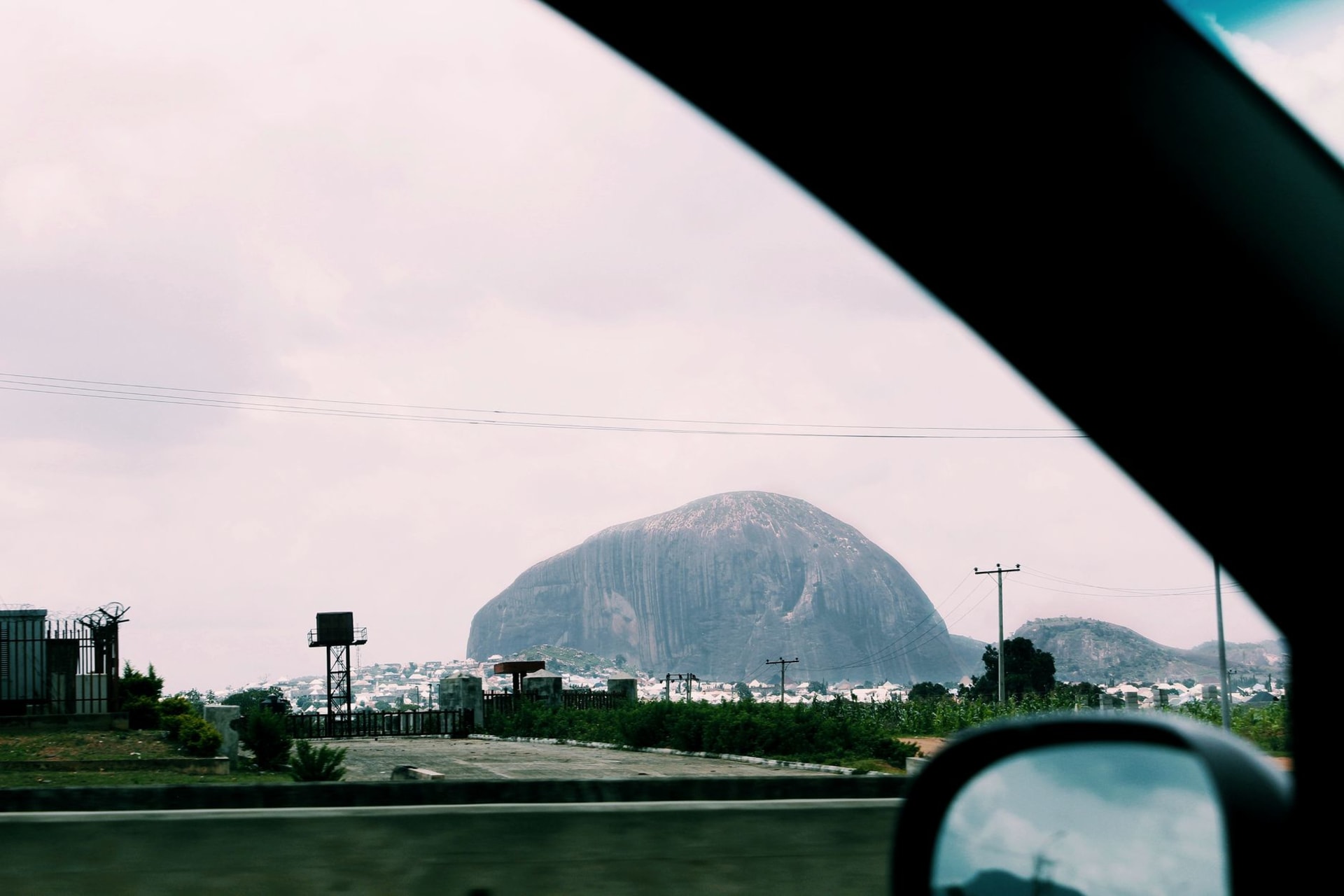
When I made it to Abuja, the capital, I was struck by the inverse experience: wide boulevards, cooler air at altitude, and the sudden appearance of Zuma Rock on the drive north toward Suleja, that enormous volcanic monolith rising 725 meters out of the flat savannah like something placed there by a civilization that hasn’t been named yet. The Gwari people consider it a place of spiritual significance, and standing at its base in the late afternoon, the rock face changing colour from grey to deep amber in the slanted light, I understood why. Nigeria has a habit of delivering this kind of scene without warning.
When to go: November to March covers the dry season, when humidity is manageable and the harmattan winds bring a hazy golden quality to the light in the north. Avoid the peak of rainy season (June to September) if you’re planning to move between regions — some roads in the south become genuinely difficult. Lagos is worth visiting during the dry months specifically, when outdoor markets and beach culture in places like Tarkwa Bay are at their fullest.
What most guides get wrong: They lead with warnings and end with warnings, sandwiching a thin slice of actual content in between. Nigeria gets framed almost entirely through security advisories, which tells you more about how Western travel media thinks about Africa than it tells you about Nigeria. Is it a complicated country? Yes. Does it require some planning and local knowledge? Absolutely. But the same is true of Mexico City, Rio, or Naples — cities that get written about as adventures. The Nigerians I met were among the most entrepreneurial, culturally sharp, and genuinely welcoming people I’ve encountered anywhere. Lead with that.
Explore
Places in Nigeria
 nigeria
 Abuja
Nigeria's planned capital sits at a cool altitude above the chaos, but Zuma Rock looms over the northern road and refuses to let you forget where you are.
Explore nigeria
 Badagry
A quiet coastal town an hour from Lagos that carried millions of enslaved people to the Atlantic — the Point of No Return beach still holds something you can feel.
Explore nigeria
 Benin City
The ancient capital of the Benin Empire, where bronze casters on Igun Street still work a craft whose masterpieces were looted to fill European museums.
Explore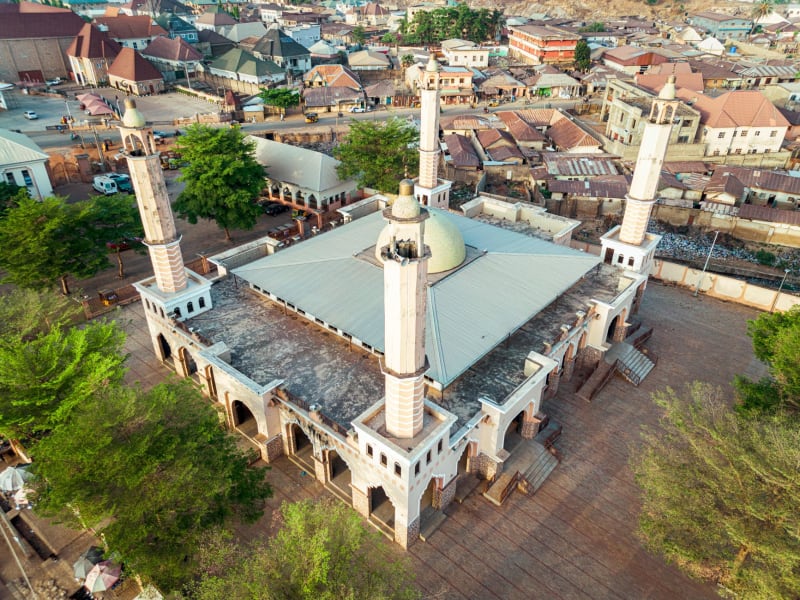 nigeria
 Calabar
A riverside city in Nigeria's southeast that holds its colonial past lightly and its December carnival with an intensity that makes the rest of the year seem like preparation.
Explore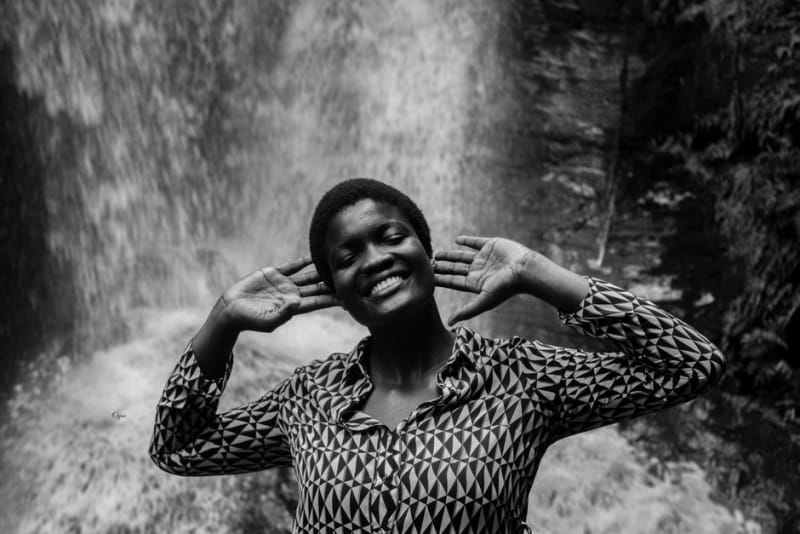 nigeria
 Erin Ijesha Waterfalls
Seven tiers of falling water on a sacred hillside in Osun State, each one demanding another sweaty, slippery climb to reach.
Explore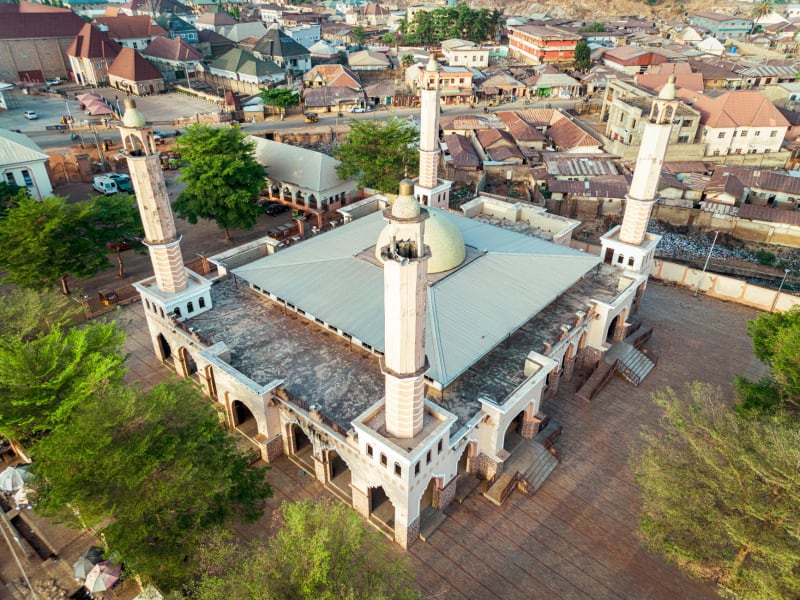 nigeria
 Jos
Nigeria's highland plateau city sits at 1,200 meters, cool enough for cold mornings, ancient enough to hold Nok terracotta figurines that predate Christianity.
Explore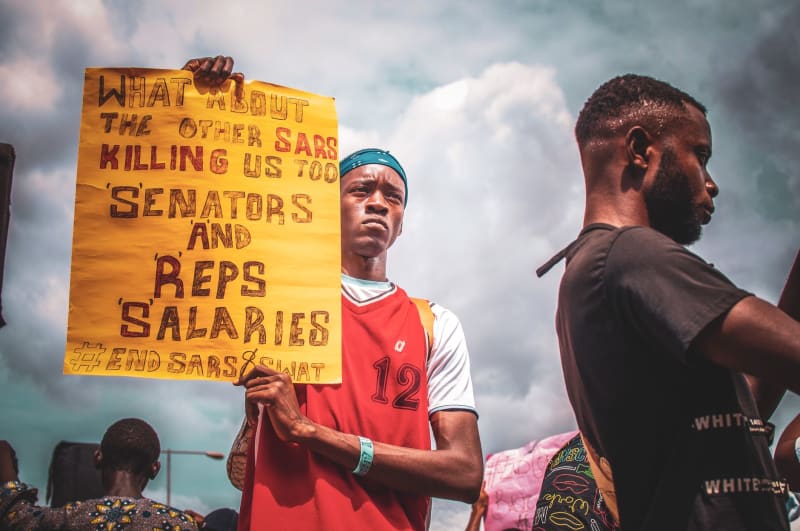 nigeria
 Kano
One of West Africa's oldest cities, where indigo dye pits have run continuously for five hundred years and the old city walls still hold the sky at bay.
Explore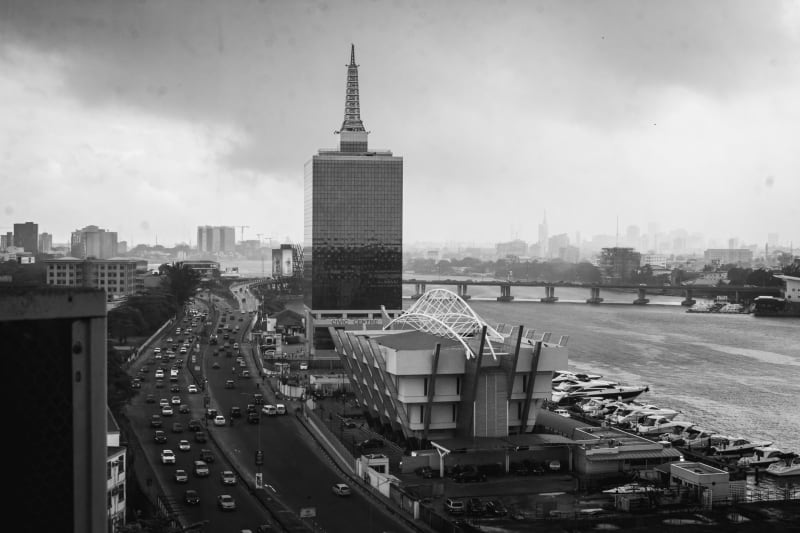 nigeria
 Lagos
Ten million overlapping lives pressed between a lagoon and the Atlantic, running on generators, Afrobeats, and an almost terrifying collective ambition.
Explore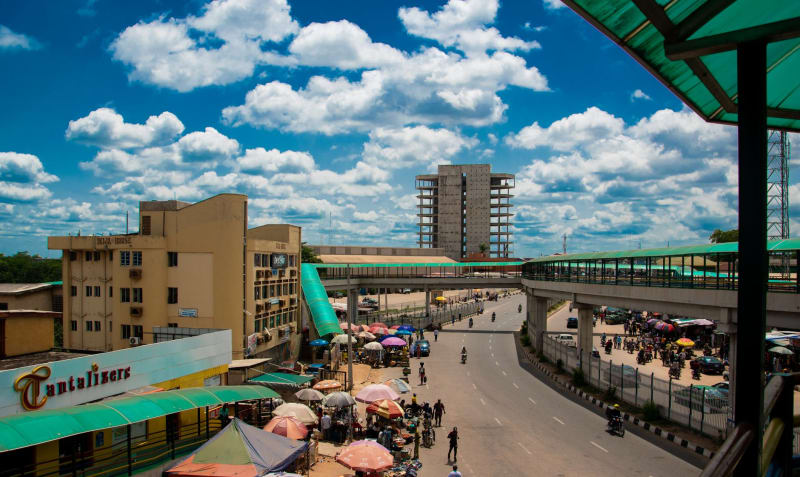 nigeria
 Obudu
A highland plateau in Cross River State at 1,576 meters where cattle graze in morning mist and the view reaches all the way into Cameroon.
Explore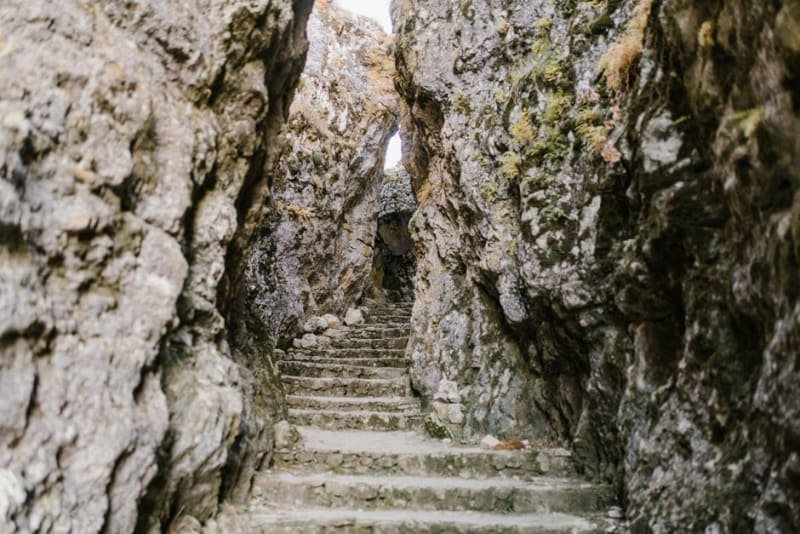 nigeria
 Ogbunike Caves
A sacred limestone cave system in Anambra State, reached by 317 steps through rainforest and steeped in Igbo history.
Explore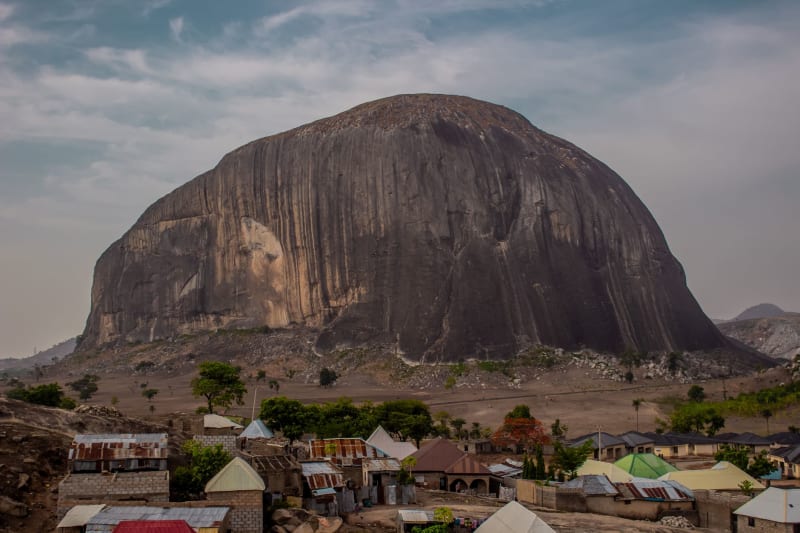 nigeria
 Olumo Rock
A vast granite outcrop in the heart of Abeokuta that once sheltered a whole people in wartime and now lets you climb, half by staircase and half by scrambling, into the city's founding story.
Explore nigeria
 Osogbo
A UNESCO-listed sacred grove on the banks of the Osun River, filled with iron sculptures and shrines that feel less curated than actually inhabited.
Explore nigeria
 Yankari National Park
Nigeria's premier wildlife reserve in Bauchi State, where warm springs rise crystal-clear from the savannah and elephants cross roads at their own pace.
Explore