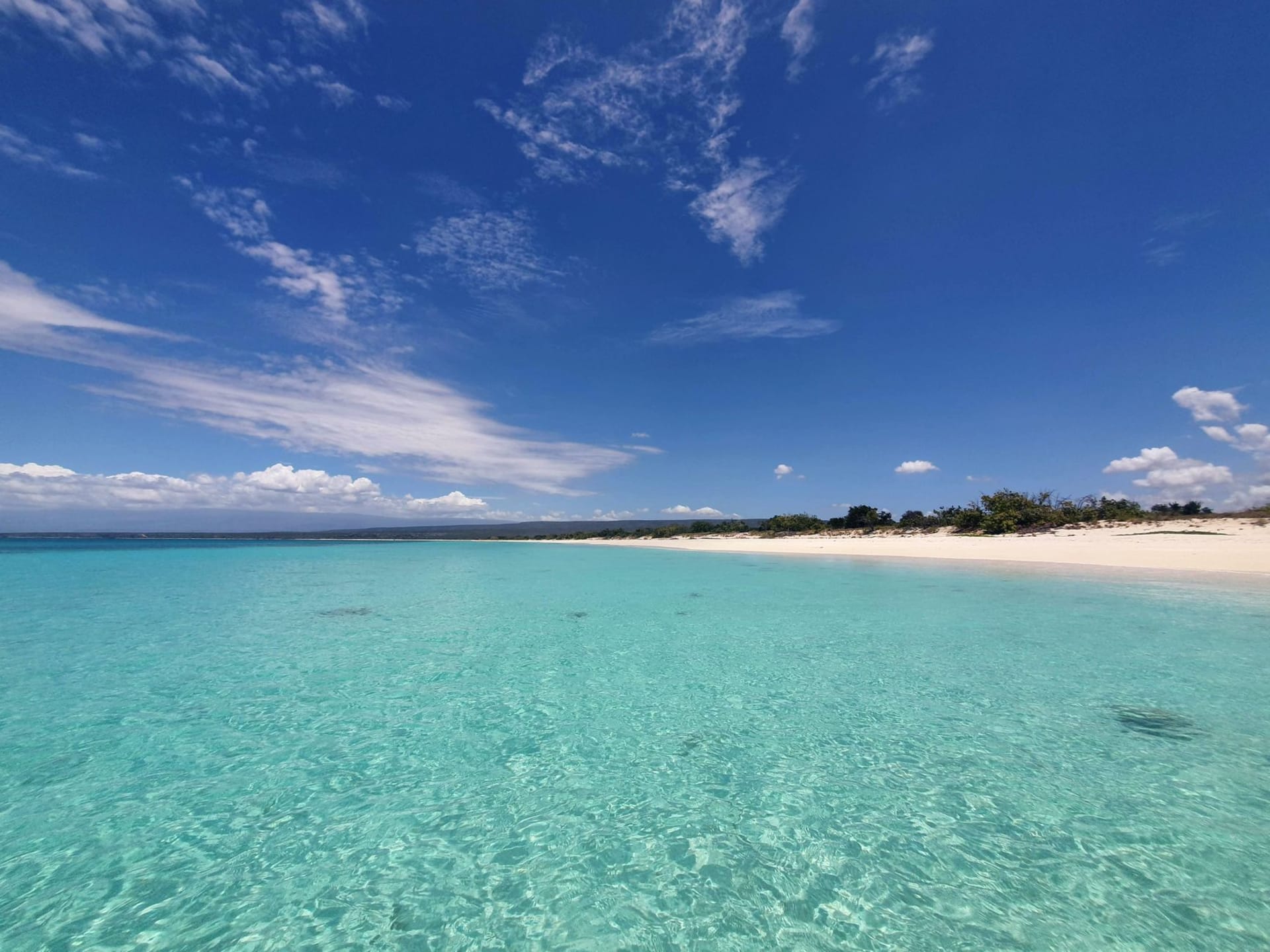
Maré
"Maré doesn't try to charm you the way the other islands do — it just exists, indifferent and extraordinary."
The most rugged of the Loyalty Islands, a raised coral plateau with cave pools and an atoll that never bothered to be gentle.

The flight to Maré deposits you at a small airport in the middle of the island, surrounded by the scrubby, salt-hardened vegetation that covers most of the plateau’s interior. There is no dramatic lagoon view on approach, no welcoming sweep of beach visible from the runway. Maré reveals itself slowly, and somewhat reluctantly, which I found refreshing after the Isle of Pines’ willingness to be immediately spectacular.
The island is a raised coral atoll — the entire landmass is ancient reef, lifted above sea level by tectonic movement and gradually colonised by soil and vegetation. Walking on the interior plateau, you are walking on dead coral, the ground white and porous underfoot, the vegetation sparse and adapted to the thin soil. In the evening, the plateau turns the colour of old bone and the sky above it is very large. I walked a track toward the coast one late afternoon and found, in a depression in the coral rock, a completely unexpected natural garden — fig trees rooted in a crack, wild orchids colonising a limestone overhang, a small pool of rainwater that had collected in a bowl shape. The island does this: conceals abundance in unpromising terrain.

The Hnawayam natural pool is Maré’s signature site, and it is a different experience from the Isle of Pines’ swimming pools. Where Oro Bay is expansive and theatrical, Hnawayam is intimate — a bowl of aquamarine water enclosed by white coral rock, accessible by a path from the road that emerges suddenly at the pool’s edge. The colour of the water is different from the lagoon; more intensely blue-green, lit from below by the pale coral bottom. There are fish in the pool — sergeant-majors, wrasse, the occasional small reef shark circling the deeper sections — and the current that flows in from the open sea through an underwater channel creates a gentle circulation that keeps the water clear and cool. I swam there for an hour in the middle of a very hot day and came out substantially improved.
The villages on Maré’s coast are among the most traditionally organised of any in New Caledonia. The Nengone people have maintained a strong customary structure, and the island’s Grand Chiefs hold genuine authority. There are protocols around visiting certain areas, and the local reception is warm but not performative — you are treated as a guest who has arrived in someone’s home, which means introductions matter and lingering respectfully is better received than taking photographs without asking. I spent a morning at a village on the eastern coast where someone was preparing ngan ngan — a traditional welcome ceremony involving the exchange of woven mats — for a visiting relative, and was invited to sit and observe, which I did with more gratitude than I could adequately express in French.

The diving off Maré’s coast is considered among the best in the Loyalty Islands — wall dives that drop into deep water along the outer reef edge, and a site at Tadine Bay where the visibility regularly exceeds thirty metres and the coral cover is largely intact. I am a moderate snorkeller rather than a diver, but even from the surface, the reef at certain points along the southern coast was dense enough and clear enough to be startling.
When to go: May through October is the dry season and the best window for the natural pools, the walking tracks, and diving. Maré sees fewer visitors than Lifou or the Isle of Pines, which is part of its character — even in August you are unlikely to encounter crowds. The island rewards a slow pace and at least three nights.
Keep exploring
More from New Caledonia
 new-caledonia
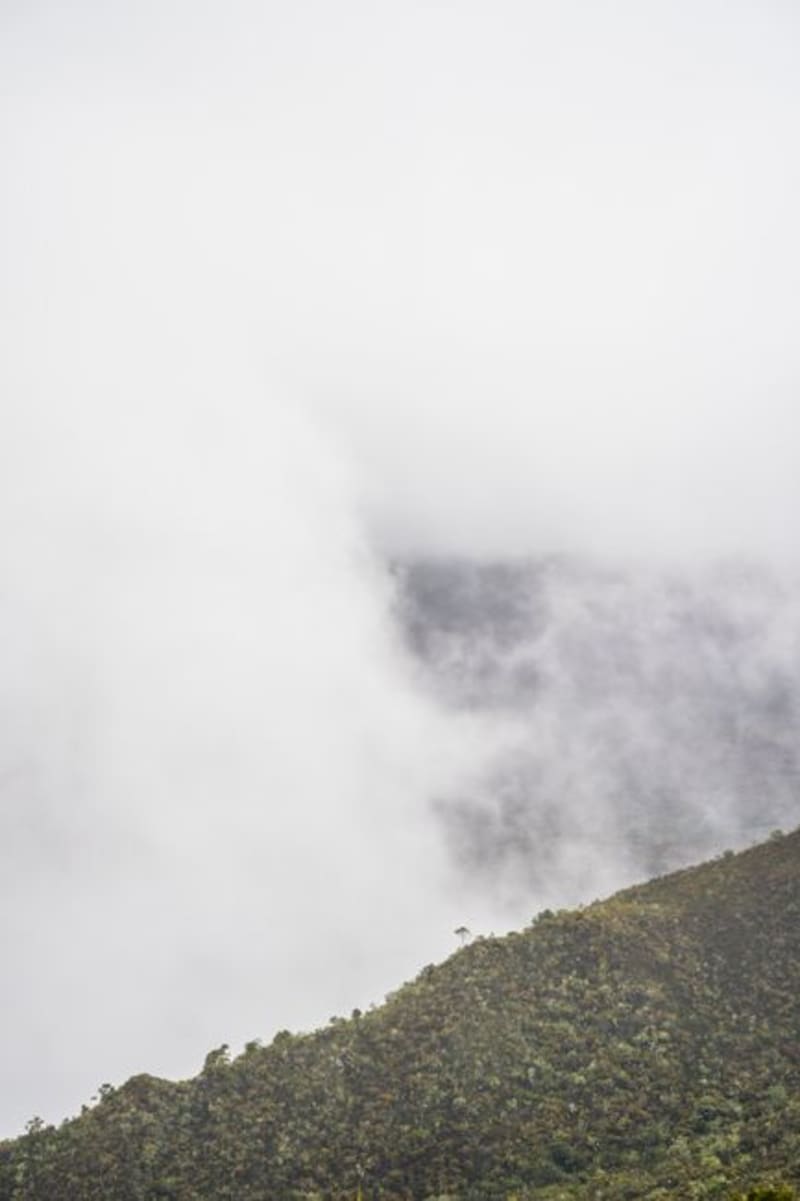
 Mont Panié
New Caledonia's highest peak, a Kanak sacred mountain wrapped in cloud forest that most visitors never even learn the name of.
Explore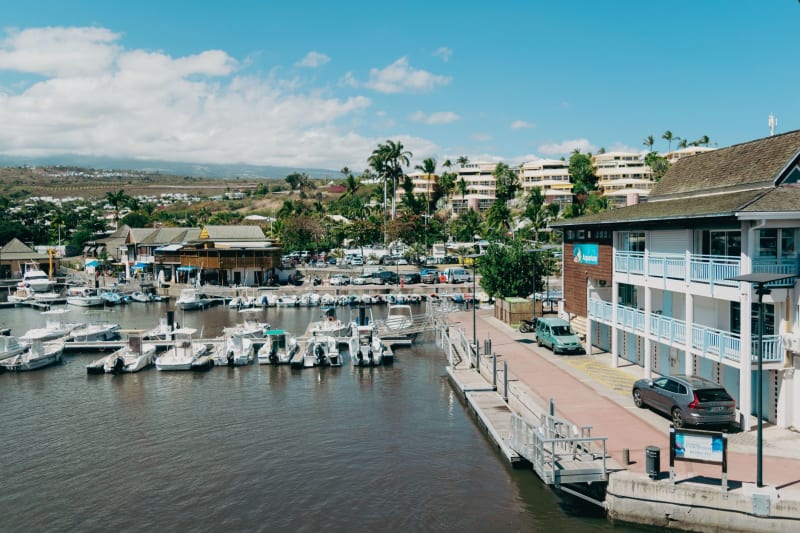 new-caledonia
 Nouméa
A French city dropped into the Pacific, where croissants and coconuts coexist without anyone finding it strange.
Explore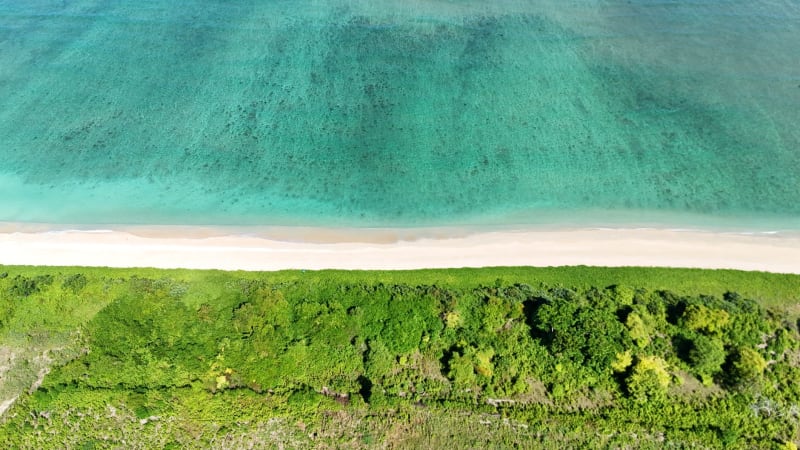 new-caledonia
 Ouvéa
A forty-kilometre crescent of white sand so remote that getting here feels like earning it.
Explore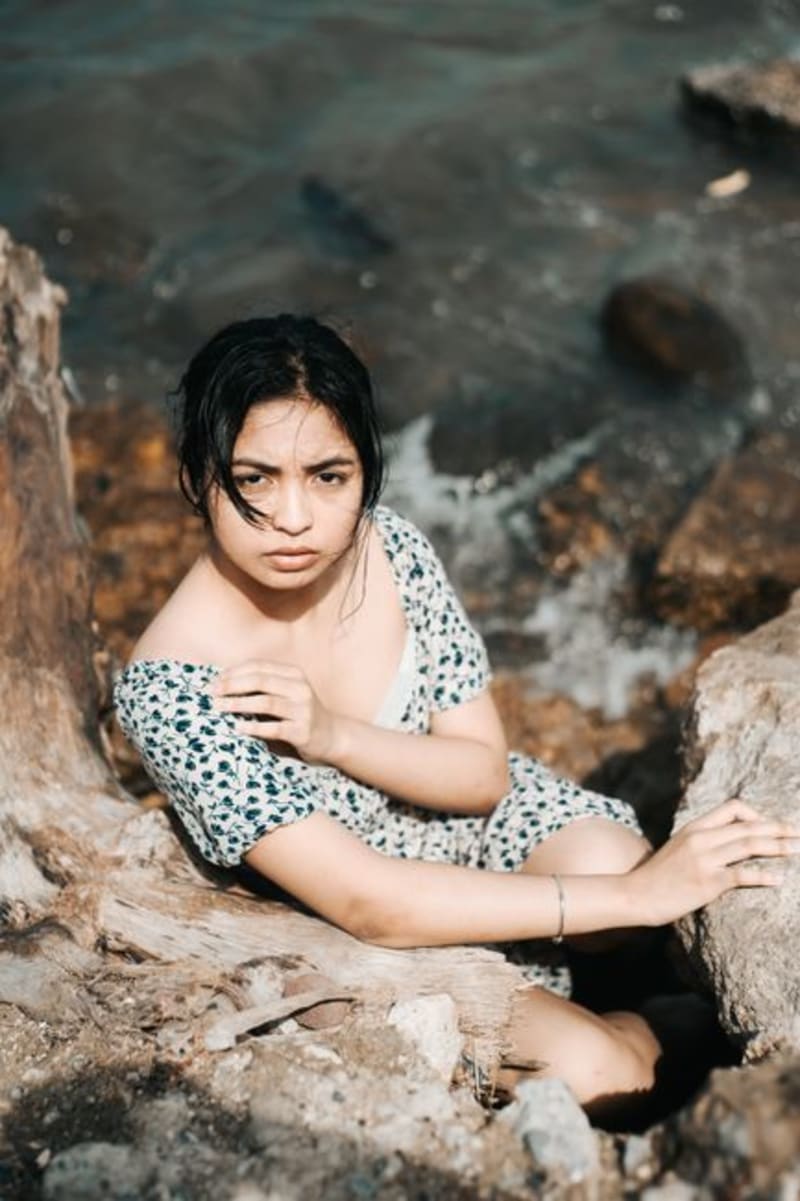 new-caledonia
 Poindimié
The east coast town locals call the garden of New Caledonia, where the rain that spoils the west coast lagoon turns everything here an almost unreasonable green.
Explore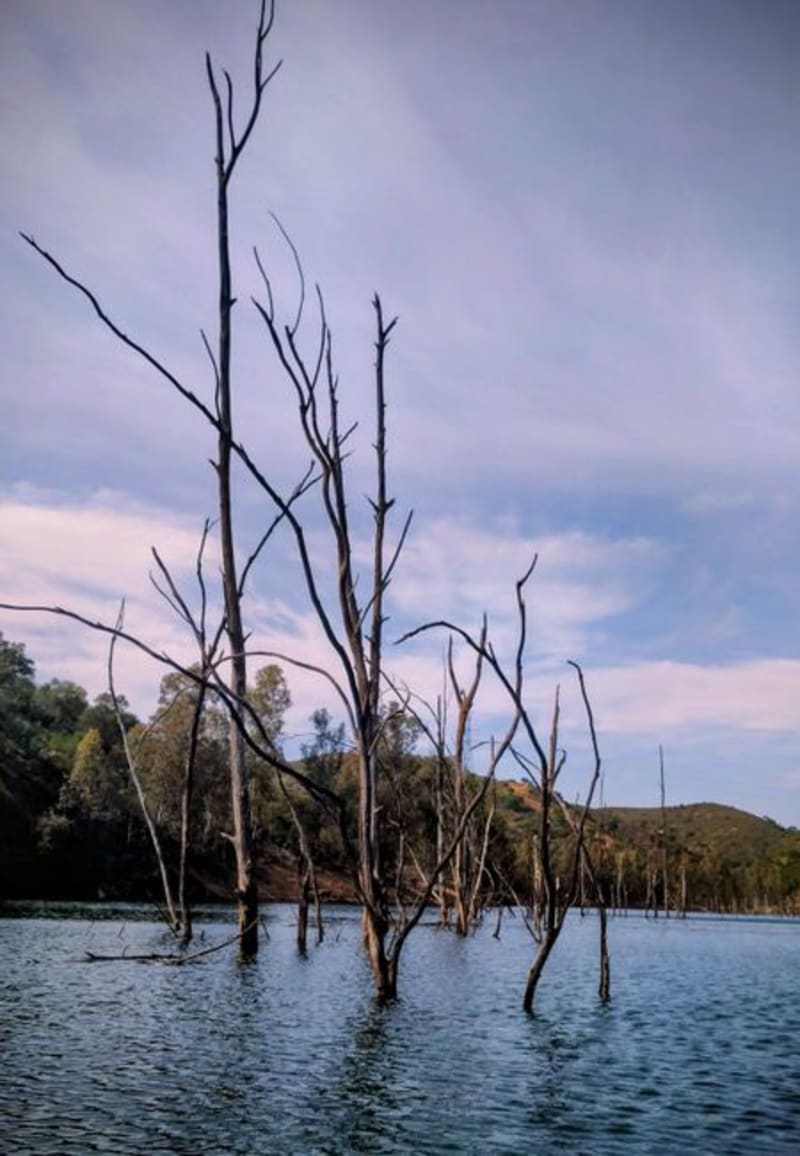 new-caledonia
 Rivière Bleue
A protected park in the far south where a flooded forest of dead giants stands in still water, and one of the rarest birds on Earth still refuses to fly.
Explore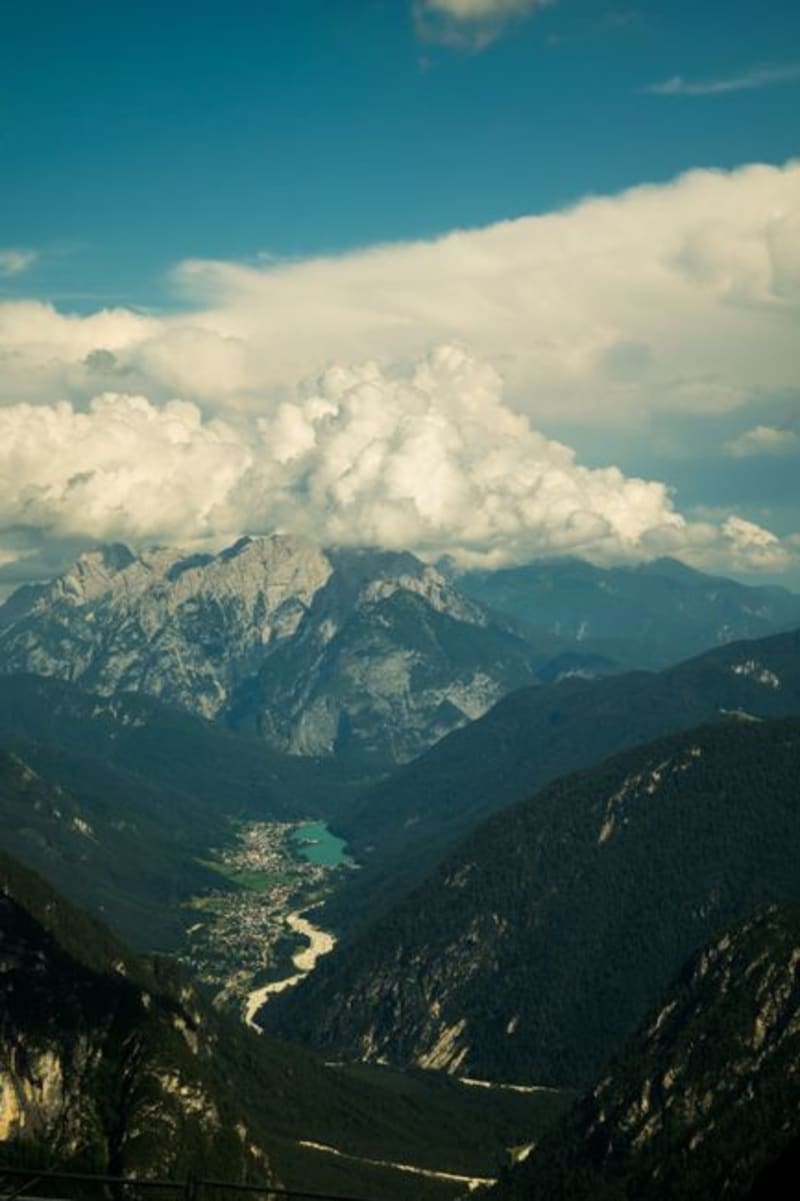 new-caledonia
 Sarraméa
A cool inland valley locals call New Caledonia's Little Switzerland, where the humidity finally breaks and the hiking starts in earnest.
Explore