A west coast river town where a restored penal-colony fort sits quietly in a paddock, telling a version of New Caledonia's history most visitors never hear.
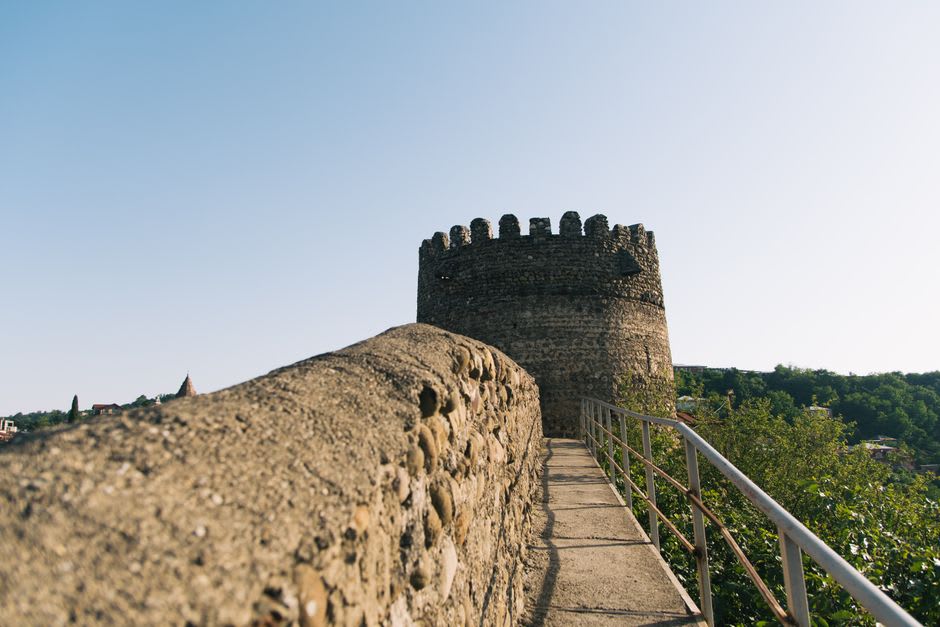
La Foa sits about an hour’s drive north of Nouméa on the west coast, and most travellers pass straight through it on the way to somewhere with a beach, which is a shame, because it holds one of the more quietly affecting historical sites in the country. Fort Teremba, a few kilometres south of town, is a restored nineteenth-century penal colony fort — squat stone ramparts and a watchtower standing in open grazing land, cattle grazing right up to the walls as if the building has simply been absorbed back into the paddock. It was built in the 1870s by convict labour to guard against the Kanak uprisings the French colonial administration provoked, and it functioned as a prison itself, holding some of the same convicts who built it.
Walking the ramparts alone on a weekday morning, with nobody else there and cattle lowing somewhere out of sight, I felt the particular strangeness of a monument to punishment that has been so thoroughly reclaimed by pastureland that it barely registers as sinister anymore. The small museum inside does not try to soften the history — transportation, forced labour, the brutal suppression of the 1878 Kanak revolt are all laid out with more directness than I expected from a rural provincial site like this.
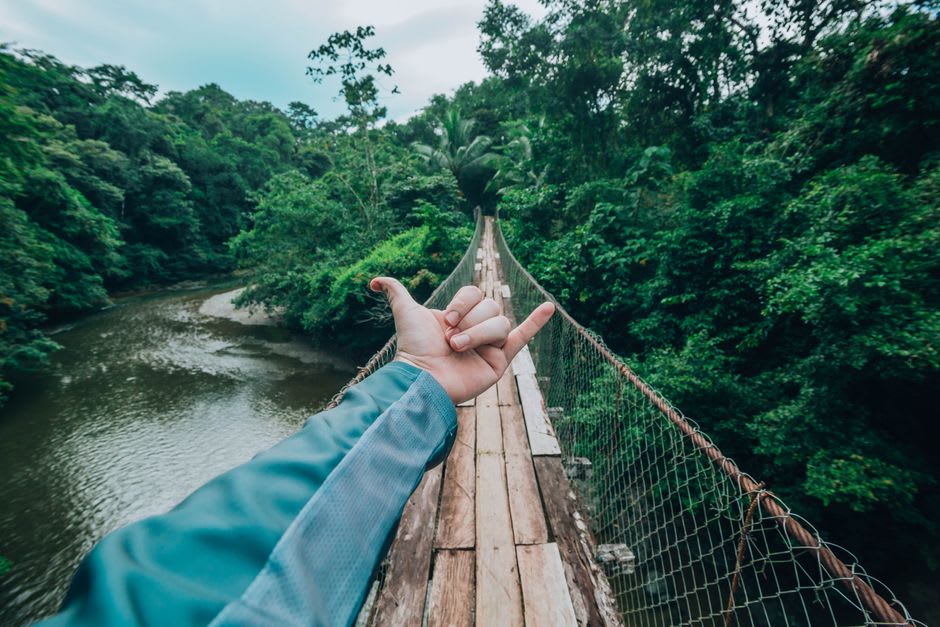
La Foa town itself is a genuine working settlement rather than a tourist stop — a river running through the centre, an old colonial-era suspension bridge that locals still use, a Saturday market selling produce grown in the valley behind town. I bought a bag of small, intensely sweet local mandarins from a woman at the market who told me, with the flat pride of someone who has said it many times, that the La Foa valley grows the best citrus on Grande Terre. I have no independent way to verify that claim and no particular reason to doubt it.
Beyond the fort, the hills behind La Foa hide a few good short hikes and swimming holes along the river gorges, mostly unmarked and known by word of mouth rather than signage — ask at the tourist office in town rather than trusting a map.
When to go: Year-round works for the fort and town, but the dry season, April through November, keeps the river hikes and swimming holes at their most accessible. The Saturday market is worth timing your visit around if you can.
Keep exploring
More from New Caledonia
 new-caledonia
 Lifou
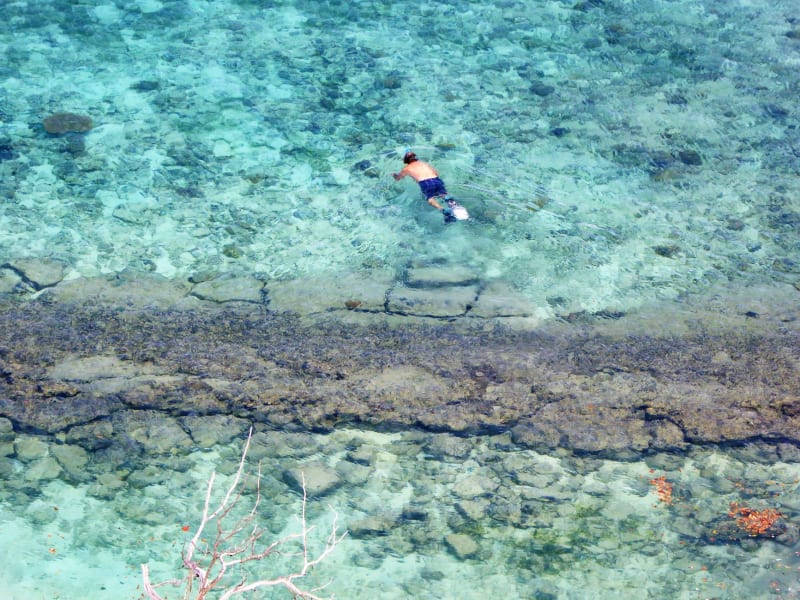
The largest Loyalty Island, where clifftop villages overlook lagoons and Kanak custom life runs on its own unhurried calendar.
Explore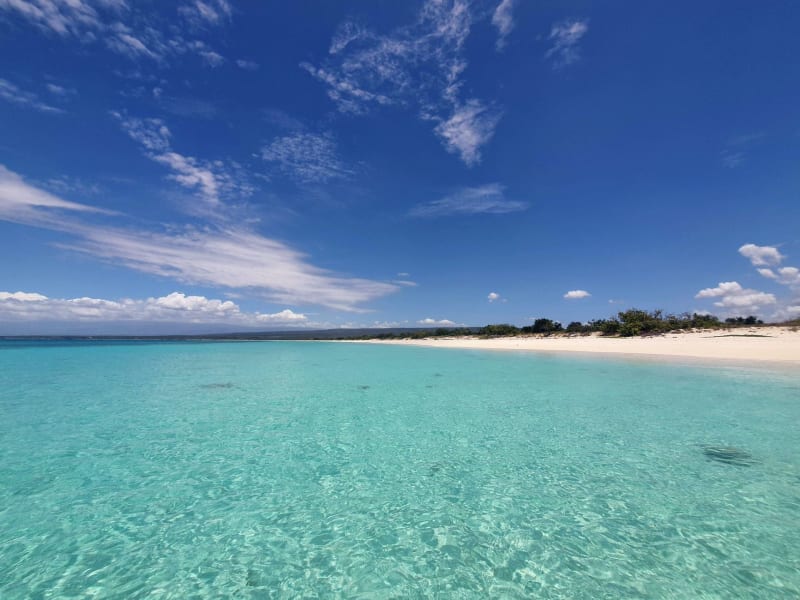 new-caledonia
 Maré
The most rugged of the Loyalty Islands, a raised coral plateau with cave pools and an atoll that never bothered to be gentle.
Explore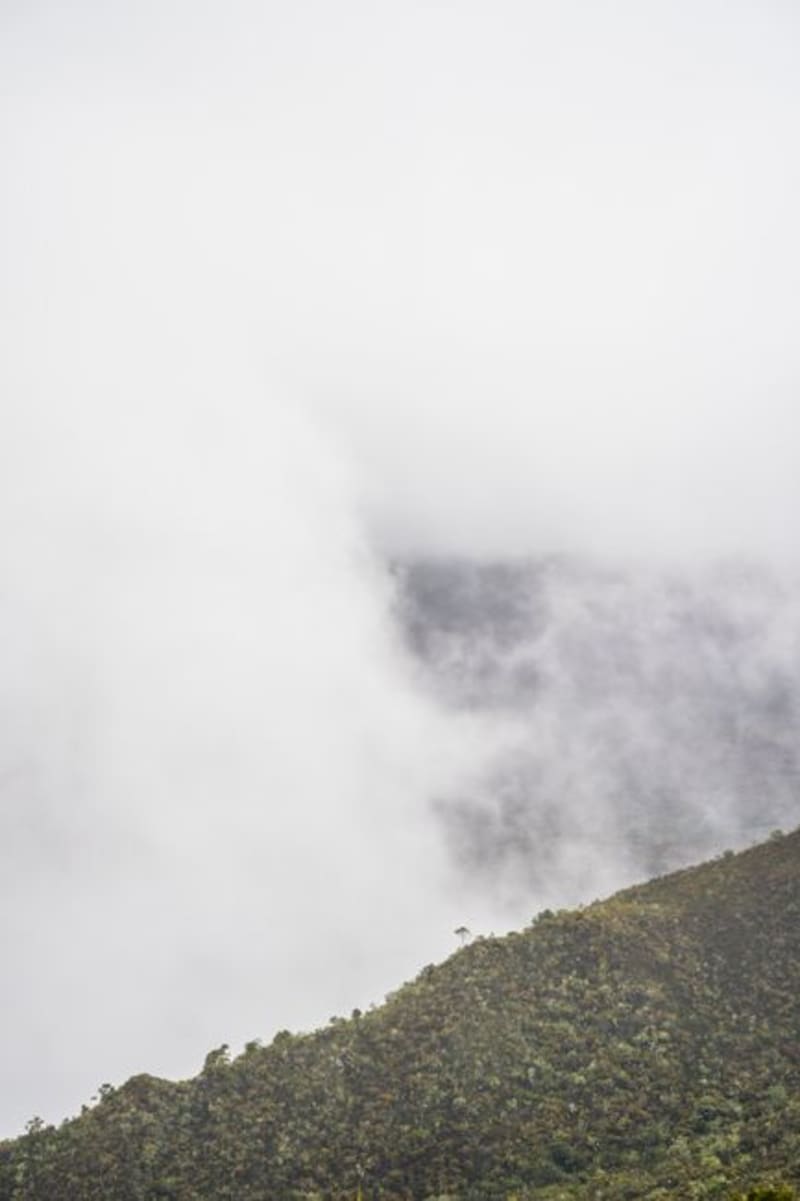 new-caledonia
 Mont Panié
New Caledonia's highest peak, a Kanak sacred mountain wrapped in cloud forest that most visitors never even learn the name of.
Explore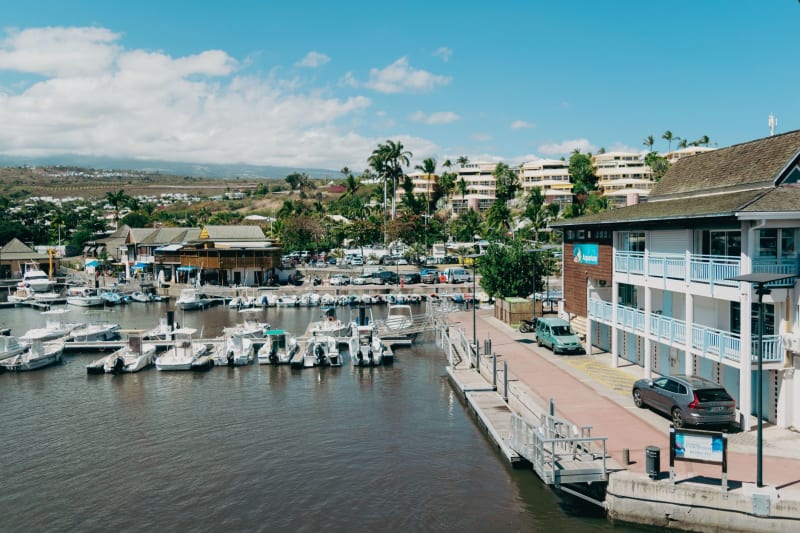 new-caledonia
 Nouméa
A French city dropped into the Pacific, where croissants and coconuts coexist without anyone finding it strange.
Explore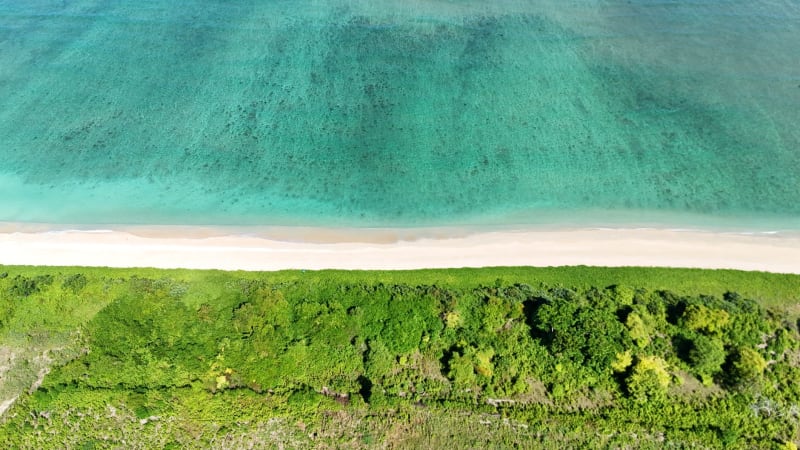 new-caledonia
 Ouvéa
A forty-kilometre crescent of white sand so remote that getting here feels like earning it.
Explore new-caledonia
 Poindimié
The east coast town locals call the garden of New Caledonia, where the rain that spoils the west coast lagoon turns everything here an almost unreasonable green.
Explore